
Used 2013 Wabash Trailers For Sale
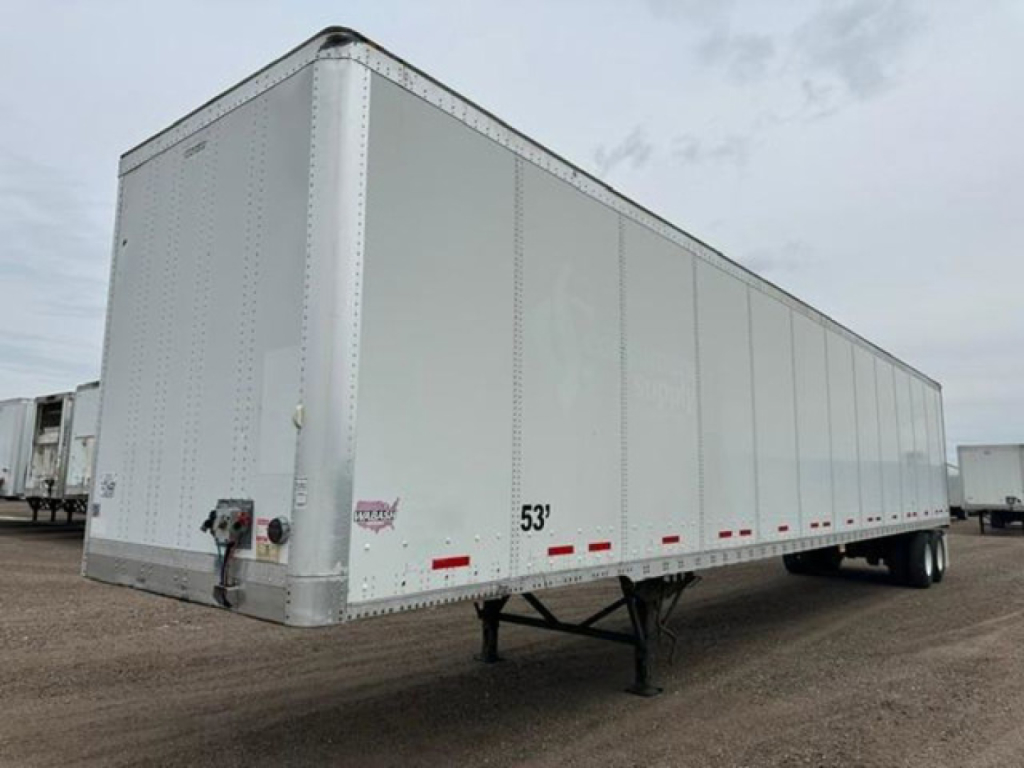
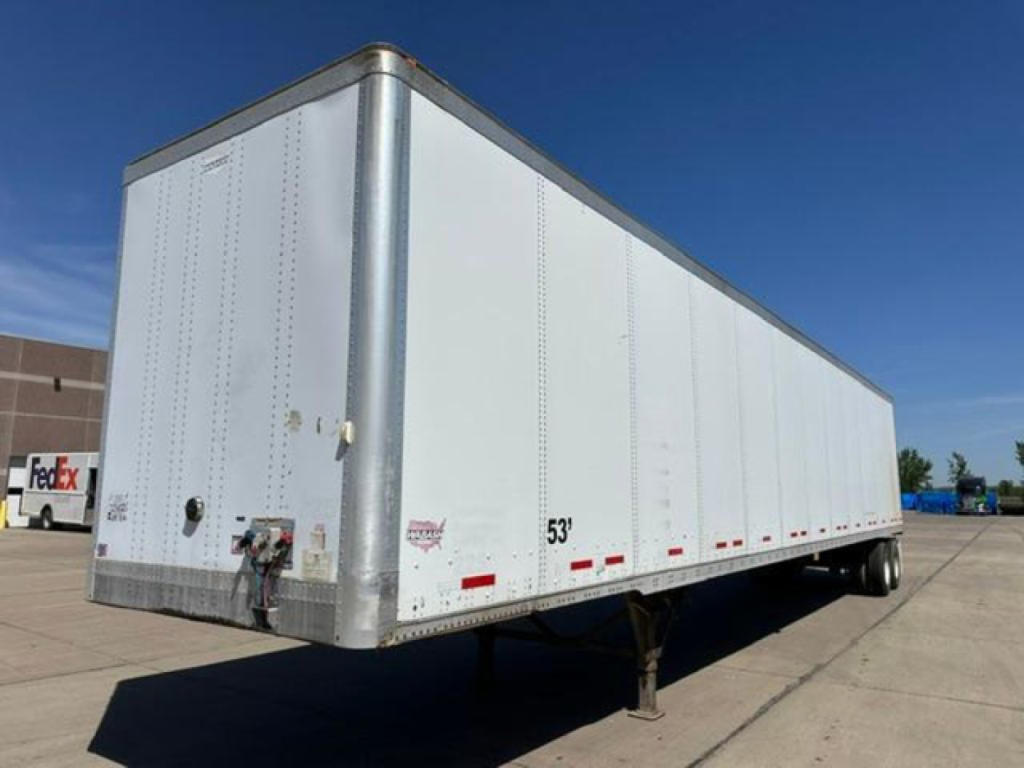
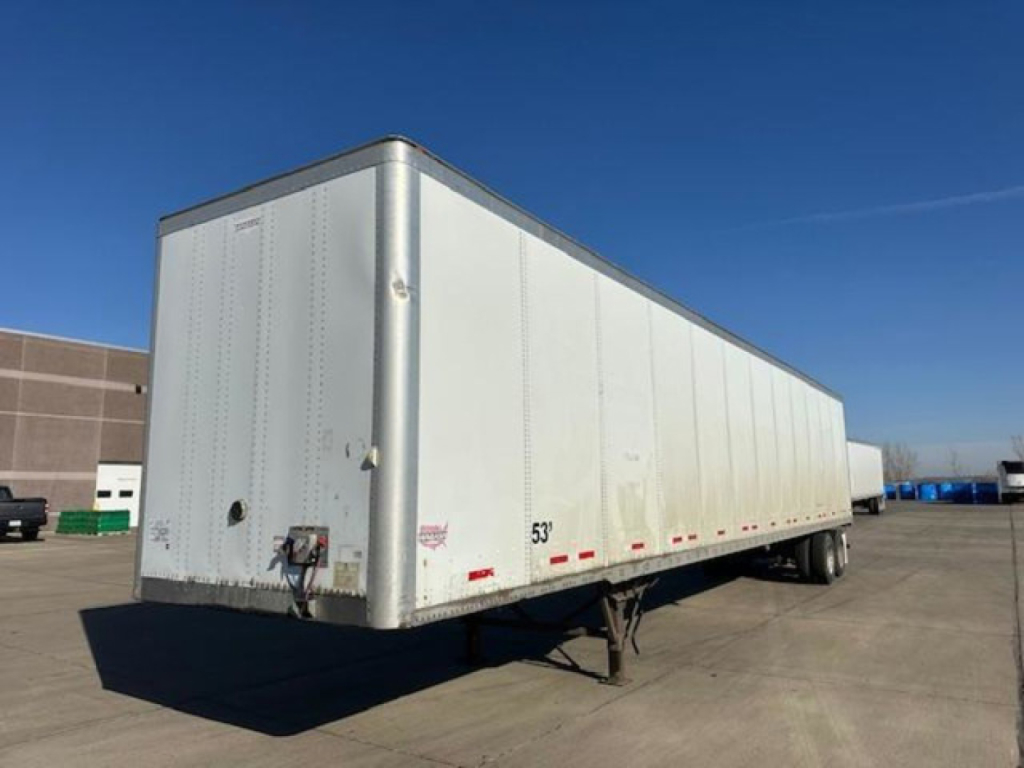
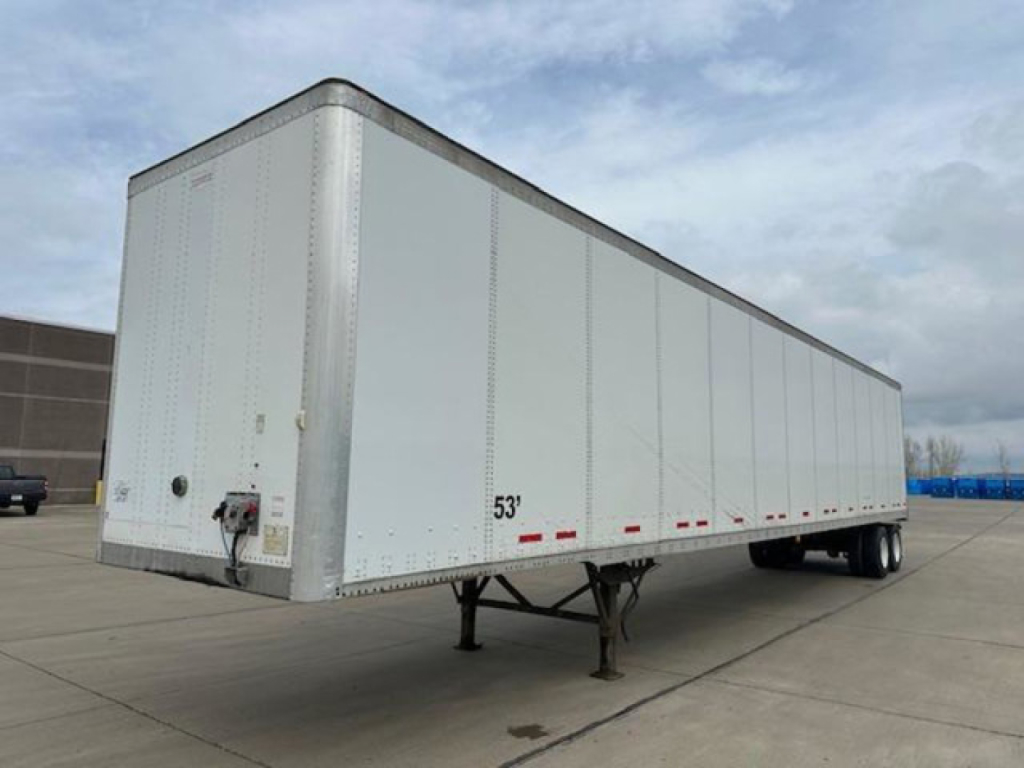
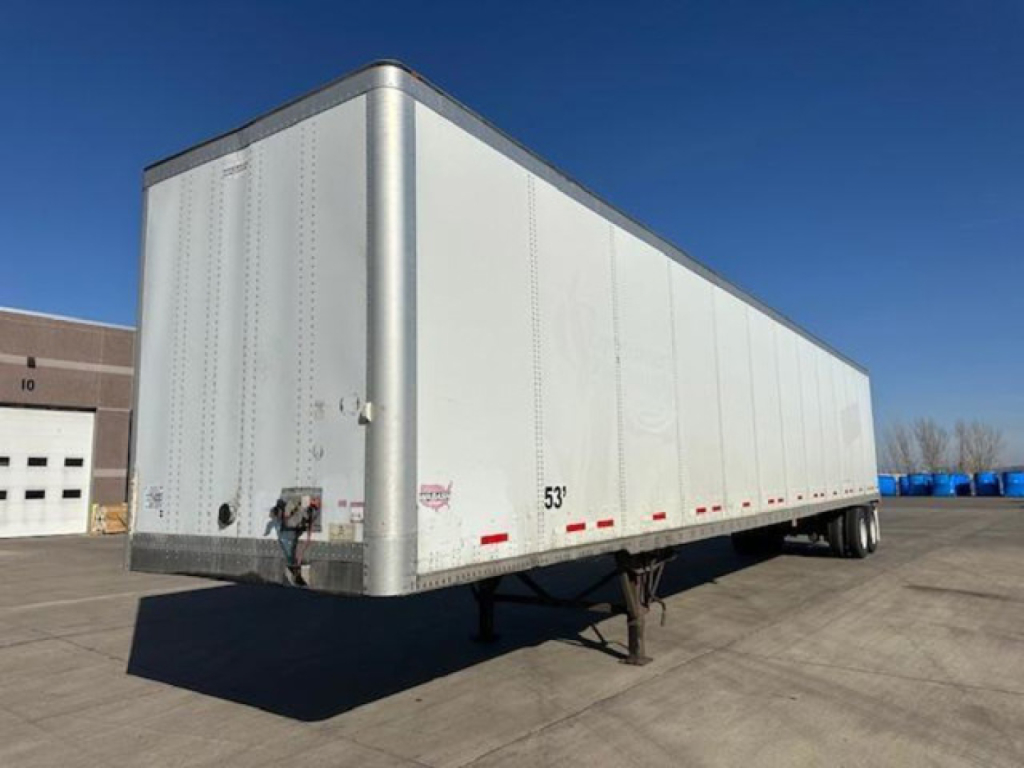
Have used 2013 wabash trailer to sell? List it here to reach thousands of buyers.
Used 2013 Wabash Trailers
For dry van buyers, the main checkpoints are interior cube, floor life, and loading compatibility. Many Wabash vans from this era use aluminum-steel construction with wood floors, and that combination can balance durability with manageable empty weight. Roll-up doors are common on trailers used in multi-stop delivery or dock environments where overhead clearance and repeated loading cycles matter. Swing doors can still be preferable for maximum rear opening and simpler repair costs. Translucent roofs, scuff liners, logistic posts, and E-track can all affect how well the trailer fits your freight and how much reconditioning it may need before going to work.
Running gear matters just as much as the box. Buyers should confirm whether the trailer has air ride or spring suspension, and whether it uses a fixed tandem or slider setup. A sliding tandem gives more flexibility for bridge law compliance and dock positioning, especially on 53-foot vans. Check kingpin setting, axle spread, tire size, wheel type, brake condition, and landing gear operation. On a used 2013 trailer, tire age, bushing wear, crossmember condition, roof integrity, and signs of floor rot or patched sidewall damage can make a bigger difference than brand alone. If the trailer will stay on regional lanes with frequent loading, door hardware and floor repairs deserve close attention.
Wabash trailers from the early 2010s remain popular because parts support is generally straightforward and most fleets already understand their service points. A buyer comparing multiple used 2013 Wabash trailers should weigh empty weight against payload needs, verify the trailer's prior application, and inspect structural areas that take abuse over time, especially rear frame sections, threshold plates, slider rails, and suspension hangers. For flatbed versions, check deck material, winch track condition, coil package setup, and beam rating. For van trailers, focus on cargo control options, leak prevention, and overall trailer straightness. The best value is usually the trailer that needs the least downtime after purchase, not just the one with the lowest price tag.
Frequently Asked Questions about Used 2013 Wabash Trailers
What are the most common types of used 2013 Wabash trailers buyers look for?
The most common used 2013 Wabash trailers are dry vans, with some buyers also searching for flatbeds depending on freight type. Dry vans are typically used for palletized freight, consumer goods, and general commodities that need weather protection. Flatbeds are better suited for building materials, machinery, steel, and oversized cargo that loads from the side or top. The right choice depends more on freight profile, loading method, and route requirements than on model year alone.
What should I inspect first on a used 2013 Wabash dry van trailer?
Start with the floor, roof, rear frame, doors, and suspension. A used dry van can look serviceable from the outside while hiding expensive issues like soft floor sections, roof leaks, cracked crossmembers, worn slider components, or rear impact damage. Also inspect scuff liner condition, wall repairs, brake wear, tire age, and landing gear function. These items directly affect safety, loading efficiency, and near-term repair cost.
Is air ride or spring suspension better on a used Wabash trailer?
Air ride is generally preferred for ride quality and cargo protection, especially for higher-value or damage-sensitive freight. Spring suspension is simpler and can be less expensive to maintain in some operations, but it usually delivers a harsher ride. On a used 2013 Wabash trailer, condition matters as much as suspension type. Worn air bags, leaking valves, damaged torque arms, or tired spring components can all add immediate repair cost if not caught during inspection.
Why does tandem slider setup matter on a used trailer?
A tandem slider affects weight distribution, bridge law compliance, and loading flexibility. On a 48-foot or 53-foot trailer, a sliding tandem can help position weight legally across state lines and improve compatibility with different loading docks or freight distributions. Buyers should inspect slider rails, locking pins, air release function, and evidence of corrosion or impact damage. A neglected slider can become difficult to operate and expensive to rebuild.
Are used 2013 Wabash trailers still a practical fleet purchase?
Yes, a used 2013 Wabash trailer can still be a practical purchase if its structure, running gear, and cargo area are in sound condition. Many trailers from this era remain productive in regional and over-the-road service because Wabash units are widely understood by shops and parts availability is generally manageable. The key is to buy based on actual condition, maintenance history, and application fit rather than assuming every trailer of the same year will perform the same.