
Wabash Trailers For Sale in Texas
Shop Wabash trailers for sale in Texas, including dry vans and reefers with DuraPlate construction, air ride, sliding tandems, and logistics-ready specs.

Showing 1 to 24 of 25 results
Have wabash trailer to sell? List it here to reach thousands of buyers.
Wabash Trailers in Texas
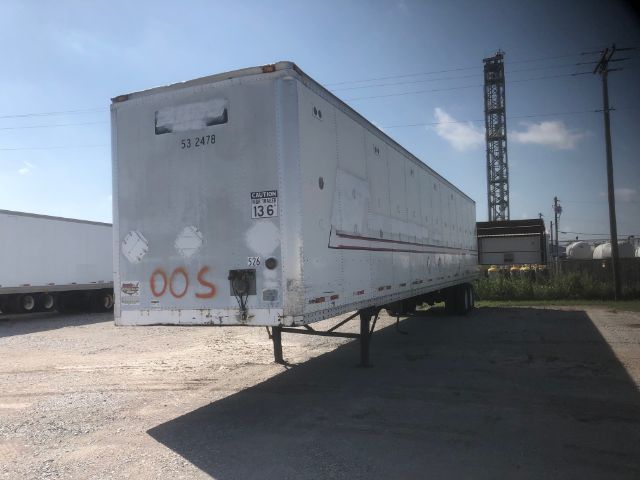
On dry vans, common specs include 53-foot length, 13-foot 6-inch overall height, tandem axles, air ride suspension, sliding tandems, wood floors, aluminum scuff liners, threshold plates, and swing or roll-up rear doors. Logistics posts or full logistics track are important if the trailer will handle mixed palletized freight and load securement demands. DuraPlate vans are popular because the sidewalls hold up well in dock-heavy service and generally present a clean, fleet-standard trailer for shippers that care about image and consistency. Buyers should still inspect the floor from rear to nose, check for wall delamination or puncture repairs, review the rear frame and door frame condition, and confirm tandem slide operation if the trailer will run in states with bridge-law or dock-positioning constraints.
Wabash reefer trailers share many of the same chassis and running gear considerations, but the cold chain components deserve closer attention. A typical reefer spec in this class includes aluminum construction, air ride, sliding tandems, low-profile 22.5 tires, and features like tire inflation systems, side skirts, stainless steel front radius panels, stainless door frames, and flat aluminum floors. The refrigeration unit brand and model matter as much as the box itself. Buyers should evaluate reefer hours, service history, evaporator condition, insulation integrity, floor wear, and door seal performance. In Texas heat, unit pull-down performance and consistent temperature control are not minor details. They directly affect load acceptance and operating cost.
A used Wabash trailer can be a strong fit for fleet expansion, drop-and-hook distribution, or owner-operator contract freight if the spec matches the lane. For urban and retail work, roll-up doors may improve dock access and reduce swing-door clearance issues. For long-haul dry freight, a standard swing-door van with air ride and sliding tandems remains the most flexible setup. Aerodynamic features such as side skirts can help fuel economy on linehaul routes, while disc wheels and tire inflation systems may reduce maintenance interruptions. The best buying decision usually comes down to cargo type, dock environment, state weight compliance needs, and the true condition of the floor, rear frame, suspension, and tire package rather than model year alone.
Frequently Asked Questions about Wabash Trailers in Texas
What are Wabash trailers best known for?
Wabash is best known for dry van and reefer trailers used in fleet, dedicated, and for-hire freight service. The brand has a strong reputation for DuraPlate dry vans, which use composite plate sidewalls designed for durability and reduced maintenance in high-cycle loading environments. Many buyers look for Wabash because the trailers are common in major fleets, parts and service support are widely understood, and the specs often match standard 53-foot freight operations.
What should I inspect first on a used Wabash dry van trailer?
Start with the floor, rear frame, doors, sidewalls, and tandem slide. Floor condition is critical because hidden rot, soft spots, or heavy forklift wear can turn a lower purchase price into a repair bill quickly. On a Wabash DuraPlate van, inspect the sidewalls for punctures, separation, patch repairs, and signs of abuse around logistics posts and scuff areas. Confirm the doors seal correctly, the threshold is not badly damaged, and the suspension and axle alignment do not show irregular tire wear.
Are Wabash reefer trailers a good choice for Texas operations?
Wabash reefer trailers can be a strong choice in Texas because they are commonly spec'd for grocery, foodservice, and temperature-sensitive freight in hot conditions. The key is not just the trailer body but the health of the refrigeration unit, insulation, floor, and door seals. In a hot-weather market, buyers should pay close attention to pull-down performance, maintenance records, unit hours, and evidence of air leaks or compromised insulation, since those factors directly affect fuel use and temperature stability.
What common specs show up on Wabash trailers?
Many Wabash trailers on the secondary market are 53 feet long and 102 inches wide with tandem axles, air ride suspension, and sliding tandems. Dry vans often include wood floors, aluminum scuff liners, threshold plates, logistics posts, and swing doors. Reefer models may add aluminum floors, stainless front or rear components, side skirts, and tire inflation systems. Exact specs vary by fleet assignment, so buyers should match the trailer to cargo type, dock setup, and route requirements.
Is a Wabash DuraPlate trailer different from a standard sheet-and-post van?
Yes. A Wabash DuraPlate trailer uses laminated composite plate sidewalls instead of the traditional sheet-and-post wall construction found on some other dry vans. That design is valued for impact resistance, a cleaner interior wall surface, and lower maintenance in many freight applications. It is still important to inspect for wall damage and past repairs, but many buyers prefer DuraPlate construction for distribution work, palletized freight, and operations where trailers see frequent dock contact and heavy loading cycles.