
2017 Wabash Trailers For Sale in Ohio
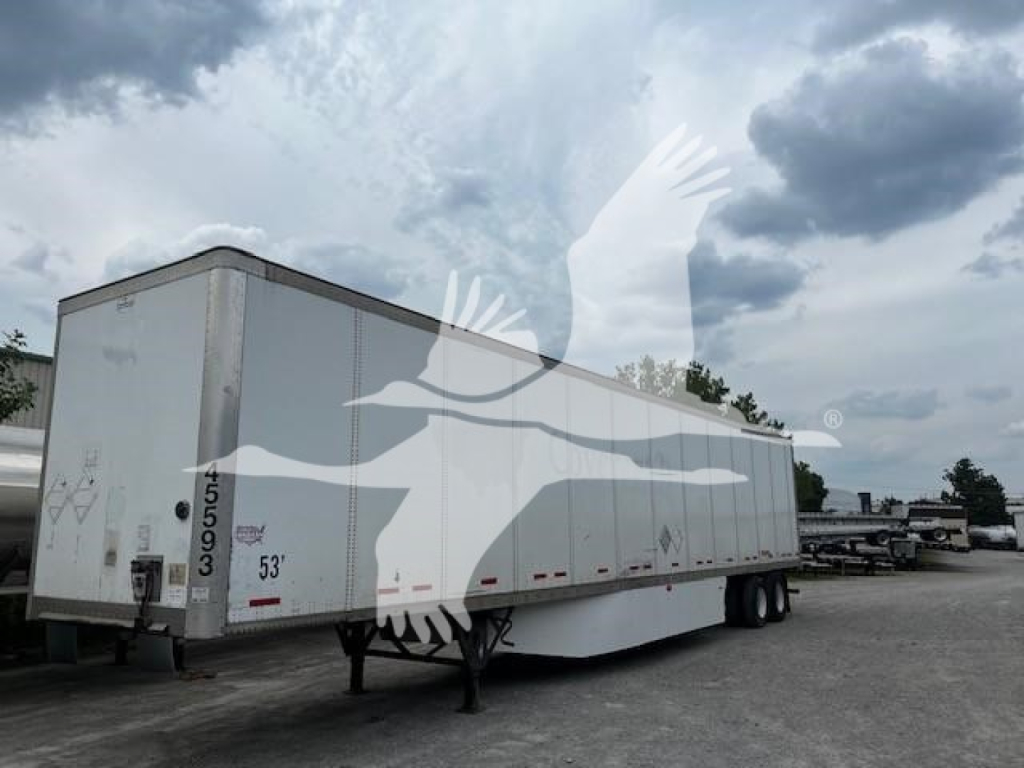
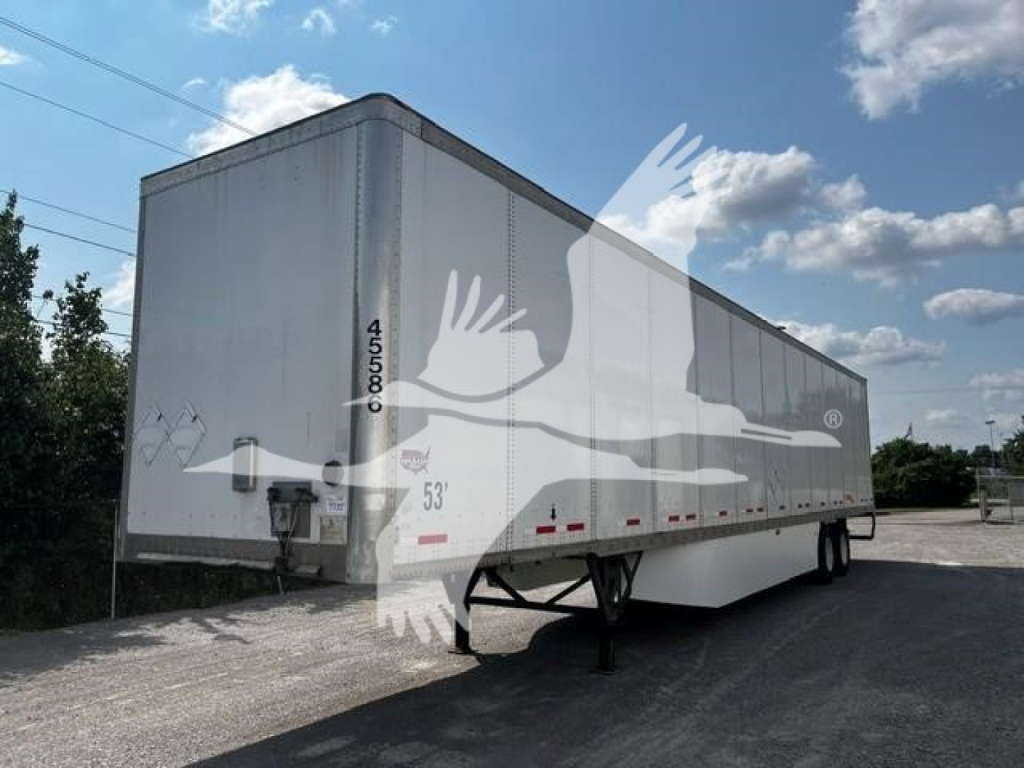
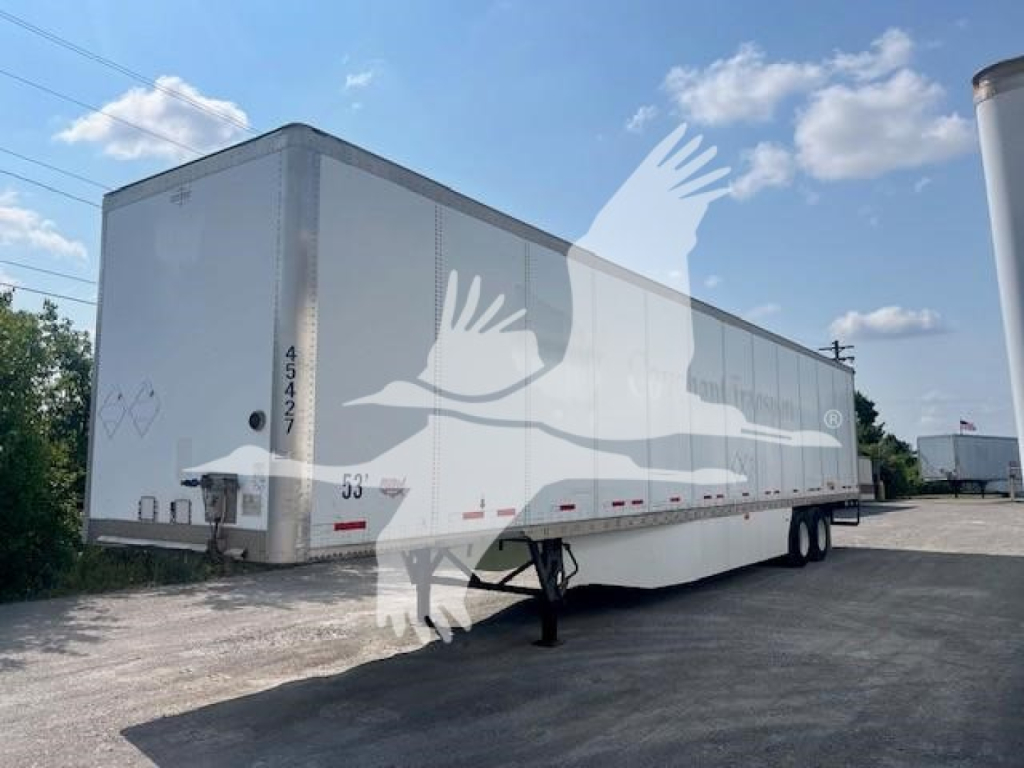
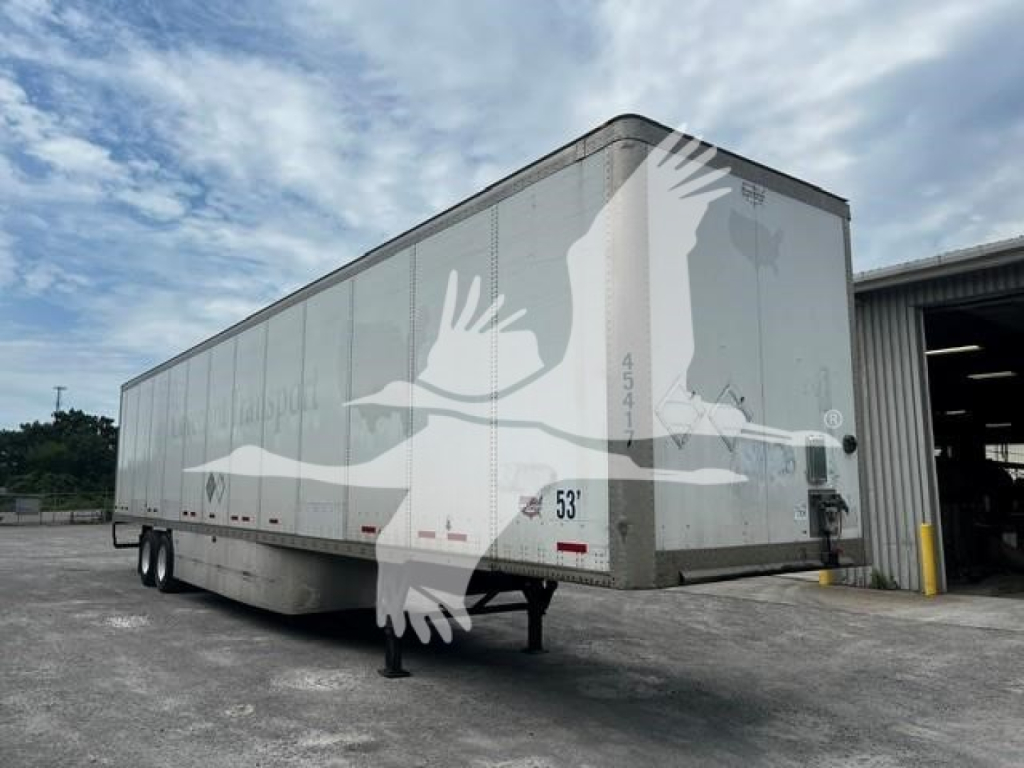
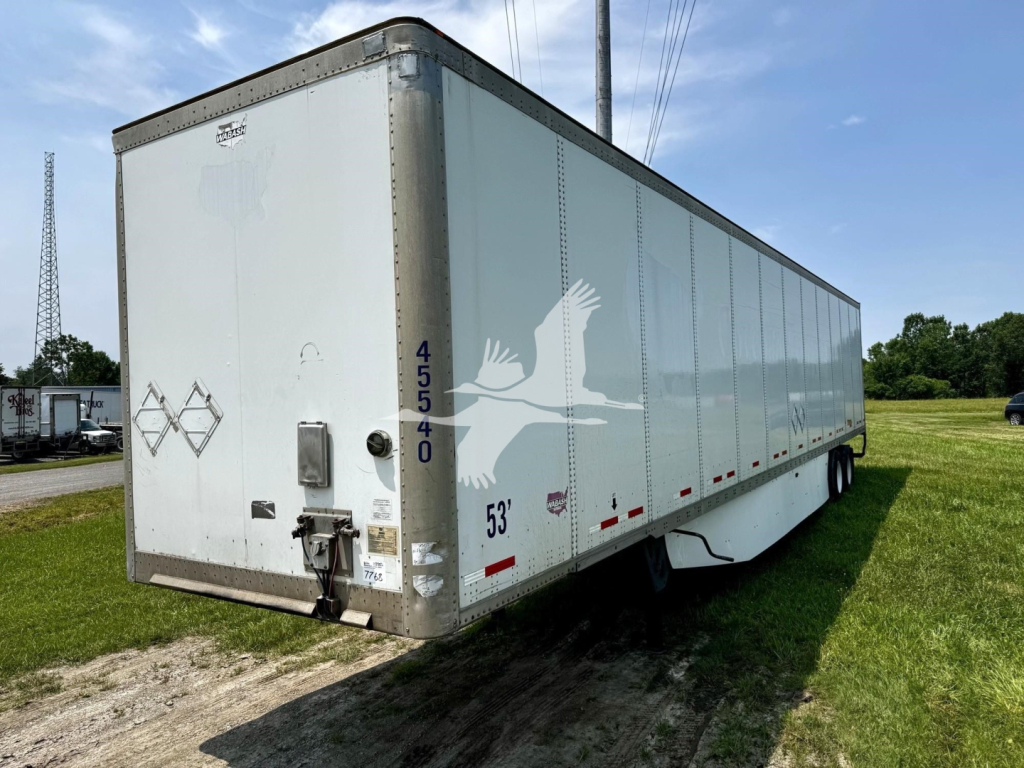
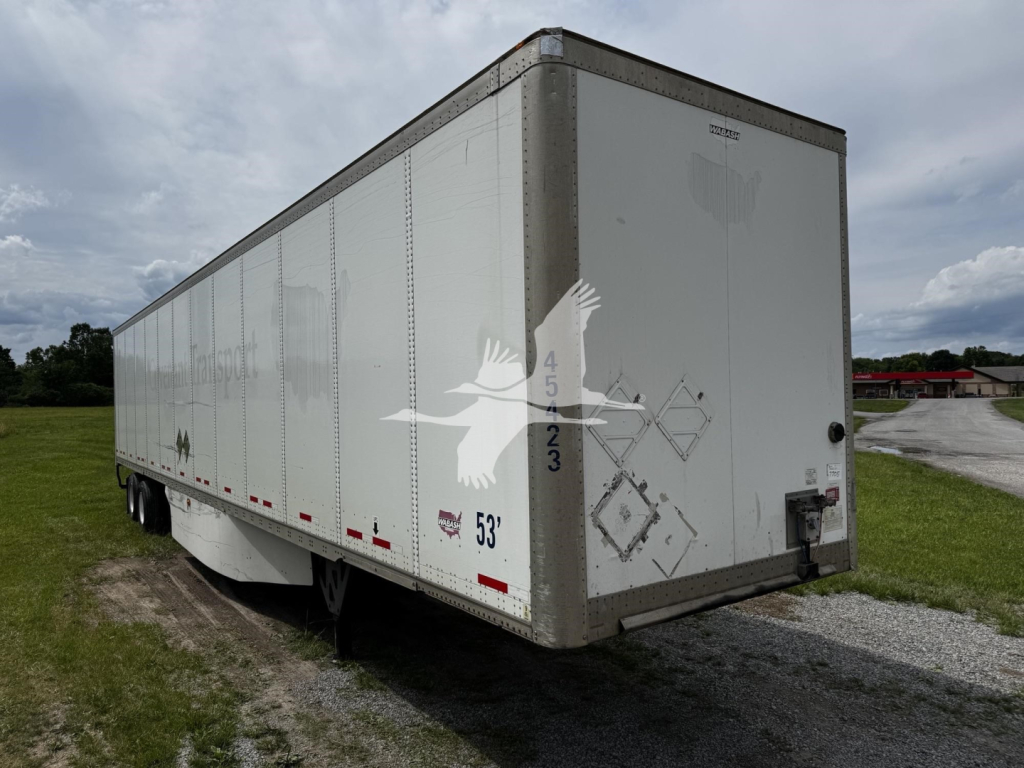
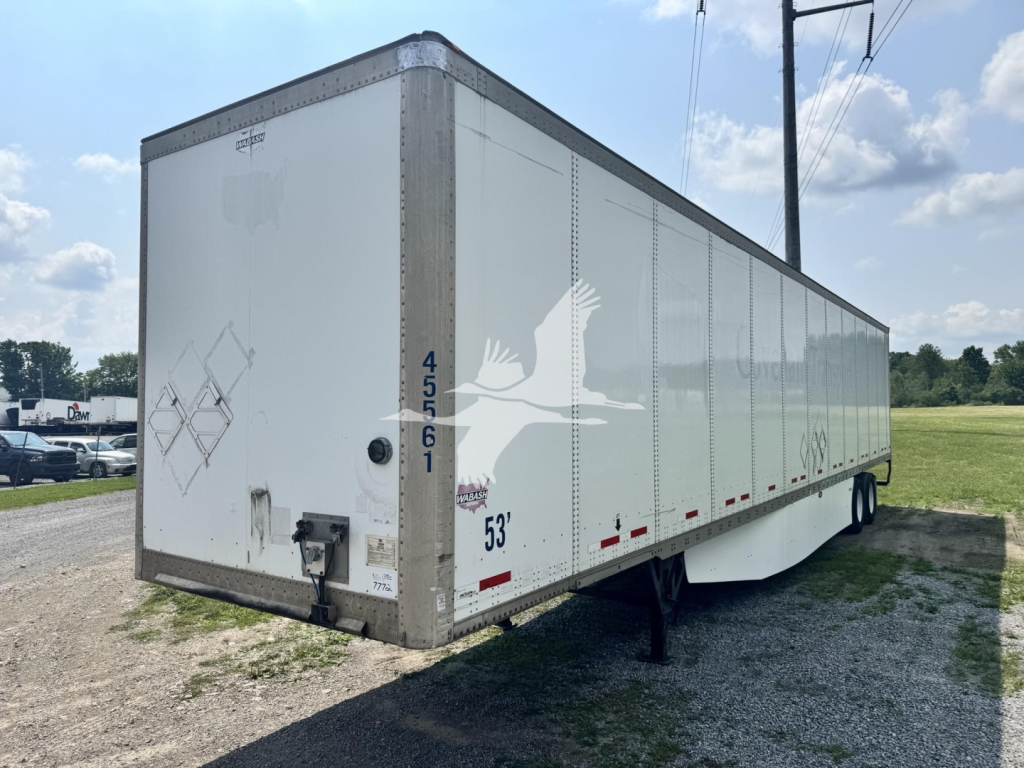
Browse 2017 Wabash trailers for sale, including 53-foot dry vans with common fleet specs like sliding tandems, swing doors, and logistic posts.
Have 2017 wabash trailer to sell? List it here to reach thousands of buyers.
2017 Wabash Trailers in Ohio
The spec details matter on a used dry van. Many 2017 Wabash trailers were ordered with logistic posts, typically on 48-inch spacing, plus steel scuff liners and side lining plates to handle forklift traffic and cargo contact. Common construction points include an aluminum roof, plywood roof lining, wood flooring, swing rear doors, galvanized rear frame components, and rubber dock bumpers. These are practical fleet specs, not flashy ones, but they directly affect service life. A wood floor should be checked for rot, delamination, and patch history. Rear frame galvanization helps with corrosion resistance, especially in Ohio and other salt-belt markets where winters are hard on trailers.
Running gear is another major decision point. A typical 2017 Wabash dry van in this class uses a tandem axle setup with spring ride suspension, steel wheels, 22.5 low-profile or 295/75R22.5 tires, a 49-inch sliding tandem, a 36-inch kingpin setting, and two-speed landing gear. That is a versatile road spec for carriers balancing bridge laws, axle spread requirements, and dock approach angles. Sliding tandems give the driver more flexibility on weight distribution and state compliance, while spring ride keeps maintenance simpler than some air ride setups. Buyers should still inspect slider rail wear, suspension hangers, brake condition, wheel-end history, and evidence of repeated dock impact around the rear sill and threshold plate.
For a buyer looking at 2017 Wabash trailers, the value is usually in finding a van with a sound body, straight frame, solid floor, and a clean maintenance record rather than chasing cosmetic appearance alone. Wabash dry vans from this model year remain a practical choice for regional freight, dedicated contract freight, warehouse distribution, and brokered spot loads. If the trailer has good door alignment, healthy crossmembers, decent tire and brake life, and no major wall or roof damage, a 2017 Wabash can still fit well into a cost-conscious fleet or owner-operator operation that needs dependable cubic capacity without stepping into a newer trailer price bracket.
Frequently Asked Questions about 2017 Wabash Trailers in Ohio
What are the most common specs on a 2017 Wabash dry van trailer?
A common 2017 Wabash dry van spec is 53 feet in length, 102 inches in width, and 13 feet 6 inches in overall height, with inside dimensions around 100 inches wide and 110 inches high. Many were built with swing doors, wood floors, aluminum roofs, logistic posts on 48-inch centers, steel scuff liners, tandem axles, spring ride suspension, a 49-inch sliding tandem, and a 36-inch kingpin setting. These are standard fleet-oriented specifications designed for general freight and dock loading.
Is a 2017 Wabash trailer a good fit for general freight hauling?
Yes. A 2017 Wabash dry van is well suited for palletized freight, retail shipments, paper products, boxed goods, and other non-temperature-sensitive cargo. The 53-foot van format offers strong cubic capacity and broad shipper acceptance. The enclosed body protects cargo from weather and theft better than open-deck equipment, which makes it a dependable option for common freight lanes and distribution work.
What should I inspect first on a used 2017 Wabash dry van?
Start with the floor, roof, rear frame, doors, and running gear. Floor condition tells you a lot about forklift use and overall abuse. Check for soft spots, broken boards, and excessive patching. Inspect the roof for leaks or repairs, and make sure the rear doors shut square and seal correctly. On the undercarriage, pay close attention to crossmembers, slider assembly wear, suspension components, brakes, tires, and wheel ends. Corrosion around the rear frame and threshold area is especially important in Midwest service regions.
Why does the sliding tandem matter on a 2017 Wabash van?
A sliding tandem gives the trailer more flexibility for axle weight distribution and compliance with state bridge rules. On a 2017 Wabash dry van, a 49-inch sliding tandem is a common configuration. It allows drivers to shift axle position to help balance heavy palletized loads, improve legal scaling, and adapt to different customer docks or route requirements. The condition of the slider rails, locking pins, and suspension attachment points should be part of any inspection.
Are spring ride 2017 Wabash trailers still a practical buy?
They can be, especially for buyers who want a simpler and often lower-cost suspension setup. Spring ride is common on fleet dry vans from this era and can be durable in regional and over-the-road service. It typically involves fewer components than air ride, which may reduce certain maintenance costs. The tradeoff is ride quality, so the right choice depends on the freight type, lane conditions, and your maintenance priorities.