
2017 Wabash Van Trailers For Sale in Ohio
Shop 2017 Wabash van trailers for sale. Compare 53-foot dry van specs, tandem settings, floor construction, and common freight features.
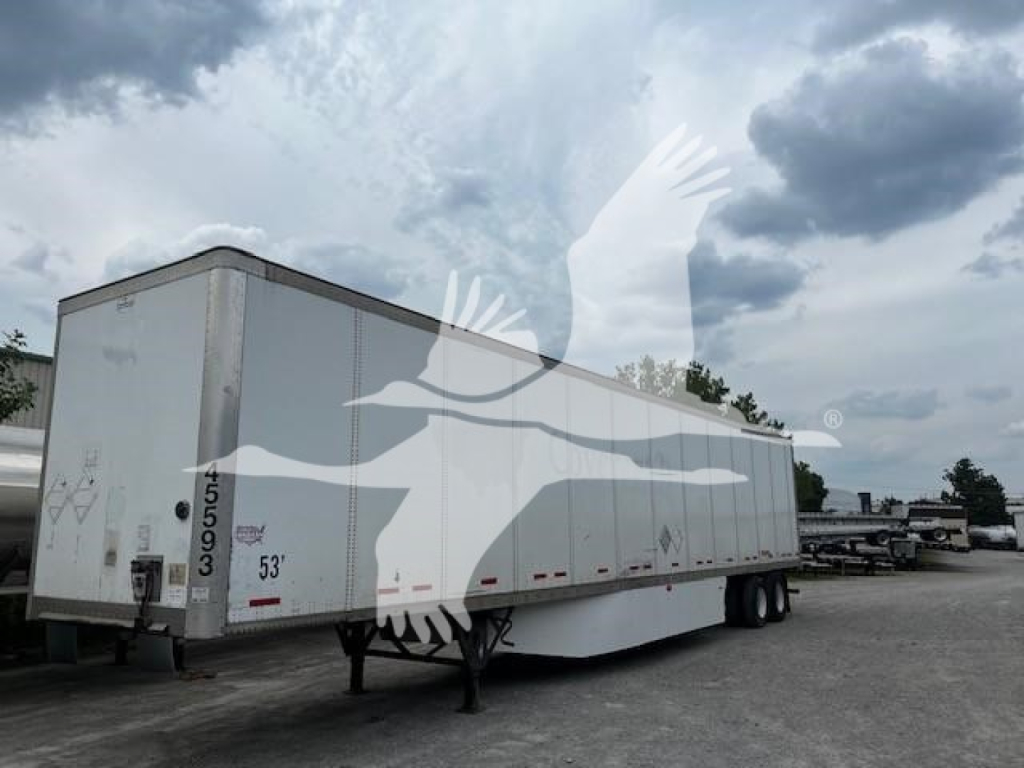
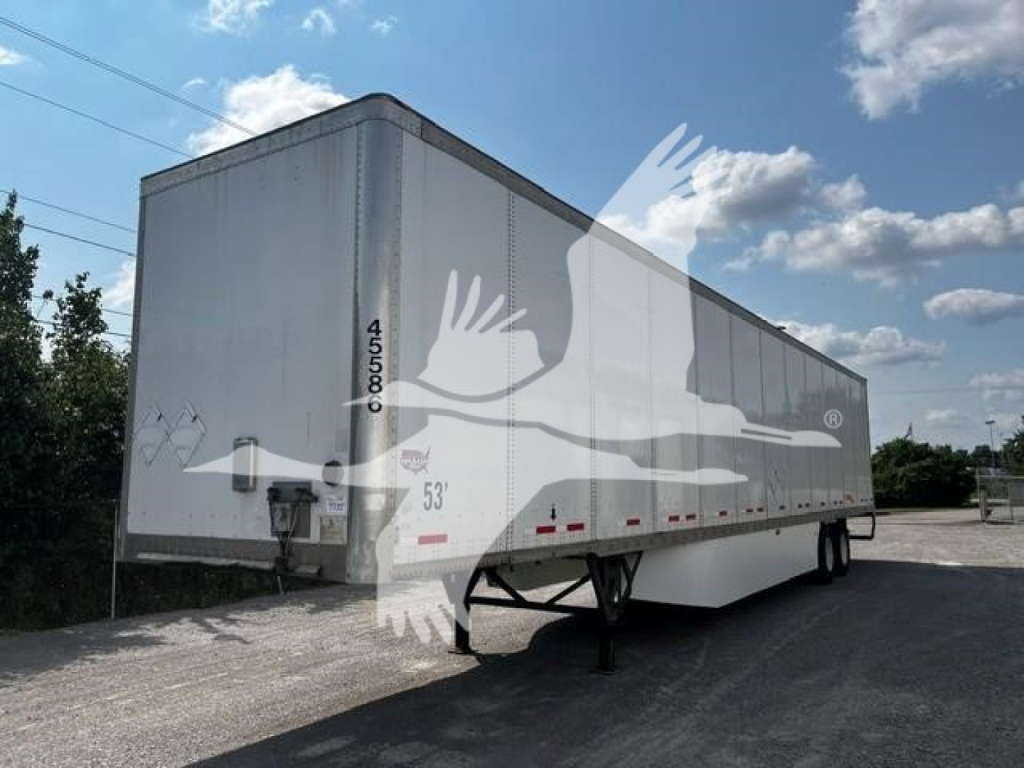
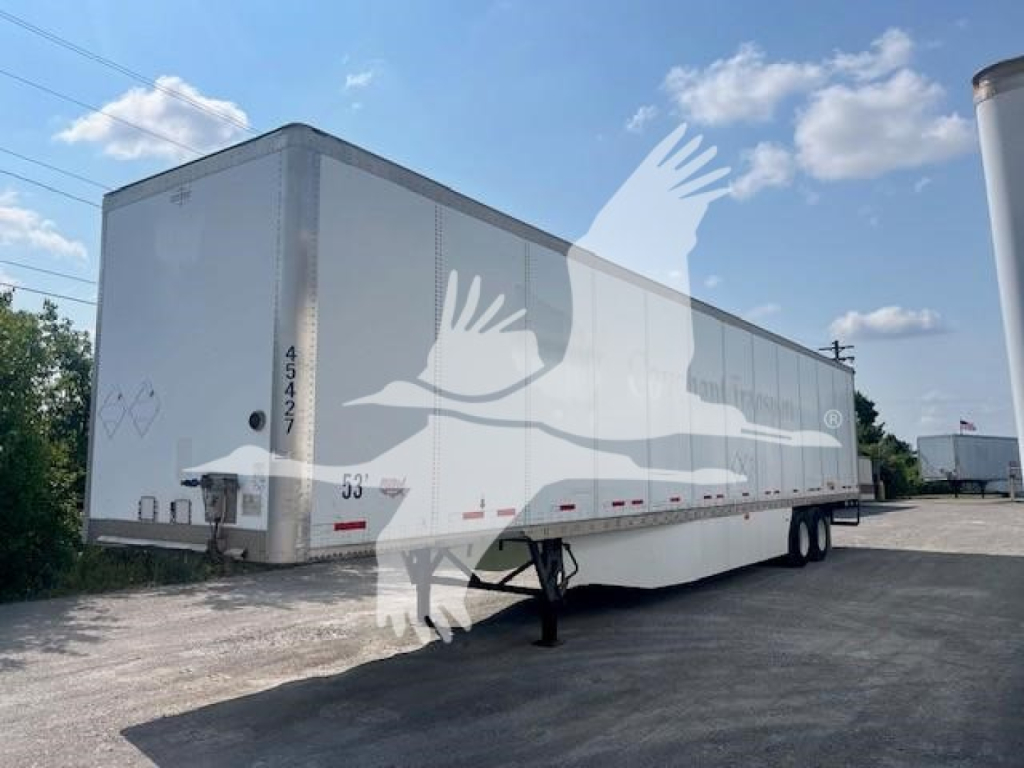
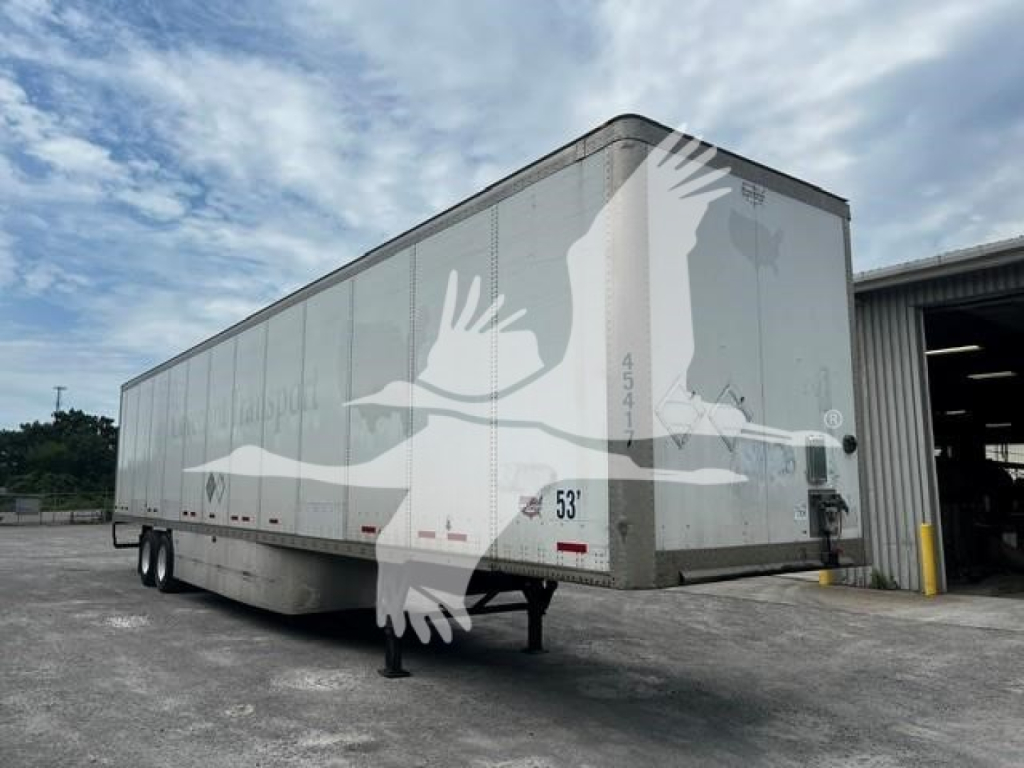
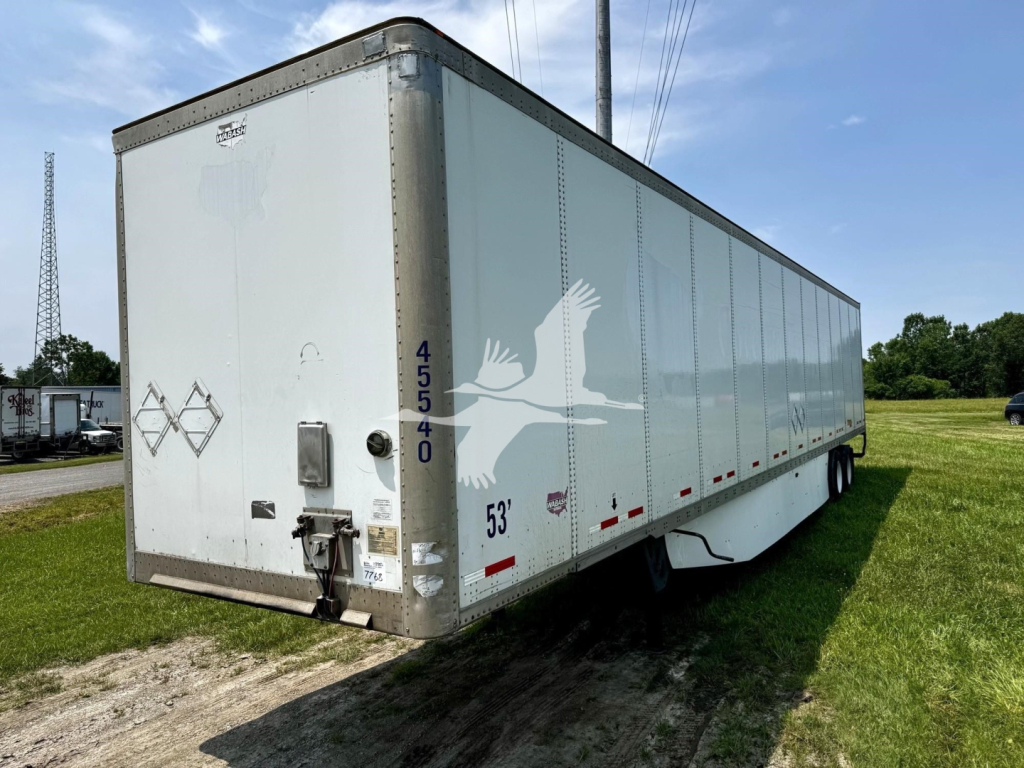
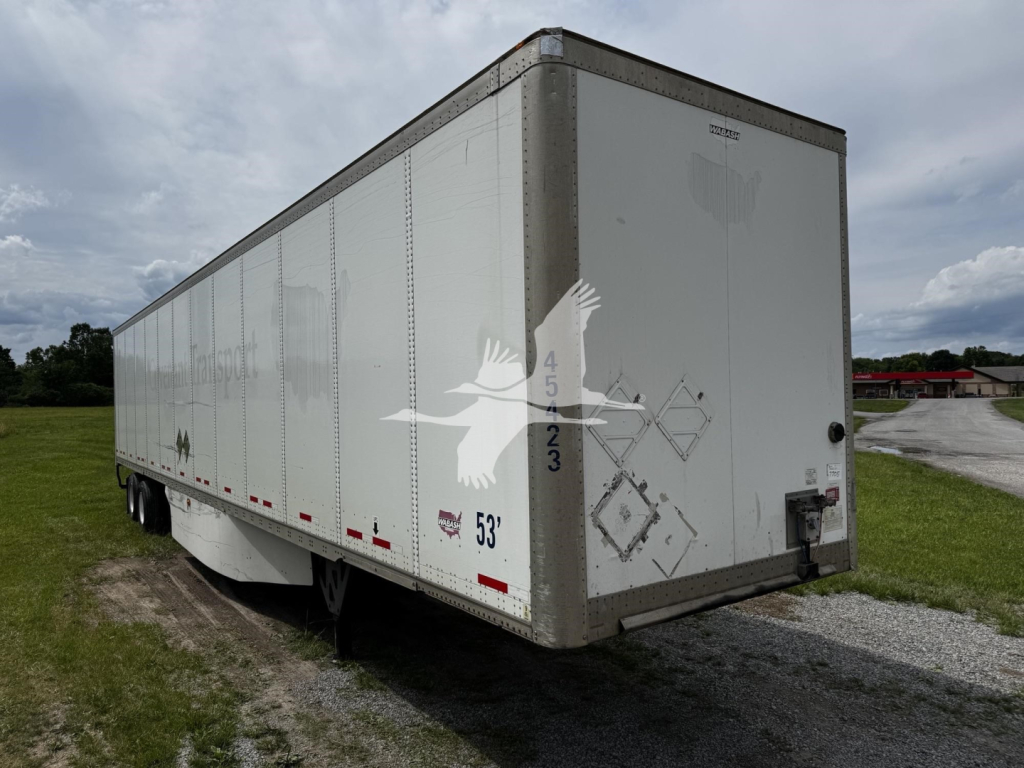
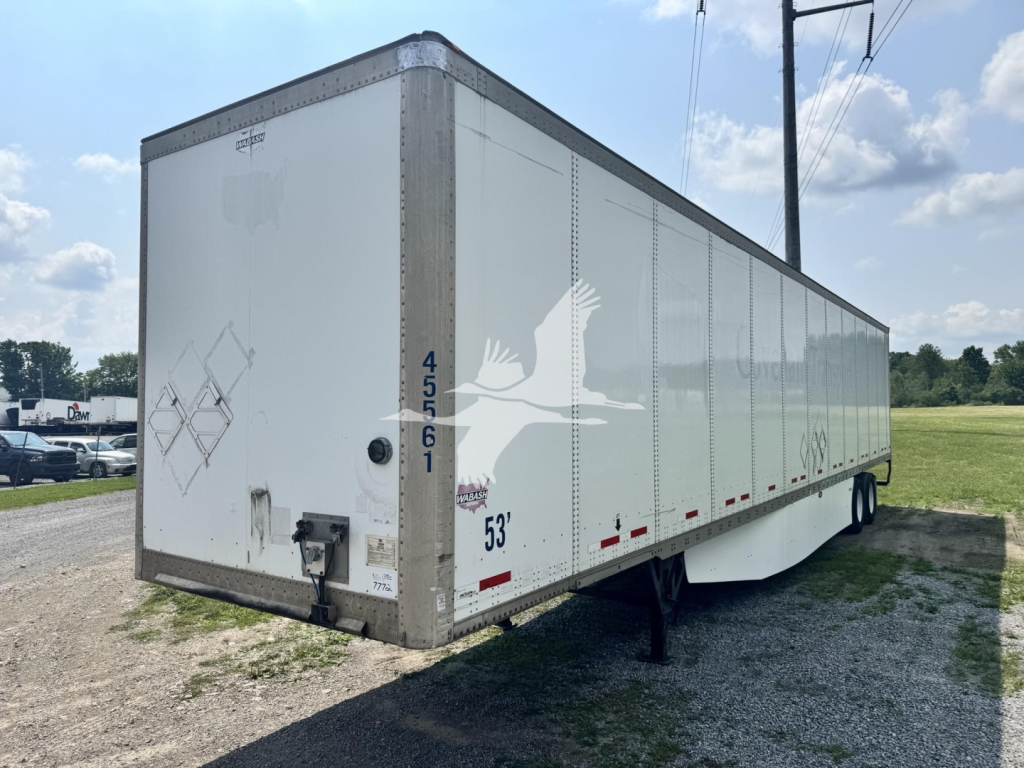
Have 2017 wabash van trailer to sell? List it here to reach thousands of buyers.
2017 Wabash Van Trailers in Ohio
The undercarriage and running gear deserve close attention because they affect both maintenance cost and lane suitability. Many 2017 Wabash van trailers use tandem axles with a 49-inch sliding tandem, a common setup for bridge law compliance and dock maneuvering. Spring ride is frequently seen on fleet-spec dry vans from this period, though some buyers may prefer air ride for more sensitive freight. Check tire size, wheel type, brake condition, and crossmember spacing, especially if the trailer will see heavy forklift traffic or dense commodity loading. A 36-inch kingpin setting and two-speed landing gear are also common on 53-foot Wabash vans and fit most standard tractor configurations.
Body construction matters just as much as suspension spec. Many Wabash vans from 2017 were built with galvanized rear frames and bumpers, aluminum roof panels, plywood roof lining, and steel threshold plates at the rear. Those details can influence corrosion resistance, dock impact durability, and long-term resale value. Inside, buyers should look at the condition of the wood floor, side scuff protection, wall lining, and rear door hardware. Post spacing, usually around 48 inches on logistics-post trailers, affects cargo control options and repair considerations. If the trailer will stay in heavy grocery, retail, or dedicated contract service, door opening height, dock bumper condition, and rear frame integrity are worth verifying up front.
For Ohio operations, a used 2017 Wabash dry van can be a practical middle-ground trailer: modern enough for mainstream fleet service, but old enough that value often depends more on maintenance history than model year alone. Dry van trailers are also commonly called enclosed van trailers or box trailers in everyday use, although dry van is the standard industry term. The right unit depends on freight profile, loading method, and maintenance standards. Buyers comparing listings should focus on floor life, roof integrity, tandem slider operation, brake and tire wear, and any recent inspection or road-ready work, since those factors usually have a bigger effect on uptime than cosmetic appearance.
Frequently Asked Questions about 2017 Wabash Van Trailers in Ohio
What are the common specs on a 2017 Wabash dry van trailer?
Most 2017 Wabash van trailers on the market are 53-foot dry vans with 102-inch overall width and 13-foot 6-inch overall height. Many have about 100 inches of inside width, around 110 inches of inside height, swing rear doors, tandem axles, a sliding tandem suspension setting, wood floors, aluminum roofs, and steel scuff liners. Exact specs vary by original fleet order, so buyers should confirm kingpin setting, suspension type, rear door style, and floor condition on each trailer.
Is spring ride or air ride better on a van trailer?
Spring ride is common on fleet dry vans because it is simple, durable, and generally less expensive to maintain. Air ride can offer better cargo protection for sensitive freight and may be preferred in certain dedicated applications. The better choice depends on freight type, lane conditions, and maintenance priorities. For general dry freight, a well-maintained spring ride trailer is often a practical and cost-effective option.
What should I inspect first on a used 2017 Wabash van trailer?
Start with the floor, roof, rear frame, and tandem slider because those areas have the biggest impact on structural condition and repair cost. Then check brake wear, tire condition, door seals, hinges, threshold plate, landing gear, and crossmembers. On a dry van, signs of forklift floor damage, water intrusion, rear impact damage, or slider rail wear can matter more than cosmetic sidewall appearance. A current inspection and a close look underneath the trailer can reveal a lot about its true condition.
Are 2017 Wabash van trailers good for general freight service?
Yes. A 2017 Wabash dry van is well suited for palletized freight, retail loads, consumer goods, paper products, packaged materials, and many standard over-the-road lanes. The typical 53-foot configuration gives strong cube capacity and broad shipper acceptance at loading docks. Suitability depends on actual trailer condition, but this model year and brand are widely used in mainstream freight service.
Why does the sliding tandem setting matter on a 53-foot van trailer?
The sliding tandem affects axle weight distribution, bridge law compliance, and maneuverability at docks and in tight yards. A common 49-inch sliding tandem setup gives flexibility to adjust the axle position based on load and jurisdiction. Buyers should make sure the slider pins engage properly, the rails are not excessively worn, and the tandem can move as intended, since a damaged slider can create both operational and compliance problems.