
Used 2017 Vanguard Trailers For Sale
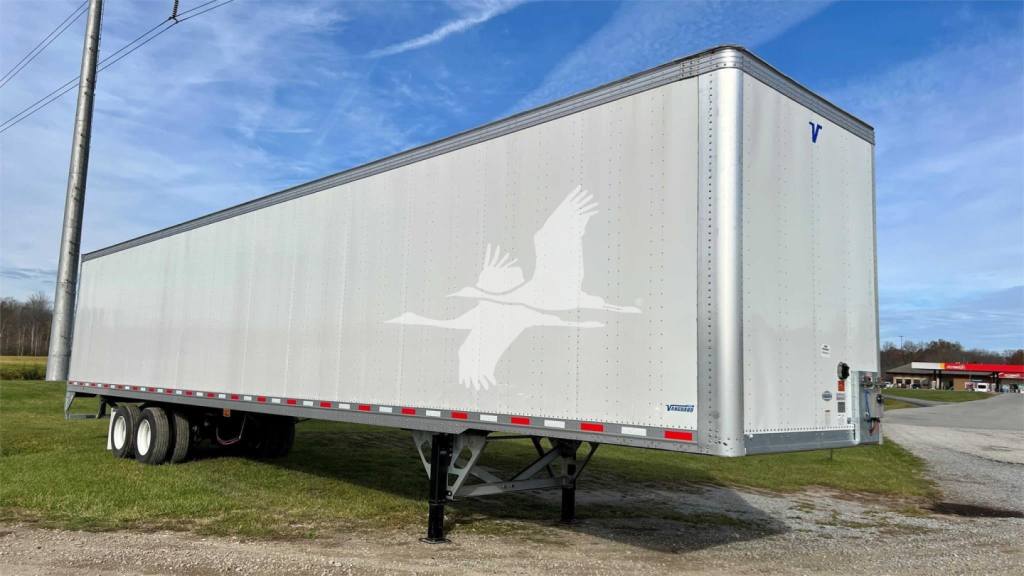
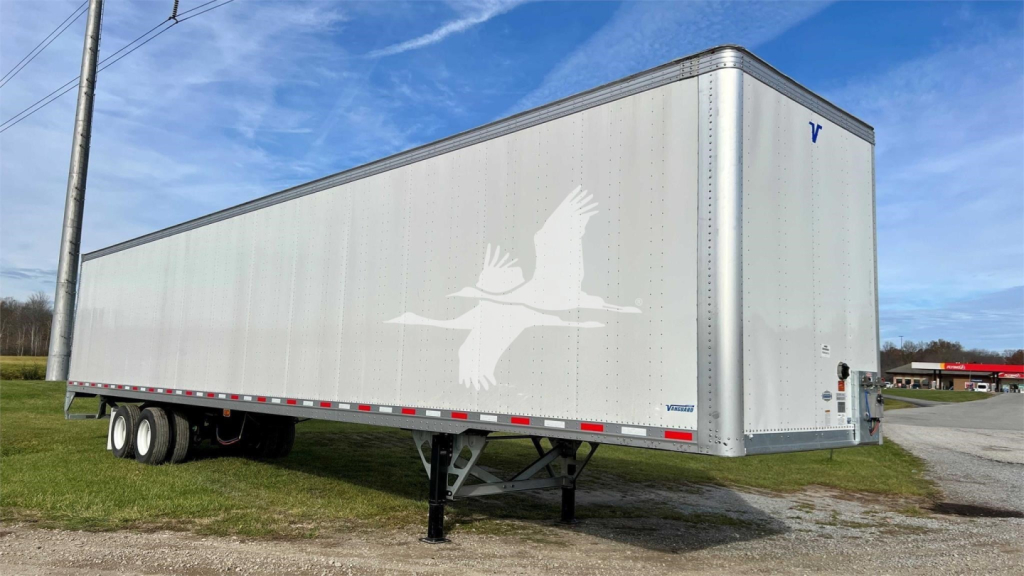
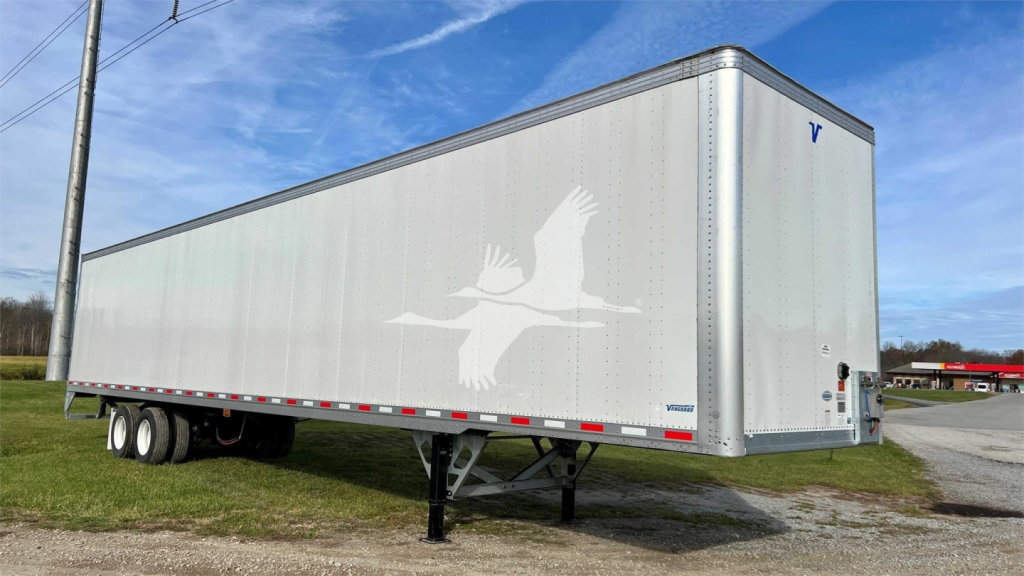
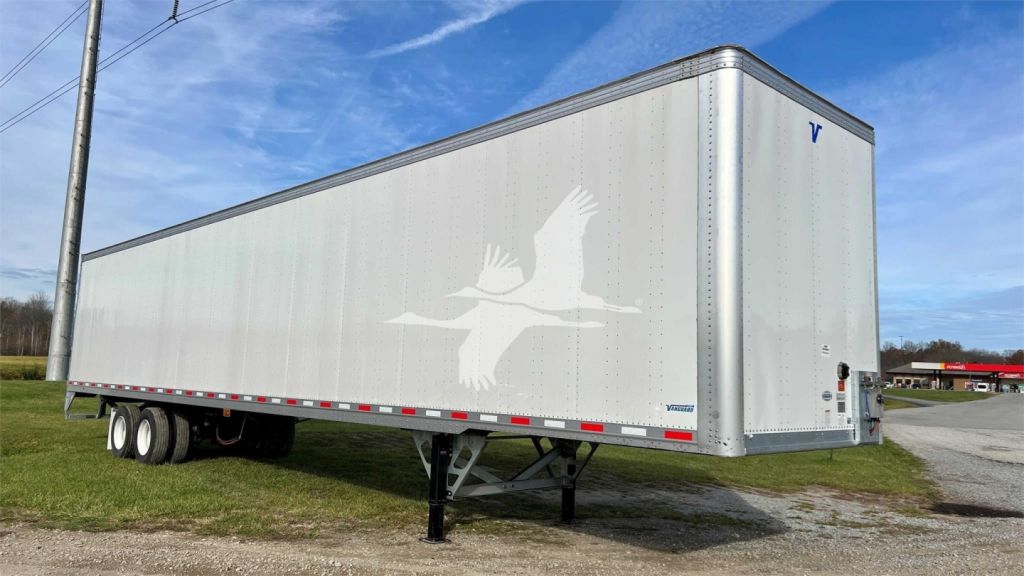
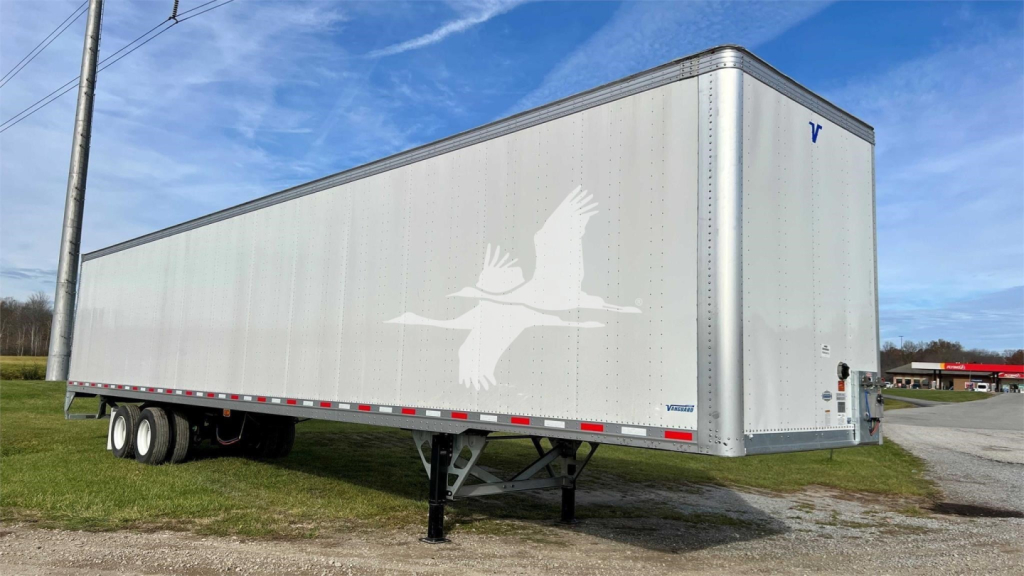
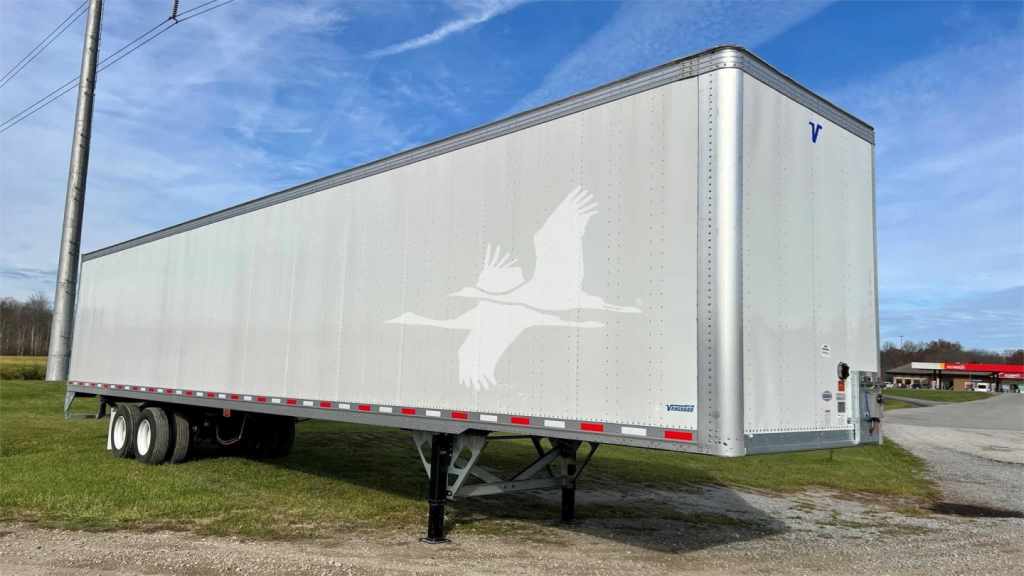
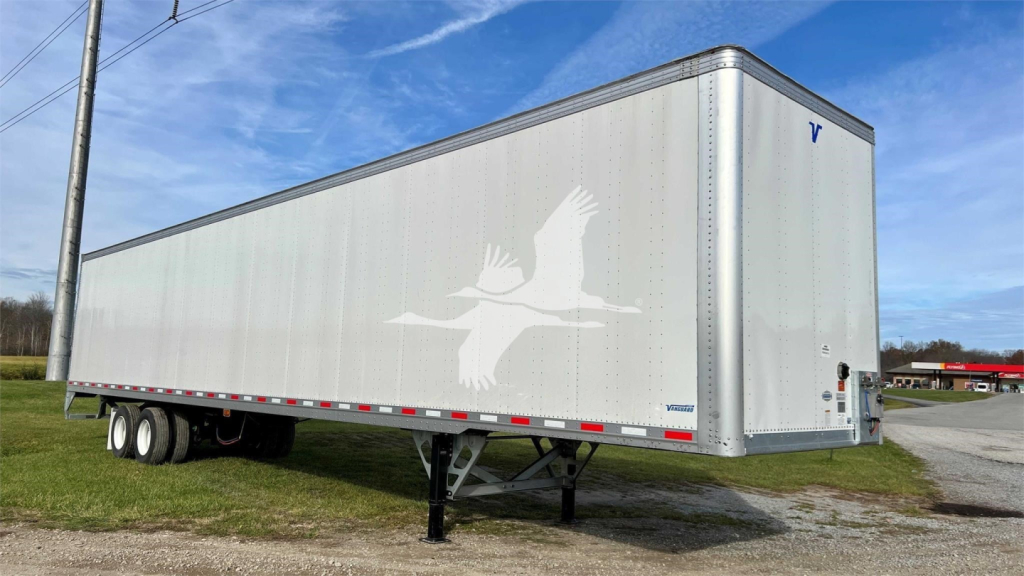
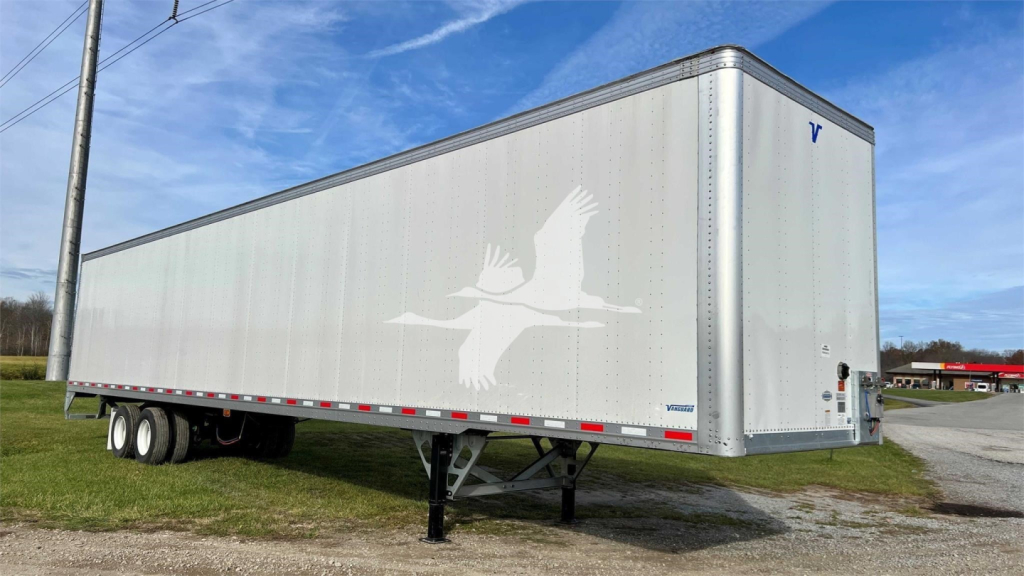
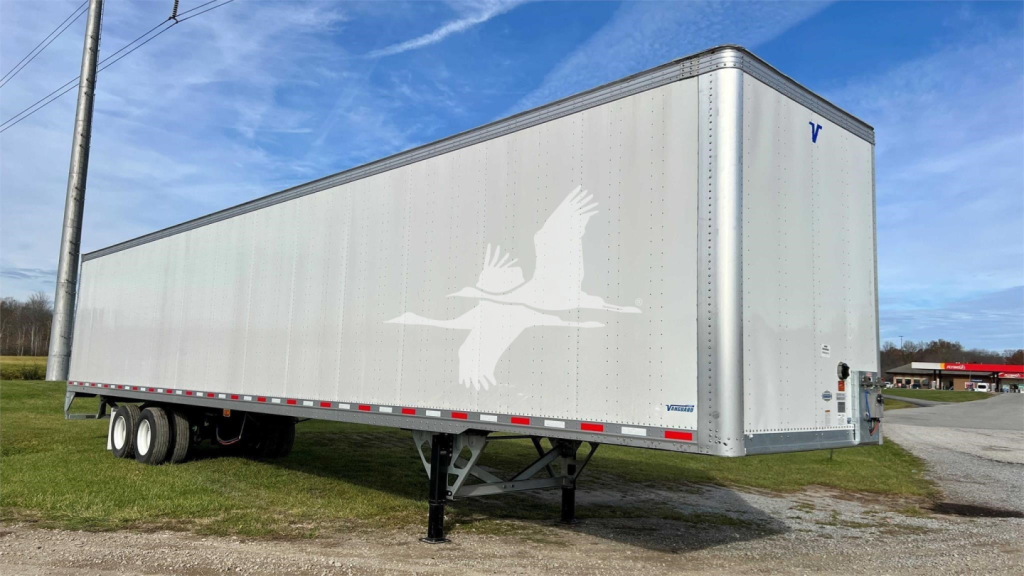
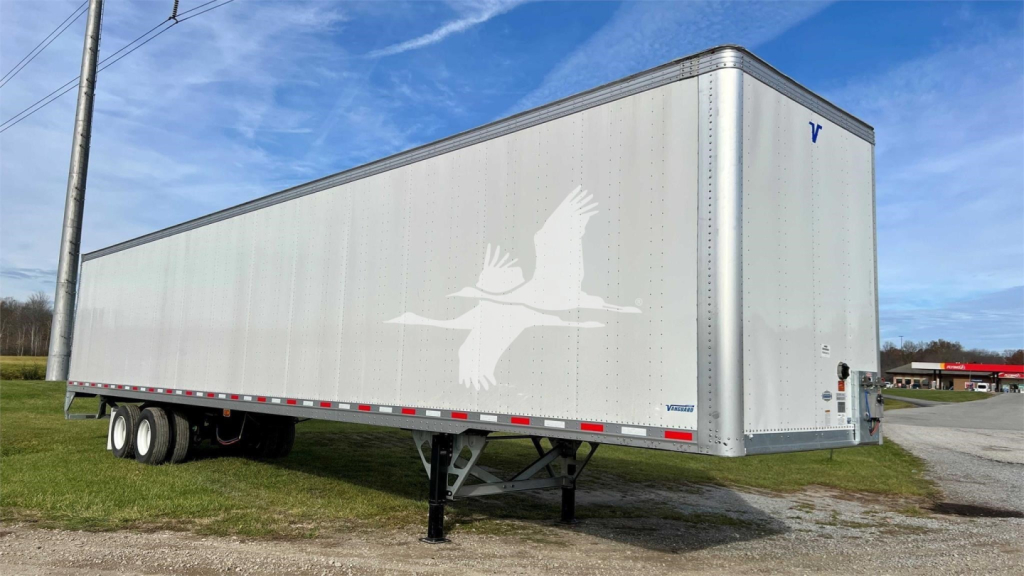
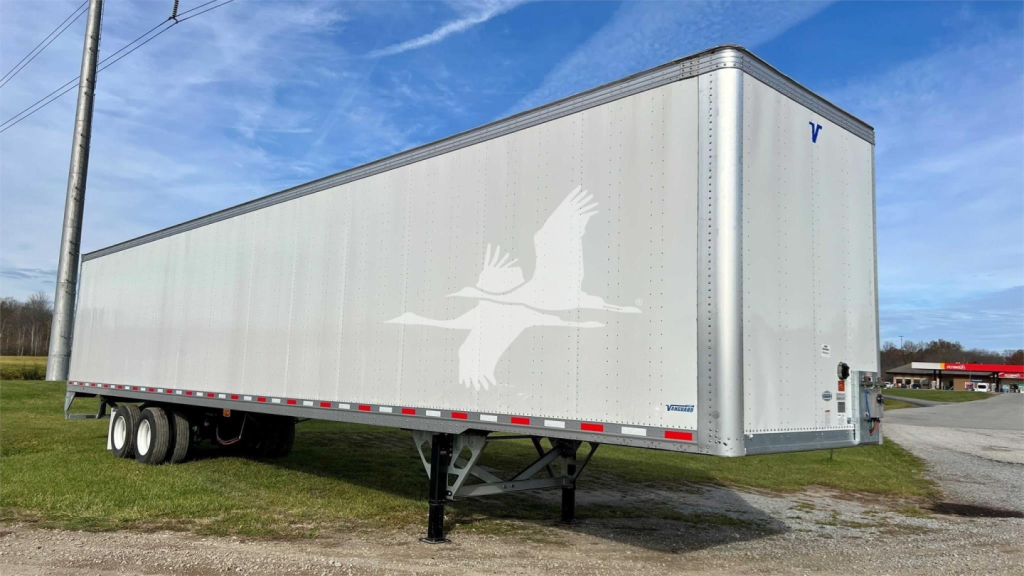
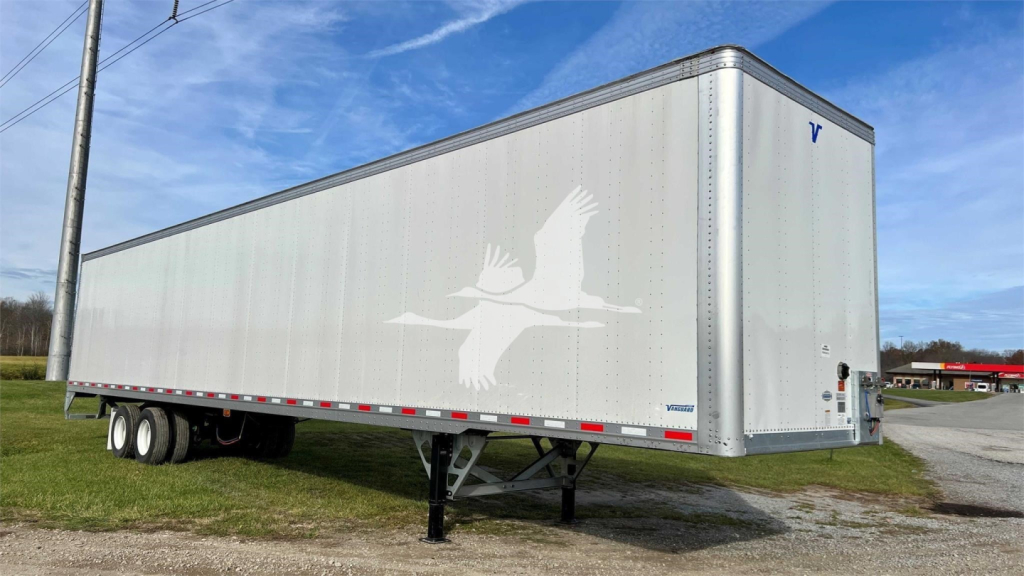
Browse used 2017 Vanguard trailers for sale, including dry van models known for lightweight construction, cargo protection, and fleet-friendly specs.
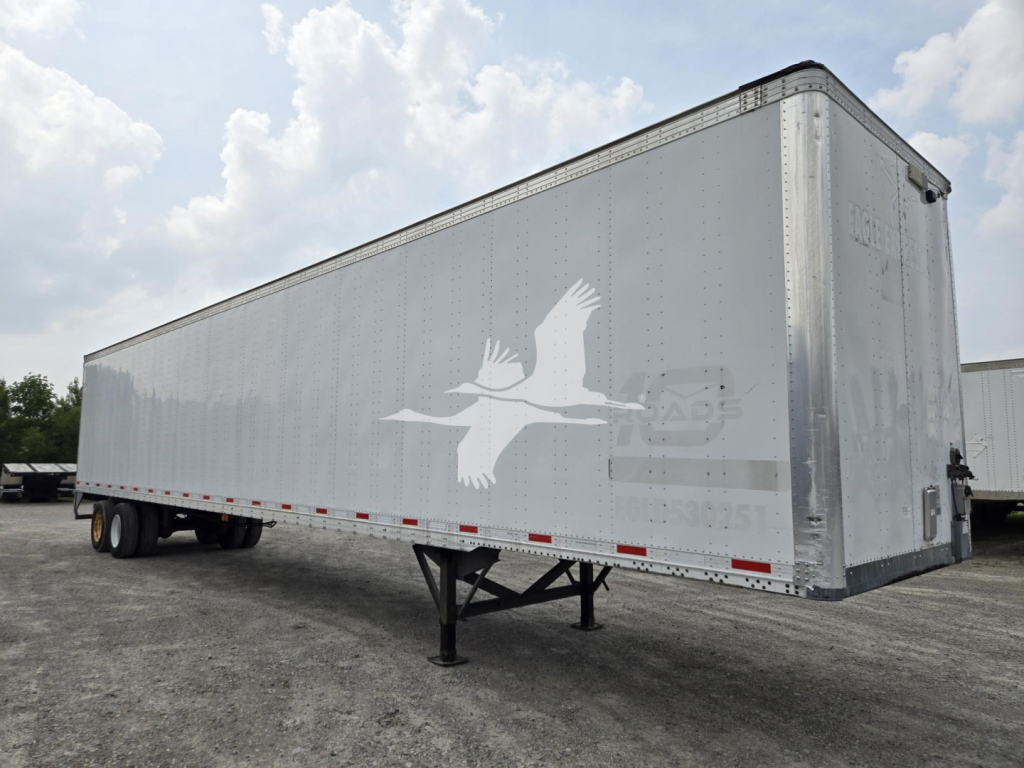
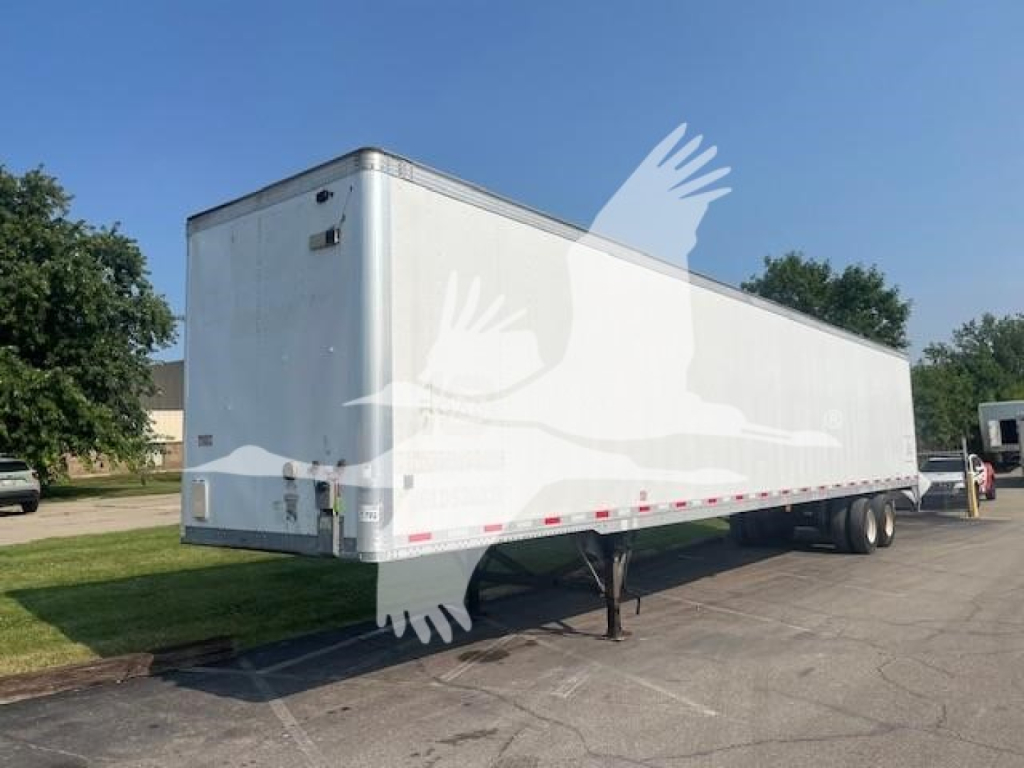
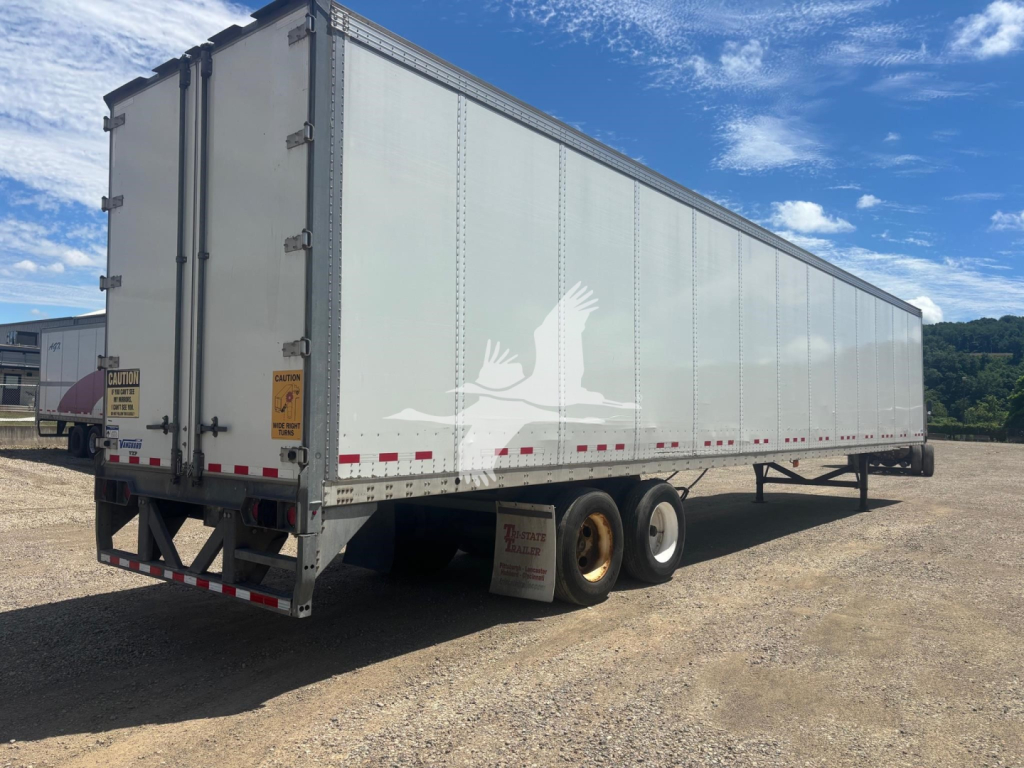
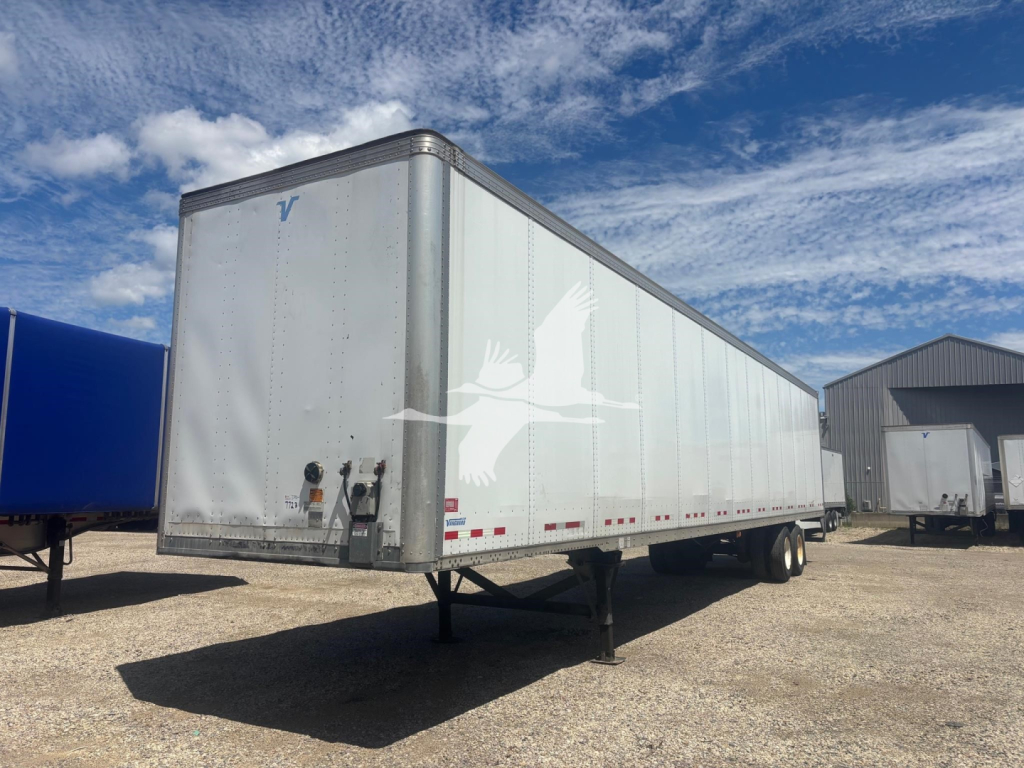
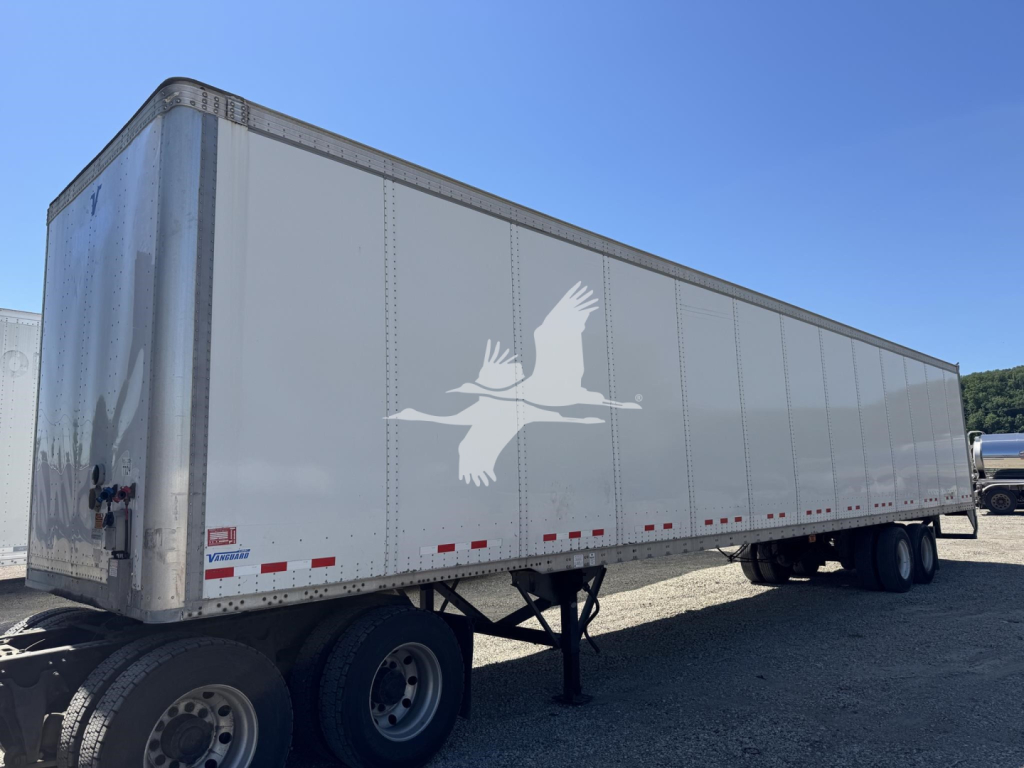
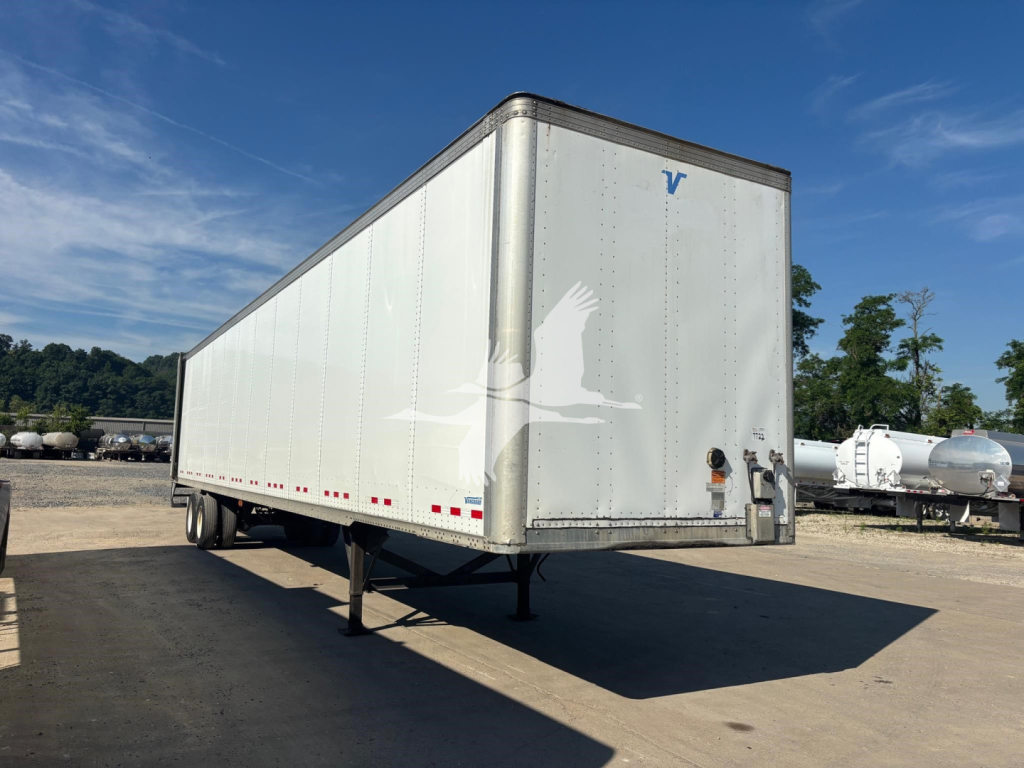
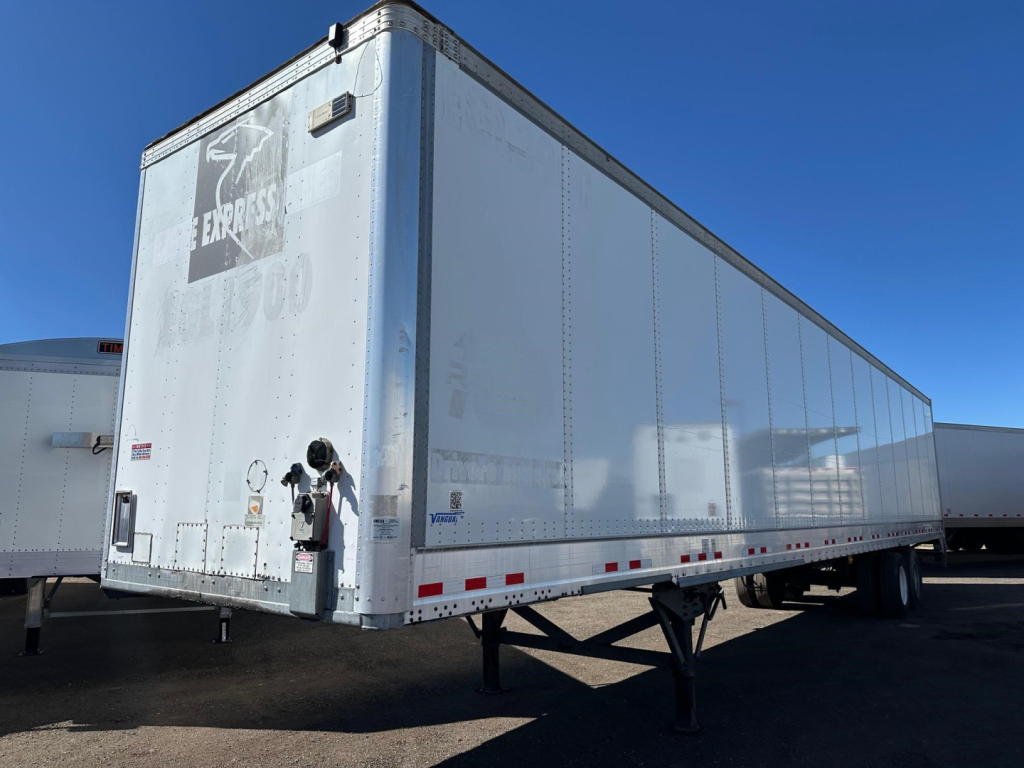
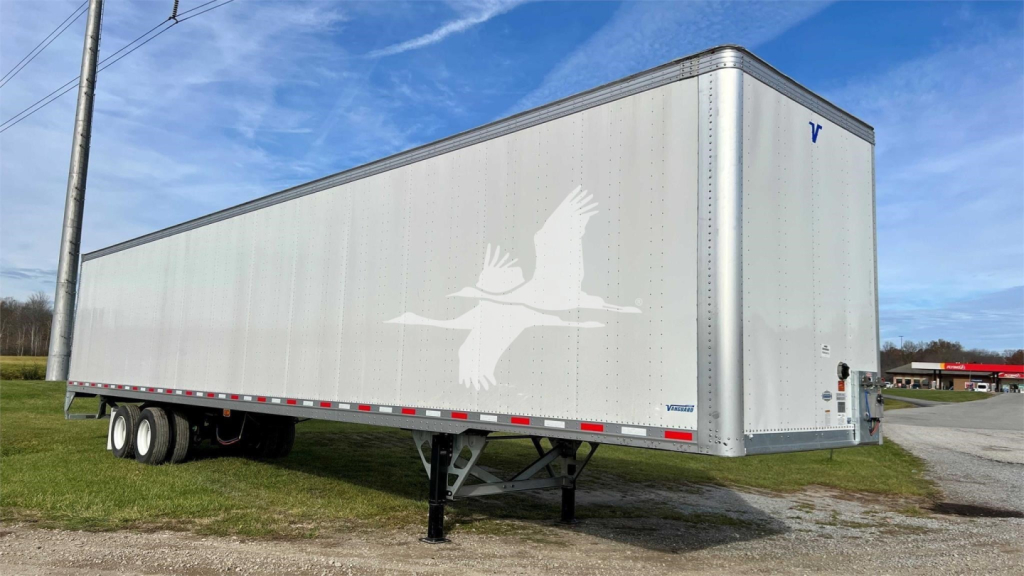
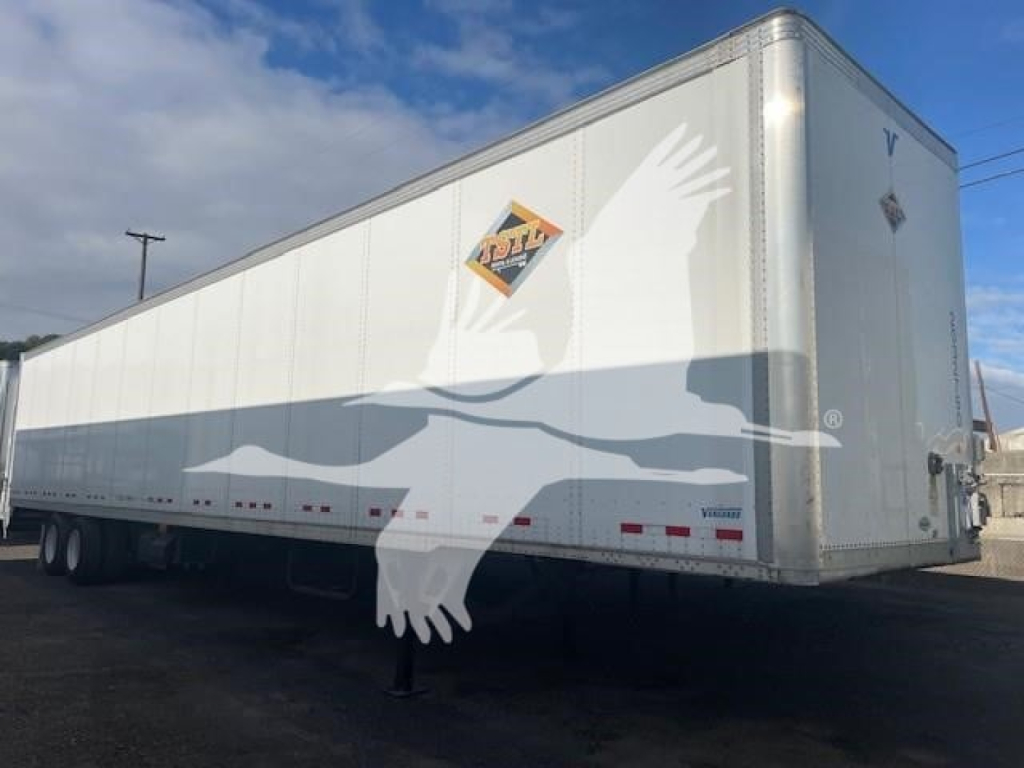
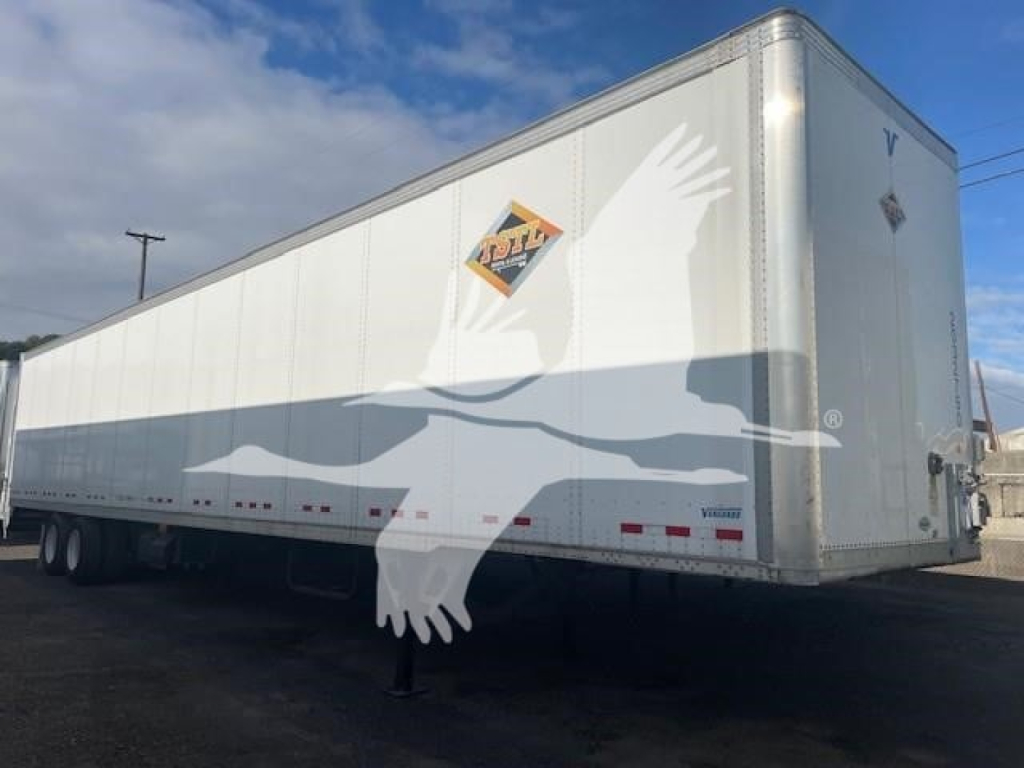
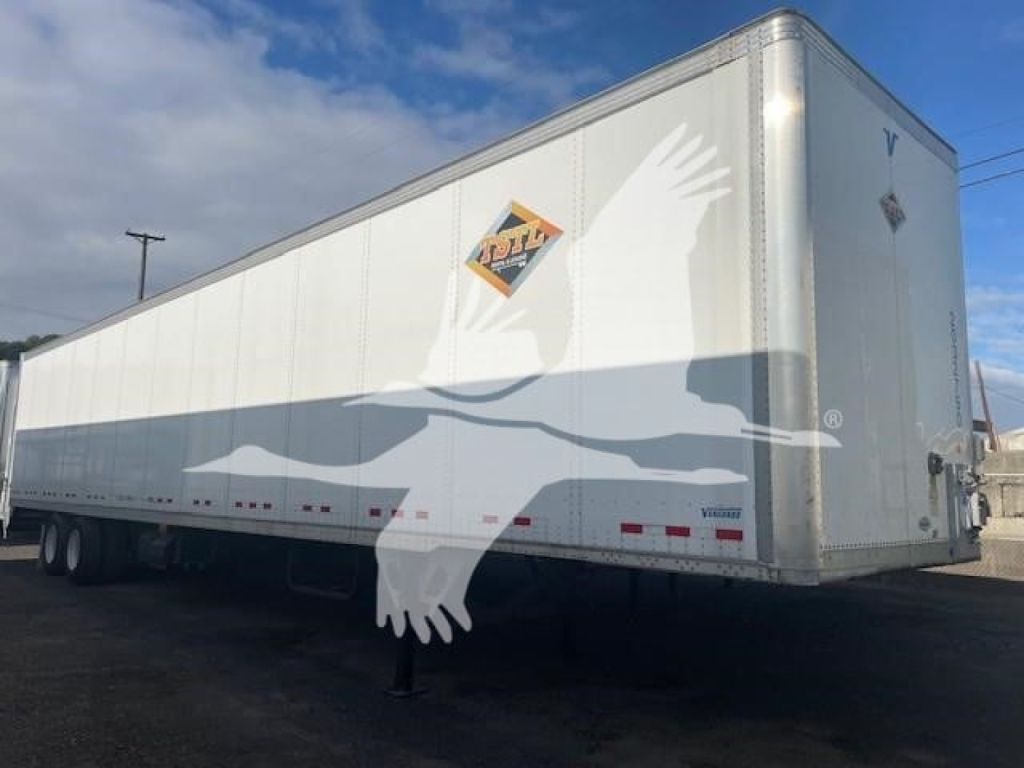
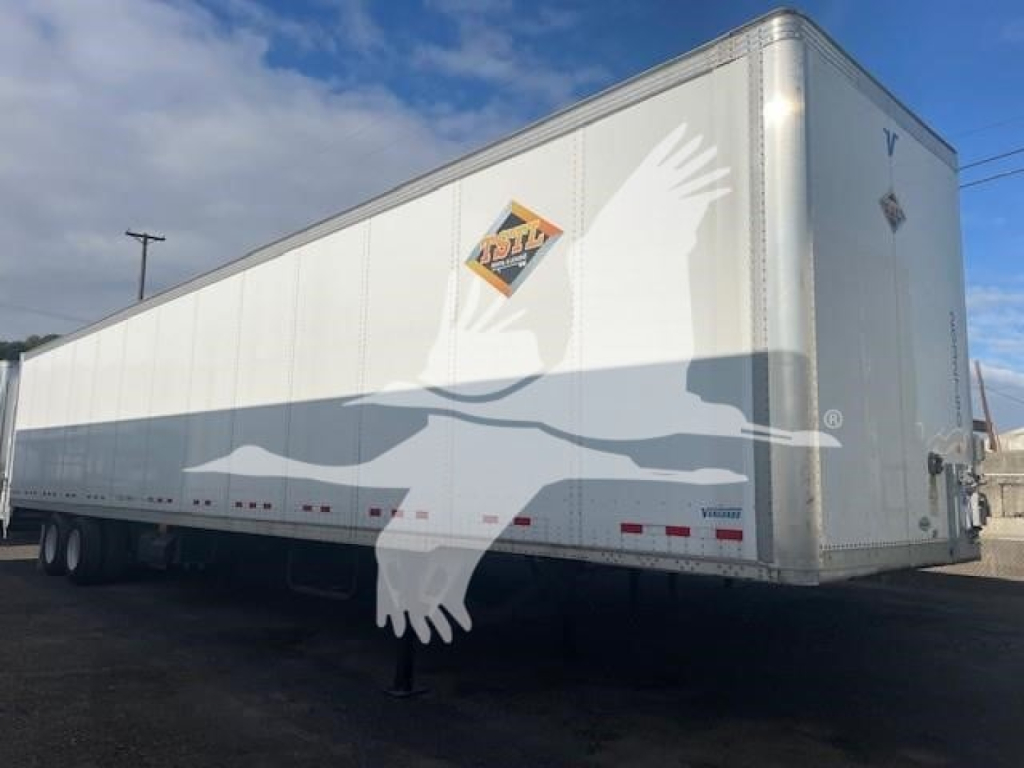
Showing 1 to 24 of 48 results
Have used 2017 vanguard trailer to sell? List it here to reach thousands of buyers.
Used 2017 Vanguard Trailers
For a 2017 model year, pay close attention to how the trailer was spec'd and how it was used. Linehaul and fleet-maintained units may have tire inflation systems, air lift front axles, undertray storage, disc or steel wheels, and logistics features such as E-track or logistics posts. A trailer that spent its life in high-cube freight may have a different interior height and door opening than one built for standard dry freight. Buyers should also inspect the threshold plate, rear sill, hinges, ICC bumper, landing gear bracing, and tandem slide rail wear. On a van trailer, those areas often show the real story on dock impact, forklift traffic, and overall abuse.
Vanguard trailers from this era are popular because they are straightforward to maintain and easy to match with standard fleet operations. Aluminum roof construction, galvanized rear frame components on some specs, and practical interior packages help reduce downtime and keep repair decisions simple. If your operation is sensitive to axle scaling, kingpin setting and tandem range matter as much as the empty weight. If your freight shifts or damages walls, plywood lining, composite plate sides, scuff liners, and bulkhead reinforcement become more important than a low tare number alone.
The best used 2017 Vanguard trailer is the one that matches your freight profile and loading environment. A grocery, package, or LTL operation may prioritize swing characteristics, interior logistics setup, and suspension condition. A long-haul dry freight buyer may care more about aerodynamics, tire wear pattern, brake spec, and water tightness. Before purchase, check for roof repairs, sidewall delamination or punctures, floor rot around the rear, brake and bushing wear, and signs of uneven tandem alignment. On this category, structural condition and prior maintenance history usually matter more than optional trim.
Frequently Asked Questions about Used 2017 Vanguard Trailers
What are the most common specs on a used 2017 Vanguard trailer?
Most used 2017 Vanguard trailers on the market are 53-foot dry vans with 102-inch exterior width, tandem axles, air ride suspension, sliding tandems, and wood floors. Many also include plywood or composite interior lining, scuff plates or scuff liners, roll-up or swing doors, and 22.5-inch wheels and tires. Exact specs vary by fleet and application, so interior height, door opening, kingpin setting, and cargo control equipment should always be confirmed.
Is a 2017 Vanguard trailer a good choice for general dry freight?
Yes. A 2017 Vanguard dry van is a practical choice for general freight if the trailer has been maintained well and the structure is still sound. These trailers are commonly used for retail freight, palletized goods, parcel, and dedicated contract hauling. Buyers should evaluate floor condition, roof integrity, rear frame damage, tandem wear, brake system condition, and signs of water intrusion before deciding on value.
What should I inspect first on a used Vanguard van trailer?
Start with the floor, roof, rear frame, and tandem suspension. The floor shows forklift wear and possible rot, especially near the rear. The roof and upper rails can reveal prior leaks or patch work. The rear frame, threshold plate, door hardware, and ICC bumper often show the effects of repeated dock impact. The tandem assembly, slide rails, bushings, tires, and brakes help determine how much immediate maintenance the trailer may need.
Do 2017 Vanguard trailers usually have fleet-friendly features?
Many do. Depending on the original buyer, a used 2017 Vanguard trailer may include tire inflation systems, air lift front axles, undertray storage, E-track, logistics posts, scuff protection, and air ride suspension from major suppliers. Those features can improve cargo control, reduce tire-related downtime, and make the trailer easier to integrate into an existing fleet maintenance program. The value of those options depends on your freight type and how standardized your operation needs to be.