
Used 2013 Vanguard Trailers For Sale
Browse used 2013 Vanguard trailers including dry van and reefer models. Compare specs, body construction, suspension, and operating features.
Learn more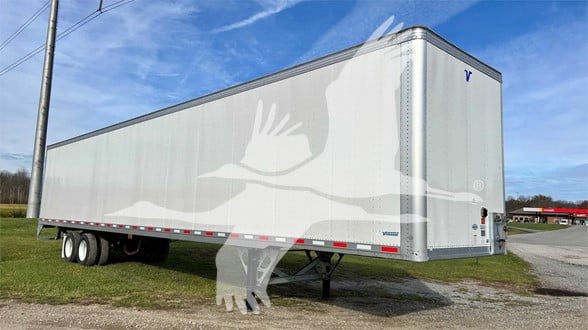
Showing 25 to 26 of 26 results
Have used 2013 vanguard trailer to sell? List it here to reach thousands of buyers.
About Used 2013 Vanguard Trailers
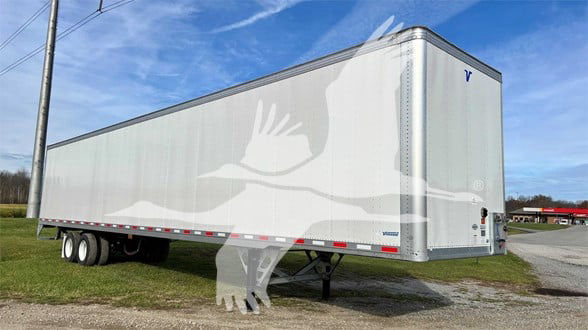
For dry van buyers, many Vanguard trailers from this era were spec'd with 53-foot by 102-inch bodies, plywood lining, hardwood or wood floors, scuff liners, threshold plates, roll-up doors, and air ride suspension. These details matter because they directly affect freight versatility and long-term maintenance cost. A van with clean wall liners, solid crossmembers, and a floor that is not soft at the rear or around forklift traffic zones will generally be more attractive than one with cosmetic shine but heavy structural wear. Roll-up doors are common in multi-stop operations, while swing doors may appeal to shippers looking for full rear opening clearance. Sliding tandems are also important if the trailer will run in states with strict bridge-law considerations or in dense warehouse networks where axle positioning matters.
On the reefer side, a used 2013 Vanguard trailer should be judged as both a trailer and a refrigeration platform. Buyers need to inspect the reefer unit hours, evaporator and condenser condition, duct floor integrity, door seals, insulation performance, and the condition of the front wall and chute areas. Stainless rear frames, stainless door hardware, and aluminum duct floors can be strong value points if they have been maintained well. If the trailer will haul frozen or temperature-sensitive freight, interior cleanliness, odor retention, and evidence of washout corrosion deserve close attention. Reefer buyers should also confirm unit brand support in their region, since service access and parts availability can matter as much as the trailer purchase price.
A used 2013 Vanguard trailer can still be a productive fleet asset when the spec matches the lane and the condition is right. The best comparisons are not just year to year, but trailer to trailer based on suspension type, tire and wheel package, brake setup, floor life, body repairs, and maintenance history. Dry van operators may prioritize cube, light tare weight, and cargo securement options like E-track or logistics posts. Reefer operators may prioritize fuel efficiency, unit reliability, and insulation performance. In both cases, buyers should pay close attention to roof repairs, rear frame corrosion, kingpin area condition, tandem wear, and signs of repeated dock impact, since those areas often separate a sound used trailer from one that will need immediate shop time.
Frequently Asked Questions
What should I look at first on a used 2013 Vanguard trailer?
Start with the trailer type and structural condition. On a dry van, inspect the floor, crossmembers, sidewalls, roof, rear frame, and door operation. On a reefer, add the refrigeration unit, hours, duct floor, insulation condition, and door seals. Also check the kingpin area, tandem slide, suspension, brakes, and tires because those components can quickly change the true cost of ownership.
Are 2013 Vanguard trailers commonly available as both dry vans and reefers?
Yes. Vanguard has been widely used in both dry van and refrigerated applications. Dry vans are common in general freight, retail, and dedicated contract carriage, while reefers are often found in foodservice, grocery, and cold-chain lanes. The specific spec can vary a lot, so buyers should compare body dimensions, inside height, door configuration, suspension, and cargo control equipment rather than relying on year alone.
Is an air ride suspension important on a used Vanguard trailer?
For many operations, yes. Air ride suspension helps protect cargo, improves ride quality, and is common on fleet-spec highway trailers. It is especially desirable for fragile freight, high-cube retail loads, and temperature-sensitive reefer cargo. The system should still be inspected carefully for air leaks, bushing wear, ride height issues, and general suspension condition.
What features add value on a used 2013 Vanguard dry van?
Useful value-driving features include a clean wood floor, intact scuff liners, E-track or logistics posts, roll-up or swing doors in good condition, a functioning sliding tandem, tire inflation systems, aerodynamic side skirts, and corrosion-resistant rear frame components. The best value usually comes from a trailer with strong maintenance history and limited structural damage rather than one with the longest option list.
What matters most on a used 2013 Vanguard reefer trailer?
The refrigeration unit condition is critical, but it is not the only factor. Buyers should also evaluate insulation integrity, duct floor condition, interior washability, odor retention, door seal performance, and evidence of prior temperature-control issues. A reefer with a sound body and poor unit history can be just as risky as a good unit mounted on a trailer with hidden floor or wall problems.