
Used 2012 Vanguard Trailers For Sale in Pennsylvania
Browse used 2012 Vanguard trailers for sale in Pennsylvania, including dry van and reefer specs, common features, and buying tips.
Learn more
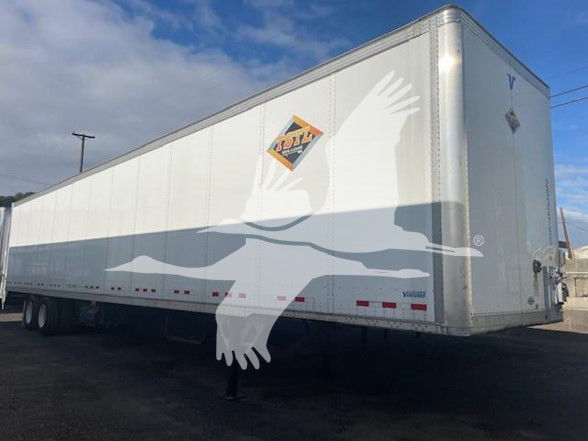
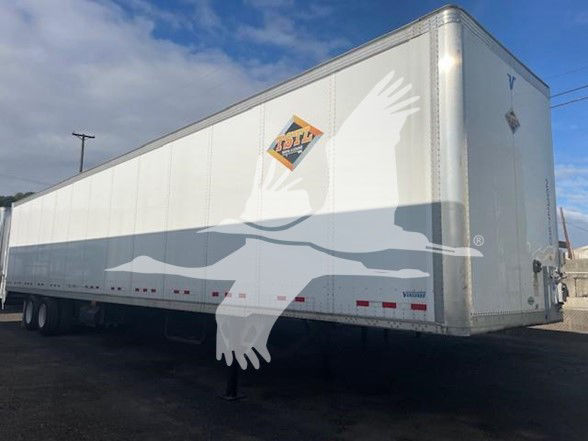
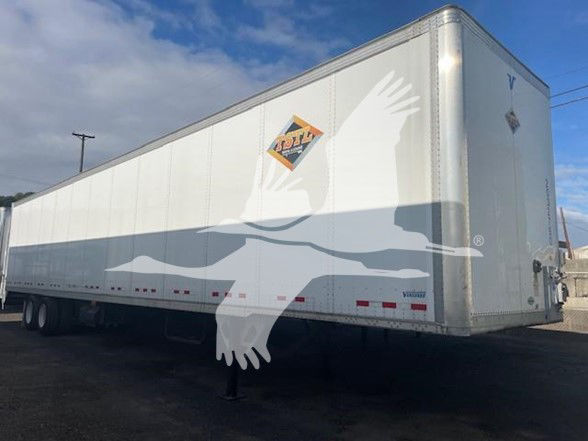
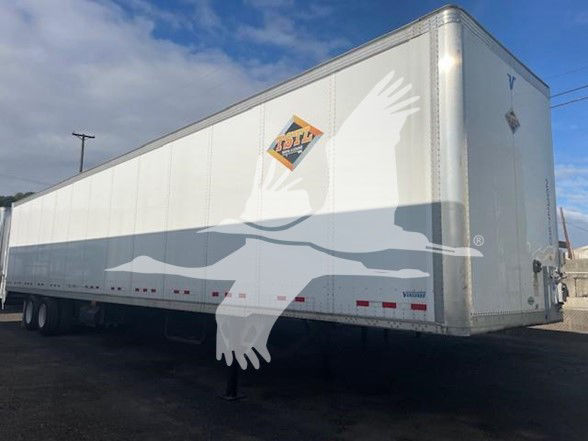
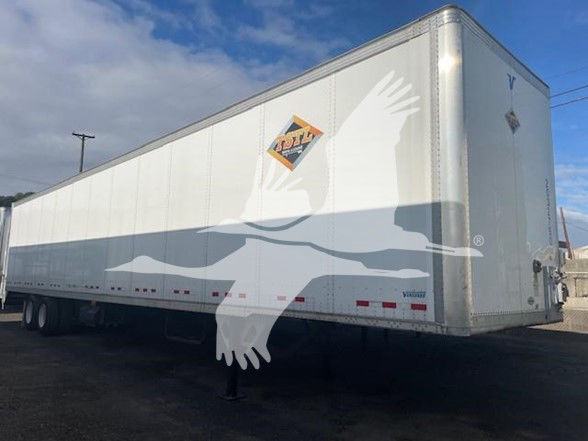
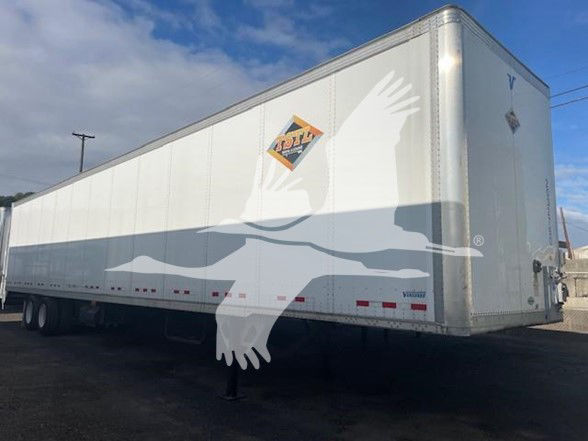
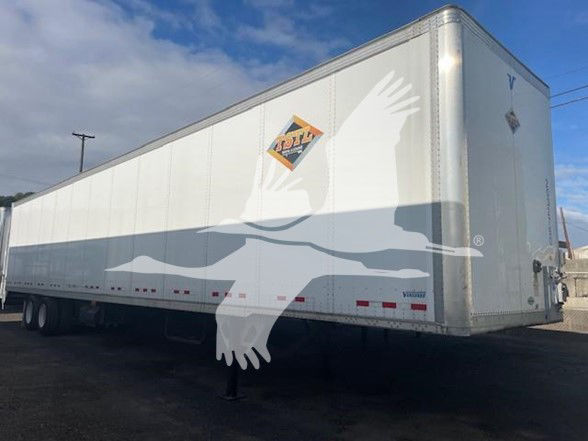
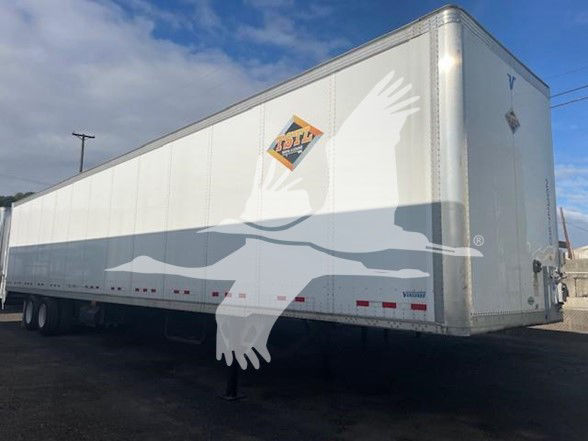
Showing 1 to 12 of 19 results
Have used 2012 vanguard trailer to sell? List it here to reach thousands of buyers.
About Used 2012 Vanguard Trailers in Pennsylvania
For dry van applications, buyers typically compare sidewall construction, floor condition, and logistics setup first. Common Vanguard van features include plate side construction or composite panel designs, aluminum roofs, swing doors, logistics posts, hardwood flooring, and sliding tandem air-ride suspension. Important checkpoints on a 2012 trailer include crossmember integrity, threshold plate wear, scuff liner damage, landing gear operation, kingpin wear, and the amount of life left in the tandem slide rail assembly. If the trailer will handle mixed dock freight, food products, paper, or packaged consumer goods, the interior wall condition and securement layout matter as much as the tires and brakes.
If the 2012 Vanguard trailer is a reefer, the trailer body and refrigeration platform need to be evaluated together. Buyers should inspect the unit hours, maintenance history, evaporator and condenser condition, floor type, door seals, and insulation performance. A duct floor or deep-channel floor may be important for produce, frozen freight, or multi-stop distribution. In Pennsylvania and the broader Northeast, reefer buyers also pay attention to fuel tank condition, reefer start reliability in cold weather, and the trailer's ability to hold setpoint during frequent door openings.
The best 2012 Vanguard trailer for the job usually comes down to freight type, route density, and maintenance tolerance. A highway van used for drop-and-hook freight may prioritize low tare weight and a clean tandem slider, while a regional dock trailer may need stronger scuff protection and a healthier rear structure. Check axle alignment, brake lining life, tire wear pattern, suspension brand and bushing condition, ABS function, and any evidence of floor repairs or roof leaks. A well-kept 2012 Vanguard can still be a productive trailer if the structure is sound, the running gear is current, and the spec matches the lane.
Frequently Asked Questions
What should I inspect first on a used 2012 Vanguard trailer?
Start with the structural items that are expensive to correct. That includes the frame, crossmembers, floor, rear frame, kingpin area, tandem slider rails, suspension, and landing gear. On a van or reefer that has seen heavy dock use, check for rear impact damage, buckled thresholds, torn scuff liners, and door alignment issues. In Pennsylvania, corrosion on steel components and fasteners deserves extra attention because winter road salt can accelerate wear.
Are 2012 Vanguard trailers usually dry vans or reefers?
Most buyers associate Vanguard strongly with dry van trailers, but the brand also has a solid presence in refrigerated trailers. On the used market, a 2012 Vanguard may be a 53-foot dry van for general freight or a reefer configured for temperature-controlled distribution. The trailer category matters because inspection priorities change. Dry vans center on body structure and floor condition, while reefers add refrigeration unit hours, insulation integrity, and temperature retention to the checklist.
Is a 2012 Vanguard trailer still a good choice for regional freight?
It can be, provided the trailer has been maintained and the structure is still sound. Many 2012 trailers remain viable in regional and dedicated service because the basic specs are still common across modern operations, including 53-foot length, 102-inch width, air-ride suspension, and sliding tandems. The key is matching the trailer's remaining life to the intended duty cycle. A trailer with a healthy floor, straight frame, working ABS, and good brake and tire history can still perform well in regional lanes.
What specs matter most when comparing used Vanguard trailers?
Focus on the specs that affect payload, dock compatibility, and long-term maintenance. For vans, buyers usually compare side construction, floor thickness and repair history, logistics post spacing, door opening, kingpin setting, tandem spread and slide length, suspension brand, and roof type. For reefers, add floor design, insulation condition, door seal quality, and the refrigeration unit make, hours, and service records. These details tell you more about real operating value than appearance alone.