
Vanguard Trailers For Sale in Pennsylvania
Shop Vanguard trailers for sale, including dry van models with 53-foot lengths, air-ride suspensions, sliding tandems, and logistics-ready interiors.
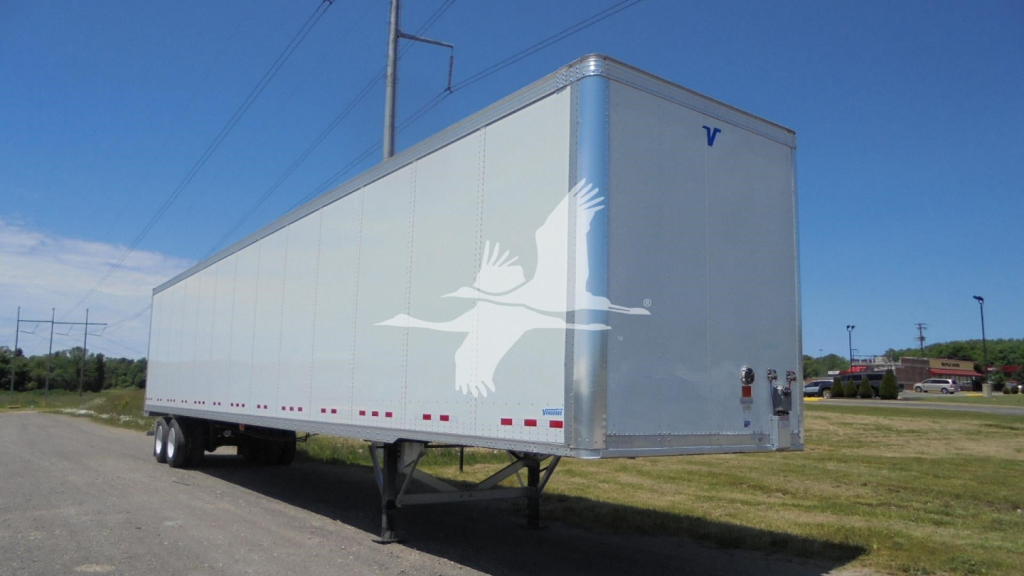
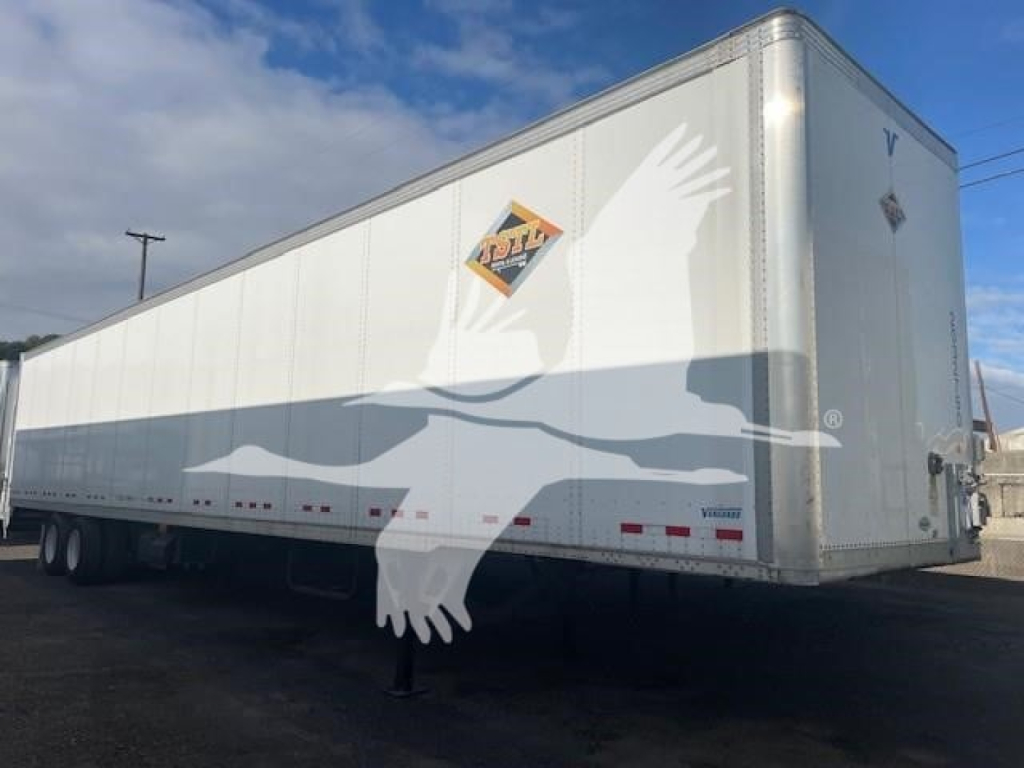
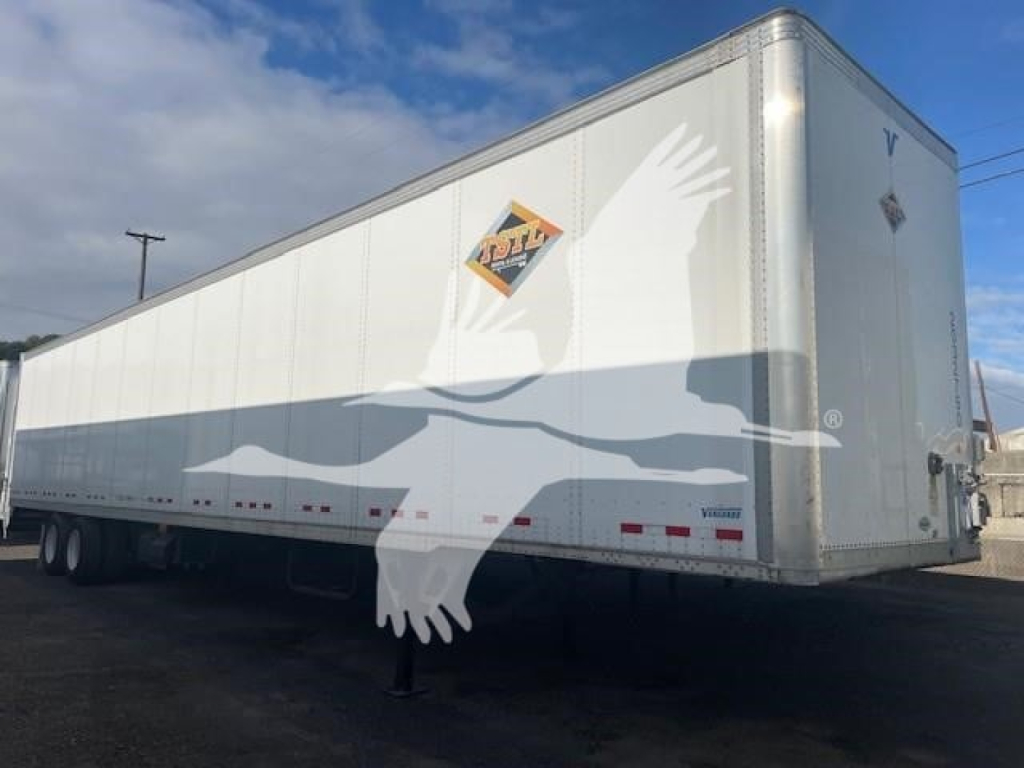
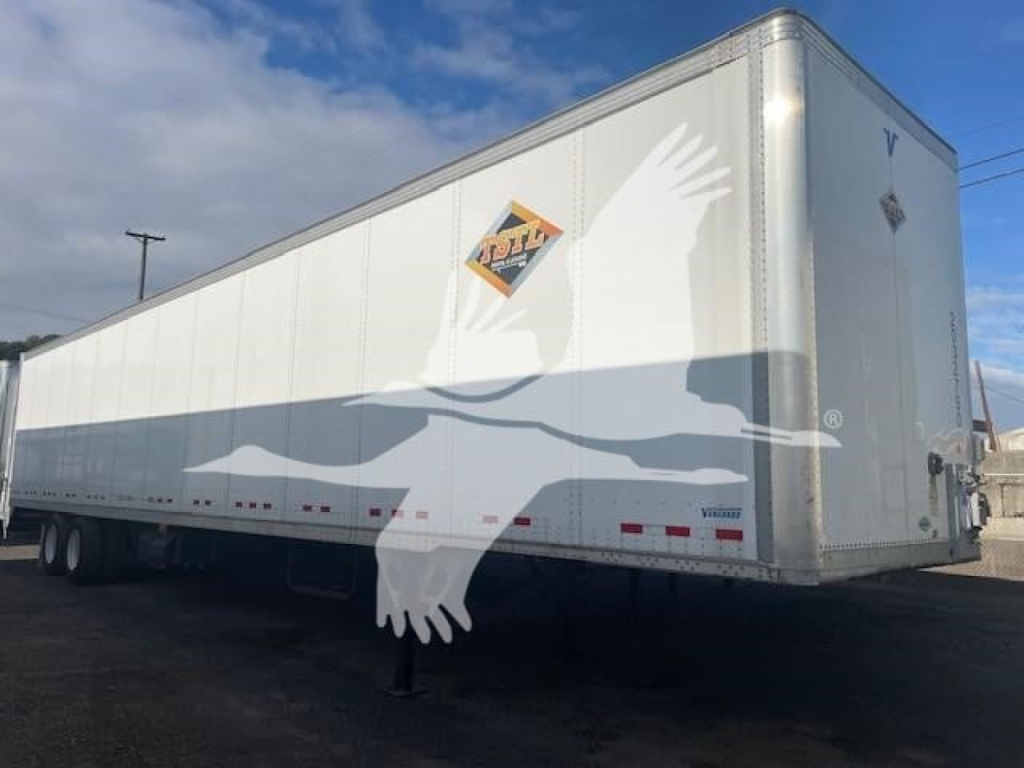
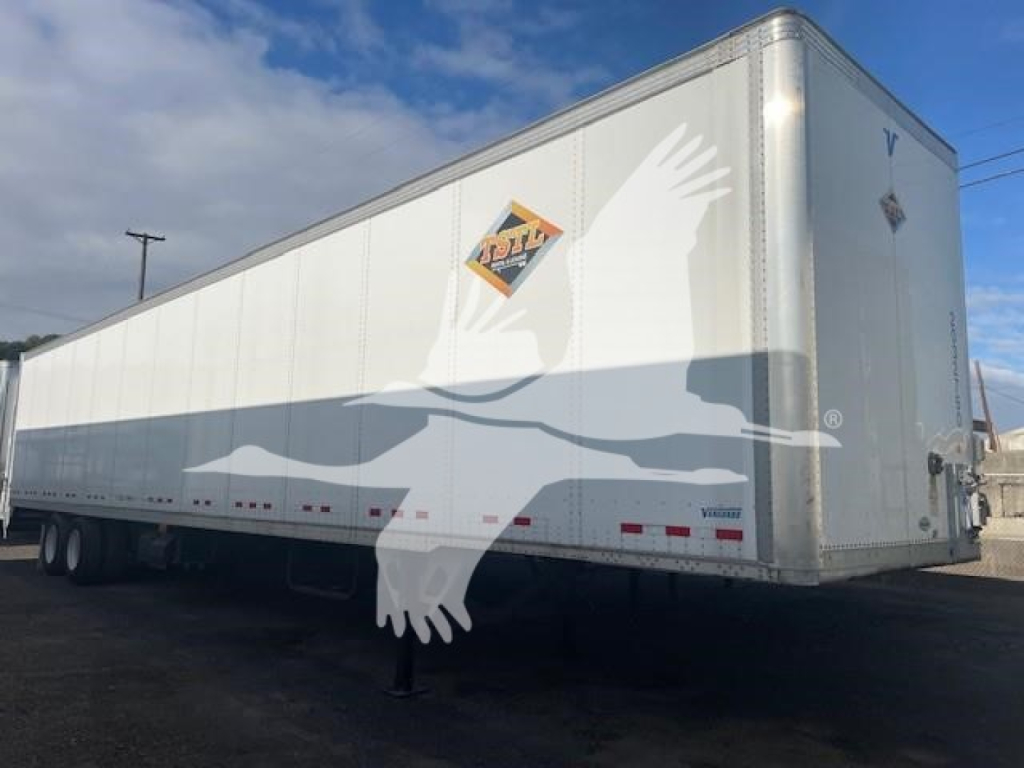
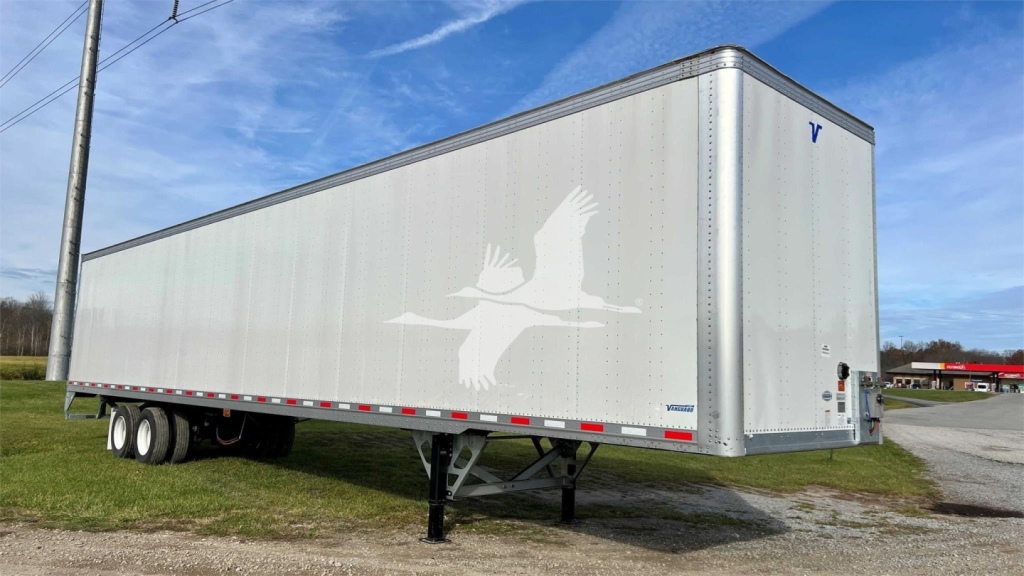
Showing 145 to 168 of 215 results
Have vanguard trailer to sell? List it here to reach thousands of buyers.
Vanguard Trailers in Pennsylvania
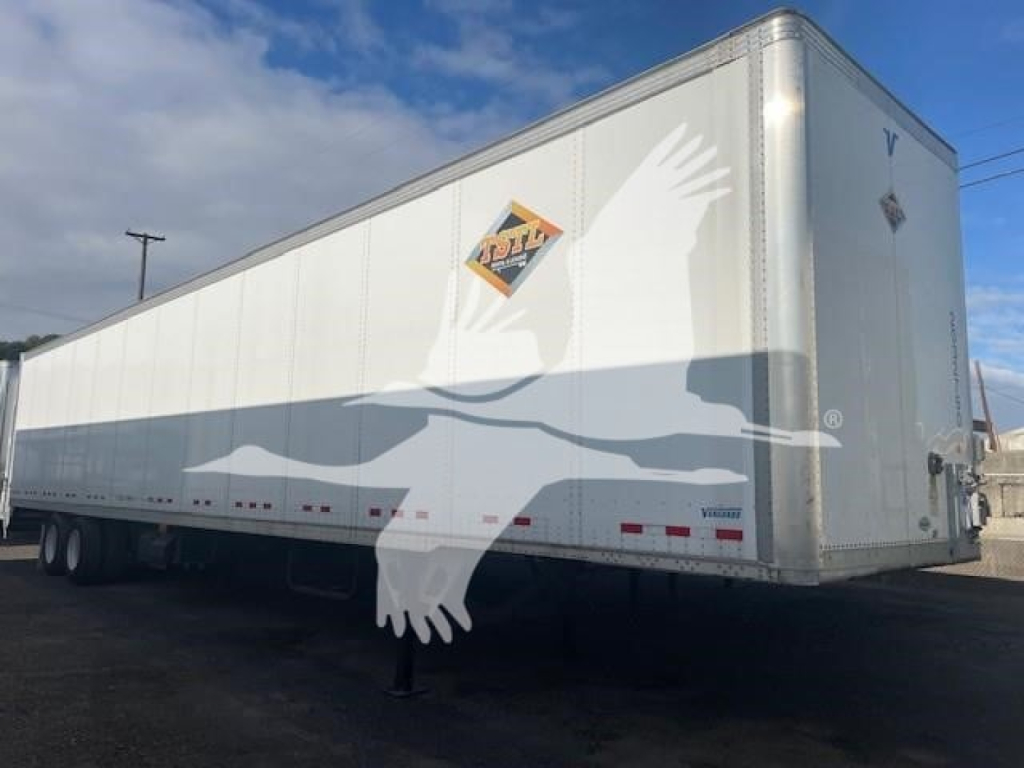
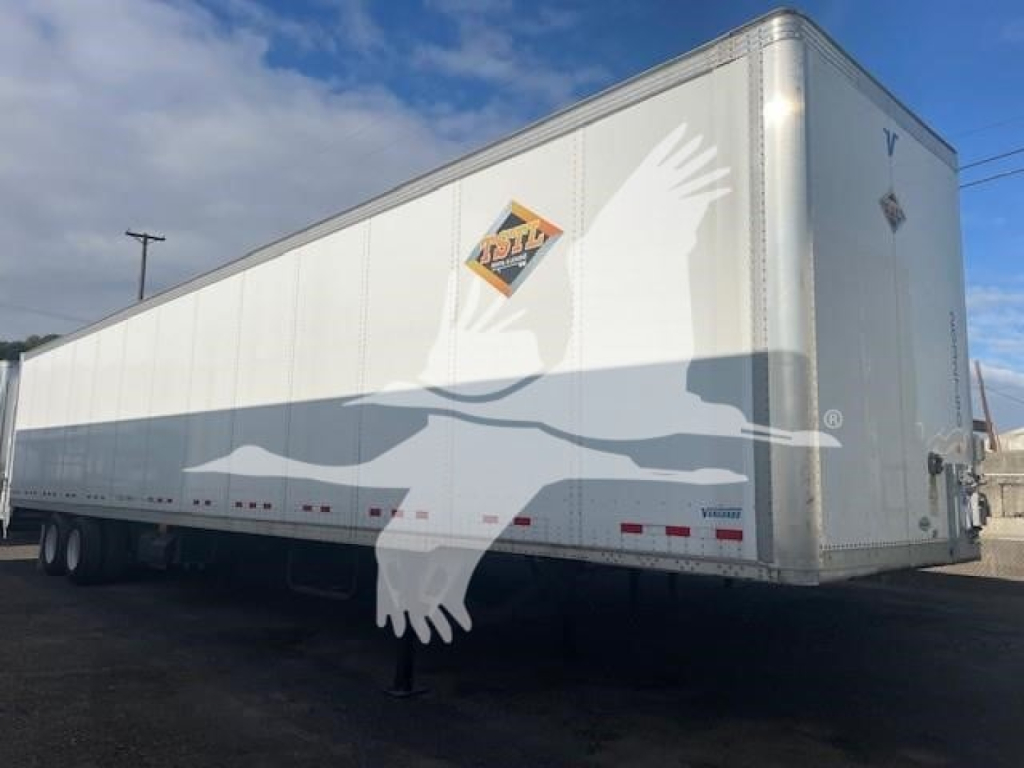
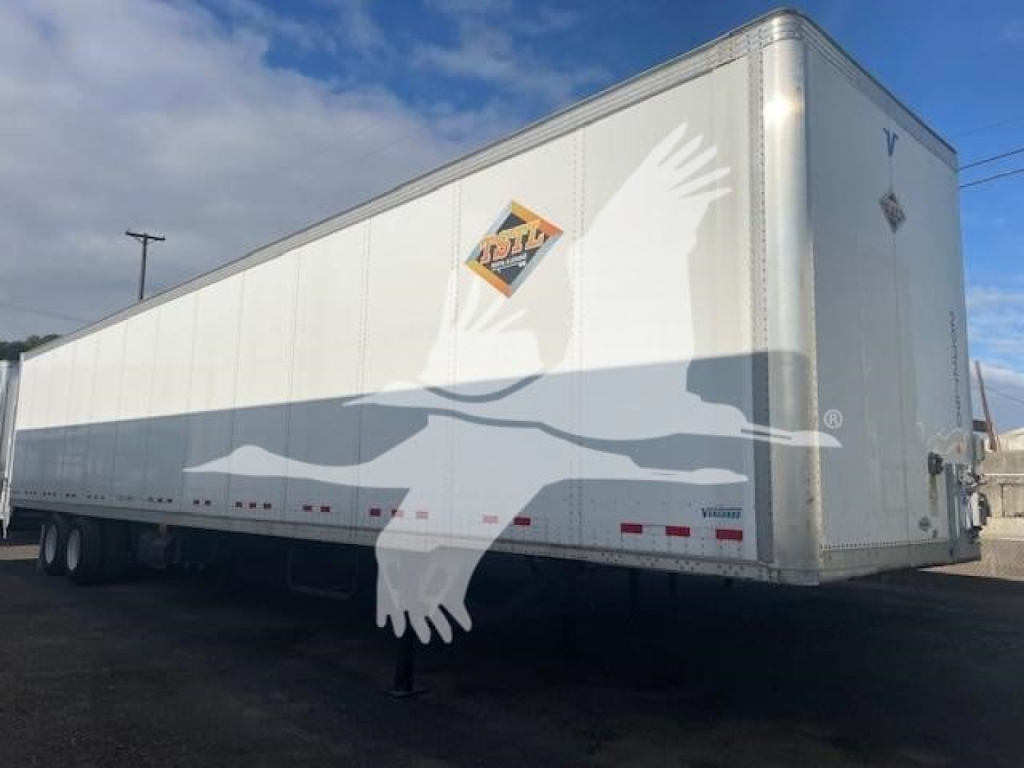
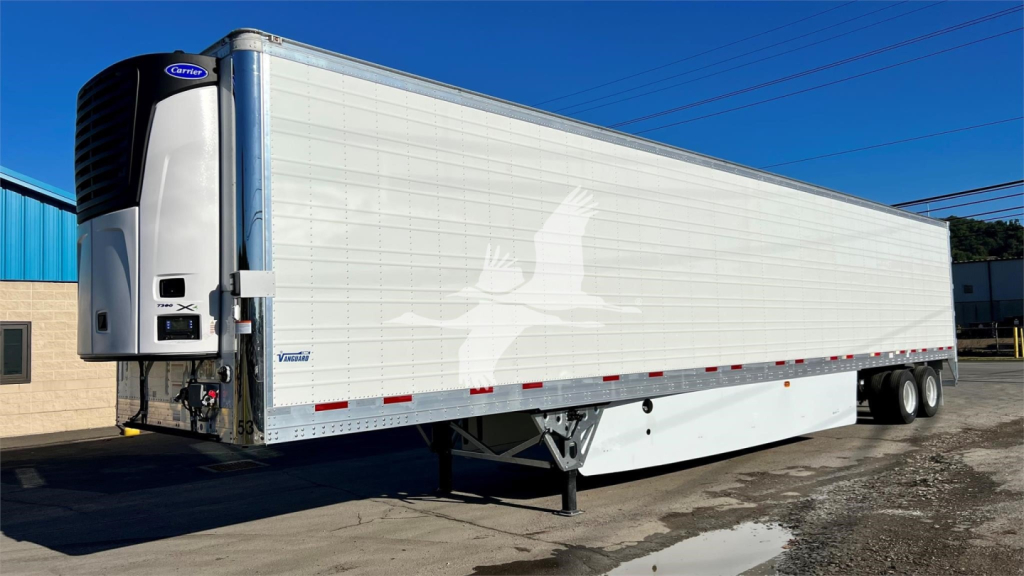
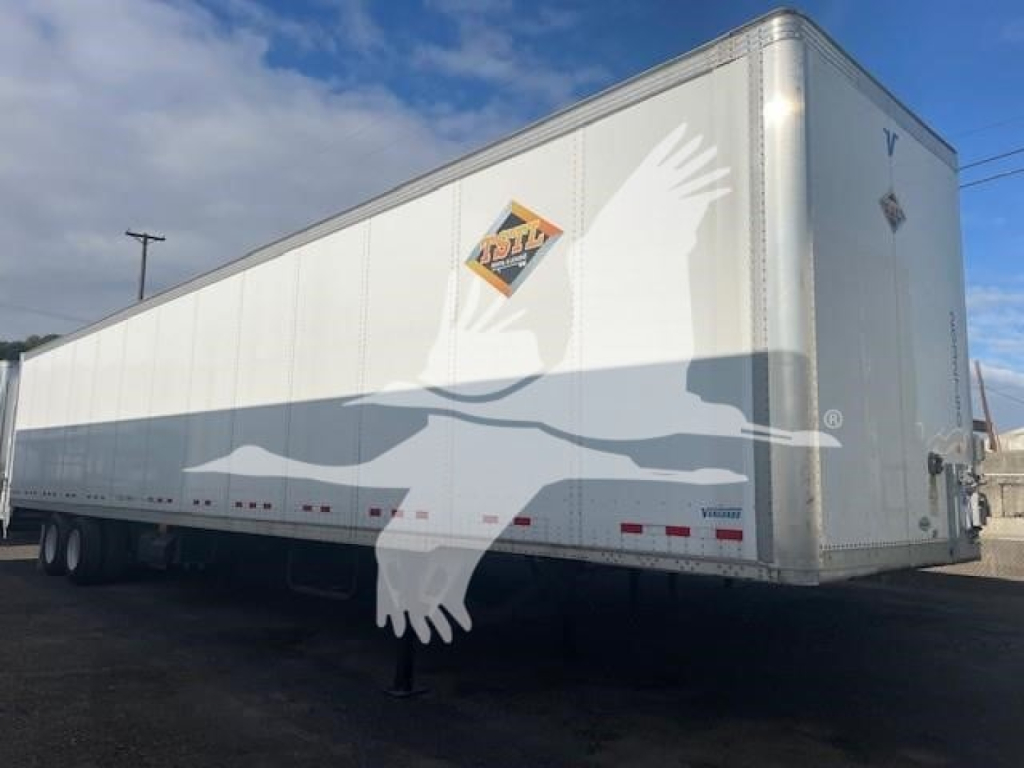
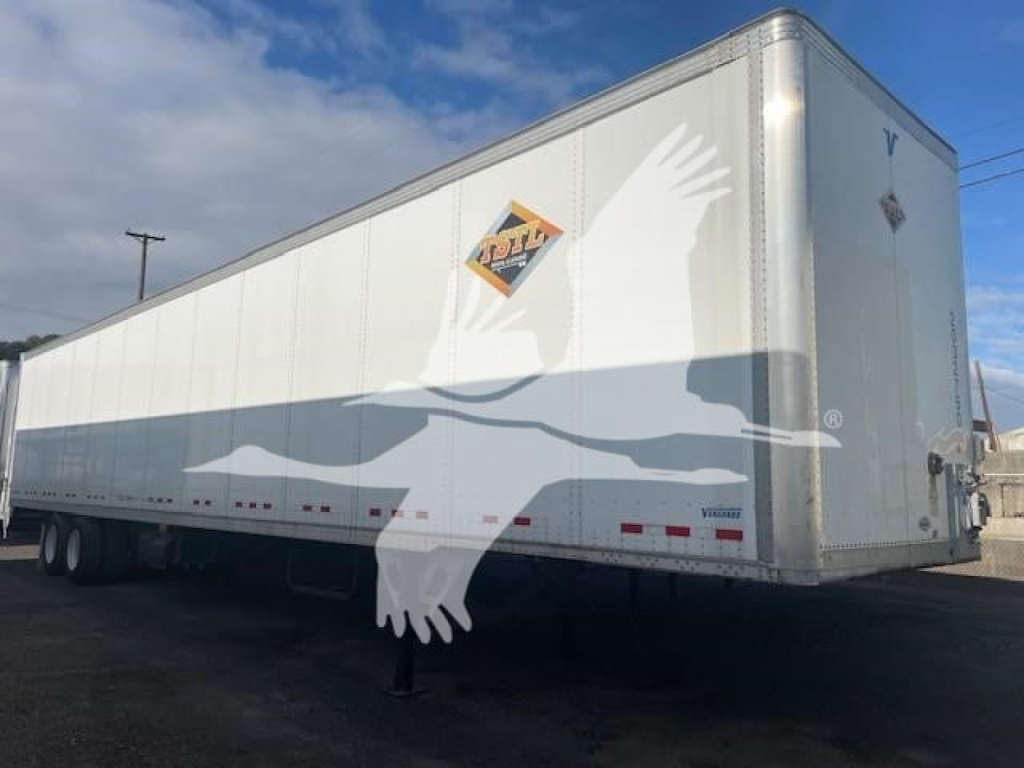
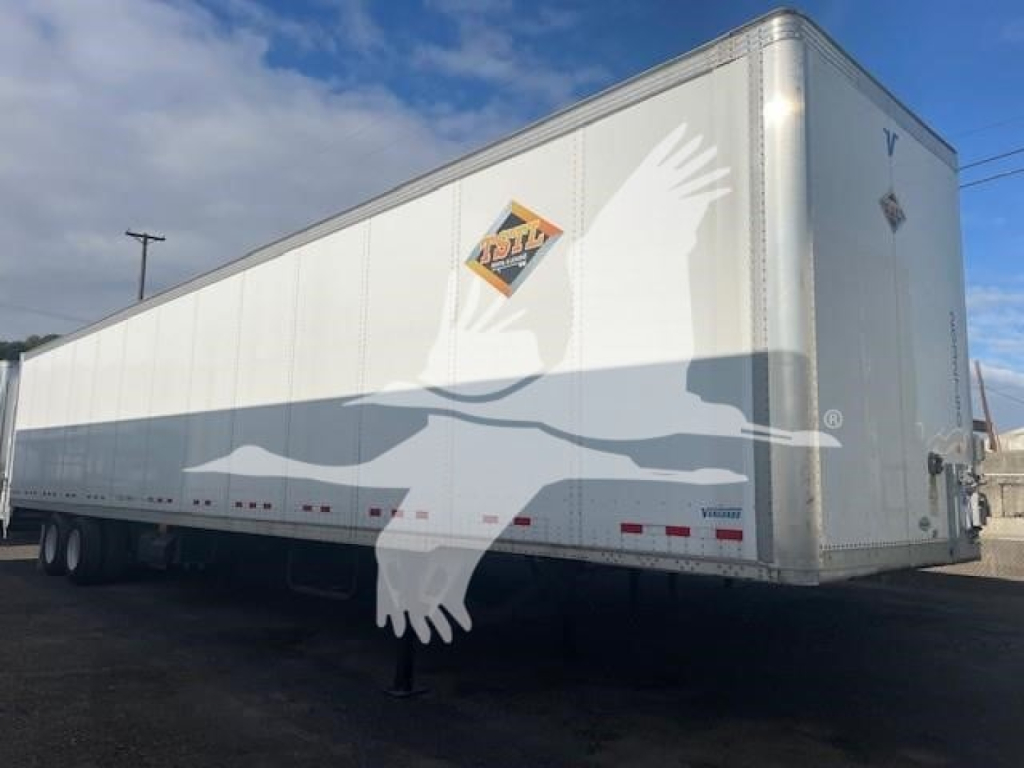
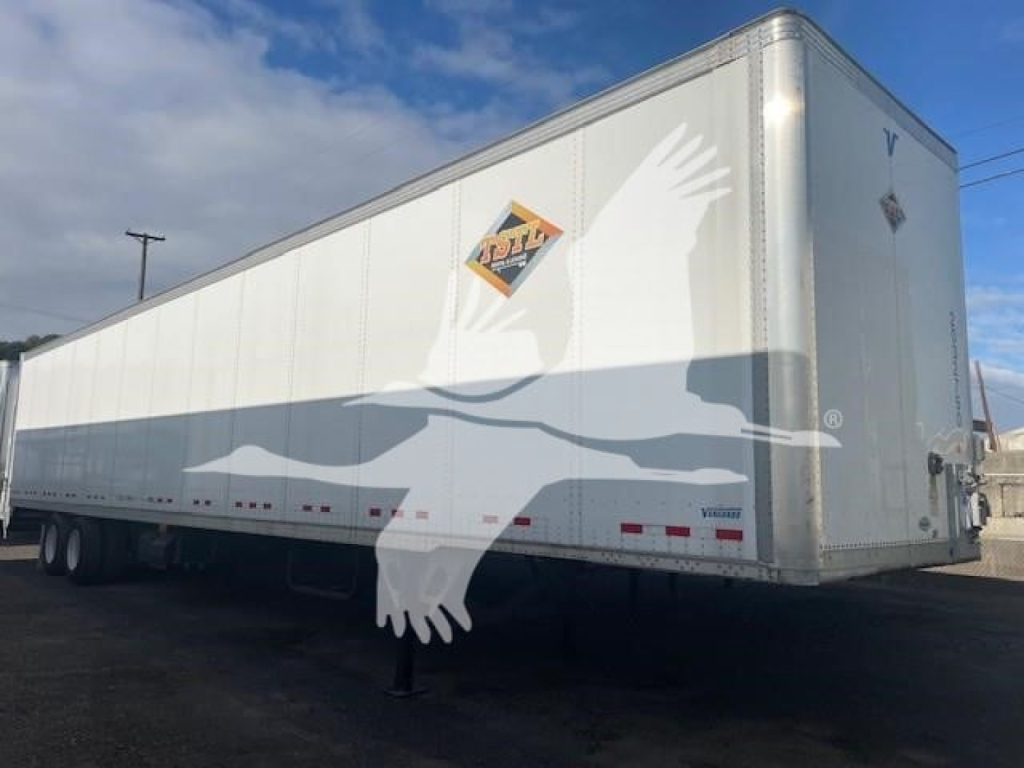
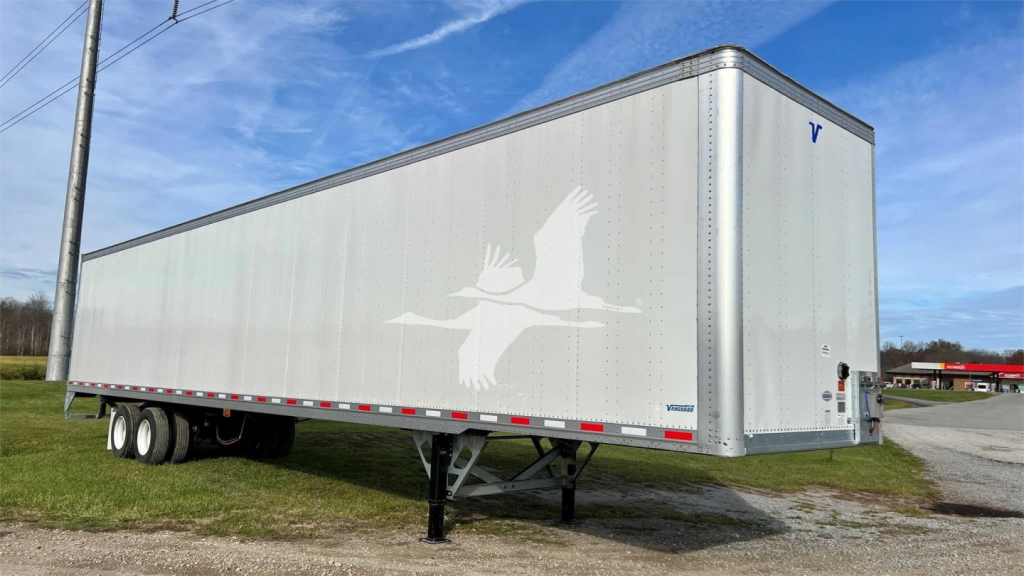
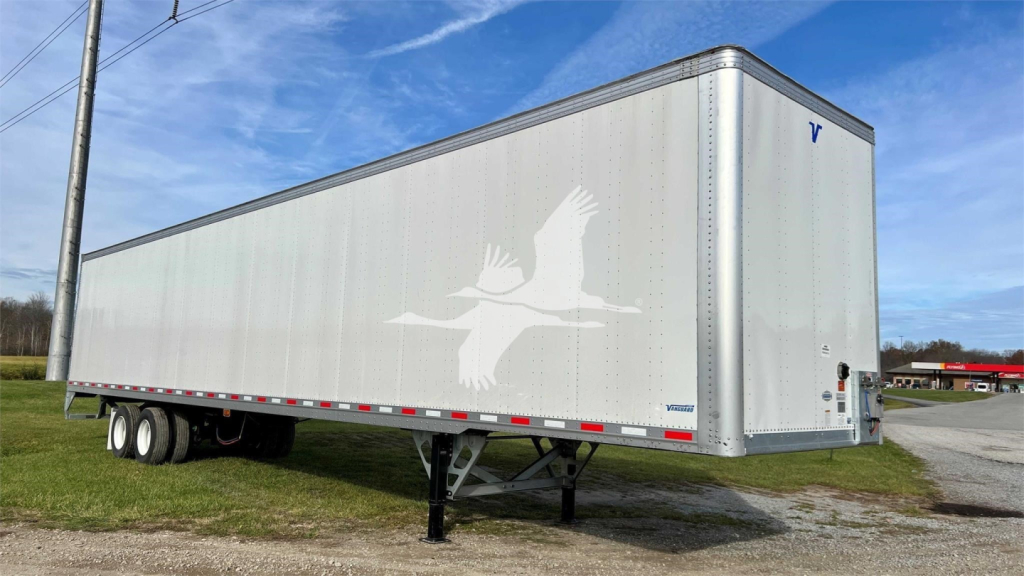
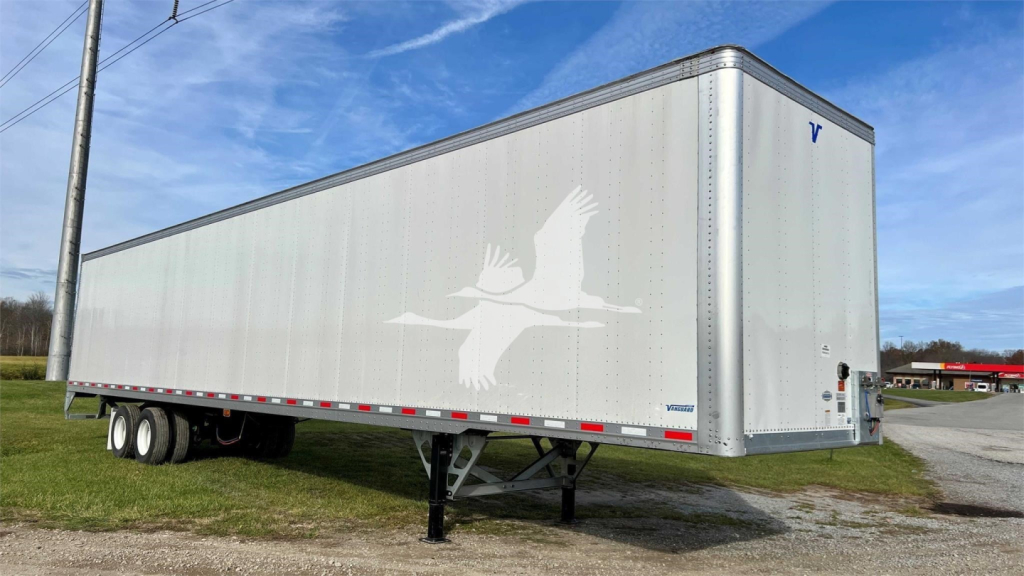
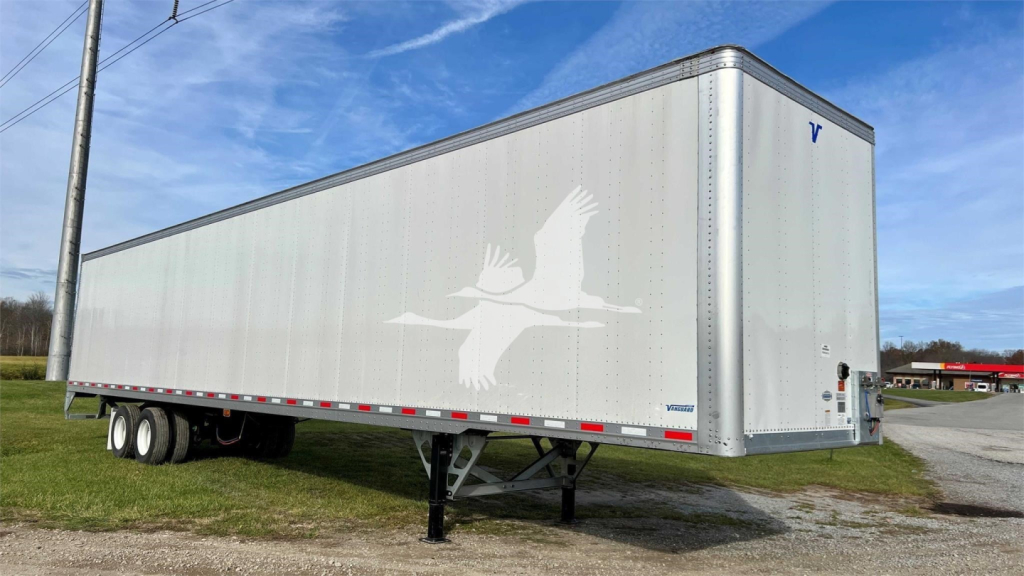
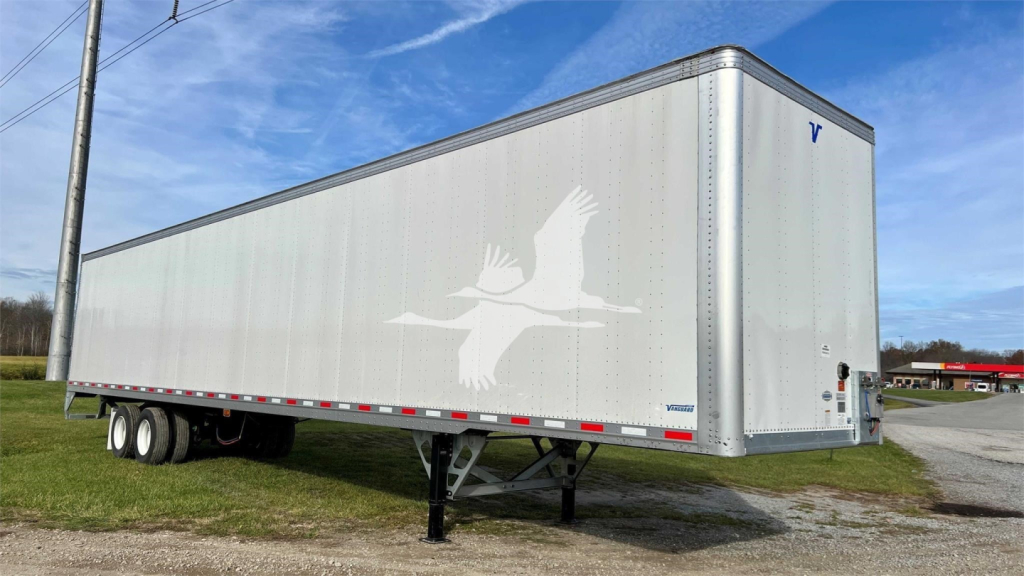
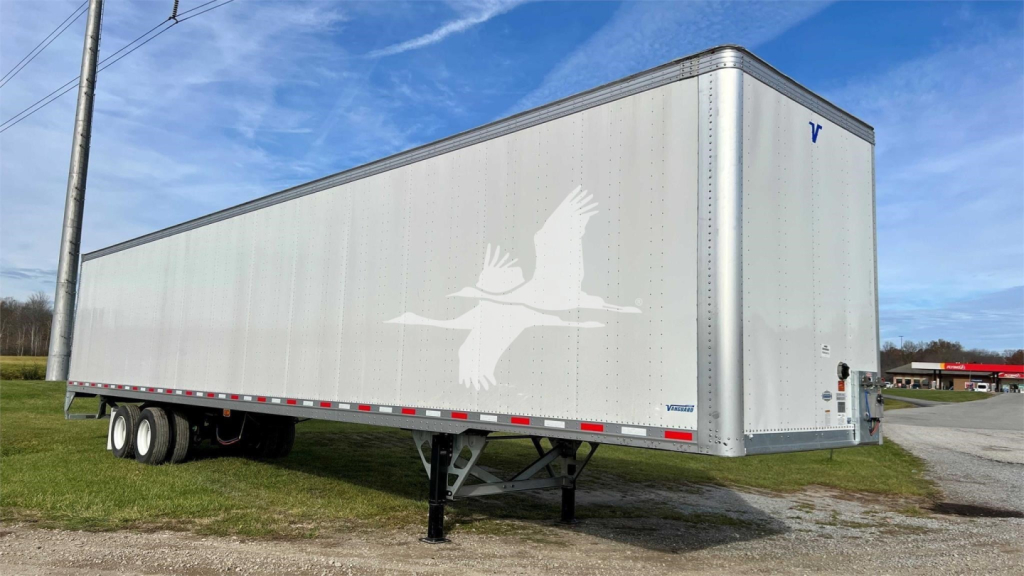
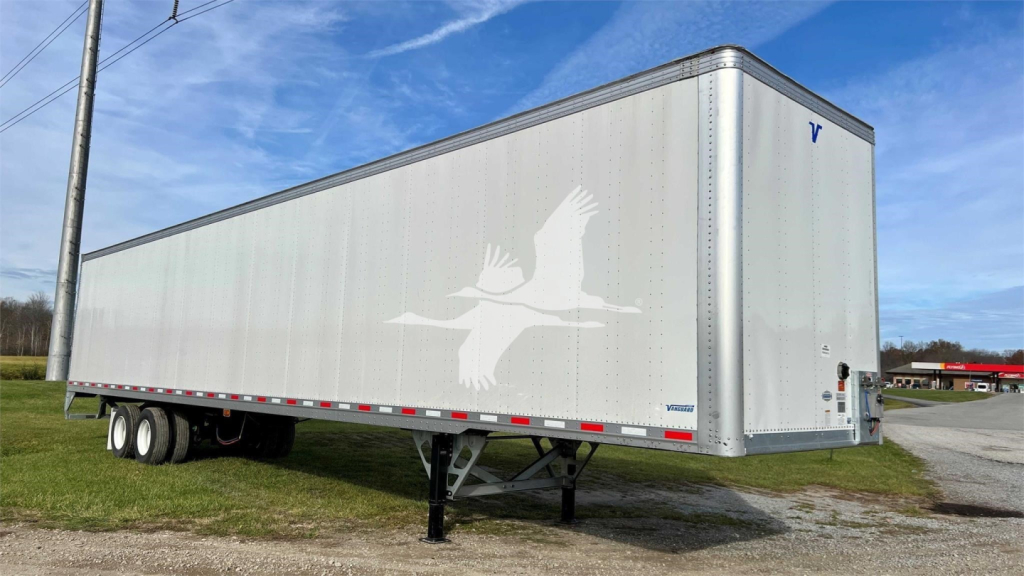
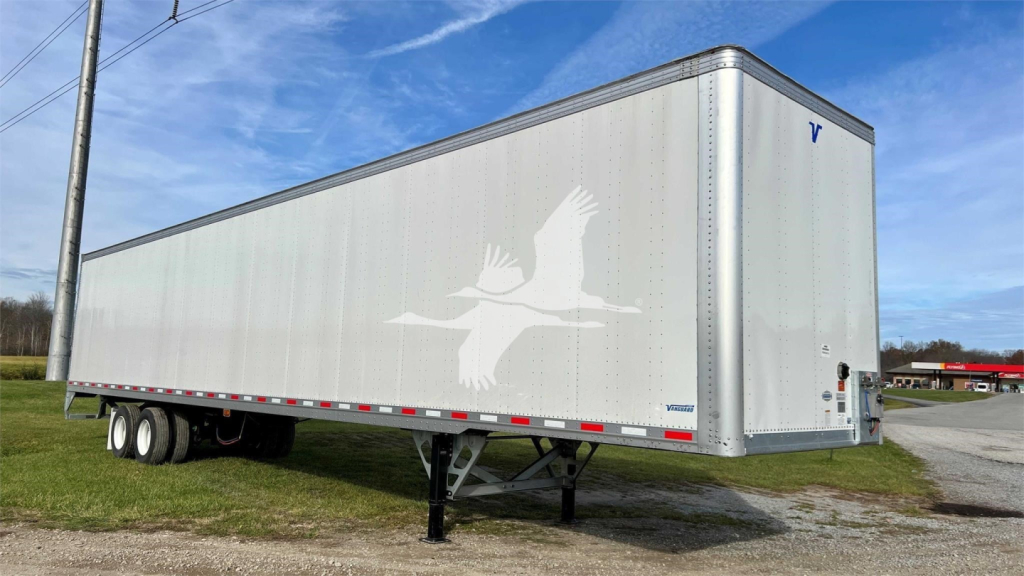
A typical Vanguard dry van, often seen in VXP configuration, is set up around practical fleet durability. Common details include plate or composite side construction, aluminum roofs, wood floors such as oak or Apitong, galvanized rear frames, and galvanized threshold areas that hold up better in repetitive loading. Interior specs often include logistics posts on 48-inch spacing, scuff liners, nose lining, and reinforced rear structures for dock-lock use. Buyers comparing used Vanguard trailers should pay close attention to floor condition, roof integrity, sidewall repairs, rear frame corrosion, door seal fitment, and the wear pattern around the slider rails and suspension hangers.
The tandem air-ride slider is one of the most important spec points in this category. A 49-inch sliding tandem with standard kingpin settings gives carriers flexibility on bridge law compliance, axle spread, and dock positioning across different lanes. Tire size is commonly 295/75R22.5, and many units ride on steel wheels with fleet-friendly replacement costs. If the trailer will stay in regional service with frequent drops, landing gear condition, suspension brand and bushing wear, brake life, and DOT-ready lighting are worth checking closely. For heavier freight, floor fastener retention, crossmember spacing, and threshold reinforcement can matter more than cosmetic condition.
For many fleets, Vanguard trailers appeal because replacement parts, common dimensions, and standard van specs make them easy to integrate into an existing trailer pool. They are often chosen for general dry freight, packaged goods, consumer products, paper loads, and palletized warehouse freight rather than specialized cargo. The right trailer depends less on brand name alone and more on how the trailer was spec'd and maintained. On a used Vanguard van, a clean maintenance history, sound structure, and a well-preserved interior usually tell you more than model year by itself.
Frequently Asked Questions about Vanguard Trailers in Pennsylvania
What are the most common specs on a Vanguard dry van trailer?
A common Vanguard dry van spec is a 53-foot by 102-inch trailer with 13-foot 6-inch overall height, tandem axles, a sliding tandem setup, air-ride suspension, swing doors, and an aluminum roof. Many units also include plate or composite sidewalls, wood floors, logistics posts, scuff liners, and standard 295/75R22.5 tires. These are common fleet-oriented specifications that fit general truckload and drop-and-hook operations.
What should I inspect first on a used Vanguard trailer?
Start with the structural and wear items that affect serviceability and compliance. Check the floor for soft spots, excessive forklift damage, loose fasteners, and threshold wear. Inspect the roof, rear frame, door hardware, and door seals for leaks or impact damage. Then review the slider rails, suspension components, brakes, tires, lights, and landing gear. Cosmetic issues matter less than structural condition, water intrusion, and maintenance history.
Are Vanguard trailers good for regional freight in Pennsylvania?
Yes, Vanguard dry vans are a practical fit for Pennsylvania freight because they are commonly spec'd for frequent dock loading, mixed highway and secondary-road use, and standard warehouse freight. Air-ride suspension helps protect cargo and supports ride quality, while sliding tandems add flexibility for axle compliance and load distribution. A trailer with a sound floor, straight frame, and well-maintained running gear is usually more important than any single regional factor.
What is the difference between plate, composite, and aluminum side construction on a dry van?
Plate side construction is valued for impact resistance and durability in hard dock environments. Composite panels can reduce maintenance in certain applications and may offer a clean interior and exterior appearance. Aluminum side construction can save weight, but repair approach and long-term durability depend on the exact build. The best choice depends on freight type, loading frequency, repair preferences, and how rough the trailer's day-to-day handling will be.
Why does a sliding tandem matter on a 53-foot van trailer?
A sliding tandem allows the axle group to move forward or backward to help with bridge law compliance, state-by-state axle requirements, and weight distribution between tractor and trailer axles. It also gives fleets more flexibility across shippers, receivers, and route types. On a used trailer, the condition of the slider mechanism, locking pins, and rail structure is important because excessive wear can create operational and maintenance problems.