
Vanguard Trailers For Sale in North Carolina
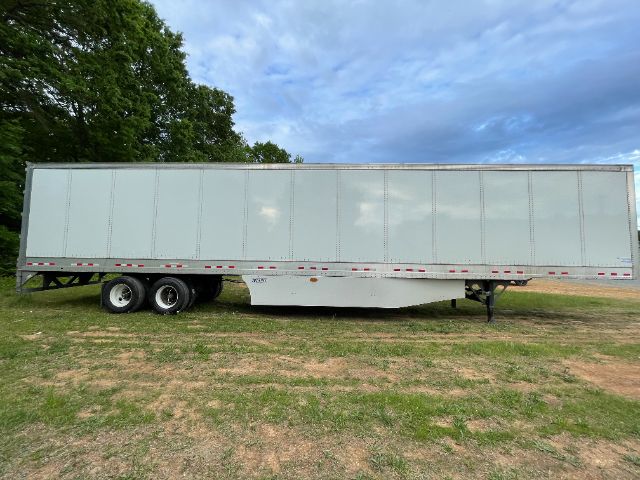

Have vanguard trailer to sell? List it here to reach thousands of buyers.
Vanguard Trailers in North Carolina
For most buyers, the real decisions come down to trailer spec rather than badge alone. On Vanguard trailers, common features include sliding tandem suspensions for bridge-law compliance and load distribution, spring or air ride setups depending on service requirements, and aerodynamic side skirts for fuel savings in highway lanes. Logistics posts or logistics track can be an important value point if the trailer will handle mixed freight or multi-stop loads. Tire inflation systems are also common on fleet-spec vans and can reduce roadside calls, irregular tire wear, and maintenance downtime when the trailer is running steady miles.
Condition matters heavily on used Vanguard trailers because many have seen fleet service. Buyers should inspect floor wear at forklift traffic points, threshold plates, door hardware, roof condition, front wall repairs, and signs of moisture intrusion along seams and lining. Check tandem slide operation, brake condition, wheel-end history, and whether the trailer has steel, aluminum, or mixed wheel equipment. In North Carolina, where trailer demand spans port freight, regional distribution, and warehouse networks, a clean 53-foot Vanguard dry van can fit a wide range of operations from local shuttle work to over-the-road van freight.
Vanguard is often cross-shopped against other major dry van builders, so it helps to compare empty weight, lining type, suspension, and fleet options instead of focusing only on model year. A lighter trailer can improve payload flexibility, while a better interior liner or scuff protection may matter more for high-touch freight. For buyers running standard van lanes, a well-spec'd Vanguard trailer offers the core features most fleets want: strong cubic capacity, straightforward maintenance, dock-friendly dimensions, and common-spec components that are easy to service.
Frequently Asked Questions about Vanguard Trailers in North Carolina
What types of Vanguard trailers are most common on the used market?
The most common Vanguard trailers found on the used market are 53-foot dry van trailers, including high-cube fleet specifications used in general freight and retail distribution. Many are built to standard over-the-road van dimensions of 102 inches wide and 13 feet 6 inches tall, with interior heights that support palletized freight and cube-sensitive loads. Buyers will also commonly see fleet-oriented options such as logistics posts, side skirts, sliding tandems, and tire inflation systems.
What should I inspect first on a used Vanguard dry van trailer?
Start with the floor, rear frame area, doors, roof, and front wall because those areas show the fastest wear in van service. Forklift damage in the floor, cracked or patched roof sections, door seal problems, and corrosion around the threshold or rear frame can all affect serviceability and resale value. It is also important to inspect tandem slide rails, suspension components, brakes, tires, and wheel ends, since those items directly affect uptime and compliance.
Are Vanguard trailers good for fleet and regional freight applications?
Vanguard trailers are commonly used in fleet, regional, and over-the-road freight applications because their dry van specs match standard dock, warehouse, and highway requirements. A 53-foot Vanguard van with sliding tandems and logistics interior options can handle grocery, retail, consumer goods, and general pallet freight across a wide range of lanes. Their appeal usually comes from practical fleet specifications, serviceable components, and good cargo cube rather than specialized niche design.
Do Vanguard trailers typically come with lightweight or fuel-saving specs?
Many Vanguard dry vans are equipped with specifications aimed at improving efficiency, including aluminum construction details, aerodynamic side skirts, and low rolling resistance tire packages depending on original fleet order. Some units also include automatic tire inflation systems, which help maintain tire pressure and can improve tire life and fuel performance over time. Buyers comparing similar dry vans should review tare weight, skirt condition, wheel type, and suspension spec to judge the real operating advantage.
How do I compare a Vanguard trailer to other 53-foot dry vans?
The best comparison points are empty weight, interior height, lining type, floor condition, suspension, and freight-control features. Two trailers of the same year can have very different value if one has logistics posts, better scuff protection, a cleaner floor, and stronger maintenance history. Buyers should also compare tandem configuration, brake setup, tire condition, and structural repairs, since those factors often have more impact on operating cost than the brand name alone.