
New Vanguard Trailers For Sale
Shop new Vanguard dry van trailers with 53-foot specs, air ride suspension, sliding tandems, logistics posts, and durable composite or aluminum sides.
Learn more
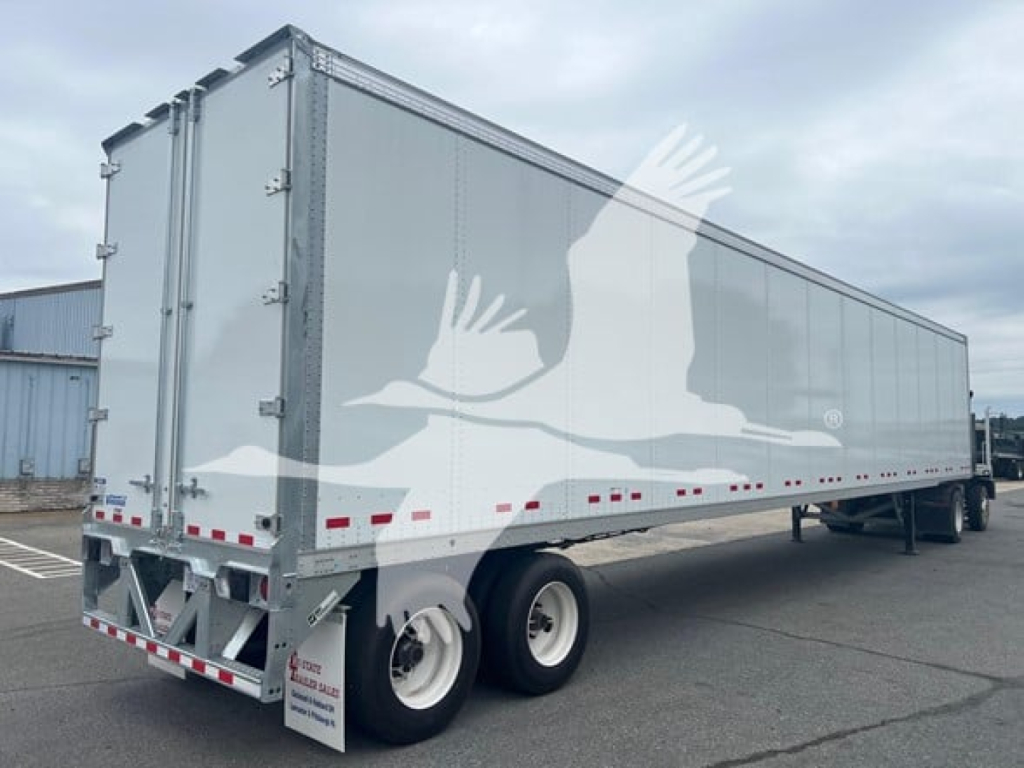
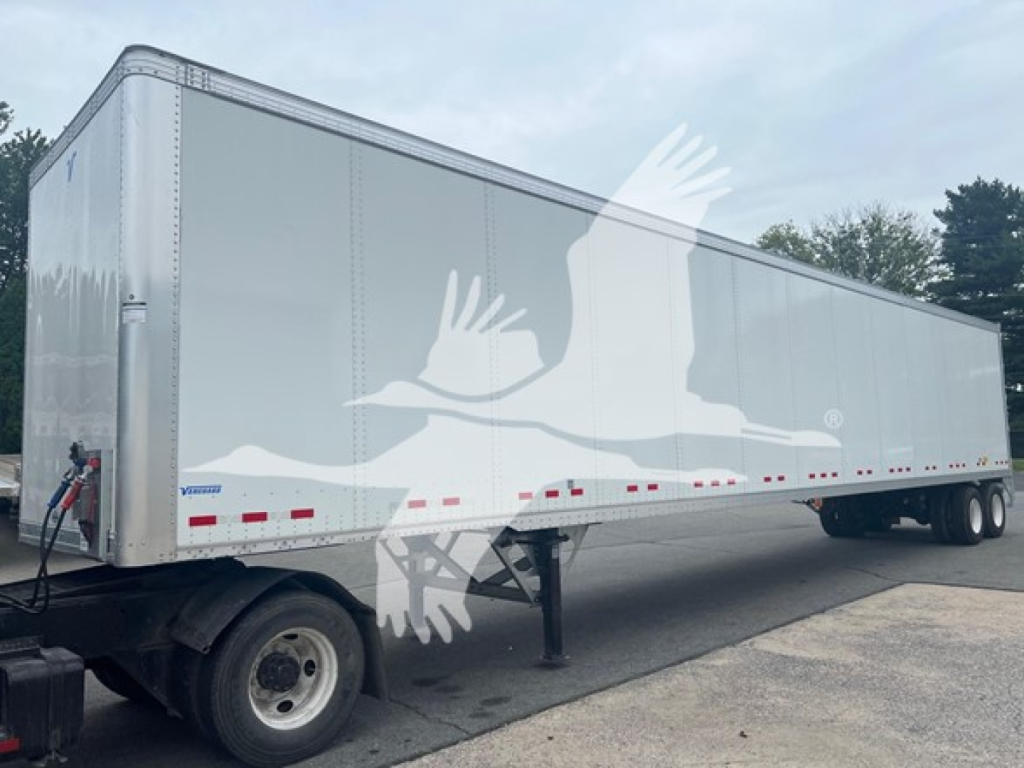
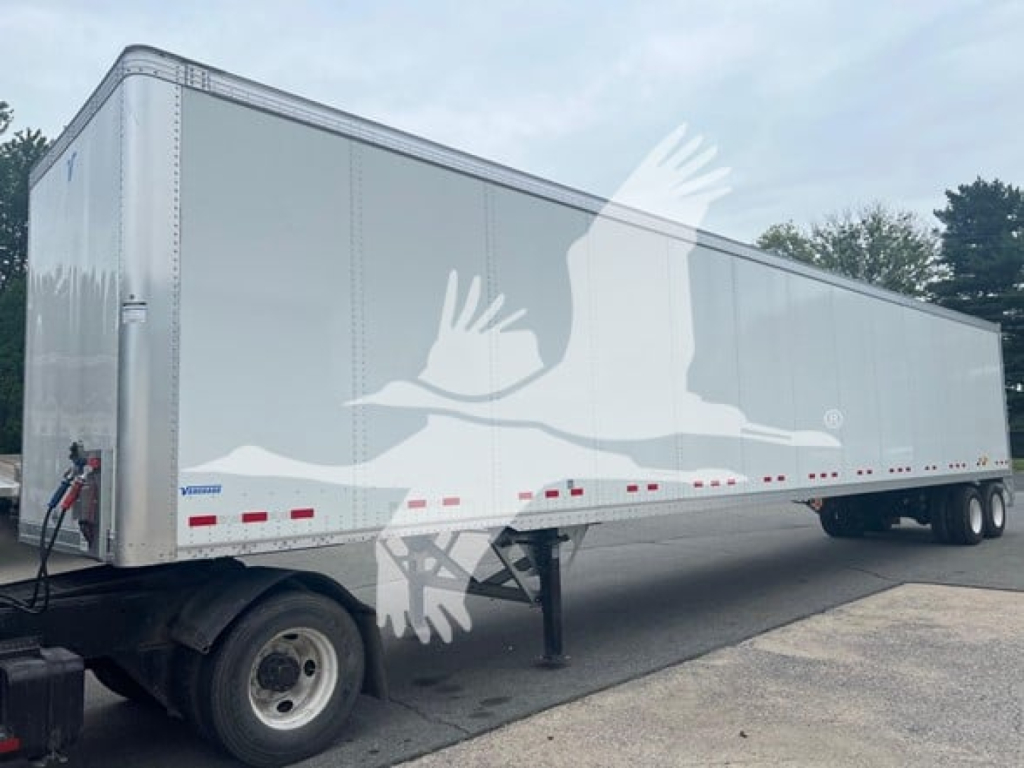
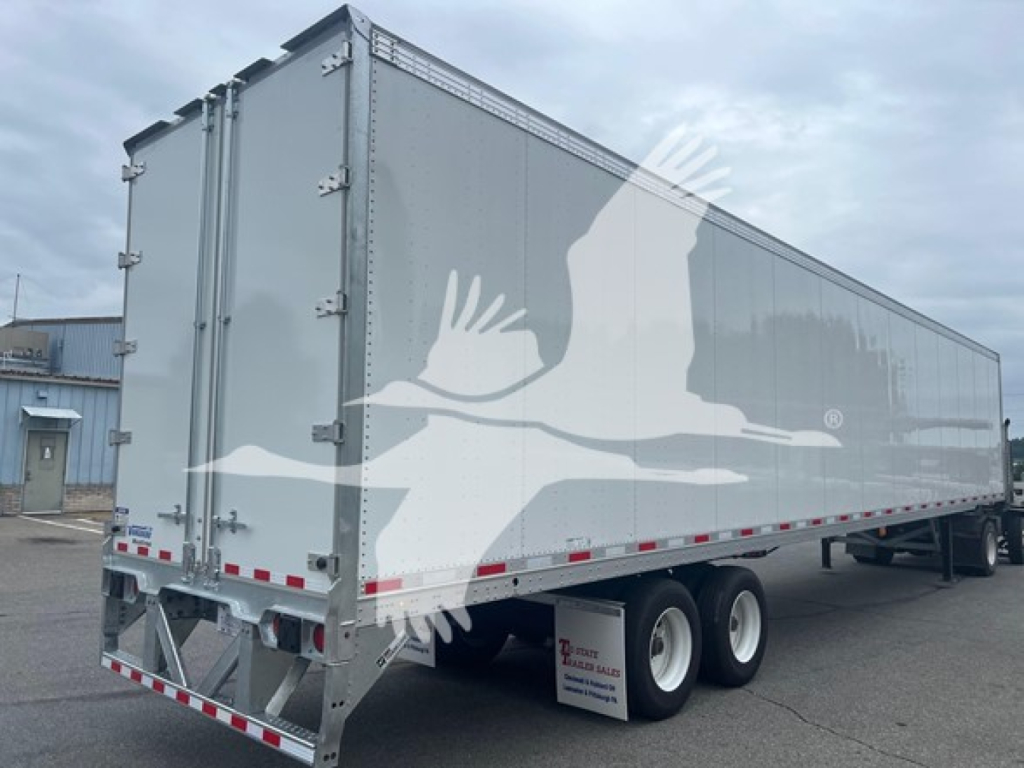
Showing 13 to 20 of 20 results
Have new vanguard trailer to sell? List it here to reach thousands of buyers.
About New Vanguard Trailers
One of the first decisions is side construction. Vanguard VXP plate vans use a composite plate sidewall that is designed for a cleaner exterior appearance and strong sidewall performance, while sheet-and-post vans use smooth aluminum sides with closer post spacing. For fleets handling high-cycle freight, side scuff protection, interior lining, and logistics post spacing matter as much as the outer skin. Listings in this class often show Series A logistics posts, steel or aluminum scuff liners, full-height nose lining, galvanized rear frames, and dock-lock reinforced bumpers. Those details affect repair cost, forklift damage resistance, and how well the trailer holds up in grocery, LTL, and warehouse environments.
Under the trailer, many new Vanguard dry vans are spec'd with air ride suspension, commonly a Hendrickson setup, 49-inch sliding tandems, 216-inch slide rails, and 295/75R22.5 tires on steel wheels. A 36-inch kingpin setting is common and works well across a wide range of road tractors. Buyers should pay close attention to crossmember spacing, base rail design, and stated floor rating, especially if the trailer will see heavy pallet jack traffic, concentrated beverage loads, or repeated forklift loading. A 1 3/8-inch oak floor, galvanized threshold plate, two-speed landing gear, and integrated tire inflation system are all practical spec points that can reduce downtime and improve long-term operating cost.
If the freight mix is mostly cube freight with frequent dock loading, a standard dry van spec is usually the right fit. If the operation sees higher abuse at the lower wall, a high base rail design and heavier scuff package can make sense. Swing doors, 99-inch rear door openings, anti-snag roof bows, ABS, and corrosion-resistant rear structures are all standard features buyers should evaluate closely because they affect loading efficiency, maintenance intervals, and resale appeal. For many fleets, a new Vanguard van trailer is less about brand alone and more about getting the right wall construction, floor capacity, and running gear for the lanes it will actually run.
Frequently Asked Questions
What is the difference between a Vanguard VXP plate van and a sheet-and-post van?
A Vanguard VXP plate van uses a composite plate sidewall, while a sheet-and-post van uses aluminum skin with vertical posts behind the wall. Plate vans are often chosen for a cleaner outside appearance and solid sidewall construction. Sheet-and-post designs can be attractive for buyers who want traditional dry van construction with closely spaced posts. The better choice depends on freight type, repair preferences, and how much sidewall abuse the trailer will see in daily loading.
What specs matter most when buying a new Vanguard dry van trailer?
The key specs are sidewall construction, inside height, floor rating, crossmember spacing, tandem slider length, suspension type, kingpin setting, and corrosion protection. Buyers should also review scuff liner design, logistics post spacing, rear frame galvanization, dock bumper reinforcement, and tire inflation systems. Those details directly affect payload capability, loading efficiency, maintenance cost, and trailer life.
Are new Vanguard trailers commonly spec'd for dock and distribution work?
Yes. Many new Vanguard dry van trailers are built specifically for warehouse, retail, and route-distribution service. Common features such as swing doors, logistics posts, scuff liners, oak flooring, galvanized rear frames, and reinforced bumpers are all aimed at repeated dock loading and unloading. These trailers are typically well suited for general freight that moves on pallets, with forklifts, or through high-volume shipping facilities.
Why is a sliding tandem important on a 53-foot dry van?
A sliding tandem gives the operator flexibility to shift axle position for bridge law compliance, load distribution, and dock maneuvering. On a 53-foot van, a common setup is a 49-inch sliding tandem with long slide rails. This helps carriers adjust for state regulations and customer loading patterns without giving up the capacity and cube that make a 53-foot dry van the standard choice for over-the-road freight.
Is air ride suspension worth it on a new dry van trailer?
For most fleets, yes. Air ride suspension helps protect freight, improves ride quality, and is widely preferred for general freight and higher-value cargo. It can also reduce shock transfer to the trailer structure compared with harsher suspension types. When paired with a quality axle and suspension package, air ride is a strong fit for carriers focused on cargo protection, trailer longevity, and resale value.