
New Vanguard Trailers For Sale in Indiana
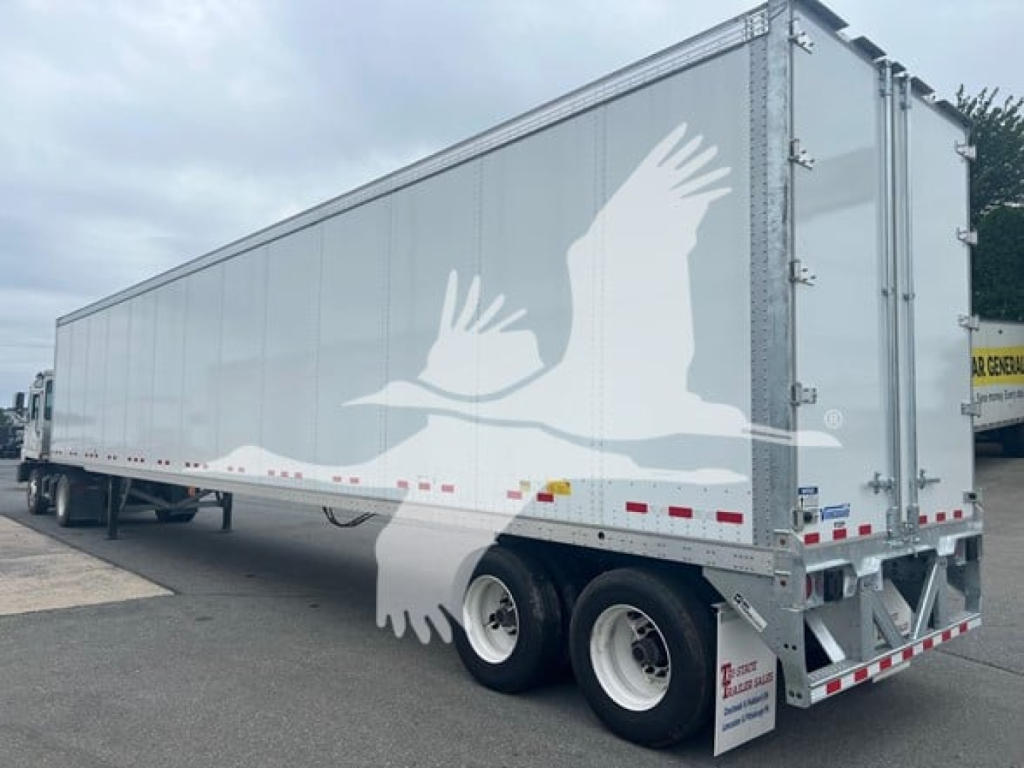
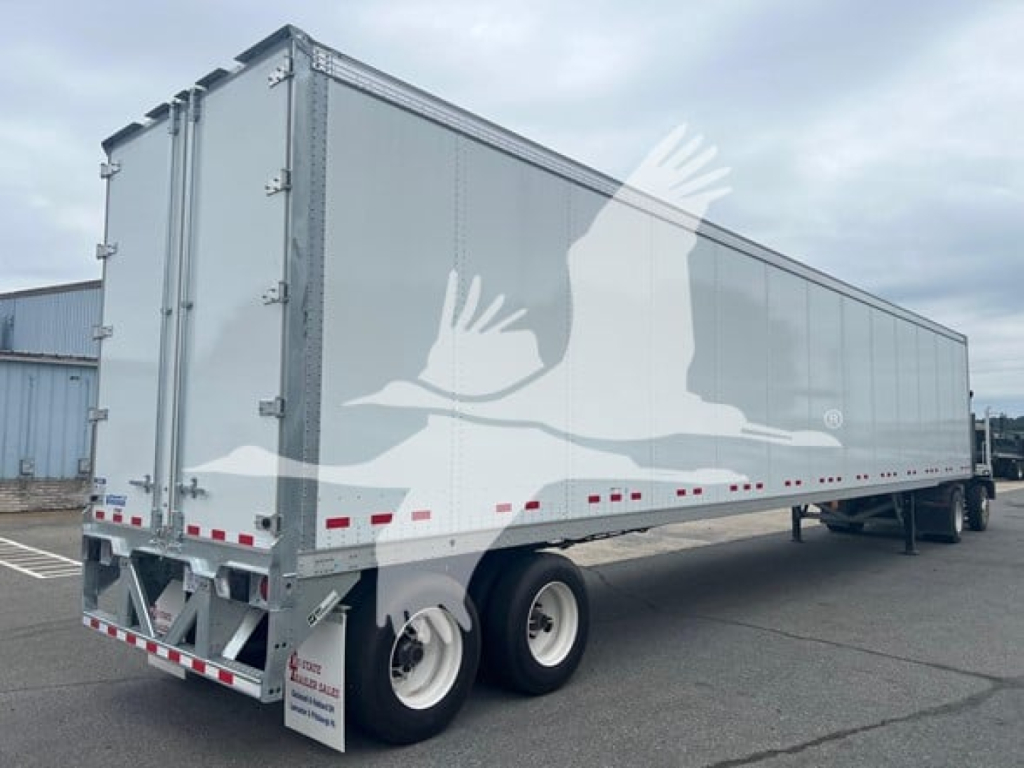
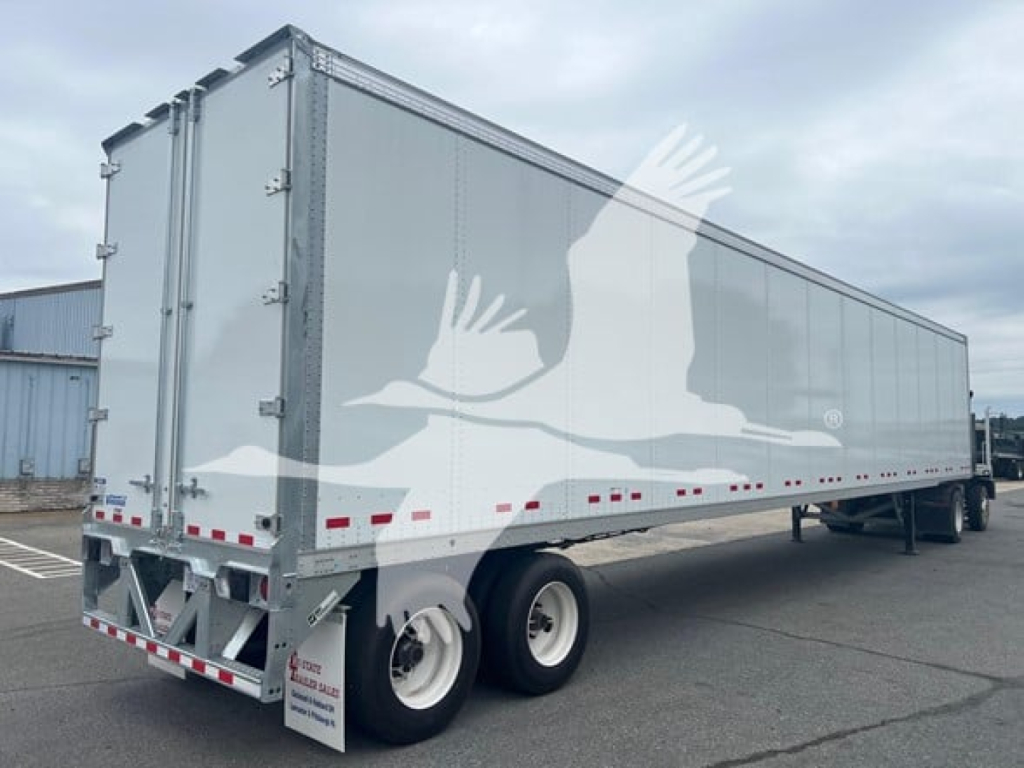
Shop new Vanguard dry van trailers in Indiana, including 53-foot van specs, composite plate and sheet-and-post designs, and fleet-ready options.
Learn more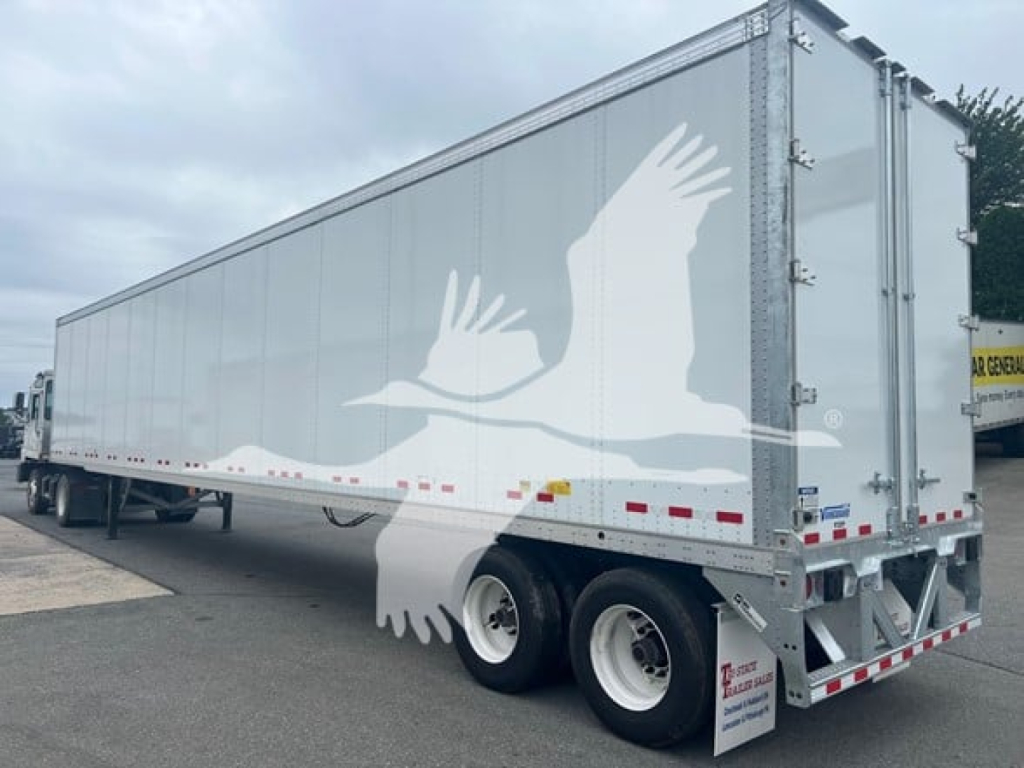
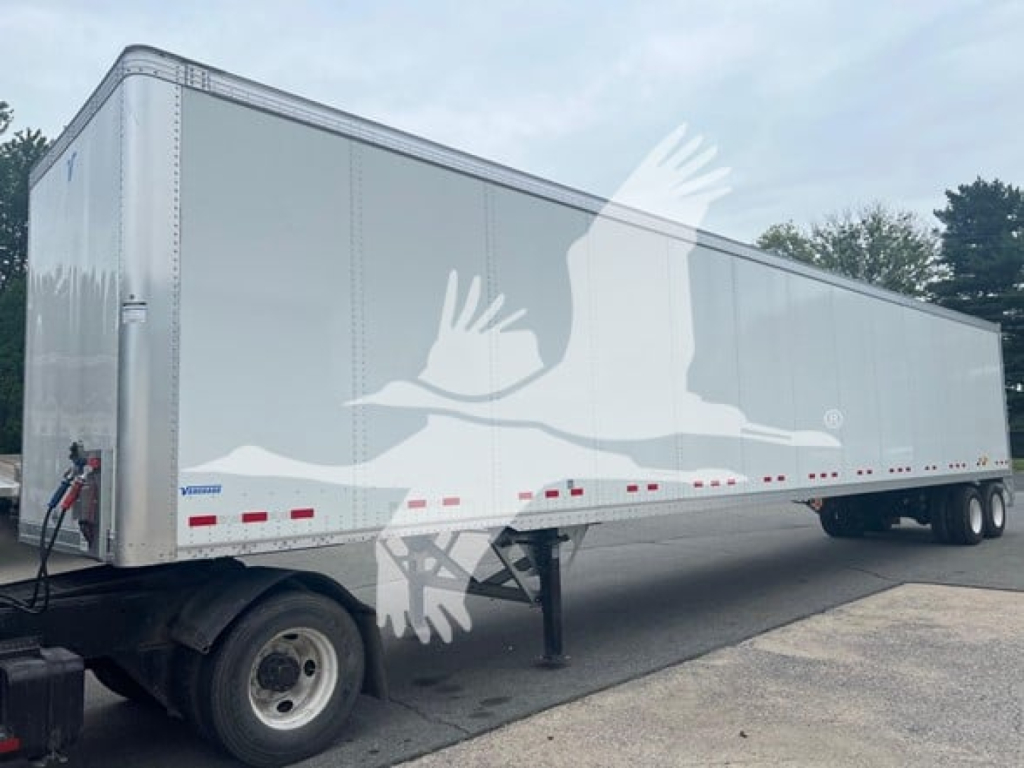
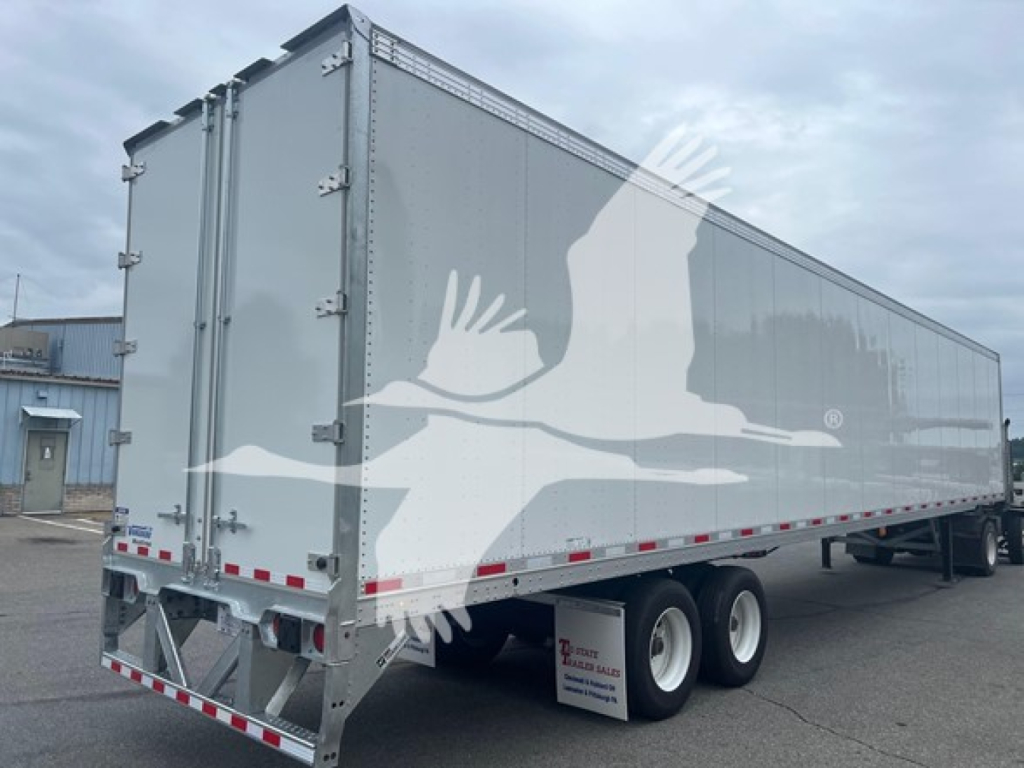
Showing 13 to 18 of 18 results
Have new vanguard trailer to sell? List it here to reach thousands of buyers.
About New Vanguard Trailers in Indiana
One of the first decisions is sidewall construction. Vanguard VXP plate vans use composite plate side panels, which can appeal to fleets focused on cleaner exterior appearance, good impact resistance, and a more modern plate van spec. Vanguard MaxCube sheet-and-post trailers use a more traditional smooth aluminum sheet-and-post design with closer post spacing, often favored by buyers who want a familiar repair profile and proven dry freight performance. Important details include logistics posts for load securement flexibility, scuff liners or integral aluminum scuff protection, full-height nose lining, galvanized rear frames, and reinforced bumpers for dock-lock use. These are the specs that matter when the trailer is cycling through crowded docks every day.
Under the trailer, most buyers in this class want a fleet-standard running gear package that keeps maintenance simple across a larger operation. Common specs include air ride suspension, sliding tandems with 49-inch settings and long slide rails, 295/75R22.5 tires, two-speed landing gear, and Bendix ABS. Tire inflation systems such as Hendrickson TireMaax PRO are a notable value point because they help maintain tire pressure, reduce irregular wear, and improve uptime. Floor construction also deserves attention. A 1 3/8-inch oak floor with multiple screws per board remains a common benchmark for dry van durability, and floor ratings should be matched to the type of freight and forklift traffic the trailer will actually see.
For Indiana buyers, these Vanguard dry vans fit well in regional and long-haul lanes tied to warehousing, manufacturing, and Midwest distribution. The key is not just buying a new van trailer, but buying the right van spec for the freight mix, loading pattern, and maintenance strategy. Look closely at crossmember spacing, kingpin setting, interior width, door opening dimensions, side lining material, and corrosion-resistant features such as galvanized rear structure. Those details directly affect cube efficiency, dock compatibility, service life, and resale strength over the trailer’s working life.
Frequently Asked Questions
What is the difference between a Vanguard VXP plate van and a Vanguard MaxCube sheet-and-post trailer?
A Vanguard VXP plate van uses composite plate sidewalls, while a MaxCube sheet-and-post trailer uses a traditional aluminum sheet-and-post side construction. Plate vans are often chosen for their clean sidewall appearance and strong resistance to day-to-day exterior abuse. Sheet-and-post designs remain popular because they are familiar to many fleets and repair shops, and they offer a proven structure for general dry freight service. The better choice depends on freight type, repair preferences, and how the trailer will be used in a dock-heavy operation.
What are the most common specs on a new Vanguard dry van trailer?
A typical new Vanguard dry van in this class is a 53-foot by 102-inch trailer with tandem axles, air ride suspension, a sliding tandem, and an oak floor. Many are built with about 110 inches of interior height, a 99-inch rear door opening width, logistics posts for load securement, galvanized rear frame components, and dock-ready bumper reinforcement. Fleet buyers also pay close attention to kingpin setting, crossmember spacing, tire size, and ABS configuration because those specs affect bridge compliance, durability, and maintenance planning.
Is a new Vanguard dry van trailer a good fit for general freight?
Yes. Dry van trailers from Vanguard are designed for enclosed freight that needs weather protection, security, and efficient dock loading. They are commonly used for palletized freight, retail goods, packaged products, consumer items, and many warehouse-to-distribution center moves. The enclosed body protects cargo from road spray and weather, while the high-cube 53-foot design gives carriers strong payload volume for standard over-the-road and regional haul applications.
Why do buyers pay attention to crossmember spacing and floor rating on a dry van?
Crossmember spacing and floor rating affect how well the trailer handles repeated forklift loading and concentrated cargo weight. Tighter crossmember spacing can improve floor support and reduce long-term wear in demanding service. A stronger floor rating matters if the trailer will see heavy pallets, frequent loading cycles, or more aggressive warehouse use. Buyers should match these specs to real operating conditions instead of treating all dry vans as equal, because floor and understructure choices have a direct impact on service life and repair costs.
What features help reduce maintenance on a new Vanguard trailer?
Corrosion-resistant components and fleet-standard running gear are two of the biggest maintenance advantages. Galvanized rear frames and bumpers can hold up better in harsh weather and repeated dock contact. Air ride suspension from major brands, two-speed landing gear, standardized tire sizes, and ABS from established suppliers simplify parts sourcing and service work. Automatic tire inflation systems are also valuable because they help maintain proper pressure, reduce shoulder wear, and support better tire life across long mileage operations.