
New 2027 Vanguard Trailers For Sale in Indiana
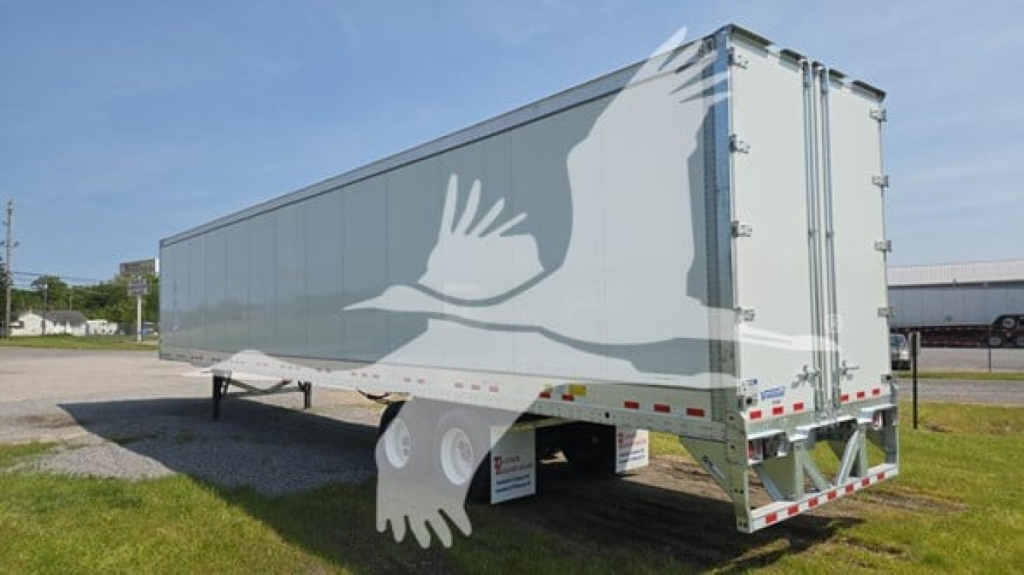
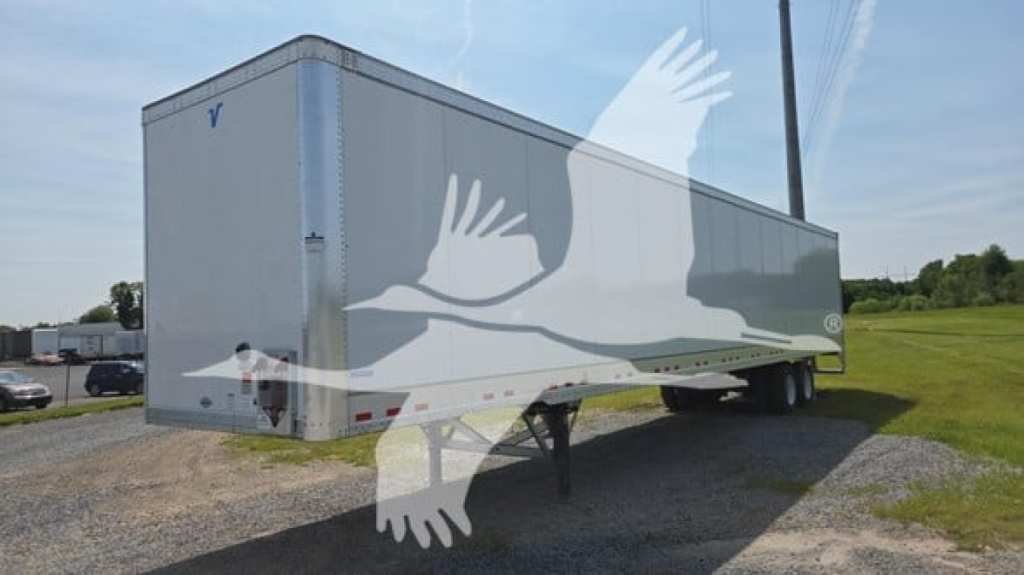
Shop new 2027 Vanguard trailers in Indiana, including dry van models with air ride, sliding tandems, composite or sheet-post construction.
Learn more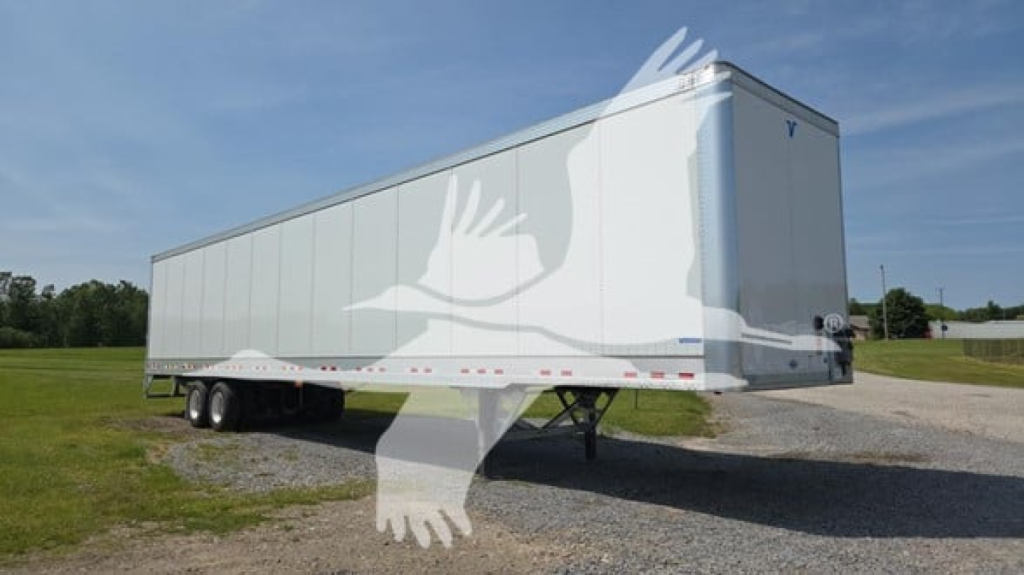
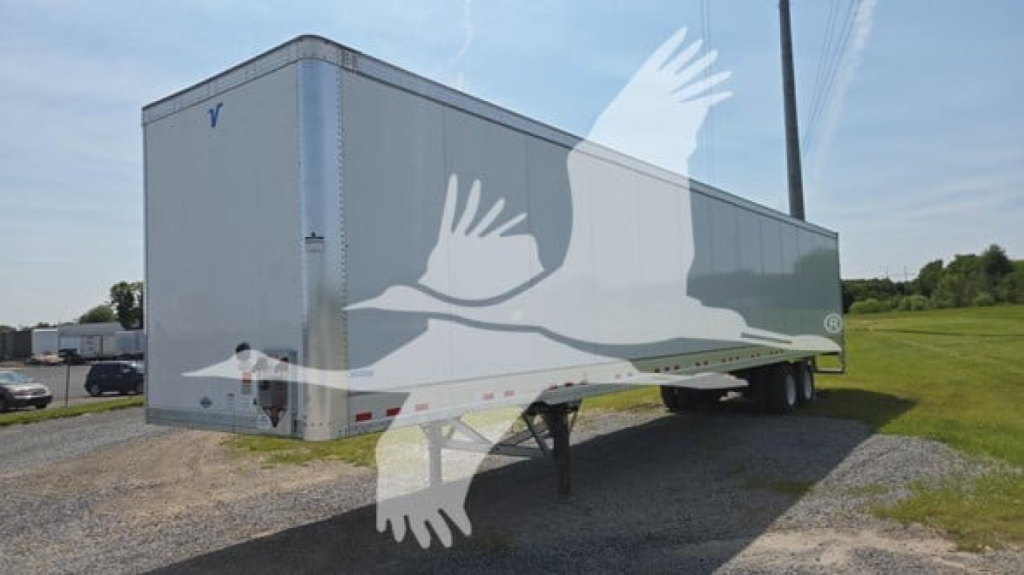
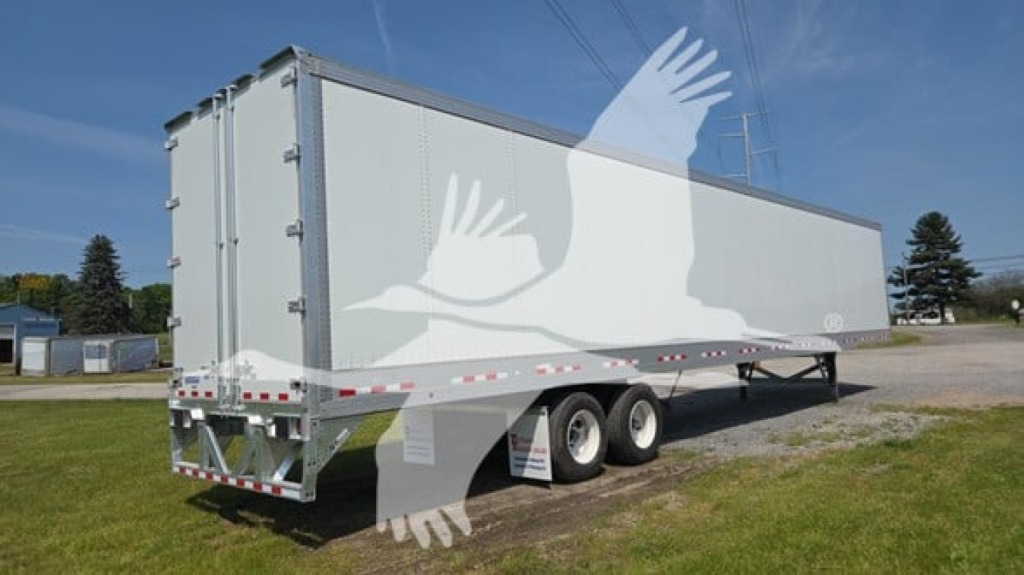
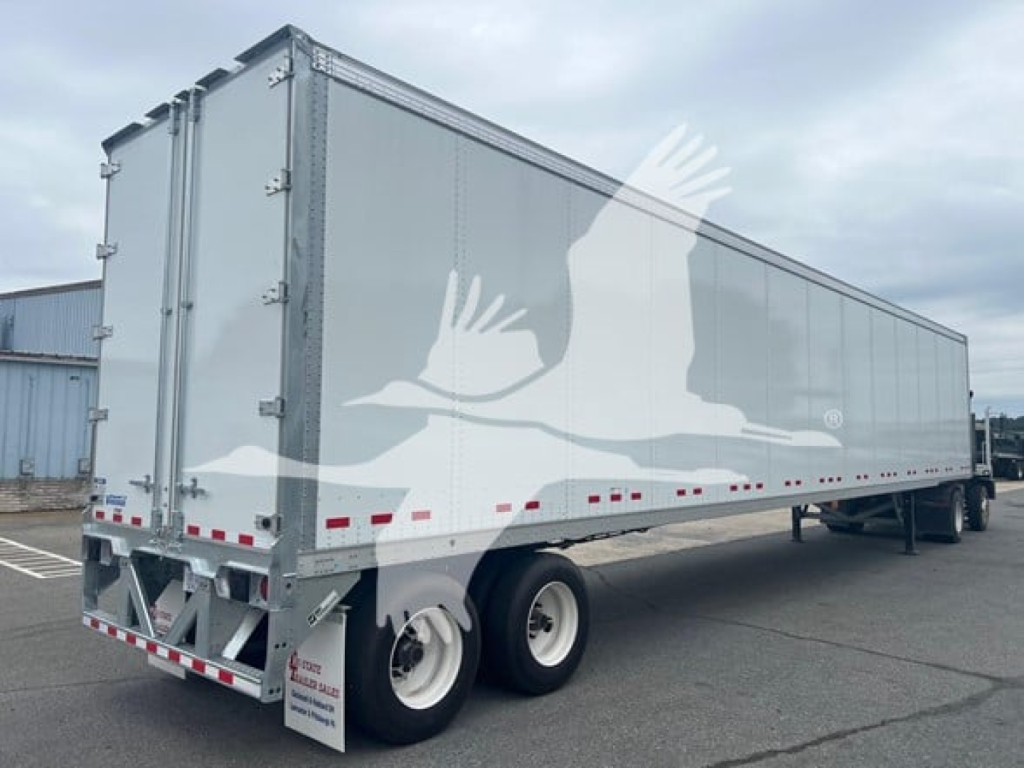
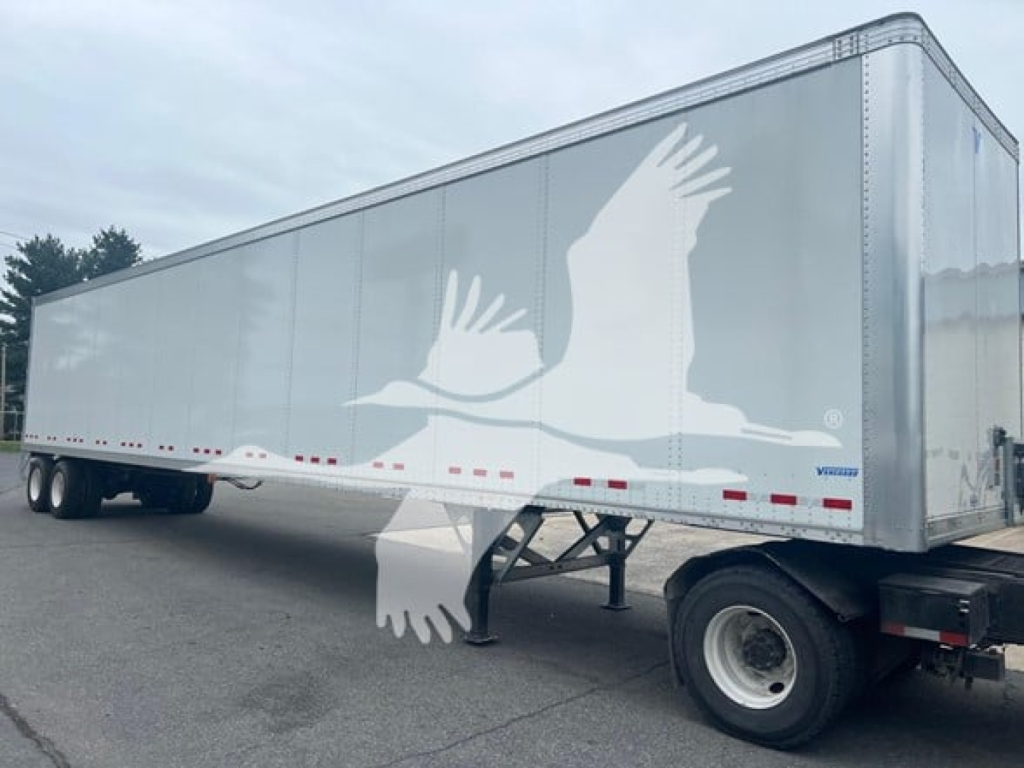
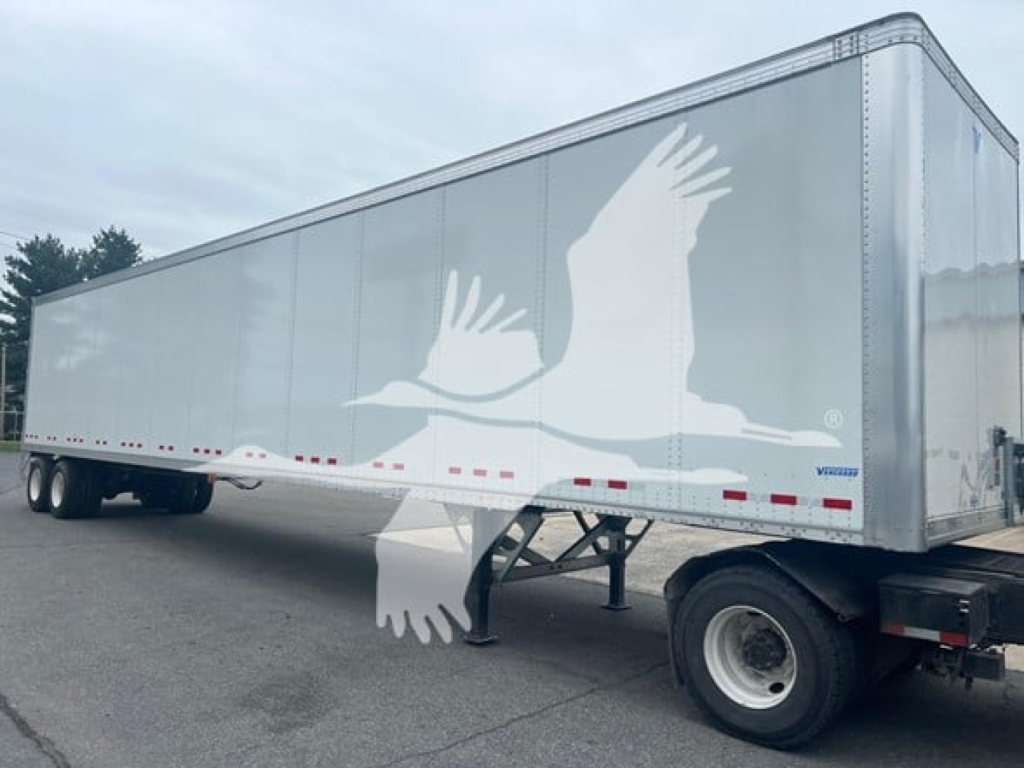
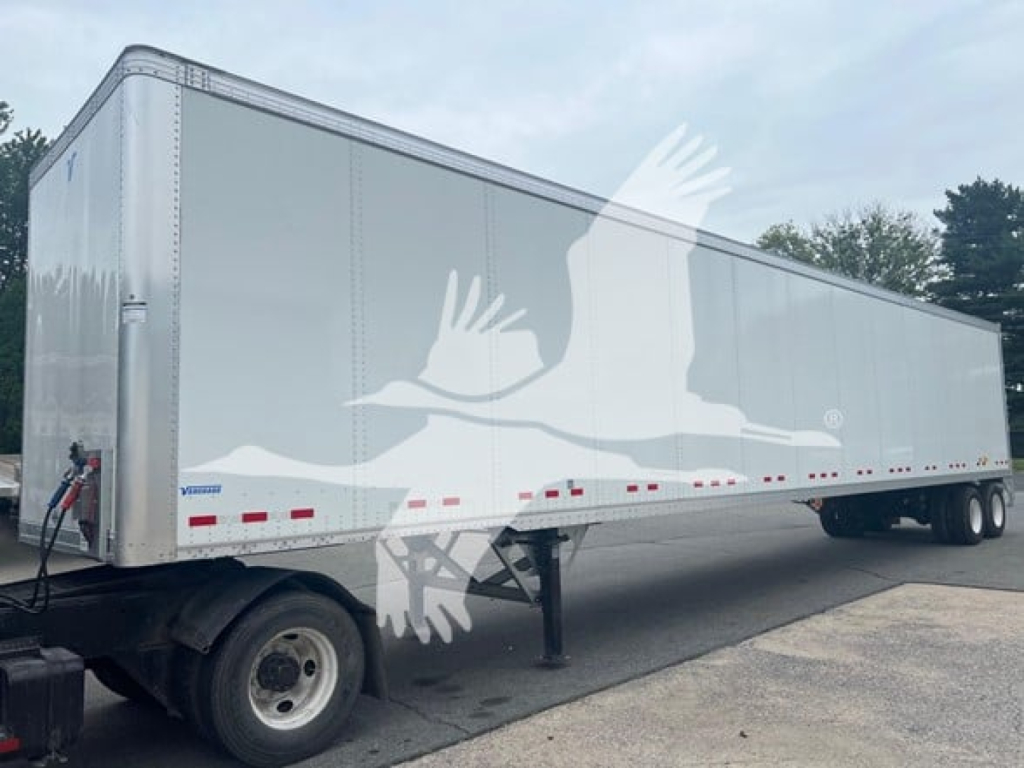
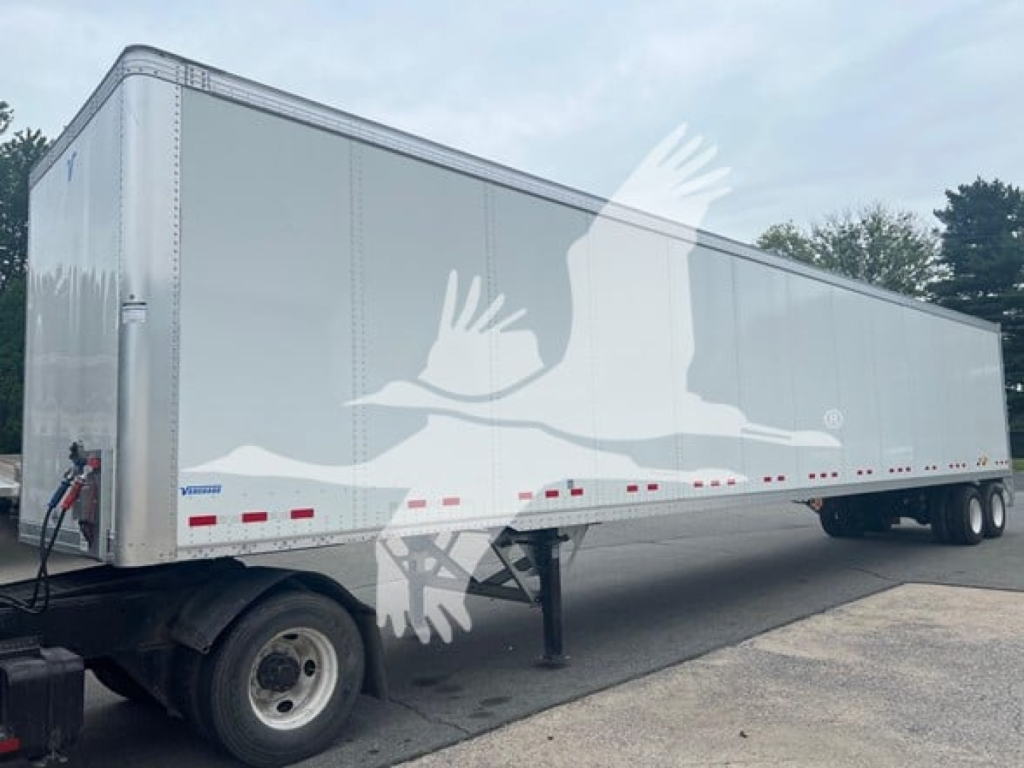
Showing 1 to 12 of 18 results
Have new 2027 vanguard trailer to sell? List it here to reach thousands of buyers.
About New 2027 Vanguard Trailers in Indiana
For many buyers, the first real decision is sidewall construction. Vanguard VXP composite plate vans use a bonded panel design that can offer a clean interior, good appearance retention, and solid resistance to everyday freight contact. Sheet-and-post trailers use aluminum skin with closely spaced posts and remain a familiar choice for fleets that prioritize repairability and conventional van construction. Buyers hauling packaged goods, palletized freight, and multi-stop distribution often pay close attention to logistics post spacing, scuff liner design, nose lining, and rear door construction because those details directly affect trailer life in forklift-heavy service.
Most new Vanguard dry vans in this group follow a standard fleet-ready spec: 53-foot length, 102-inch width, 13-foot 6-inch overall height, tandem axles, air ride suspension, and a 49-inch sliding tandem. You will also commonly see a 36-inch kingpin setting, Jost two-speed landing gear, galvanized rear frames, dock-lock reinforced bumpers, and 1 3/8-inch oak flooring. Suspension packages such as the Hendrickson HKANT40K, along with TireMaax PRO tire inflation systems and Bendix ABS, are common on newer fleet specs because they support tire life, stability, and compliance. Interior dimensions around 110 inches high and door openings near 99 inches wide are typical and important if your freight profile includes high-cube pallet loads or frequent dock transfers.
Indiana buyers often compare these trailers based on freight type, terminal environment, and maintenance philosophy rather than headline dimensions alone. A high base rail design and tighter crossmember spacing can make sense for operations dealing with repeated forklift traffic or heavier concentrated floor loads. Galvanized rear structure is a practical advantage in Midwest service where weather and road treatment can accelerate corrosion. When comparing new 2027 Vanguard trailers, focus on side construction, floor rating, tandem slider setup, tire system spec, and interior protection features such as scuff liners and nose reinforcement. Those are the details that separate a basic van trailer from one that holds up better over years of dock work and regional or over-the-road service.
Frequently Asked Questions
What is the difference between a Vanguard composite plate van and a sheet-and-post van?
A composite plate van uses bonded side panels that create a smooth, durable wall structure and a cleaner interior surface. A sheet-and-post van uses aluminum skin supported by vertical posts, which many fleets prefer for its familiar construction and straightforward repair practices. The better choice depends on your damage patterns, body shop preferences, and how heavily the trailer will be exposed to forklift contact and dock abuse.
What specs matter most when buying a new 2027 Vanguard dry van trailer?
The most important specs are usually sidewall construction, floor design, suspension, tandem slider length, kingpin setting, and corrosion protection. Buyers should also verify inside height, door opening dimensions, logistics post spacing, scuff liner configuration, and whether the trailer includes tire inflation systems or galvanized rear components. These details affect loading efficiency, maintenance cost, and how well the trailer matches your freight lanes and customer docks.
Is air ride suspension standard on most new Vanguard van trailers?
Air ride suspension is very common on new fleet-spec Vanguard dry vans and is often preferred for ride quality and cargo protection. It helps reduce shock transfer to sensitive freight and is widely accepted in general freight, retail, and dedicated contract carriage applications. Buyers should still confirm the exact suspension model, axle rating, and slider arrangement because those items affect serviceability and weight distribution.
Why does a sliding tandem matter on a 53-foot van trailer?
A sliding tandem gives the operator flexibility to adjust axle position for bridge law compliance, state-by-state legal requirements, and dock approach needs. A common 49-inch sliding tandem setup on a 53-foot dry van helps fleets adapt the trailer to different loads and lane requirements without changing equipment class. It is a key spec for carriers that run multi-state routes or handle varying pallet counts and load distributions.
Are Vanguard dry vans a good fit for Midwest freight operations in Indiana?
Vanguard dry vans are well suited to Indiana freight operations because they align with common Midwest lane demands such as retail distribution, manufacturing freight, and warehouse-to-dock work. Features like galvanized rear frames, reinforced bumpers, oak floors, and heavy-duty scuff protection are useful in regions where trailers see frequent dock contact, seasonal weather, and high trailer utilization. The right configuration depends on whether your operation is focused on general over-the-road freight, dedicated regional work, or repeated forklift loading.