
Used 2014 Wabash Van Trailers For Sale
Shop used 2014 Wabash van trailers with specs buyers want, including 53-foot dry vans, air ride, roll-up doors, roof and floor details.
Learn more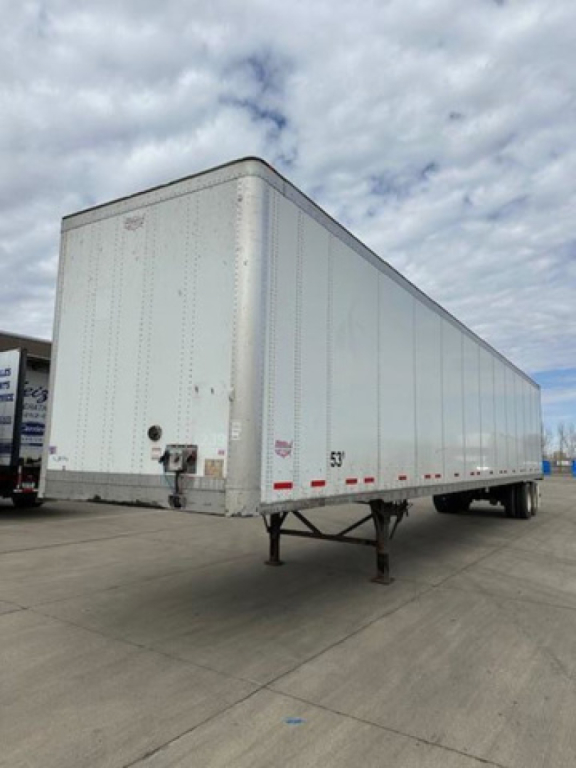
Showing 25 to 28 of 28 results
Have used 2014 wabash van trailer to sell? List it here to reach thousands of buyers.
About Used 2014 Wabash Van Trailers
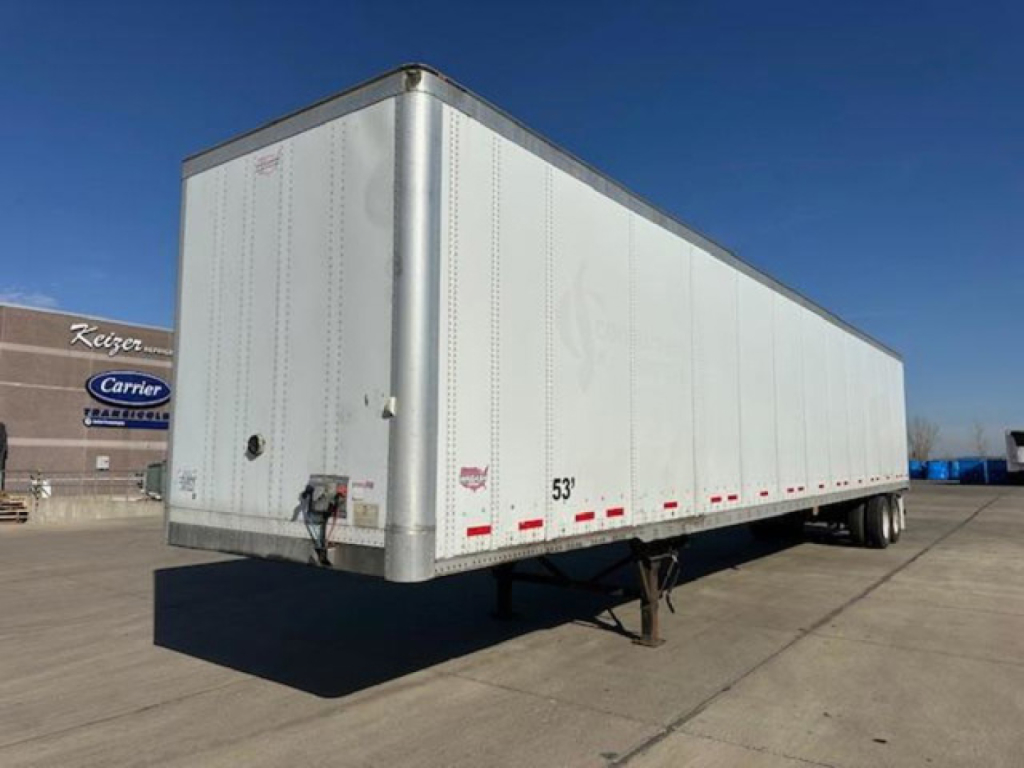
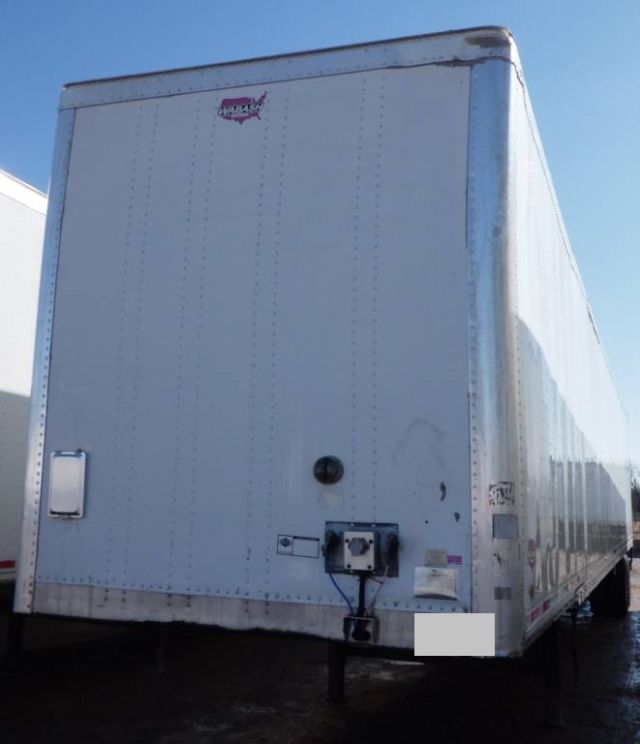
For most buyers, the first decision is structural layout. A 2014 Wabash dry van may be built with aluminum and steel construction, wood-over-steel flooring, aluminum roof components, and either post or plate sidewalls. Plate vans can be attractive in high-abuse service because the sidewall structure is more resistant to forklift strikes and dock damage, while post-style logistics vans may offer more flexibility for freight securement and wall repairs. Look closely at floor thickness, crossmember spacing, threshold wear, rear frame condition, and signs of previous patching around the nose, roof seams, and door surround. Plastic or plywood lining, steel scuff liners, logistics posts, and translucent roof panels are all common details that affect day-to-day usability.
Running gear and cargo access matter just as much as the box. Many 2014 Wabash van trailers are equipped with air ride suspension, but spring ride units are also seen in mixed fleets and older-spec regional service. Tandem slide suspensions are common on 53-foot trailers because they help with bridge law compliance and axle weight distribution, while fixed tandems or single-axle setups are more likely on shorter specialty vans. Tire size is commonly 295/75R22.5, with steel or hub-piloted wheels. Buyers should verify brake lining percentage, tire tread depth across all positions, wheel-end condition, slider rail wear, and the operation of the landing gear. Rear door choice is important too. Roll-up doors are practical at tight docks and city stops, but they reduce some interior clearance and add hardware that should be checked for track wear and cable condition.
A used 2014 Wabash van trailer can be a strong value if the body remains square, dry, and structurally sound. Water intrusion, floor soft spots, roof bow damage, sidewall delamination, and rear frame corrosion can cost more than the purchase price difference between two similar trailers. Buyers moving grocery, consumer goods, packaging, or light industrial freight should compare interior height, door opening, lining type, and any liftgate or dock equipment already installed. The best trailer for the job is not simply the cheapest 2014 Wabash van. It is the one with the right floor, suspension, door configuration, and maintenance history for the lanes and freight it will actually handle.
Frequently Asked Questions
What are the most common specs on a used 2014 Wabash van trailer?
The most common setup is a 53-foot dry van with a 102-inch outside width, tandem axles, air brakes, and either air ride or spring suspension. Many have wood floors over steel supports, aluminum roof components, logistics posts or scuff liners, and roll-up or swing rear doors. Plate-side 40-foot units and specialty configurations also exist, so it is important to confirm length, interior height, tandem type, and door opening before comparing trailers.
Is a 2014 Wabash plate van better than a post-and-panel dry van?
That depends on the freight and loading environment. A plate van is often preferred in tougher service because the sidewalls handle impact and abrasion better, especially where forklifts frequently contact the walls. A post-and-panel van can still be an excellent choice for general freight and may be easier to repair in some cases. Buyers should match the wall construction to cargo type, dock frequency, and how rough the loading process tends to be.
What should I inspect first on a used 2014 Wabash dry van?
Start with the floor, roof, rear frame, and suspension. Check for soft floor sections, broken or patched crossmembers, daylight or water staining at roof seams, and corrosion around the rear sill and door frame. Then inspect tires, brakes, wheel ends, slider operation if equipped, and the landing gear. Inside the box, look for liner damage, wall bulges, and signs that the trailer is out of square. Structural condition usually matters more than cosmetic appearance.
Are roll-up doors a good choice on a Wabash van trailer?
Roll-up doors work well in city and dock operations because they do not swing outward and are less likely to contact nearby equipment or structures. They are especially useful where trailers are opened frequently in tight spaces. The tradeoff is added hardware, reduced clear opening height compared with some swing door setups, and more moving parts to inspect. Buyers should check roller tracks, cable condition, door balance, and frame wear before putting a roll-up door trailer into regular service.
How long can a 2014 Wabash van trailer stay productive in a fleet?
A well-maintained Wabash dry van can remain productive for many years beyond 2014 if the structure, floor, and running gear are kept up. Dry vans often age well when they avoid chronic overloading, major forklift damage, and repeated water intrusion. Service life depends heavily on freight type, road conditions, climate exposure, and maintenance discipline. A trailer with a dry roof, solid floor, straight frame, and documented brake and tire upkeep can still be a practical fleet asset.