
Used 2008 Wabash Van Trailers For Sale
Browse used 2008 Wabash van trailers, including dry van specs, common configurations, door types, suspension, dimensions, and buyer checks.
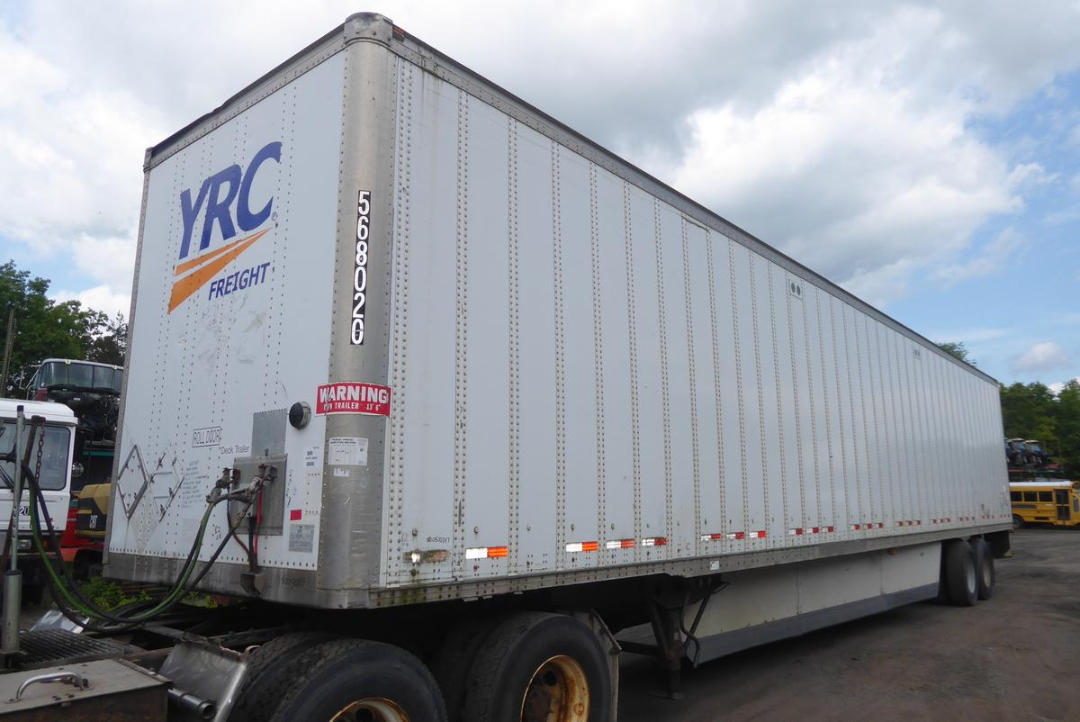
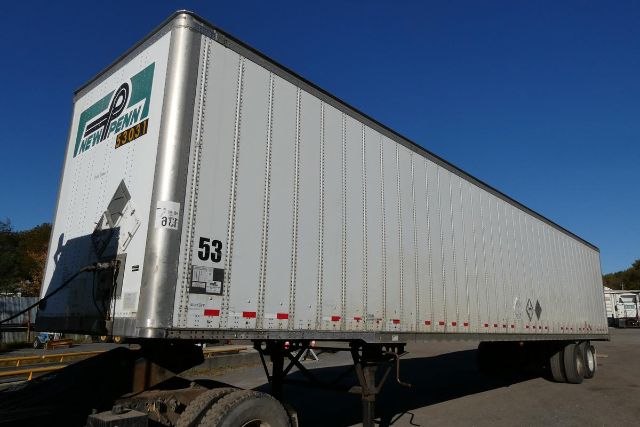
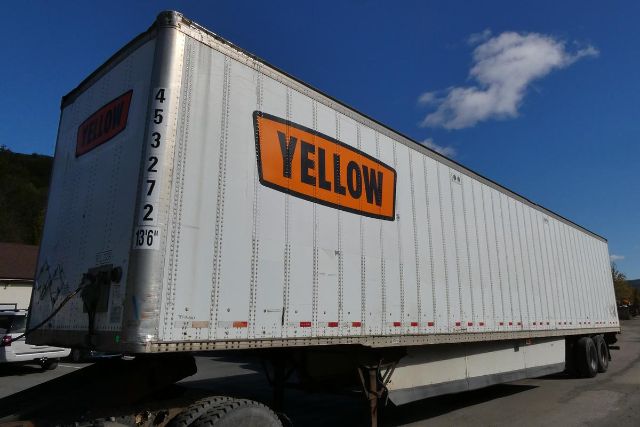
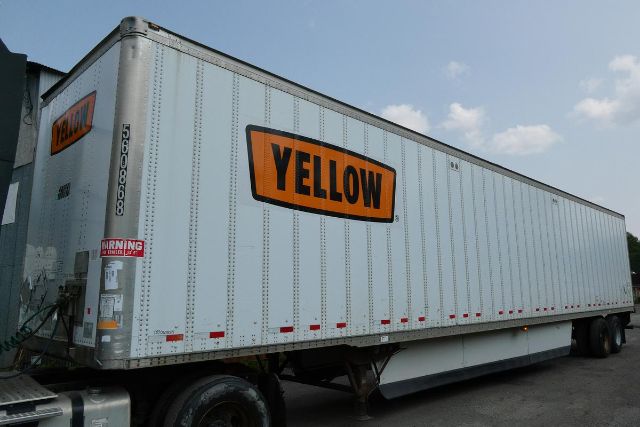
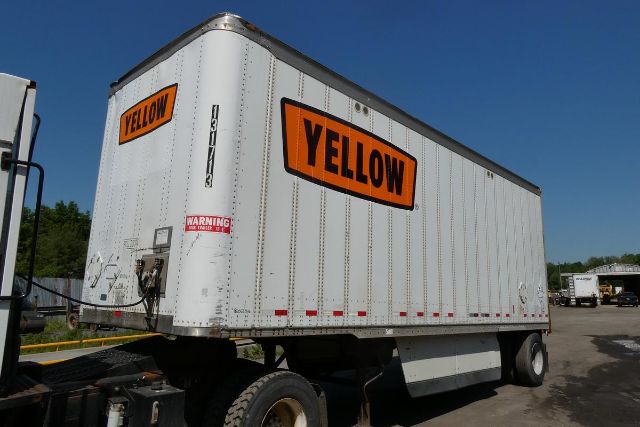
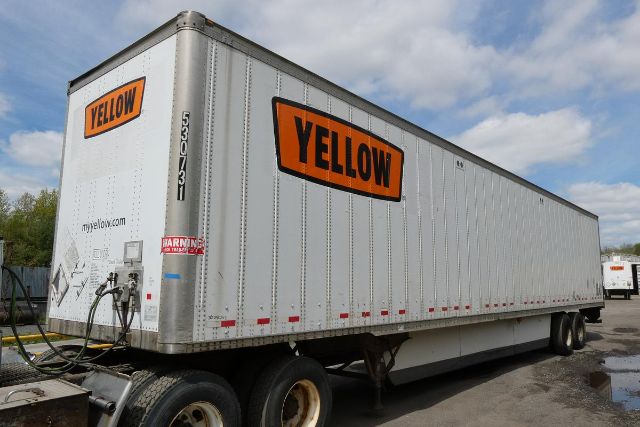
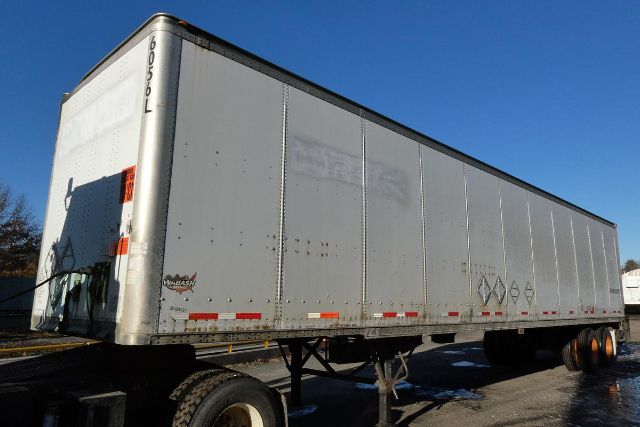

Showing 1 to 24 of 29 results
Have used 2008 wabash van trailer to sell? List it here to reach thousands of buyers.
Used 2008 Wabash Van Trailers
The main buying decision usually comes down to length, suspension, and door configuration. A 53-foot Wabash van is the standard choice for high-cube dry freight, while some 45-foot units still fit specialized regional work or customer requirements. Common setups on 2008 models include slideable closed tandems, 4-spring suspension, air brakes, and 22.5-inch wheel packages with steel hub-pilot rims. Roll-up rear doors are common and useful for frequent dock stops, but buyers should pay close attention to door frame condition, roof bows, rear impact area repairs, and signs of twist or sway from hard loading cycles. Translucent roofs are also seen on some units and can improve interior visibility during daytime loading.
On a used 2008 trailer, condition matters more than the badge on the nose. Check floor wear at the rear third of the trailer, especially under forklift traffic, and inspect scuff liner condition, sidewall integrity, crossmember corrosion, and landing gear operation. Tire age, tread depth, brake condition, bushing wear, and slider functionality all affect near-term operating cost. If the trailer has mixed tire sizes or evidence of patchwork repairs, it is worth verifying ride height, axle alignment, and how evenly the trailer tracks under load. Buyers comparing older Wabash vans should also confirm interior dimensions, load width, and load height, especially if the trailer will be used for palletized freight, e-commerce freight, or light packaging where cube is just as important as payload.
Wabash trailers have long been common in large fleet service, so parts support and shop familiarity are generally good. That makes a used 2008 Wabash van a sensible category for buyers who want a recognized dry van platform without stepping into late-model pricing. The best value is usually found in a trailer with a clean frame, solid floor, functional slider, and documented brake and tire maintenance. For many operations, a sound older van trailer can still be a dependable revenue unit if the structure is straight and the running gear does not need immediate catch-up work.
Frequently Asked Questions about Used 2008 Wabash Van Trailers
What should I inspect first on a used 2008 Wabash van trailer?
Start with the structure and running gear. Inspect the floor for forklift damage, soft spots, and excessive wear at the rear, then check the sidewalls, roof, rear frame, crossmembers, and landing gear. After that, inspect suspension components, brake condition, slider rails and locking pins, tire tread and age, wheel ends, and axle alignment. On an older dry van, structural integrity and deferred maintenance will usually matter more than cosmetic appearance.
Are 2008 Wabash van trailers usually 53-foot dry vans?
Many are 53-foot dry vans, but this category can also include 45-foot units and different body specifications depending on the original fleet order. A 53-foot trailer is the most common choice for maximizing freight cube and standard dock work, while shorter trailers may show up in regional service, route-specific applications, or legacy fleet operations. Buyers should verify overall length, interior height, and tandem position rules against the freight and states they run.
What suspension and axle setups are common on older Wabash van trailers?
Common configurations include tandem axles with a slideable closed tandem setup, often paired with 4-spring suspension on older fleet-spec trailers. Some units may also have air ride depending on how they were originally ordered. The right setup depends on the freight, maintenance preference, and ride requirements. Spring suspension can be simple and durable, while air ride may be preferred for more sensitive freight and dock consistency.
Is a roll-up door better than swing doors on a used van trailer?
A roll-up door is common on dry vans used in frequent dock service because it is quick to operate and does not require rear door swing clearance. The tradeoff is reduced clear opening height compared with swing doors and more moving parts to inspect, including tracks, springs, and rollers. For a used trailer, the better choice depends less on theory and more on actual condition, seal integrity, and how the trailer will be loaded day to day.
How heavy is a used 2008 Wabash van trailer?
Weight varies by length, body construction, and original specification, but many older Wabash van trailers fall in the low-to-mid 13,000-pound range for lighter specs and can run higher depending on steel content, repairs, added equipment, and fleet options. A heavier trailer can reduce payload, so buyers hauling weight-sensitive freight should confirm empty weight on a scale ticket rather than relying only on estimated spec sheets.