
Used 2007 Wabash Van Trailers For Sale in New York
Shop used 2007 Wabash van trailers in New York. Compare 53-foot dry van specs, tandem slider setups, dimensions, and common freight features.
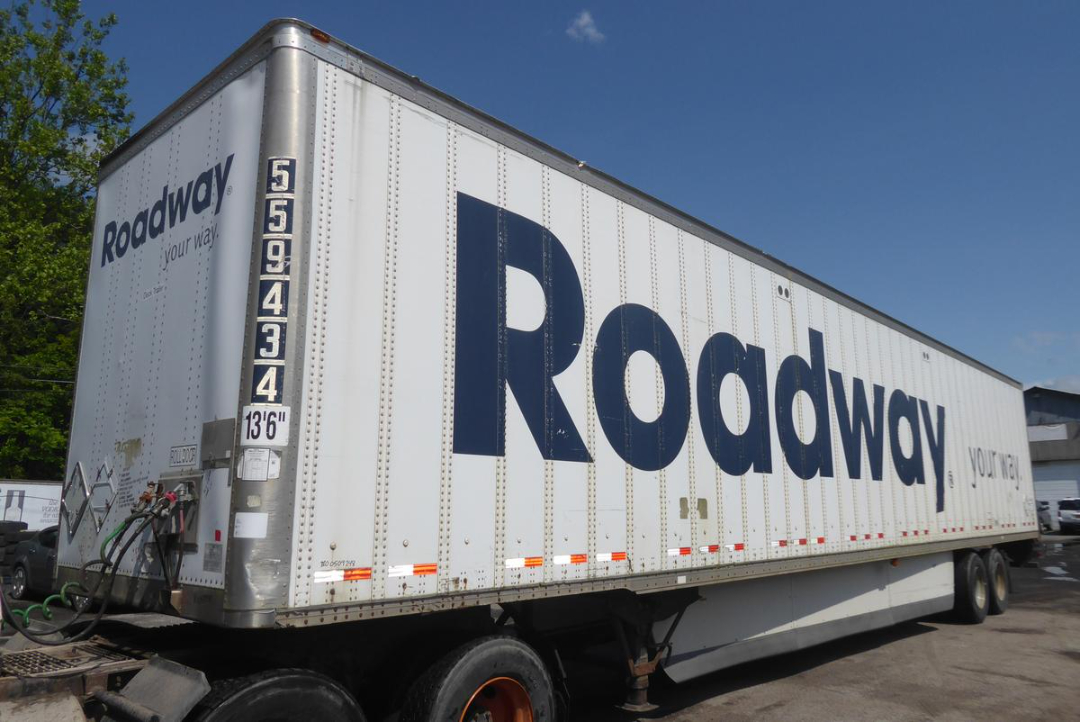
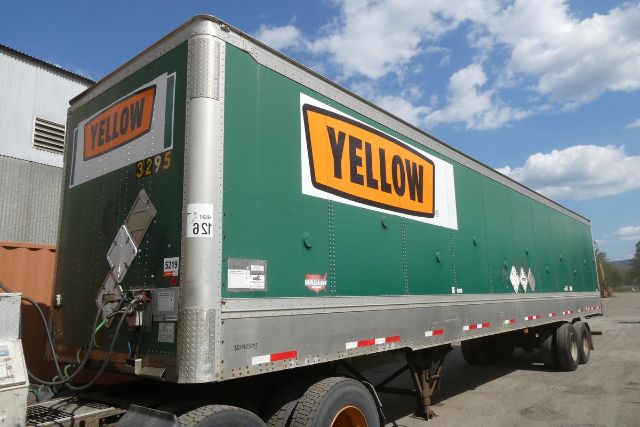
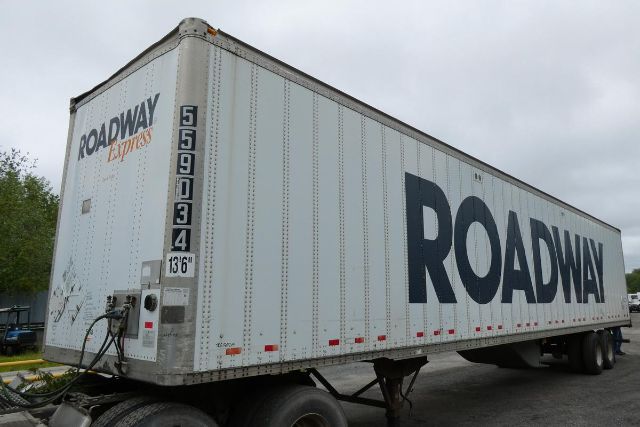
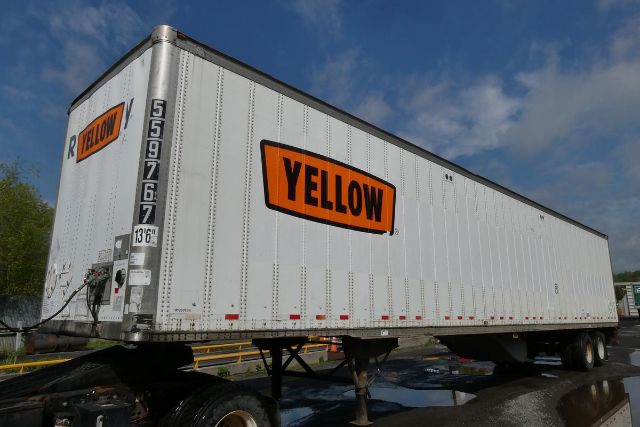

Have used 2007 wabash van trailer to sell? List it here to reach thousands of buyers.
Used 2007 Wabash Van Trailers in New York
For buyers comparing listings, the big decision points are usually floor condition, roof integrity, rear frame area, and slider operation. A 2007 Wabash van often carries a GVWR around 68,000 pounds and an empty weight in the mid-14,000 to mid-15,000 pound range, so payload potential depends heavily on actual tare weight and how much prior repair work has been done. Check the crossmembers, threshold plate, logistics posts, scuff area, and door hardware closely. Roll-up doors save space at the dock, but worn rollers, bent tracks, or damaged surrounds can turn into frequent maintenance items if they are ignored.
Wabash dry vans from this period are commonly spec'd with spring suspension, steel hub-piloted wheels, and 295/75R22.5 tires, though tire size can vary by fleet history. Slideable closed tandem axles matter if the trailer will run in states with bridge-law concerns, tight weight distribution requirements, or customer yards that demand precise kingpin settings. In New York and the Northeast, buyers should pay extra attention to corrosion on the rear sill, landing gear mounts, brake components, and the underside generally. Seasonal road treatment can age an older trailer faster than the side panels suggest.
A 2007 Wabash van trailer makes the most sense for operators who want a standard dry van platform without paying late-model pricing. It is also known as a dry van trailer, enclosed van trailer, or box trailer in some fleets. The best units in this category are the ones with a straight frame, dry roof, sound floor, clean DOT-ready brake system, and a slider that moves as it should. If the trailer has side skirts, side windows, or prior fleet-spec add-ons, make sure those features match your actual application rather than adding complexity without value.
Frequently Asked Questions about Used 2007 Wabash Van Trailers in New York
What are the typical specs on a used 2007 Wabash van trailer?
A used 2007 Wabash van trailer is commonly a 53-foot dry van with 102-inch width, about 13-foot 4-inch overall height, tandem sliding axles, air brakes, and aluminum-steel composite construction. Many have wood-over-steel floors, roll-up rear doors, and GVWR ratings around 68,000 pounds. Actual empty weight often falls in the mid-14,000 to mid-15,000 pound range, but repairs, liners, and added equipment can change tare weight.
What should I inspect first on an older Wabash dry van trailer?
Start with the floor, roof, rear frame, and tandem slider. Floor rot, soft spots, broken boards, and worn threshold plates affect daily loading and forklift use. Roof leaks can damage freight and point to prior impact or seam failure. Rear frame corrosion, hinge wear, and roll-up door track issues are common on older vans. The slider should lock and move correctly, and brake system condition should be verified before focusing on cosmetic appearance.
Is a 2007 Wabash van trailer still a good fit for commercial freight?
Yes, if the trailer has been maintained and matches the freight. A 2007 Wabash dry van can still serve well in regional haul, dedicated lanes, warehouse shuttles, and general dry freight service. The value is strongest when the trailer is structurally sound, the brakes and suspension are serviceable, and the body is dry and straight. For premium shipper freight or strict customer appearance standards, condition matters as much as age.
Why does the tandem slider matter on a van trailer in New York?
A tandem slider helps with bridge-law compliance, axle weight distribution, and loading flexibility. In New York and throughout the Northeast, changing axle position can be important for legal scaling and for balancing heavy palletized freight. A properly working slider also helps when adjusting kingpin-to-rear-axle dimensions for customer docks, state regulations, and different dispatch needs.
Are side skirts and side windows useful on a used van trailer?
They can be, but only when they fit the operation. Side skirts may improve aerodynamics in linehaul service, though damaged skirts can become a maintenance nuisance on older trailers. Side windows are more specialized and may matter for certain route or fleet applications, but they are not a core requirement for standard dry van freight. Buyers should prioritize structural condition, door operation, and floor life ahead of add-on features.