
Used 2003 Wabash Van Trailers For Sale in New York
Browse used 2003 Wabash van trailers for sale in New York. Compare 48' dry van specs, sliding tandems, roll-up doors, and aluminum-steel builds.
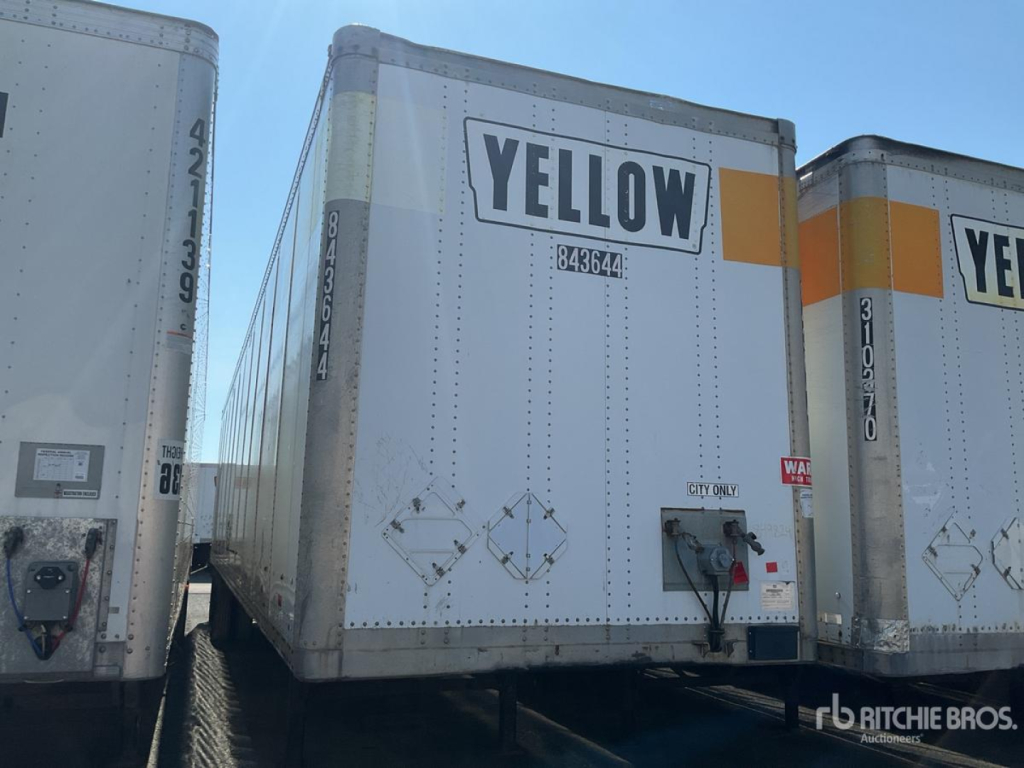
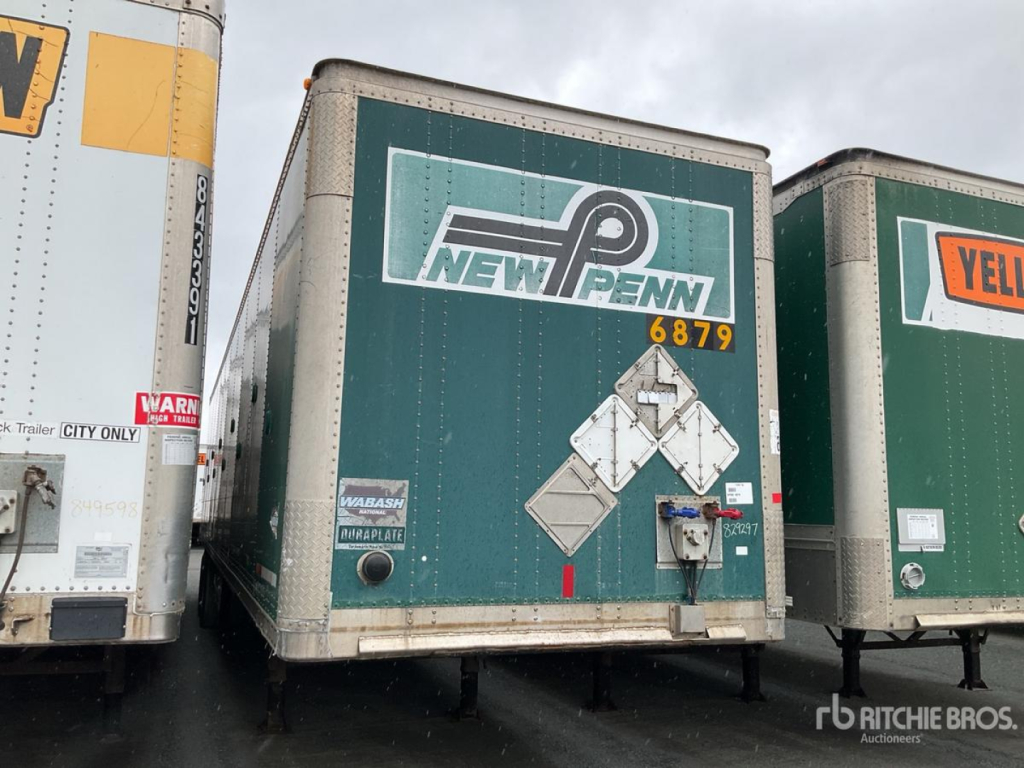
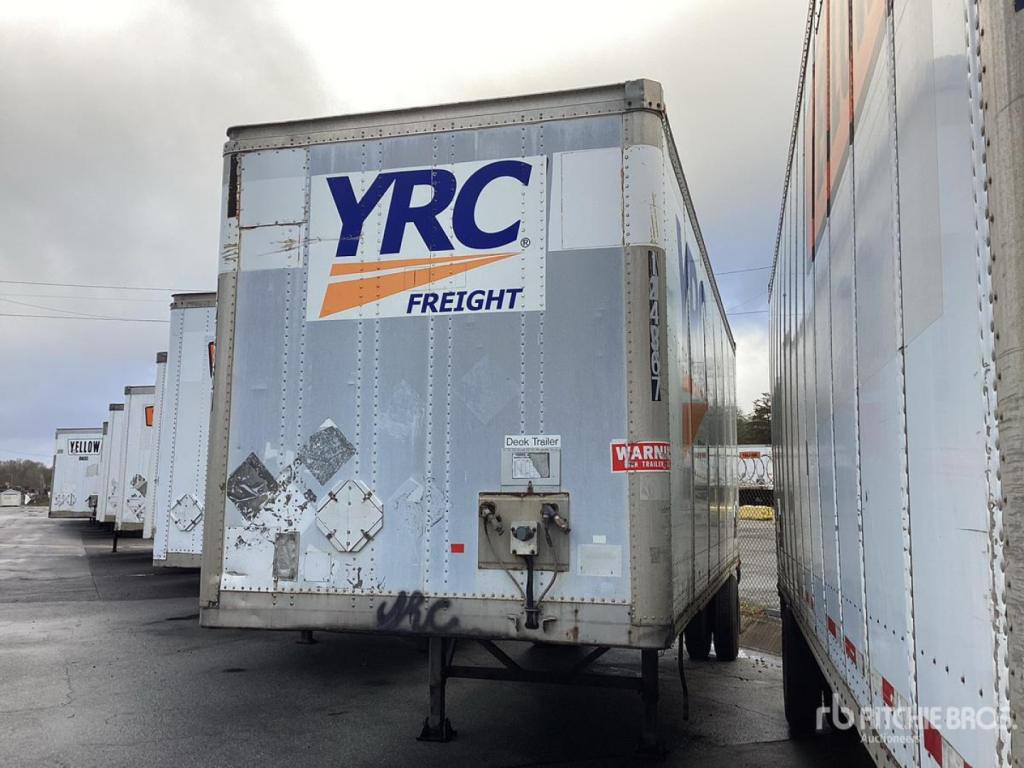
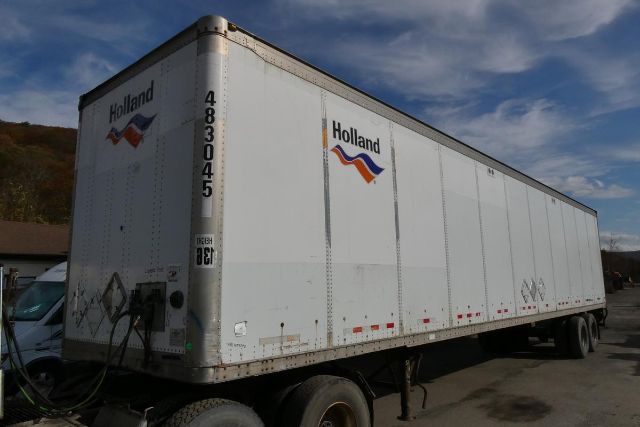
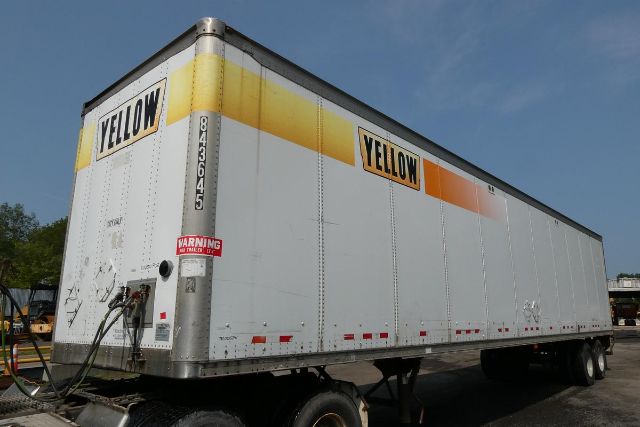

Have used 2003 wabash van trailer to sell? List it here to reach thousands of buyers.
Used 2003 Wabash Van Trailers in New York
The key buying decision on a 2003 Wabash dry van is condition of the structure and running gear, not just the age on paper. Many trailers from this era use an aluminum and steel combination construction with a wood-over-steel floor, aluminum roof, steel wheel ends, and a slideable closed tandem. That setup is durable and familiar to most fleets, but buyers should inspect crossmembers, floor wear at forklift traffic zones, roof bows, side panels, rear frame, and the door surround carefully. On a 48-foot van, tandem slide operation and rail condition also matter because kingpin-to-tandem adjustment affects bridge compliance, axle loading, and dock positioning.
For New York operation, a used Wabash van trailer from 2003 should be evaluated with state and regional freight conditions in mind. Tight urban deliveries, older loading docks, winter road treatment, and frequent stop-and-go service can accelerate corrosion and rear impact wear. Pay close attention to brake condition, air system leaks, suspension bushing wear, tire date codes, and signs of previous body repair. Roll-up rear doors are common on dry vans in this class and can be convenient in dock environments, but buyers should confirm smooth track movement, cable condition, and proper sealing at the header and sill.
Wabash has long been a well-known name in dry van trailers, and these older units can still fit small fleet, private fleet, storage, and short- to mid-haul applications when the trailer has been maintained correctly. Useful options in this category can include air brakes, sliding tandems, logistics posts or load securement equipment, and standard 22.5-inch wheel and tire setups such as 295/75R22.5. A clean 2003 van trailer can be a cost-effective choice, but the real value is in floor integrity, straight body lines, legal brake and lighting systems, and evidence that the trailer can stay in service without immediate structural work.
Frequently Asked Questions about Used 2003 Wabash Van Trailers in New York
What are the common specs on a 2003 Wabash van trailer?
A 2003 Wabash van trailer is commonly found as a 48-foot dry van with 102-inch width, about 13-foot-6 overall height, sliding closed tandem axles, air brakes, and a wood-and-steel floor. Many use aluminum and steel combo construction with an aluminum roof and steel rear frame components. Cargo opening dimensions are often close to 7-foot-10 wide and 8-foot-9 high, which works for standard palletized freight and general dry goods.
What should I inspect first on a used 2003 Wabash dry van?
Start with the floor, rear frame, roof, sidewalls, and tandem slider system. Floor soft spots, broken crossmembers, patched roof sections, bowing side panels, and rust around the rear sill can turn a low-cost trailer into a repair project. Then check brakes, suspension, wheel ends, tires, lights, and air leaks. On an older dry van, structural condition usually matters more than cosmetic appearance.
Is a 48-foot 2003 Wabash van trailer still a good fit for freight work?
Yes, if the trailer is structurally sound and matches the freight lane. A 48-foot dry van still works well for regional freight, private fleet moves, warehouse transfers, and many dock operations. It may be less flexible than a 53-foot trailer for high-cube freight, but it can still be a practical option where payload, maneuverability, or lower acquisition cost matters more than maximum cubic capacity.
Why does the sliding tandem matter on a used van trailer?
A sliding tandem lets the operator adjust axle position for bridge law compliance, weight distribution, and turning characteristics. On a used trailer, the slider should move properly, lock securely, and show no major rail damage or cracked hangers. If the tandem slide is seized or heavily worn, it can limit where the trailer can run and add immediate repair expense.
Are older Wabash van trailers suitable for New York service?
They can be, but regional wear should be checked closely. New York service often means tighter docks, dense traffic, winter salt exposure, and frequent braking cycles. That makes corrosion, door wear, brake condition, suspension fatigue, and rear frame damage especially important. A well-maintained trailer can still serve effectively, but buyers should expect inspection standards to be stricter on older equipment operating in northeastern conditions.