
Wabash Van Trailers For Sale in South Dakota
Shop Wabash van trailers for sale in South Dakota. Compare 53-foot dry vans with air ride, roll-up doors, roof and liner specs.
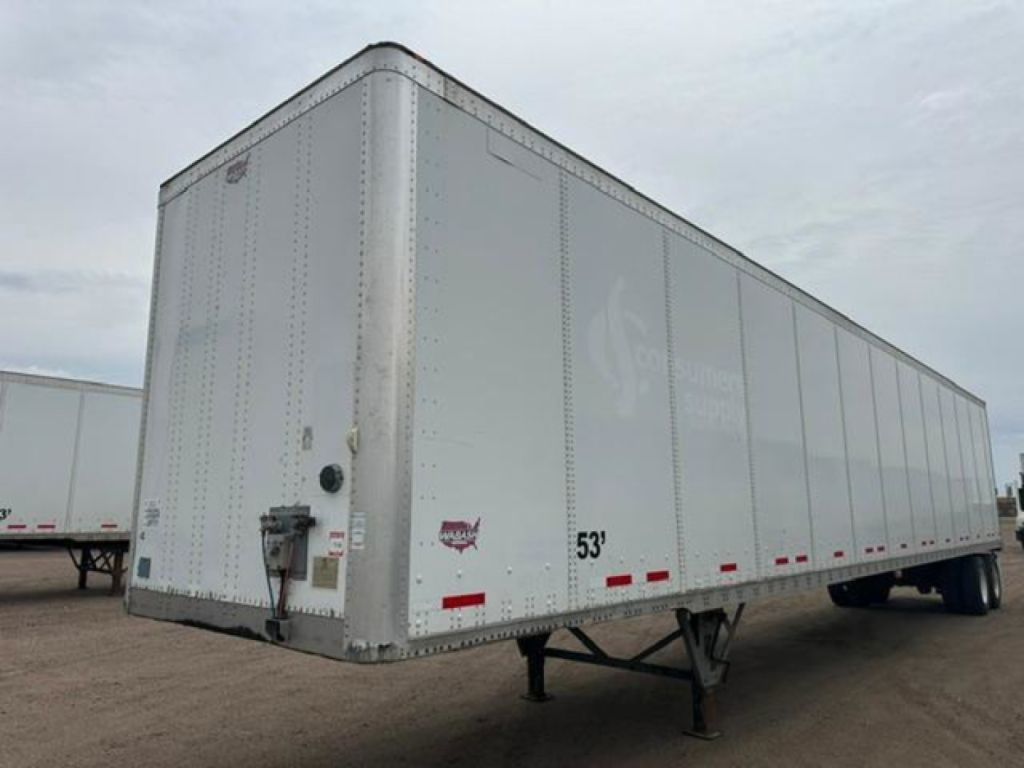
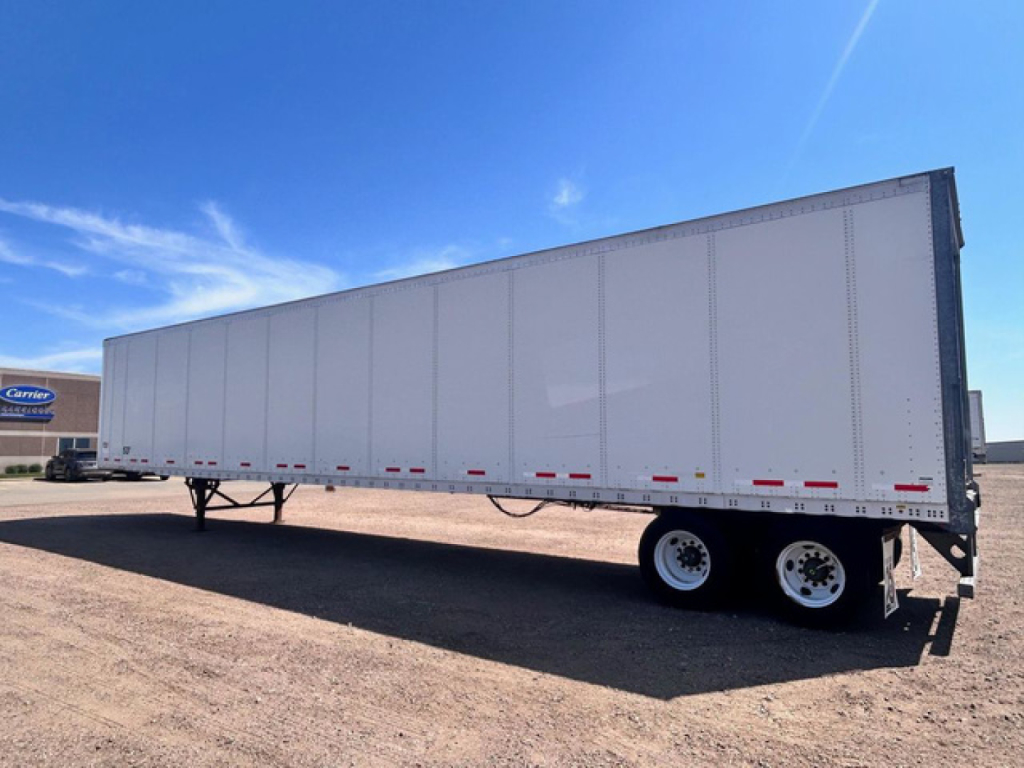
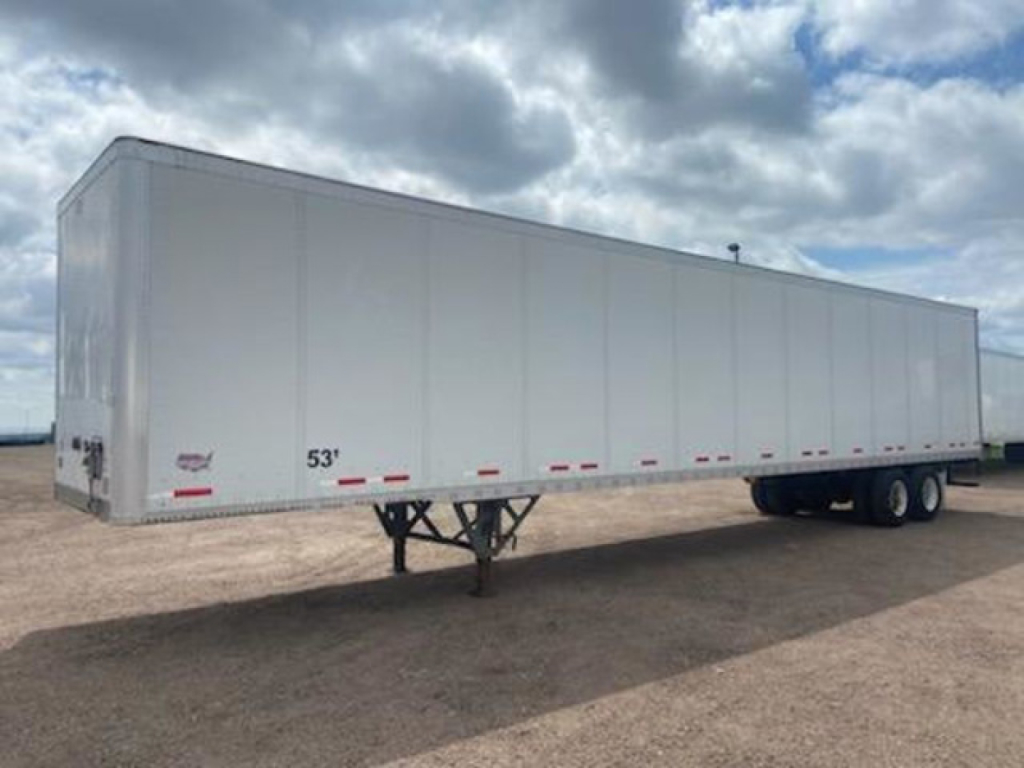
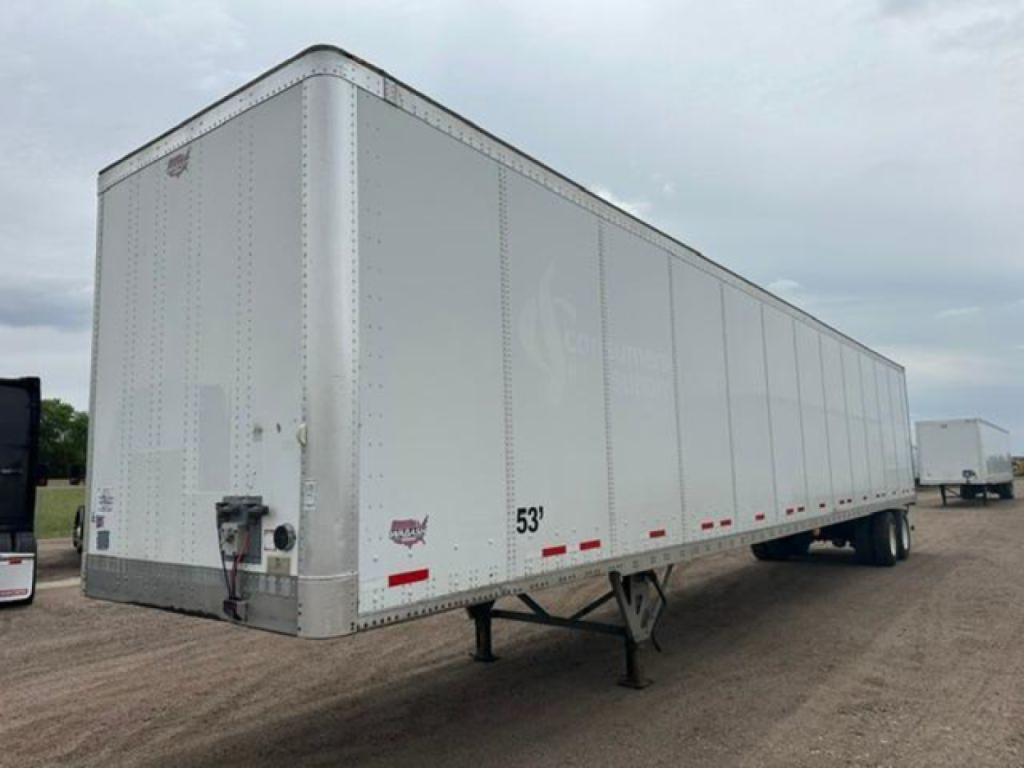
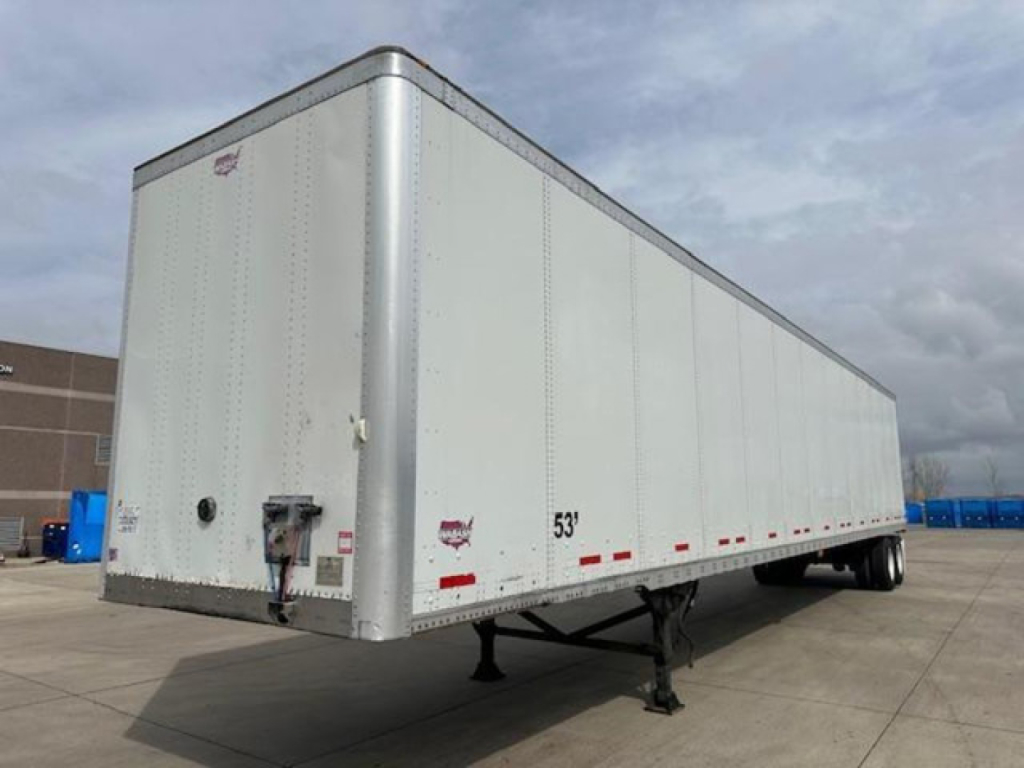
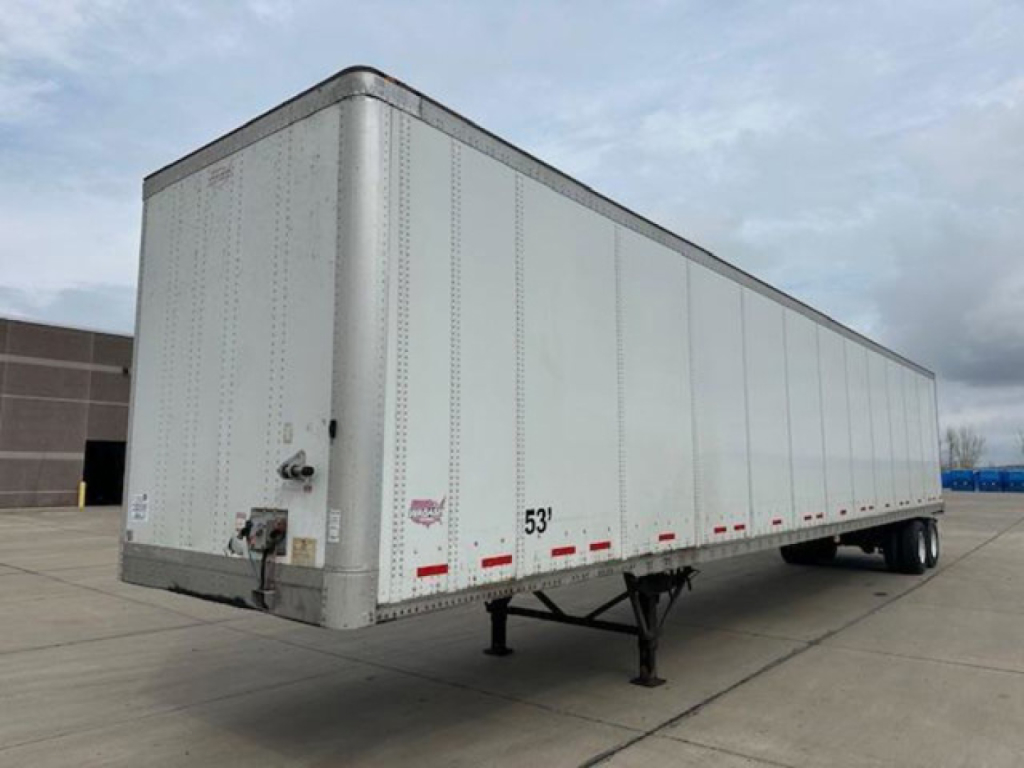
Have wabash van trailer to sell? List it here to reach thousands of buyers.
Wabash Van Trailers in South Dakota
A lot of the buying decision comes down to doors, suspension, liner, and roof spec. Many Wabash dry vans are equipped with air ride suspension, which helps protect freight and improves ride quality for sensitive loads. Roll-up doors are popular in multi-stop delivery and dock-heavy operations because they reduce swing-door clearance issues and hold up well in urban service, though they do trade some rear opening height and can add weight. Plastic scuff liners are also common and matter if you are hauling freight that sees frequent pallet contact. A translucent roof is another practical spec because it improves natural light inside the trailer for loading, unloading, and damage inspection.
For South Dakota operations, trailer condition and underbody integrity deserve close attention because winter roads, deicing chemicals, and temperature swings can accelerate corrosion and wear. Check crossmembers, rear frame, threshold, door hardware, suspension components, and landing gear for signs of hard seasonal use. Tire condition, brake life, floor wear, and previous sidewall or roof repairs should be reviewed carefully on any used dry van. If cube utilization matters, confirm interior height, door opening dimensions, and liner setup. If dock compatibility matters, verify ride height and rear impact guard condition.
Wabash van trailers fit a wide range of lanes, from regional grocery and consumer goods to long-haul contract freight. Buyers comparing listings should pay attention to GVWR, tare weight, axle spread, kingpin setting, floor rating, and whether the trailer was fleet maintained on a regular PM cycle. A clean dry van with solid doors, a sound floor, straight rails, and good suspension can stay productive for years in general freight service. The best value is usually the trailer whose spec matches the freight, loading environment, and maintenance expectations of the operation.
Frequently Asked Questions about Wabash Van Trailers in South Dakota
What are Wabash van trailers commonly used for?
Wabash van trailers are primarily used for dry freight such as palletized consumer goods, paper products, packaged foods, retail freight, and general distribution. A 53-foot dry van is one of the most versatile trailer types in trucking because it protects cargo from weather, theft, and road debris while remaining compatible with standard dock loading.
What should I inspect first on a used Wabash dry van?
Start with the floor, rear frame, crossmembers, roof, and door assembly. On a used dry van, these areas usually tell you the most about loading abuse, water intrusion, and structural condition. Then review suspension components, brake condition, tire tread, wheel ends, and signs of prior sidewall or rail repair. In colder states, corrosion around the undercarriage and rear structure is especially important.
Is air ride suspension worth it on a van trailer?
Air ride suspension is a strong choice for many dry van applications because it reduces cargo shock and generally provides better ride quality than mechanical suspension. It is especially useful for higher-value or damage-sensitive freight. Buyers should still inspect air bags, valves, shocks, and suspension alignment because ride quality depends on component condition, not just suspension type.
Are roll-up doors better than swing doors on a Wabash van trailer?
Roll-up doors are often preferred for city routes, dock operations, and tight delivery spaces because they do not require rear clearance to open. They can improve convenience and reduce the chance of door damage in crowded yards. Swing doors usually provide a full-height rear opening and can be simpler for some operations, so the better choice depends on freight type, dock setup, and route pattern.
Why do buyers look for translucent roofs and plastic liners on dry vans?
A translucent roof lets in natural light, which helps drivers and warehouse crews see inside the trailer during loading and unloading. Plastic scuff liners help protect the interior walls from forklift and pallet contact. Both features are practical for general freight service because they support cargo visibility, interior durability, and lower cosmetic damage over time.