
Wabash Van Trailers For Sale in Ohio
Browse Wabash van trailers for sale in Ohio. Compare dry van specs, lengths, suspension, doors, floors, and trailer condition details.
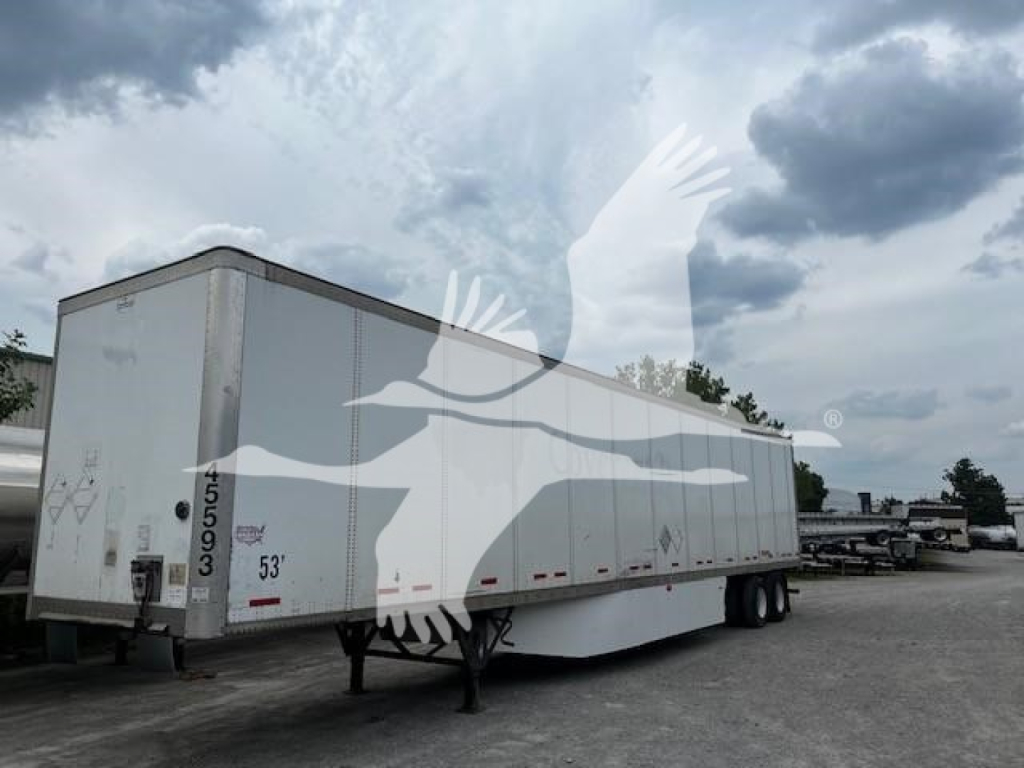
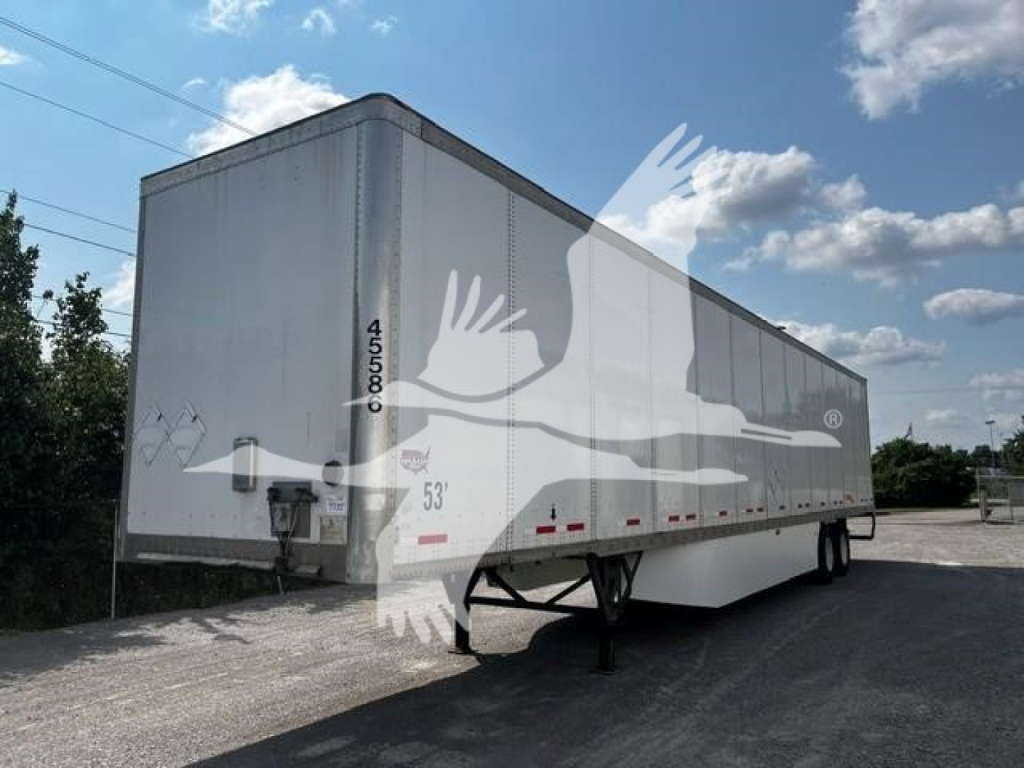
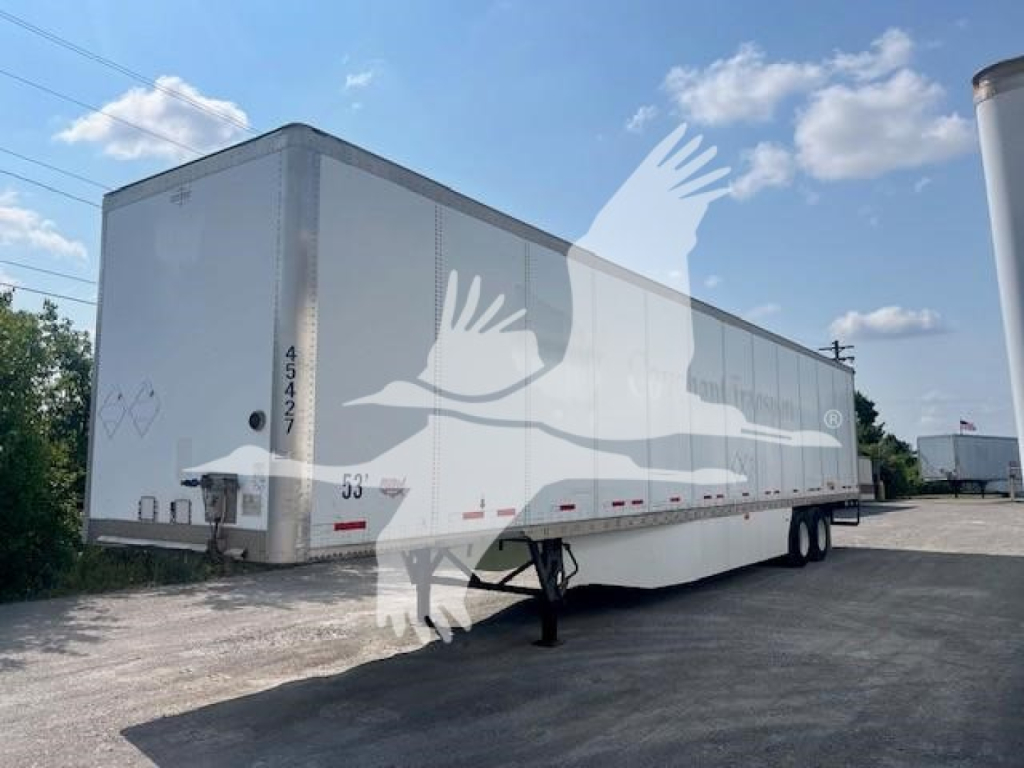
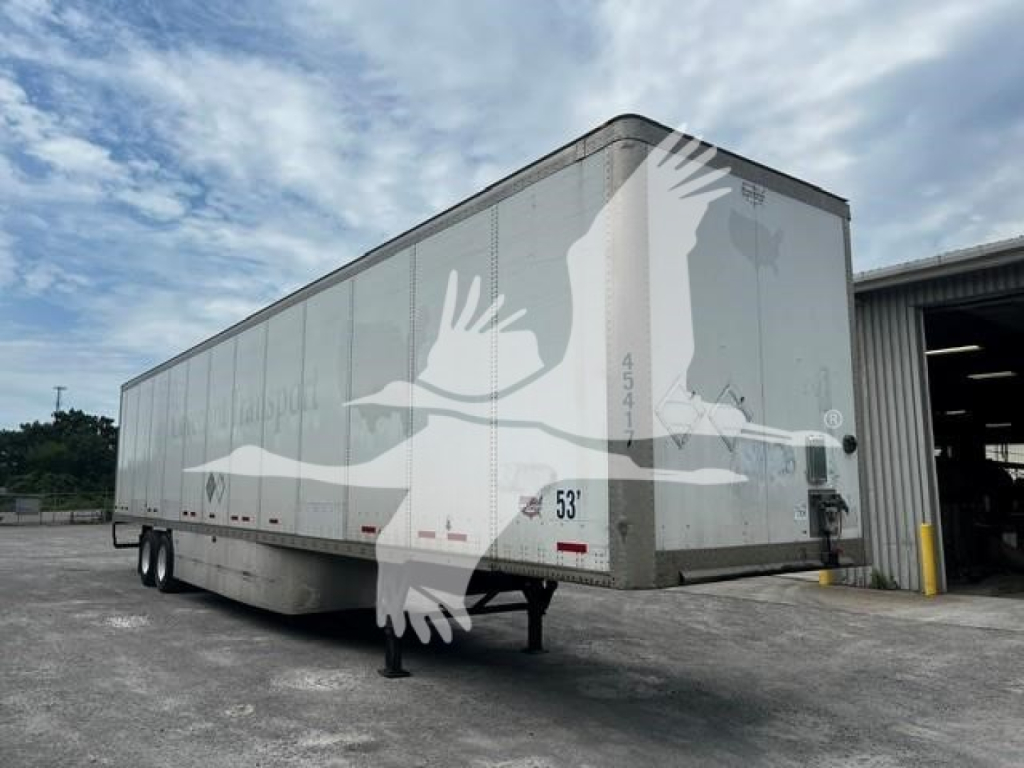
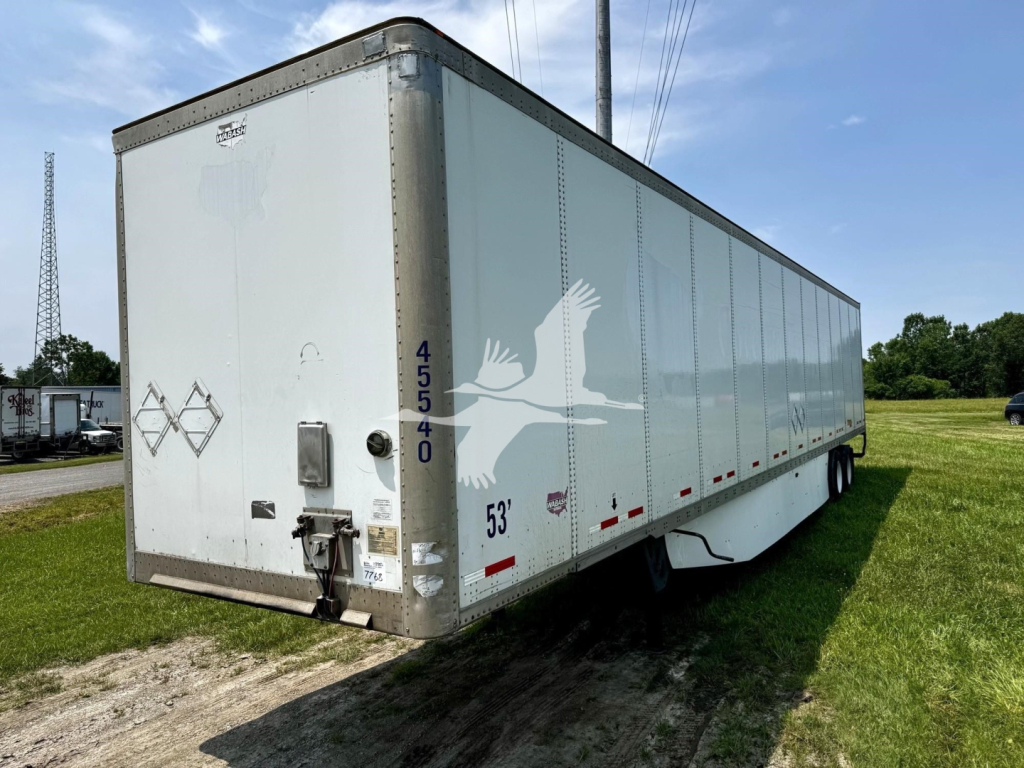
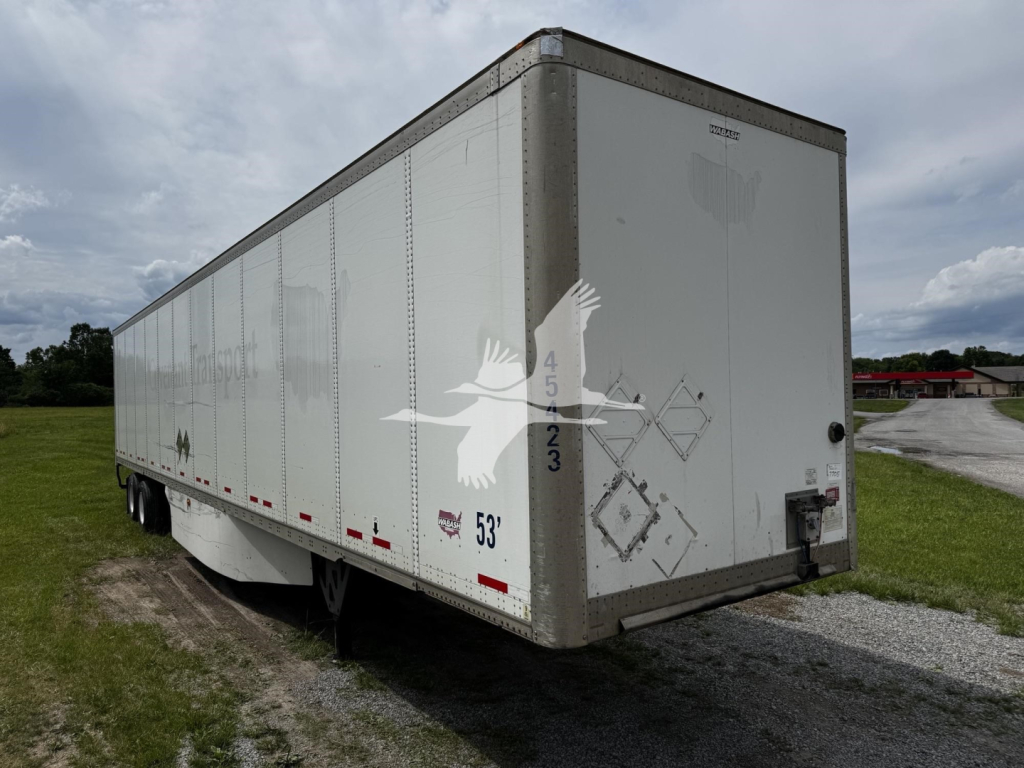
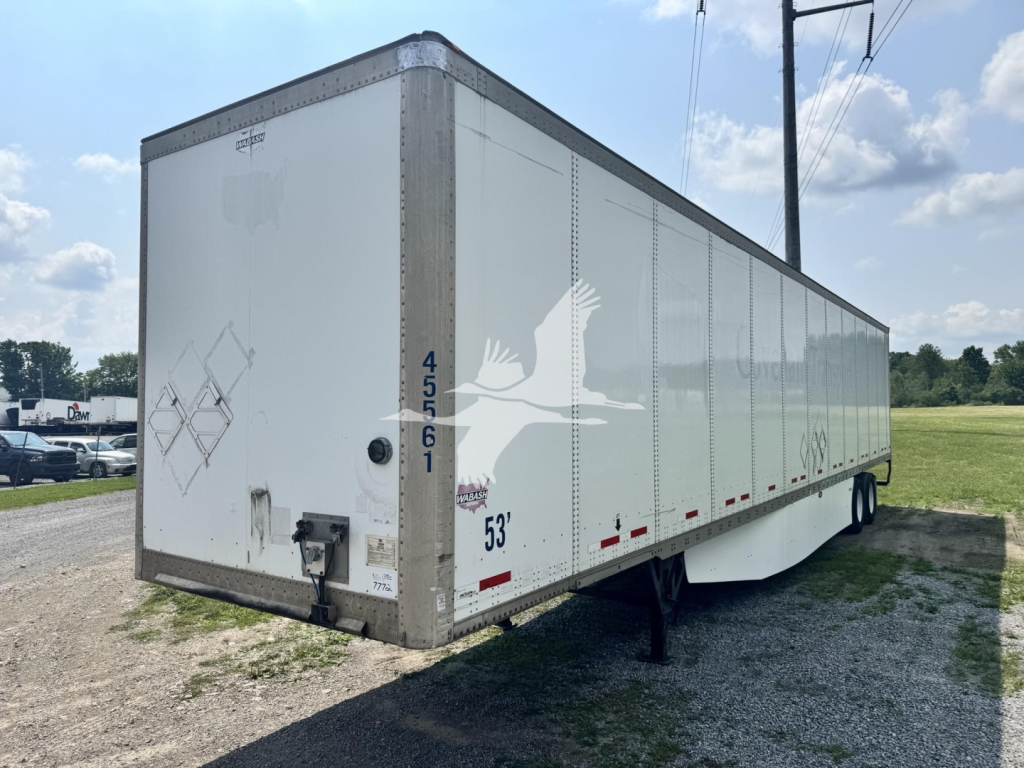
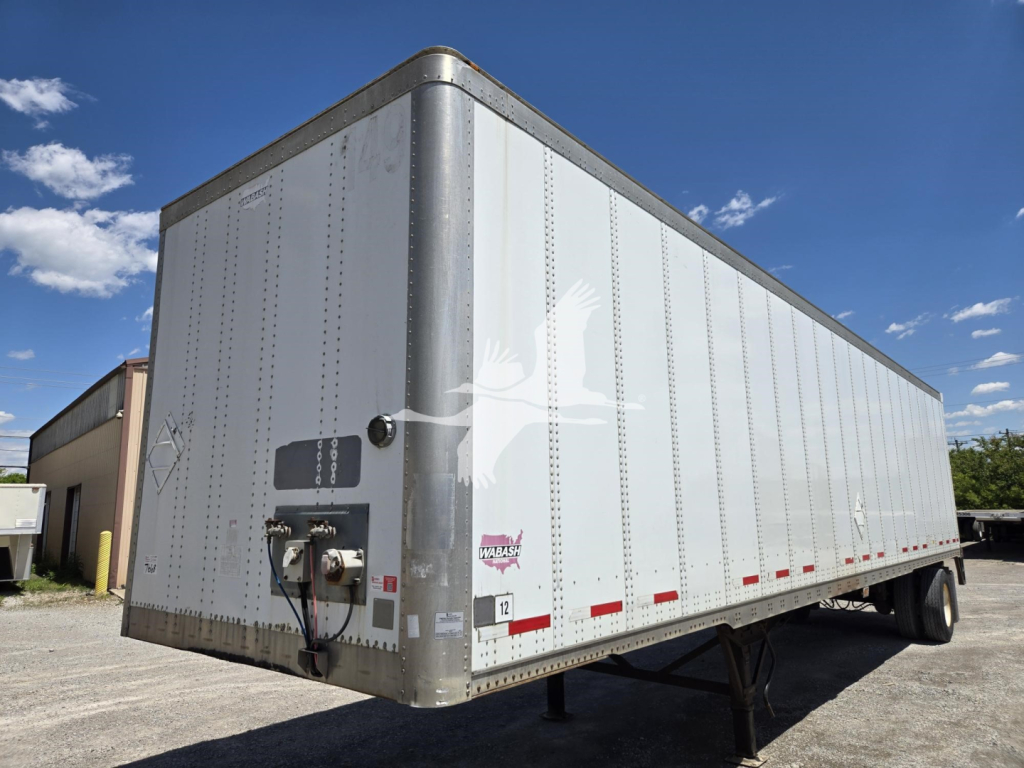
Have wabash van trailer to sell? List it here to reach thousands of buyers.
Wabash Van Trailers in Ohio
The right spec depends on the freight mix and the lanes the trailer will run. Common lengths include 28-foot pup vans, 40-foot trailers, and full 48-foot to 53-foot dry vans, with 102-inch outside width being standard on most late-model units. Buyers should pay close attention to inside width between scuff liners and the rear door opening, especially if the trailer will handle side-by-side pallets or high-cube freight. Floor construction matters as much as body condition. Wood floors remain common and are easy to repair, but they need to be checked for rot, soft spots, forklift damage, and threshold wear. Plate trailers and sheet-and-post designs each have their place, and details like post spacing, scuff liners, nose lining, roof material, and crossmember spacing can tell you a lot about how the trailer was used.
Suspension and running gear are where operating cost starts to show up. Many Wabash van trailers are equipped with air ride suspension such as Hendrickson setups, which can be a good fit for damage-sensitive freight and smoother tracking. Tire size, wheel type, brake condition, hub and seal history, and landing gear operation all deserve close review. In Ohio, where trailers may see a mix of interstate mileage, tight urban docks, and winter road treatment, corrosion around the rear frame, crossmembers, slider rails if equipped, and door hardware is worth checking carefully. Rear door style also matters. Swing doors are common for full access and dock use, while roll-up doors can be useful in route delivery applications but reduce interior clearance and add maintenance points.
Wabash is a well-known name in the dry van market, so buyers usually have a good range of specifications to compare. A liftgate can add flexibility for freight without dock access, but it also changes tare weight, rear frame loading, and maintenance needs. Trailer age alone does not tell the full story. Inspection records, roof condition, floor repairs, alignment and tire wear patterns, and evidence of previous body damage often matter more than model year. For buyers comparing Wabash van trailers for sale in Ohio, the best unit is usually the one whose dimensions, floor strength, suspension, and door setup match the freight first, then shows a clean maintenance profile that supports low downtime.
Frequently Asked Questions about Wabash Van Trailers in Ohio
What should I check first when buying a used Wabash van trailer?
Start with the structural and revenue-critical items. Check trailer length, inside height, rear door opening, floor condition, roof integrity, suspension type, axle setup, brakes, and tire wear. Then inspect crossmembers, landing gear, rear frame, and any corrosion around the understructure. On a used Wabash van trailer, damage from forklifts, dock impact, and moisture intrusion usually tells more about remaining service life than the model year alone.
Are Wabash van trailers good for general dry freight?
Yes. Wabash dry van trailers are widely used for palletized freight, consumer goods, retail freight, warehouse transfer, and other enclosed dry cargo. They are popular because the specifications are familiar to most fleets and drivers, parts and service support are widely available, and many units are configured for standard dock loading. The best fit still depends on the exact trailer spec, especially floor rating, internal dimensions, suspension, and door style.
What lengths are common on Wabash van trailers?
Common Wabash van trailer lengths include 28-foot pups, 40-foot vans, and 48-foot to 53-foot dry vans. The right length depends on route type, freight density, dock space, and state or fleet operating requirements. A 40-foot van can work well for certain regional applications, while 53-foot trailers are the standard choice for higher cube over-the-road freight. Always confirm kingpin setting, axle placement, and overall dimensions to make sure the trailer matches your operation.
Is air ride suspension better on a dry van trailer?
Air ride suspension is often preferred when hauling damage-sensitive freight because it can provide a smoother ride and better cargo protection than some mechanical setups. It is common on Wabash van trailers used in retail, packaged goods, and higher-value freight service. That said, the best suspension is the one that matches the cargo and maintenance program. Buyers should inspect air bags, shocks, bushings, ride height, and overall suspension wear rather than assuming any air ride trailer is automatically the better buy.
Do liftgates add value on a Wabash van trailer?
A liftgate can add real operational value if the trailer will serve locations without docks or support route delivery and specialized freight handling. It can expand the trailer's usability, especially in urban and final-mile related work. The tradeoff is added tare weight, more rear frame stress, and additional hydraulic or electrical maintenance. Buyers should inspect lift capacity, platform condition, controls, wiring, and how the liftgate installation has affected the rear structure and door access.