
Wabash Van Trailers For Sale in Georgia
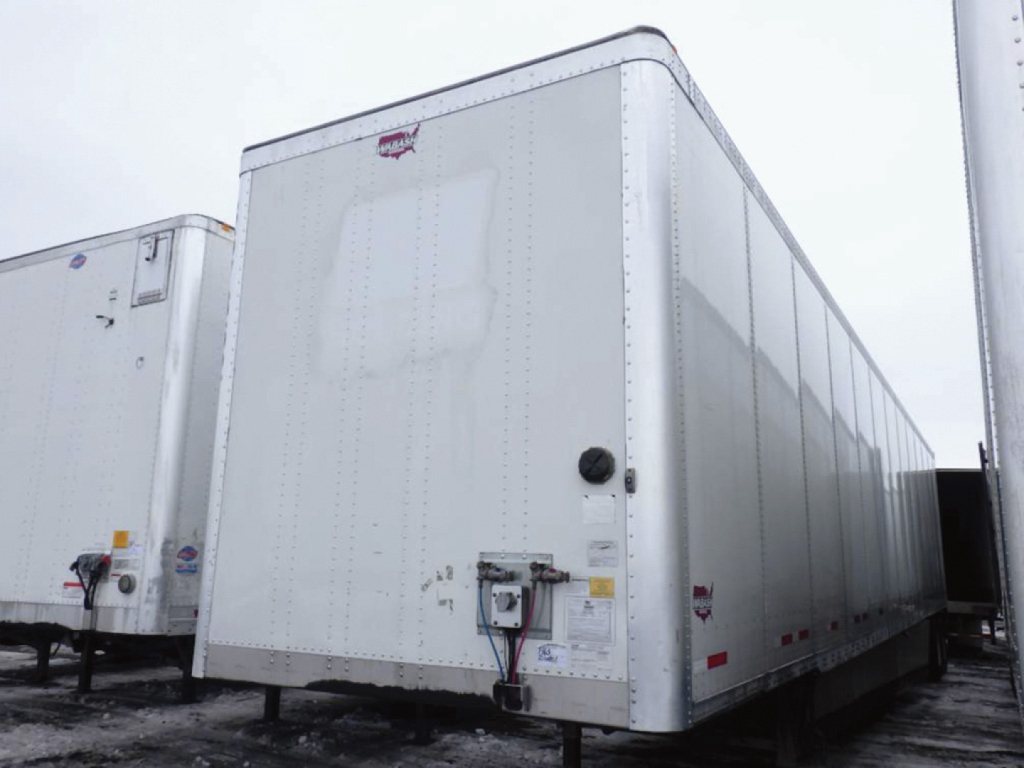
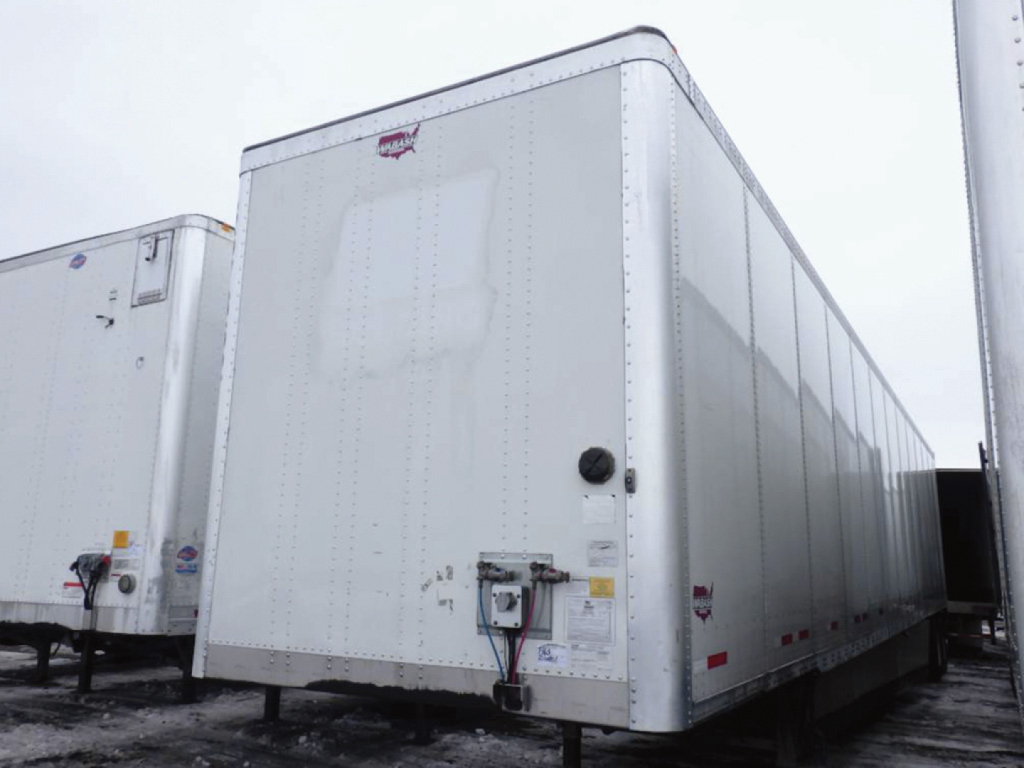
Shop Wabash van trailers for sale in Georgia. Compare DuraPlate and aluminum dry vans by length, suspension, floor condition, logistics track, and spec.

Have wabash van trailer to sell? List it here to reach thousands of buyers.
Wabash Van Trailers in Georgia
For most buyers, the important spec decisions start with body construction, suspension, and interior setup. A Wabash DuraPlate van is typically favored for high-cycle freight because the sidewall design holds up well in dock environments and with frequent loading. Aluminum van trailers can still be a strong fit for general freight, but wall and roof condition should be checked closely on used units. Air ride suspension is often preferred for better ride quality and cargo protection, while spring ride may still make sense for cost-conscious operations or certain freight mixes. Sliding tandems matter for bridge law compliance, dock positioning, and regional flexibility, especially for carriers running across multiple Southeast states.
Interior condition matters as much as exterior appearance on a used Wabash van trailer. Buyers should inspect the wood floor for forklift wear, patched sections, soft spots, and crossmember fatigue, especially near the rear threshold and high-traffic pallet zones. Logistics posts or logistics track add versatility for load securement and freight segregation, which is valuable for LTL-style freight, retail loads, and mixed stop routes. Scuff liners or scuff plates help protect lower wall sections from pallet and forklift impact, and threshold plates reduce wear at the rear entry. Swing doors remain the standard on many dry vans and are simple to maintain, though door frame alignment, hinge wear, and seal condition should be part of any pre-purchase inspection.
A buyer comparing Wabash van trailers in Georgia should also pay attention to aerodynamic and running gear details. Side skirts can improve fuel economy in linehaul service but need to be checked for damage from yards, curbs, and road debris. Low-profile 22.5 tires, wheel condition, brake type, and axle health all affect operating cost after purchase. Disc wheels are common, and brake system condition should be reviewed along with ABS status, tire wear pattern, and signs of suspension misalignment. The best Wabash dry van for one operation is the one whose spec matches freight type, lane length, loading method, and maintenance standards, not just model year alone.
Frequently Asked Questions about Wabash Van Trailers in Georgia
What is the difference between a Wabash DuraPlate van and a Wabash aluminum van?
A Wabash DuraPlate van uses composite plate sidewall construction that is widely known for durability and resistance to damage in high-use freight environments. A Wabash aluminum van may offer advantages in tare weight depending on the build, but buyers should pay close attention to wall integrity, roof condition, and past repairs. For fleets handling frequent dock loading, palletized freight, and heavy loading cycles, DuraPlate is often the preferred spec because it tends to hold up well over time.
What should I inspect first on a used Wabash van trailer?
Start with the floor, rear frame area, doors, suspension, and tires. Floor condition is critical because forklift traffic can hide expensive structural wear, especially near the threshold and main travel lanes. Check for cracked or patched floor sections, bent crossmembers, rear impact damage, door seal issues, tandem slide operation, and uneven tire wear that may point to alignment or axle problems. Interior scuffing is normal, but structural damage is a different issue and should be evaluated carefully.
Is air ride or spring suspension better on a Wabash dry van?
Air ride is generally preferred for better cargo protection, smoother ride quality, and broad shipper acceptance, especially in retail, food-related dry freight, and higher-value loads. Spring suspension can still be a workable option for tougher applications or operations focused on lower acquisition cost and simpler maintenance. The right choice depends on cargo sensitivity, lane conditions, and the service profile of the trailer.
Why are logistics posts and scuff plates important on a van trailer?
Logistics posts or logistics track give the trailer more load securement flexibility and help carriers handle a wider range of freight. They are useful for decking, strapping, and separating mixed shipments. Scuff plates protect the lower interior walls from pallet impact and forklift contact, which reduces wear in daily loading operations. Together, these features can improve trailer longevity and make the van more versatile across different customers and commodities.
What trailer specs are most common on Wabash van trailers in Georgia?
A common spec in Georgia is a 53-foot by 102-inch dry van with a 13-foot 6-inch overall height, swing doors, sliding tandems, and either air ride or spring suspension. Many units also include wood floors, threshold plates, logistics equipment, and low-profile 22.5 tires. These specifications fit standard Southeastern freight patterns well because they work for dock loading, regional distribution, and over-the-road dry van service.