
2015 Wabash Van Trailers For Sale in North Carolina
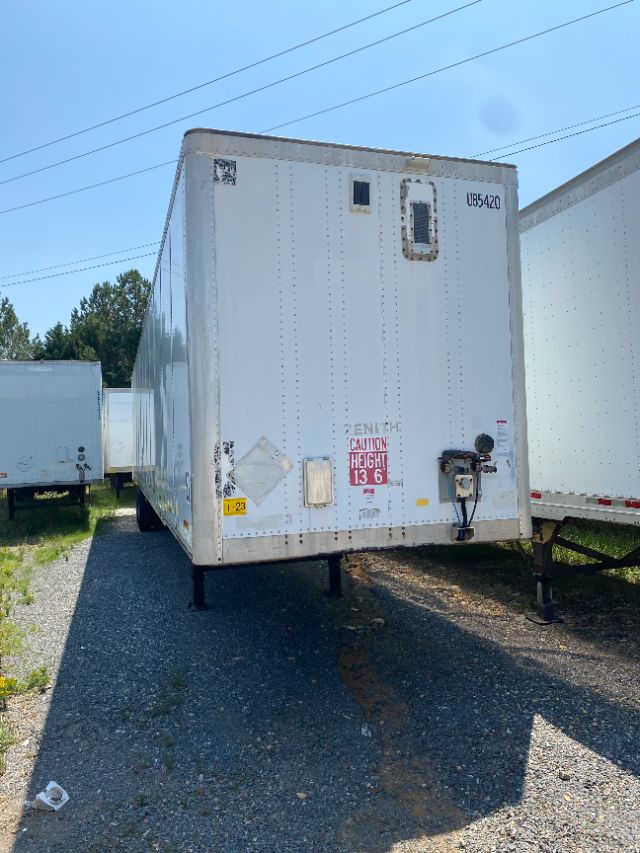

Have 2015 wabash van trailer to sell? List it here to reach thousands of buyers.
2015 Wabash Van Trailers in North Carolina
For a 2015 model, the core spec decisions still matter more than cosmetics. Many Wabash vans in this class are 53 feet long, 102 inches wide, and 13 feet 6 inches tall, often with an inside height around 110 inches. DuraPlate construction is a major selling point because the laminated composite panel design has a long reputation for resisting punctures and reducing maintenance compared with older sheet-and-post designs. Check the floor closely, especially near the rear, forklift travel lanes, and threshold plate. A wood floor is still standard on many units and can be a plus for repair cost, but loose boards, soft spots, and excessive plate wear point to heavy dock and forklift use. Door style also affects the trailer's fit for the job. Swing doors are common in dock freight and tend to seal well, while roll-up doors can be useful in route delivery but may reduce rear opening height and add maintenance points.
Suspension and running gear deserve close attention on a 2015 Wabash van trailer for sale in North Carolina, especially if the trailer will run regional lanes with frequent dock turns and uneven yards. Air ride can help protect sensitive freight and reduce road shock, while spring ride remains a simple, durable option for general commodity hauling. Sliding tandems are standard on many fleet-spec vans and matter for bridge law compliance, warehouse spacing, and turning characteristics. Look at the tandem slide rails, locking pin operation, brake condition, wheel-end history, and tire size consistency. Features such as side skirts, aluminum wheels, and automatic tire inflation systems can improve operating cost over time, but their value depends on current condition and how the trailer will actually be used.
A 2015 Wabash dry van can still be a strong value if the structure is straight and the trailer has been maintained with documentation. Buyers should inspect the front wall for impact damage, roof bows for sagging, crossmembers for corrosion, and the rear frame for signs of repeated dock strikes. In North Carolina, humidity and road exposure make underbody condition worth a hard look, particularly on trailers that have seen multi-state service. If the trailer will be used for drop-and-hook freight, pay attention to landing gear operation, kingpin wear, and apron condition. If the work is dedicated warehouse freight, logistics tracks, scuff protection, and a clean interior may matter more than appearance outside. The best 2015 Wabash van trailer is the one whose door configuration, floor condition, suspension, and rear frame match the freight profile and loading environment.
Frequently Asked Questions about 2015 Wabash Van Trailers in North Carolina
What should I inspect first on a 2015 Wabash van trailer?
Start with the structure and the floor. On a 2015 Wabash van, buyers should inspect the DuraPlate sidewalls for punctures or delamination, the roof and front wall for impact damage, and the rear frame for dock strike repairs. Then check the wood floor, threshold plate, and crossmembers for forklift wear, soft spots, cracking, or corrosion. A clean paint job matters less than a straight frame, solid floor, and sound running gear.
Are 2015 Wabash DuraPlate van trailers good for general dry freight?
Yes. A 2015 Wabash DuraPlate dry van is well suited for palletized general freight, retail loads, consumer goods, paper products, and other non-temperature-controlled cargo. The DuraPlate design is widely accepted in fleet service because it combines good durability with relatively predictable maintenance. The trailer's usefulness depends on interior condition, door type, suspension, and the amount of forklift and dock abuse it has seen over time.
What common specs do buyers see on a 2015 Wabash van trailer?
Many 2015 Wabash van trailers are fleet-style 53-foot dry vans built at 102 inches wide and 13 feet 6 inches overall height. Common equipment includes swing doors or roll-up doors, wood flooring, scuff liners or scuff plates, logistics posts, sliding tandems, and either spring or air ride suspension. Some units also carry aerodynamic side skirts, low-profile 22.5 tires, aluminum wheels, or automatic tire inflation systems.
Is air ride better than spring suspension on a dry van trailer?
Air ride is often preferred for higher-value or damage-sensitive freight because it helps reduce vibration and road shock. Spring suspension is simpler and can be a cost-effective option for standard dry freight service. On a used 2015 trailer, condition is more important than the suspension type alone. A well-maintained spring ride trailer can be a better buy than a neglected air ride unit with worn components or deferred brake and axle work.
Why does tandem and kingpin setup matter on a 2015 van trailer?
Tandem slide position and kingpin setting affect weight distribution, bridge compliance, and turning clearance. For fleets running mixed shipper networks, a sliding tandem is important because it gives flexibility at different docks and in different states. Buyers should confirm the tandem slide locks properly, the rails are not excessively worn, and the kingpin and upper coupler plate do not show abnormal wear. These details directly affect usability, safety, and how easily the trailer can be matched to different tractors and freight lanes.