
Used Utility Van Trailers For Sale in Colorado
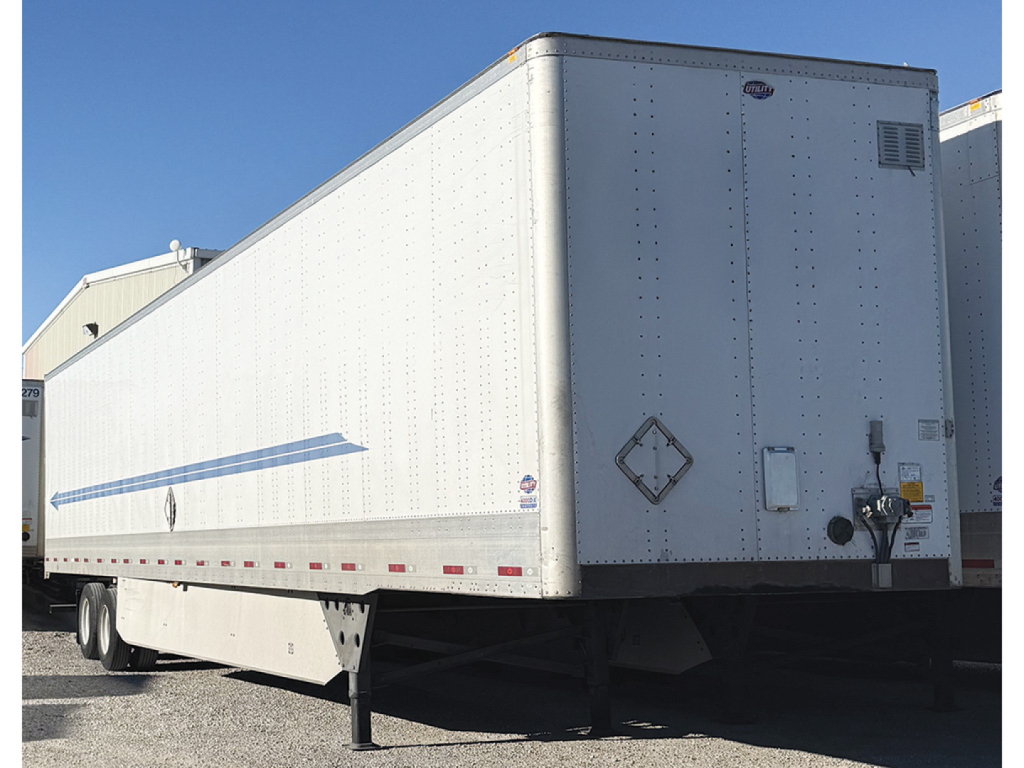
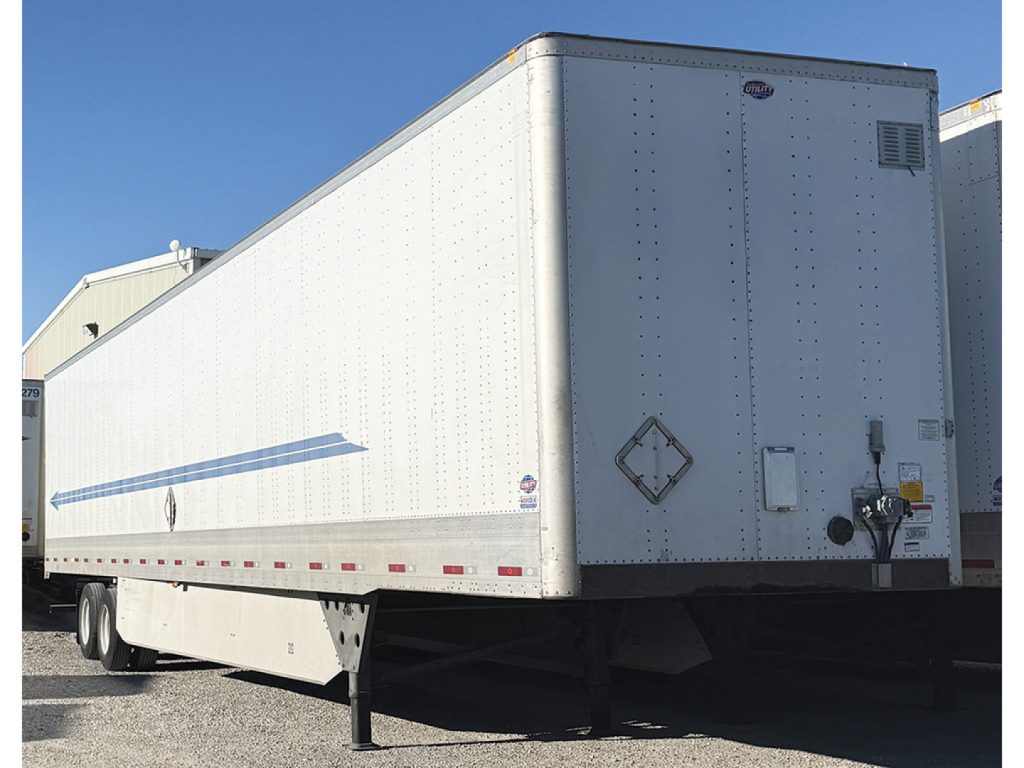
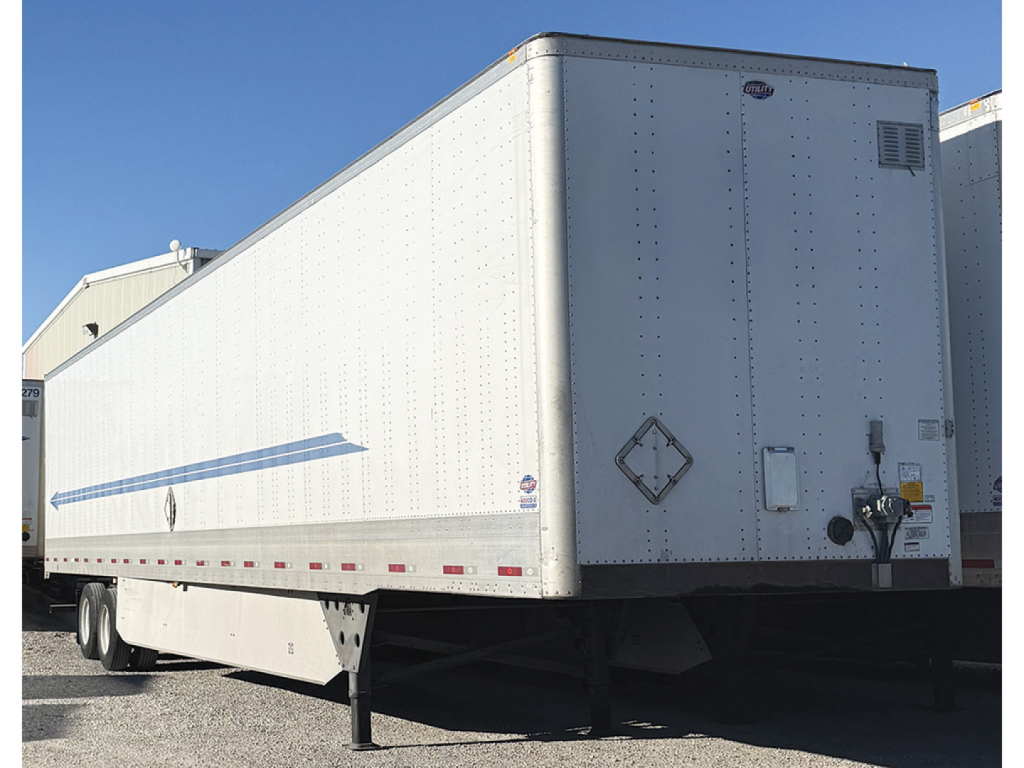
Browse used Utility van trailers for sale in Colorado. Compare 53-foot dry vans with air ride, sliding tandems, logistics posts, and aero specs.
Learn more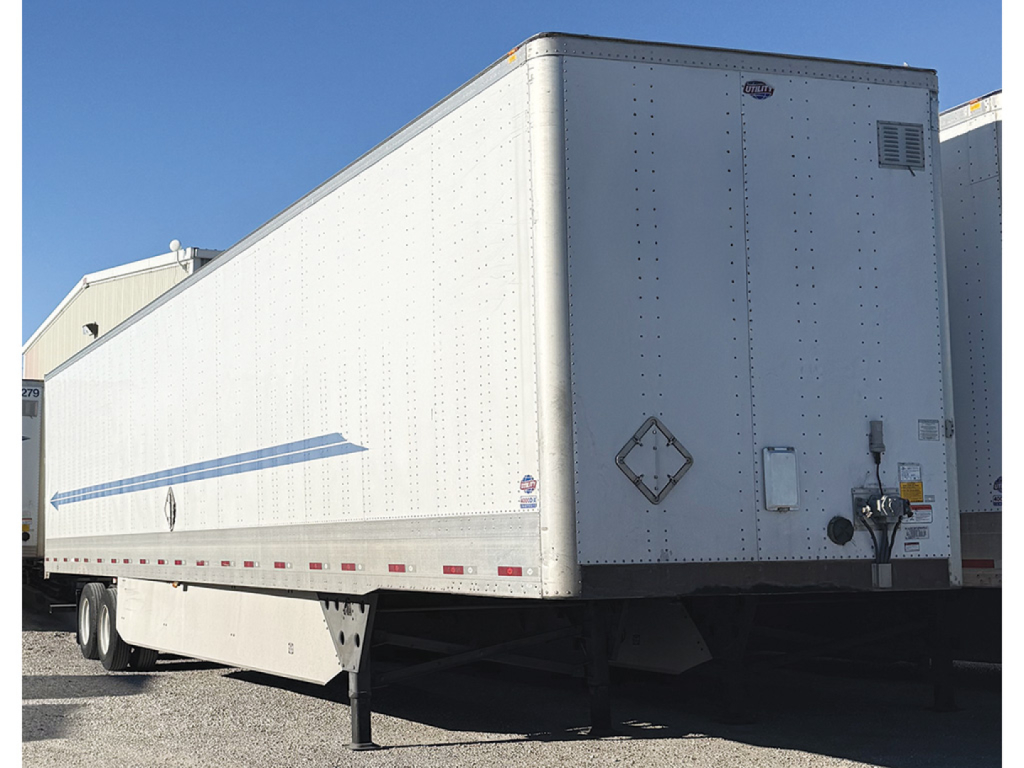
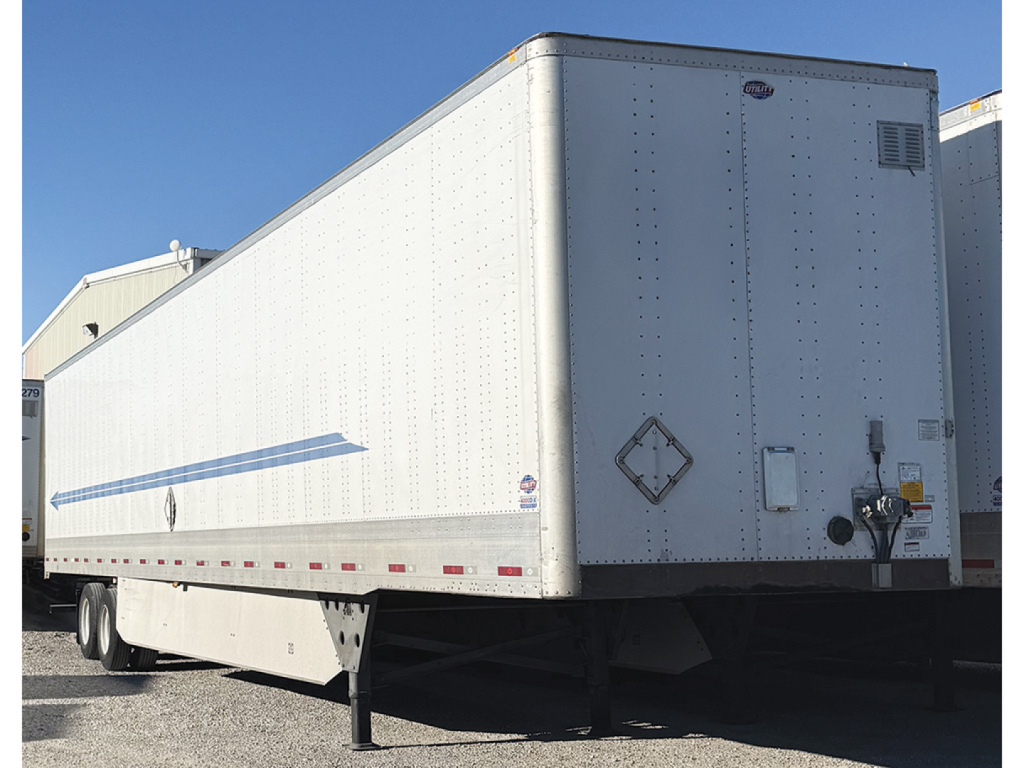
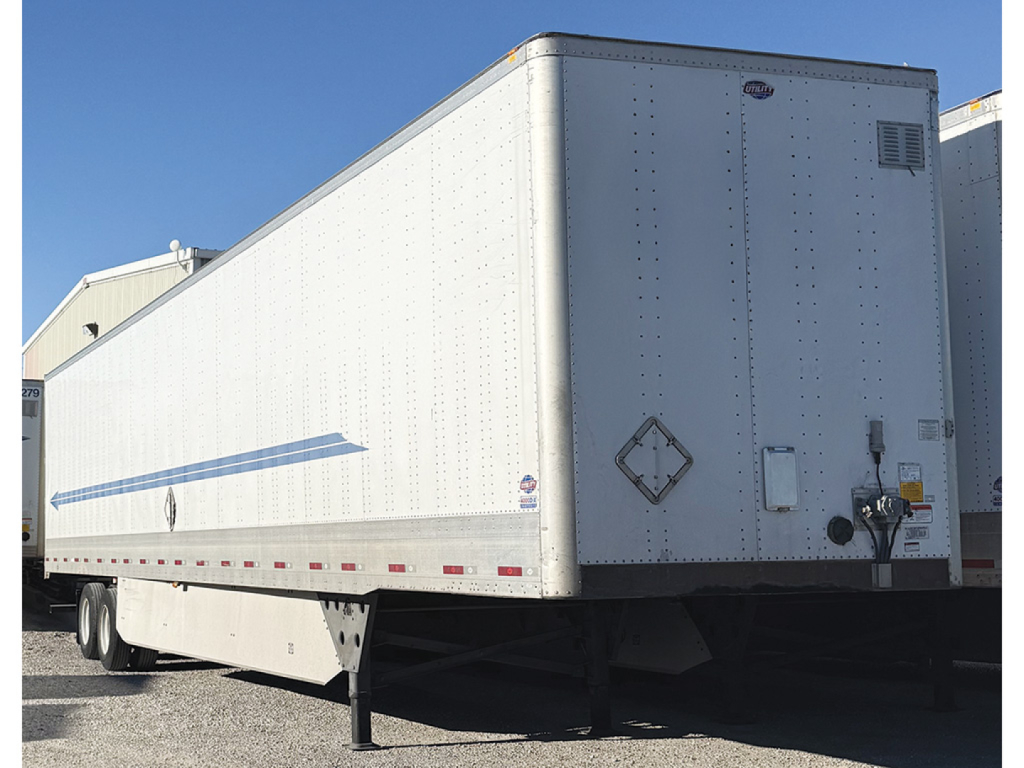
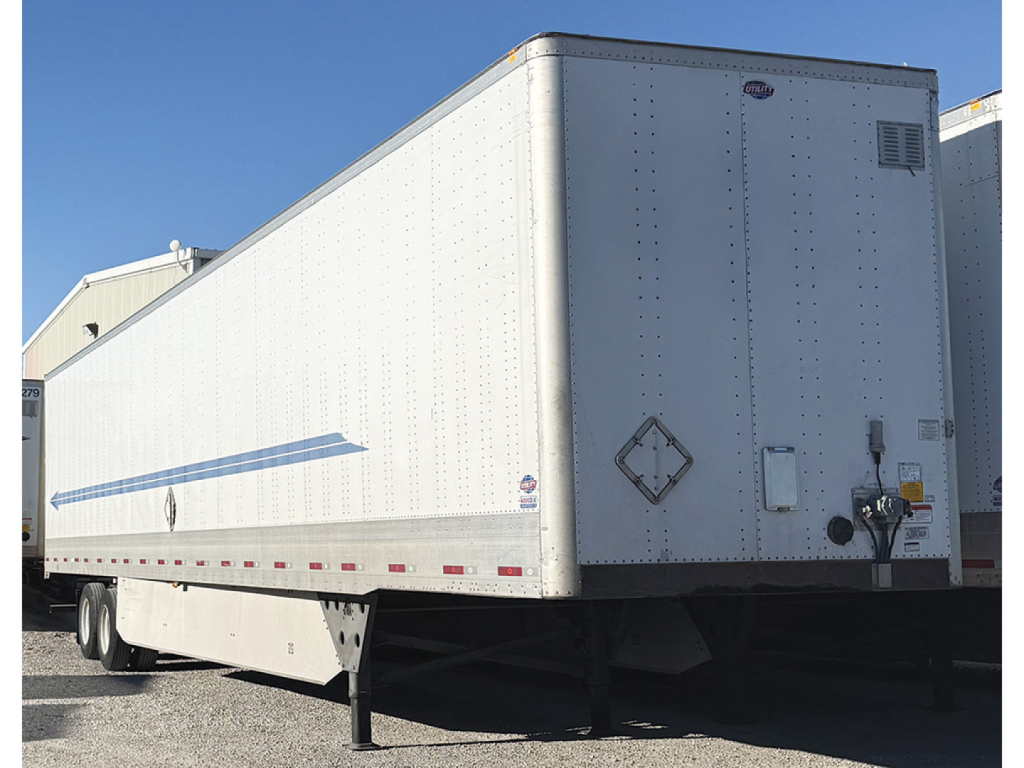
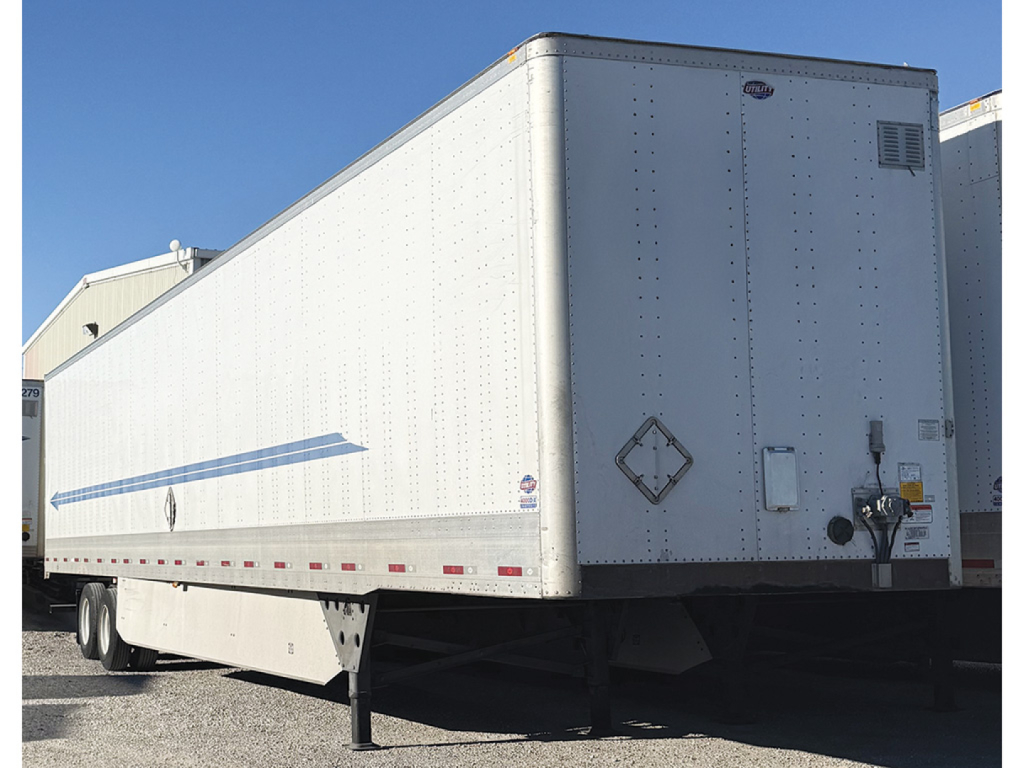
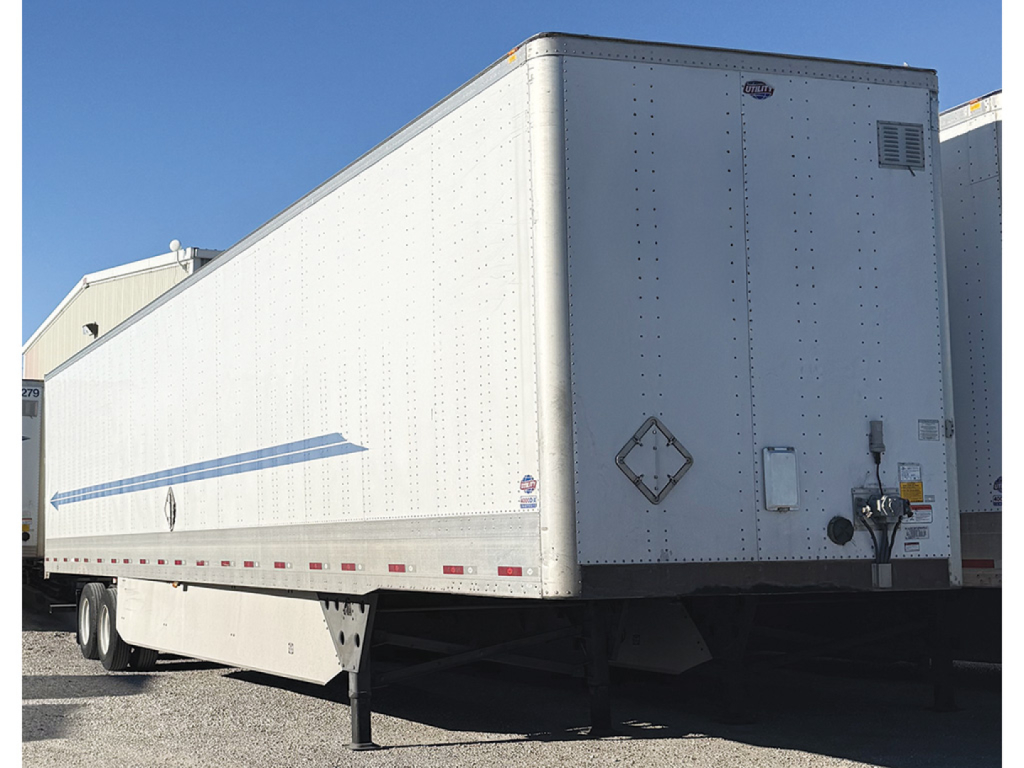
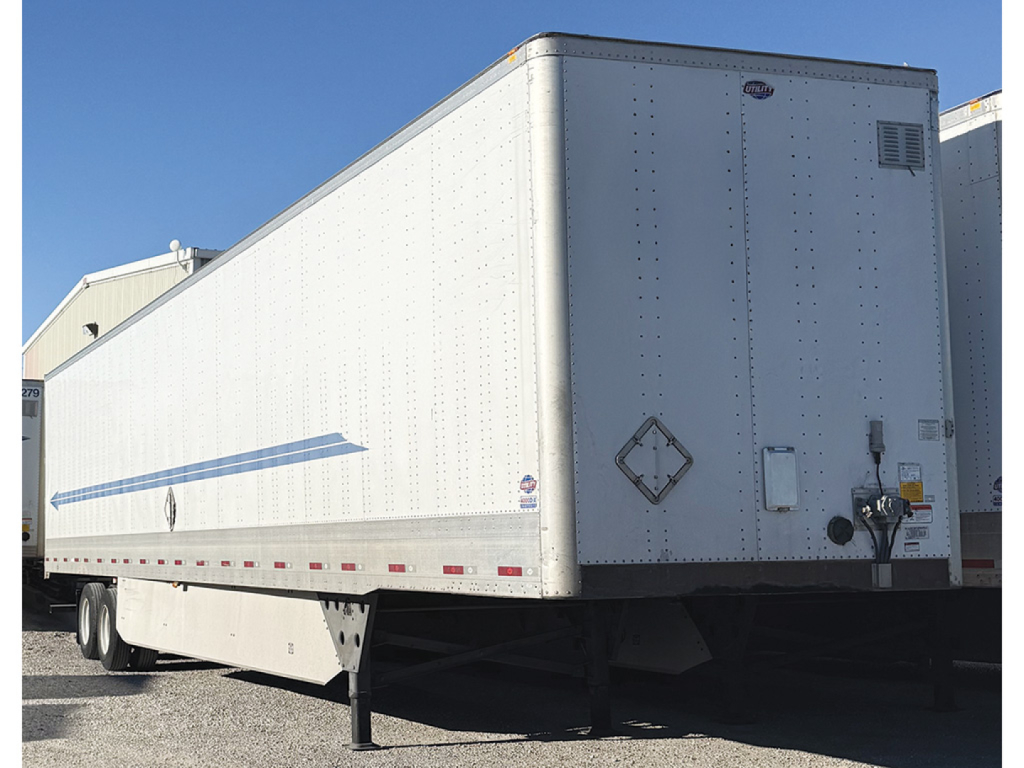
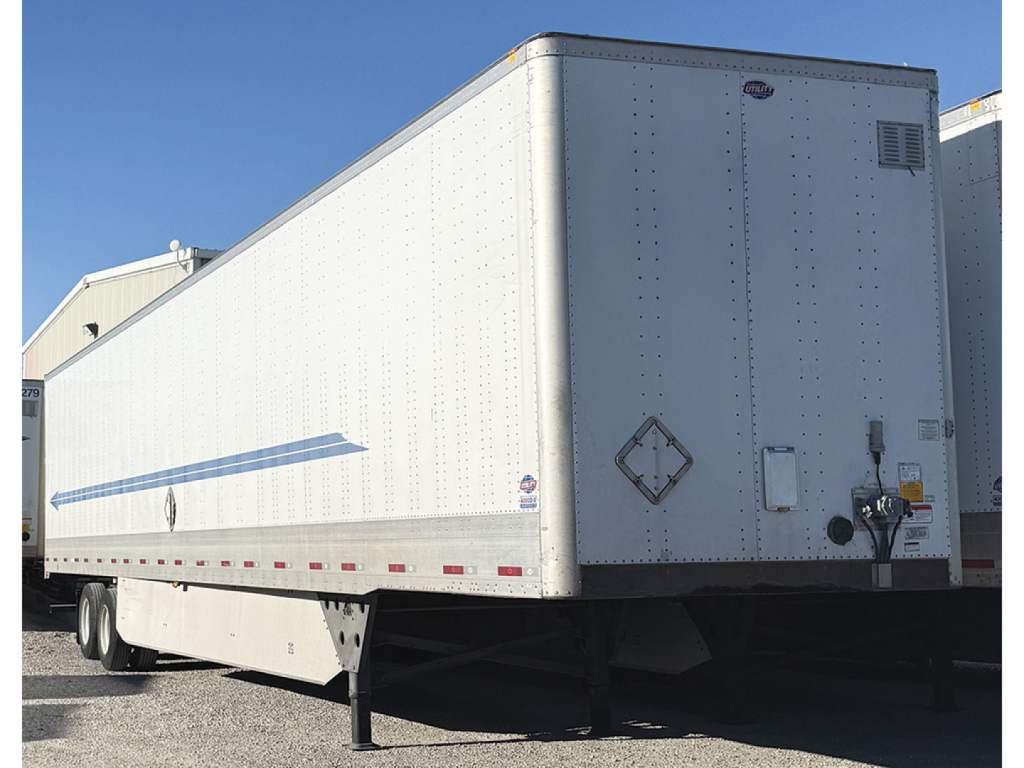
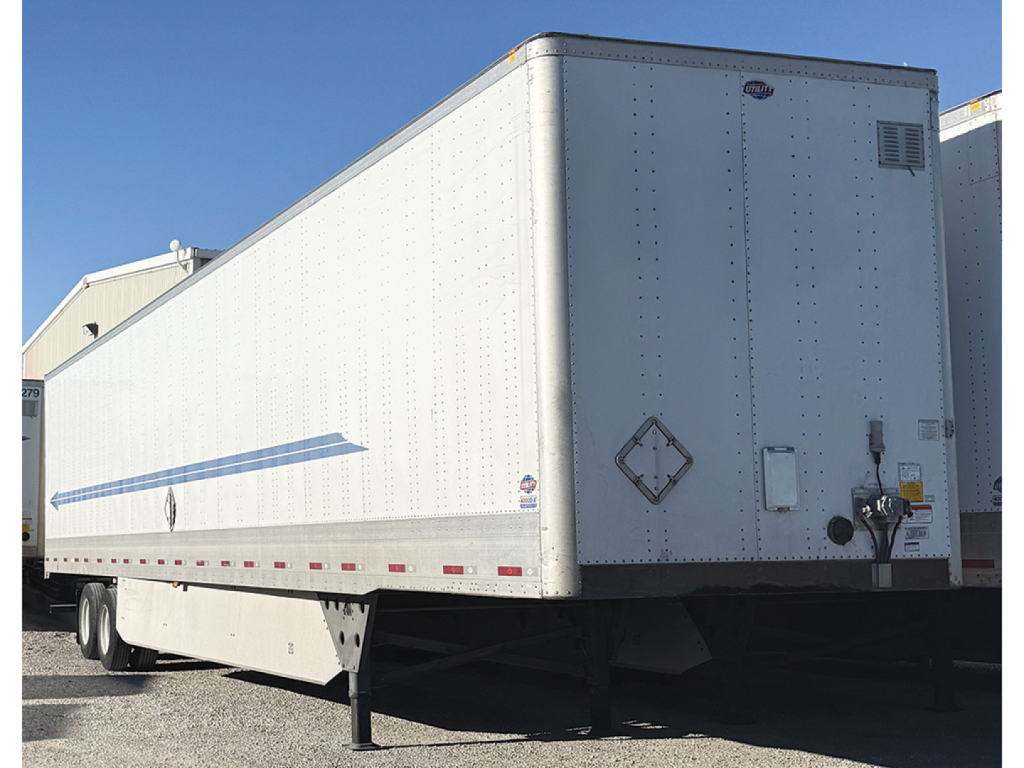
Showing 13 to 24 of 30 results
Have used utility van trailer to sell? List it here to reach thousands of buyers.
About Used Utility Van Trailers in Colorado
A buyer comparing used Utility vans should pay close attention to interior specs and loading protection. Features such as aluminum lining, scuff plates, threshold plates, and logistics posts matter because they affect how well the trailer handles repeated forklift traffic and load securement. Wood floors remain common and practical, but condition is critical. Look closely for soft spots, heavy gouging, patchwork, and signs of concentrated forklift wear at the rear. Rear frame condition, swing door alignment, and stainless door frame integrity also deserve a careful inspection because these trailers spend their lives backing to docks and taking impact in tight yards.
Running gear and axle configuration can make a major difference in day-to-day utility. Air ride suspension is preferred for ride quality and freight protection, and sliding tandems help with bridge law compliance and weight distribution across different states and load profiles. Tire inflation systems can reduce roadside calls and irregular tire wear, while low-profile 22.5 tires and disc wheels are common on late-model fleet trailers. Buyers in Colorado often value aerodynamic equipment like side skirts for highway fuel savings, but local terrain and weather also make brake condition, suspension wear, and tire age worth extra scrutiny. Front and rear vents are common on dry vans moving freight that benefits from airflow, but they should still be checked for leaks and water intrusion.
Used Utility van trailers are well suited for for-hire carriers, private fleets, and dedicated regional operations that need a dependable dry freight platform. The best trailer for the job is usually the one with the right combination of floor life, lining condition, tandem slide operation, door seal integrity, and maintenance history. If cross-docking, grocery freight, consumer packaged goods, or high-cube pallet freight is part of the operation, interior height and logistics equipment become especially important. A clean used Utility van with solid documentation and minimal structural damage can be a cost-effective way to add capacity without giving up the features most fleets expect in a modern dry van trailer.
Frequently Asked Questions
What are the most common specs on a used Utility van trailer?
Most used Utility dry van trailers on the market are 53 feet long, 102 inches wide, and 13 feet 6 inches tall. Many are built with an aluminum body, wood floor, swing doors, air ride suspension, and sliding tandems. Late-model fleet units often include logistics posts, scuff liners, side skirts, tire inflation systems, and low-profile 22.5 tires. Interior height is an important spec for buyers moving high-cube freight, with many trailers offering around 110 inches of inside height.
What should I inspect first on a used Utility dry van trailer?
Start with the floor, rear frame, roof, and doors because those areas usually show the most expensive wear. Check for forklift damage at the threshold, soft or patched floor sections, cracked crossmember areas, loose or damaged lining, leaking roof seams, and bent or misaligned swing doors. Then inspect the tandem slide, suspension components, brakes, tire condition, and wheel ends. A dry van can look clean outside and still need major floor or structural work, so the understructure matters as much as the side panels.
Is air ride suspension worth it on a used van trailer?
Air ride is widely preferred on van trailers because it improves ride quality and helps protect freight from shock and vibration. That matters for retail, packaged goods, electronics, and other palletized cargo that can shift or get damaged on rough roads. Air ride also tends to be the standard spec for fleet dry vans, so it is easier to match with shipper expectations and resale demand. The tradeoff is that buyers should inspect airbags, valves, and suspension bushings carefully to avoid deferred maintenance costs.
Why do sliding tandems matter on a Utility van trailer?
Sliding tandems give the trailer more flexibility for bridge law compliance, axle weight distribution, and dock positioning. They are especially useful for carriers running across multiple states or hauling variable load lengths and weights. A tandem slide that is hard to move or shows rail damage can create delays and maintenance expense, so buyers should verify that the pins engage properly and the slider moves as intended. On a fleet-spec dry van, a functional sliding tandem is usually considered a must-have rather than an extra.
Are Utility van trailers a good fit for Colorado freight operations?
Utility van trailers are a strong fit for Colorado because they work well in regional distribution, long-haul dry freight, and warehouse-to-dock operations along major Front Range and interstate routes. Buyers operating in Colorado should pay extra attention to brake performance, tire condition, suspension wear, and water sealing because mountain grades, winter weather, and temperature swings can expose weak points quickly. Aerodynamic options like side skirts can also add value for fleets running longer highway miles across the state and into surrounding markets.