
Utility Van Trailers For Sale in South Dakota
Shop Utility van trailers for sale in South Dakota. Compare dry van specs, axle setups, suspension, roof options, and wheel configurations.
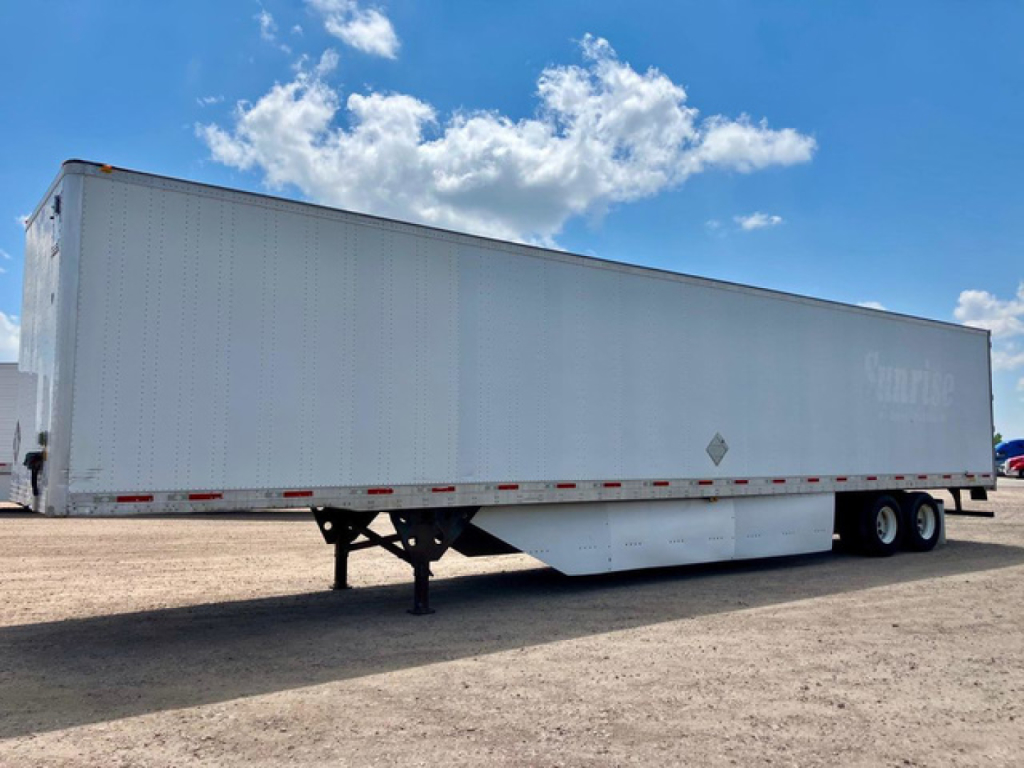
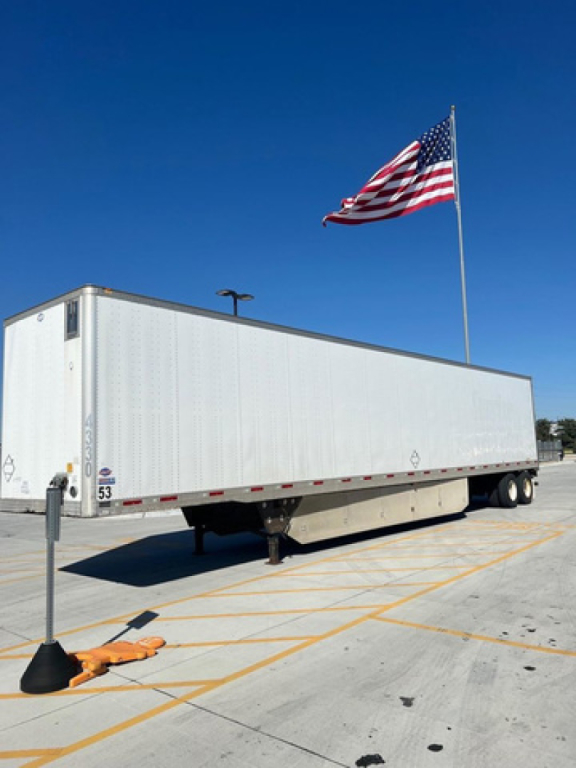
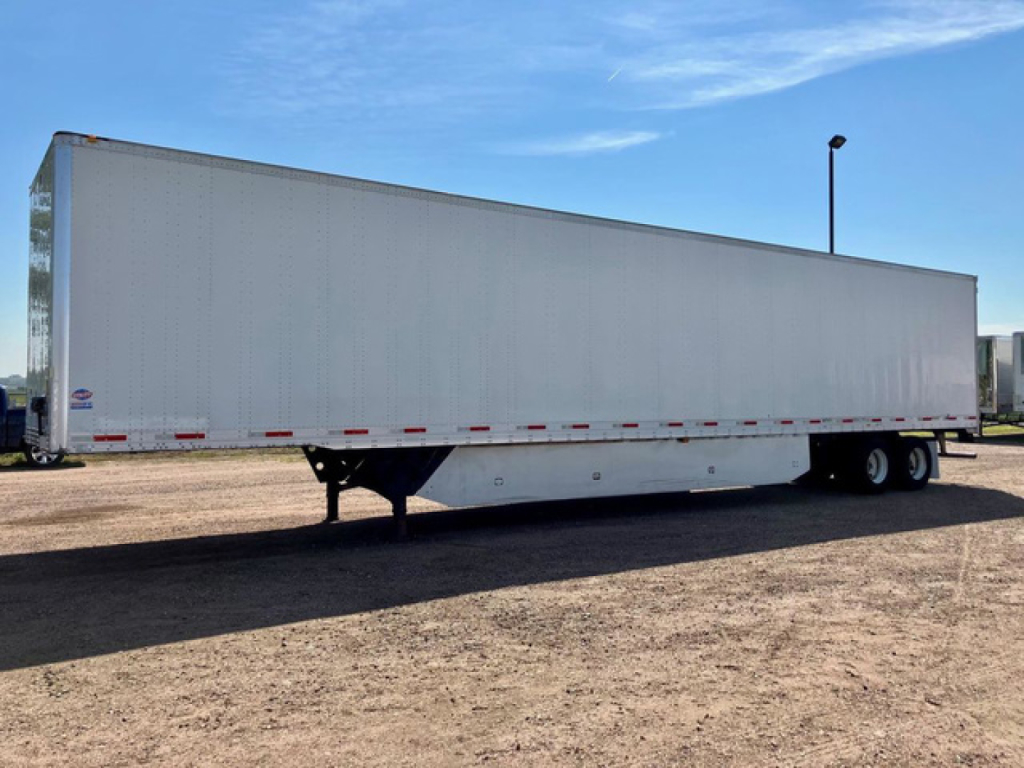
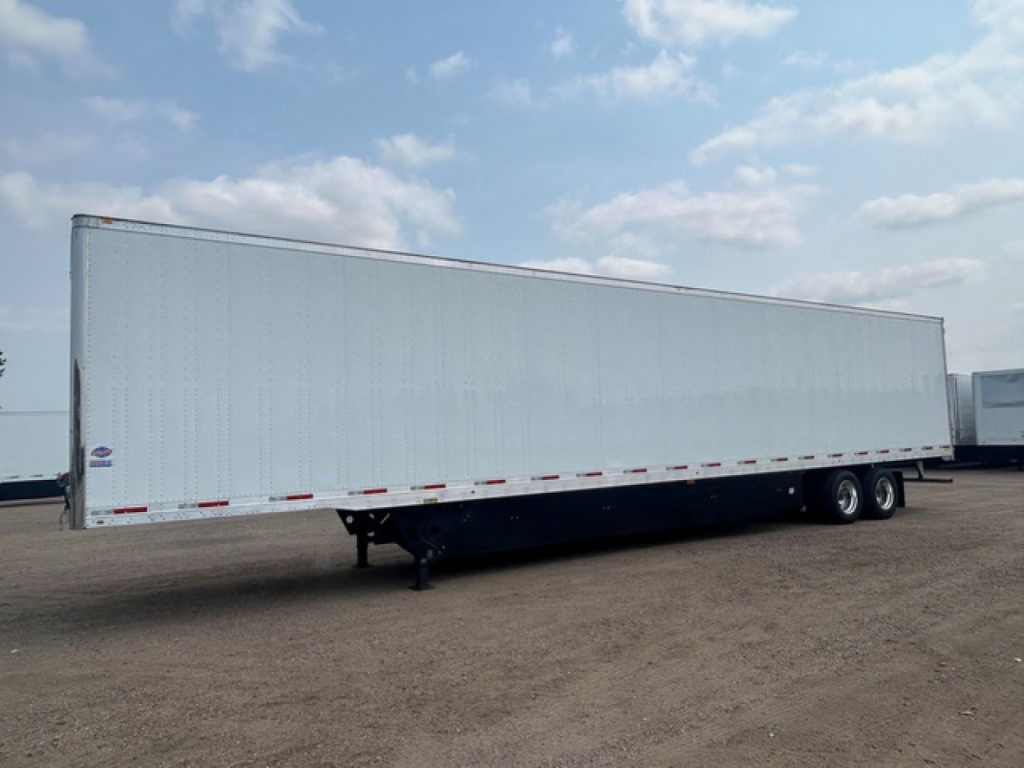
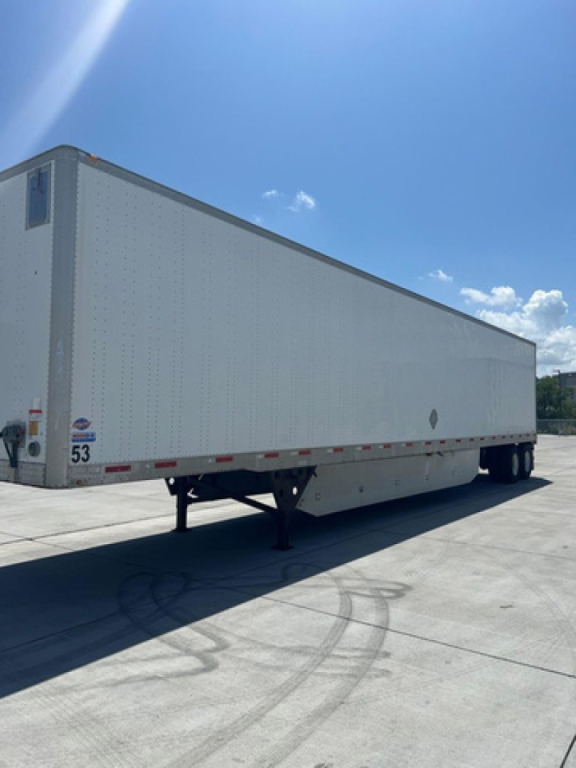

Showing 1 to 24 of 57 results
Have utility van trailer to sell? List it here to reach thousands of buyers.
Utility Van Trailers in South Dakota
The spec details matter more on a van trailer than many buyers expect. Aluminum wheels can trim weight and improve corrosion resistance, while steel wheels can reduce upfront cost and are still common in fleet service. A sliding tandem setup gives flexibility for bridge laws, dock approach, and kingpin-to-rear-axle requirements across different states. Air-ride suspension remains the preferred choice for freight protection and ride quality, especially with palletized consumer goods, food products, paper, and mixed LTL-style loads. On Utility dry vans, buyers should also pay attention to roof construction, floor rating, rear frame design, logistics post spacing, and the condition or availability of scuff liners if the trailer will see forklift traffic every day.
For upper Midwest service, trailer condition below the floor line deserves close inspection. Crossmembers, suspension hangers, brake components, wiring protection, door seals, and rear impact guard condition all matter when the trailer will spend time in snow, road treatment, and freeze-thaw cycles. Tire size and wheel-end spec affect both maintenance planning and parts commonality across a fleet. If the operation is cube-sensitive more than weight-sensitive, a lightweight spec can make sense. If the trailer will handle dense freight or constant multi-stop work, it is often worth stepping up to a stronger floor, heavier scuff protection, and a configuration that holds alignment and door fit over years of dock impact.
A Utility van trailer is usually bought for versatility first. It can cover contract freight, dedicated shipper work, warehouse transfers, and spot market loads without the exposure and securement demands of a flatbed. Buyers comparing listings should look at age, tare weight, axle configuration, suspension type, roof and sidewall design, wheel material, and any signs of floor or rear frame fatigue. The right dry van spec is the one that fits freight density, loading method, route restrictions, and maintenance discipline, not just the lowest purchase price.
Frequently Asked Questions about Utility Van Trailers in South Dakota
What is the typical setup for a Utility van trailer?
The most common setup is a 53-foot dry van trailer with tandem axles, a sliding tandem suspension, 22.5-inch tires, and air-ride suspension. That configuration gives broad freight compatibility, helps with bridge law adjustment, and supports common over-the-road and regional haul applications. Buyers should still confirm floor capacity, wheel material, roof construction, and interior lining based on the freight they plan to haul.
Are aluminum wheels worth it on a dry van trailer?
Aluminum wheels are often worth considering when payload, appearance, and corrosion resistance matter. They reduce weight compared with steel wheels, which can add small but meaningful payload advantage over time. Steel wheels usually cost less upfront and remain a practical choice for fleets focused on acquisition cost and straightforward replacement. The best choice depends on operating environment, maintenance practice, and how closely payload is tracked.
Why is sliding tandem suspension important on van trailers?
A sliding tandem allows the axle group to be moved to meet bridge law requirements, improve weight distribution, and adapt to different state regulations or customer docks. It also gives flexibility when a tractor's wheelbase or fifth wheel setting changes kingpin spread and axle loading. For fleets that run across multiple states or handle varied freight weights, a sliding tandem is usually the most practical spec.
What should buyers inspect on a used Utility dry van in South Dakota?
Buyers should inspect the floor for forklift damage, soft spots, delamination, and patchwork, then move to the rear frame, door hardware, crossmembers, suspension, brakes, and wiring. In South Dakota and the surrounding region, corrosion exposure from winter road treatment makes the understructure especially important. Roof leaks, sidewall repairs, seal condition, and alignment-related tire wear should also be checked because they affect long-term operating cost more than cosmetic condition.
What freight is a Utility van trailer best suited for?
Utility van trailers are built for dry freight that needs weather protection and secure enclosed transport. Common loads include packaged consumer goods, paper products, boxed food, retail freight, automotive components, and general palletized commodities. They are less specialized than reefer or flatbed equipment, which makes them a strong fit for carriers that need one trailer type to cover a wide range of contract and spot market freight.