
2017 Utility Van Trailers For Sale in Colorado
Shop 2017 Utility van trailers in Colorado. Compare 53-foot dry van specs, air ride setups, logistics posts, floors, doors, and tandem options.
Learn more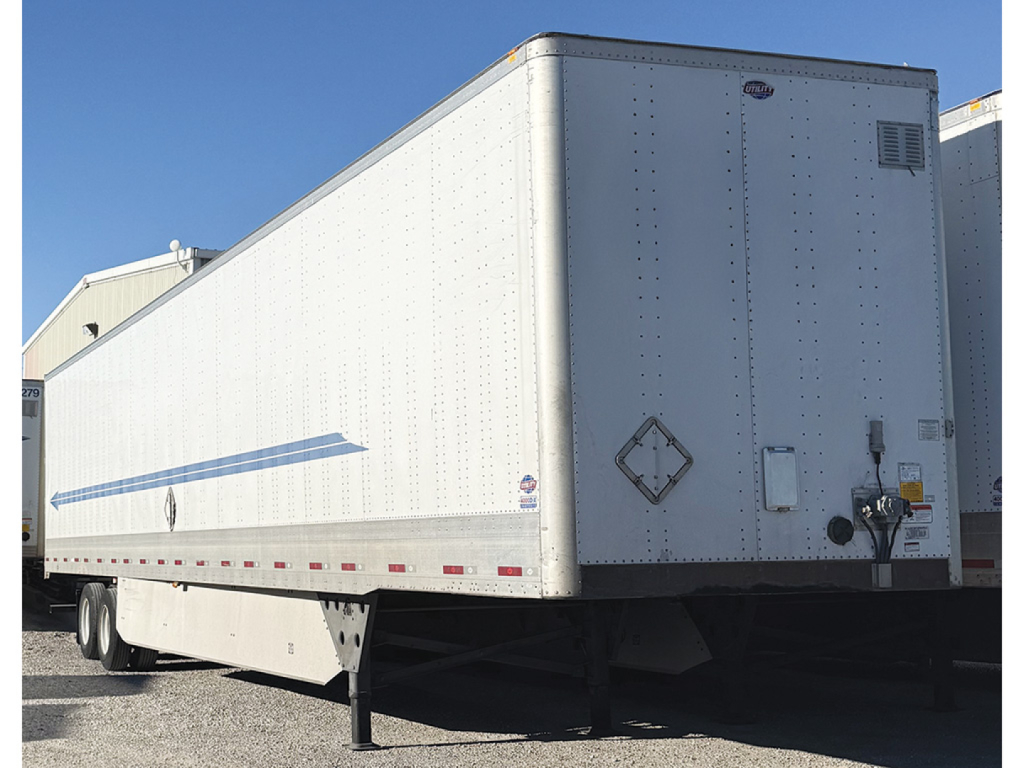
Have 2017 utility van trailer to sell? List it here to reach thousands of buyers.
About 2017 Utility Van Trailers in Colorado
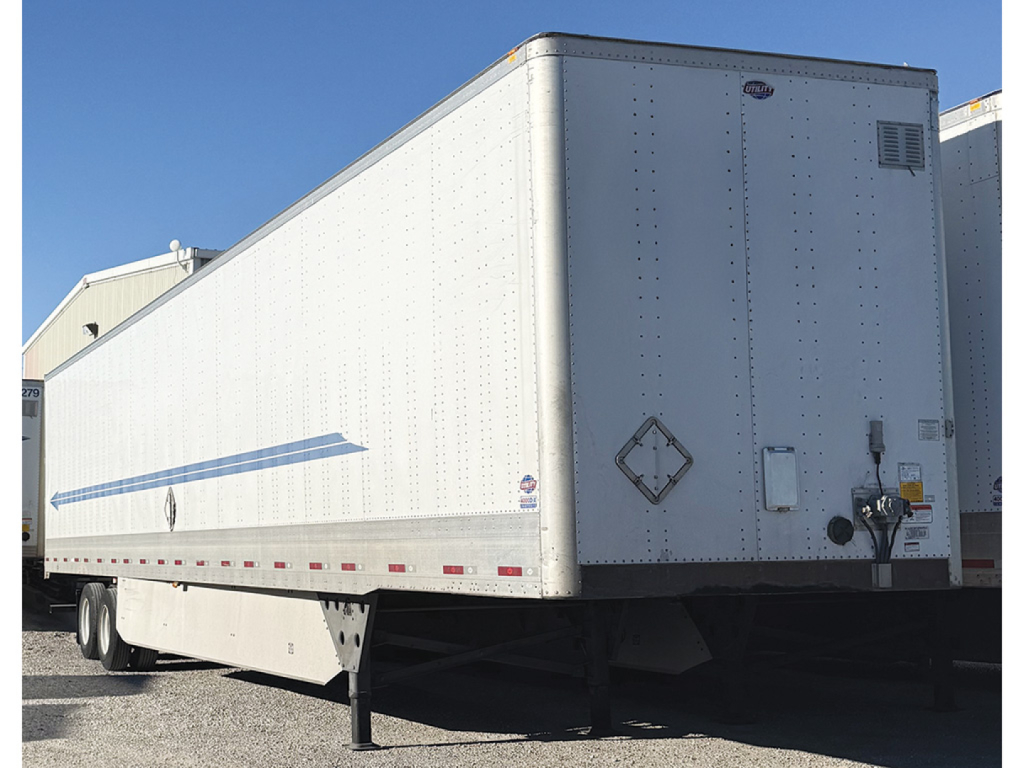
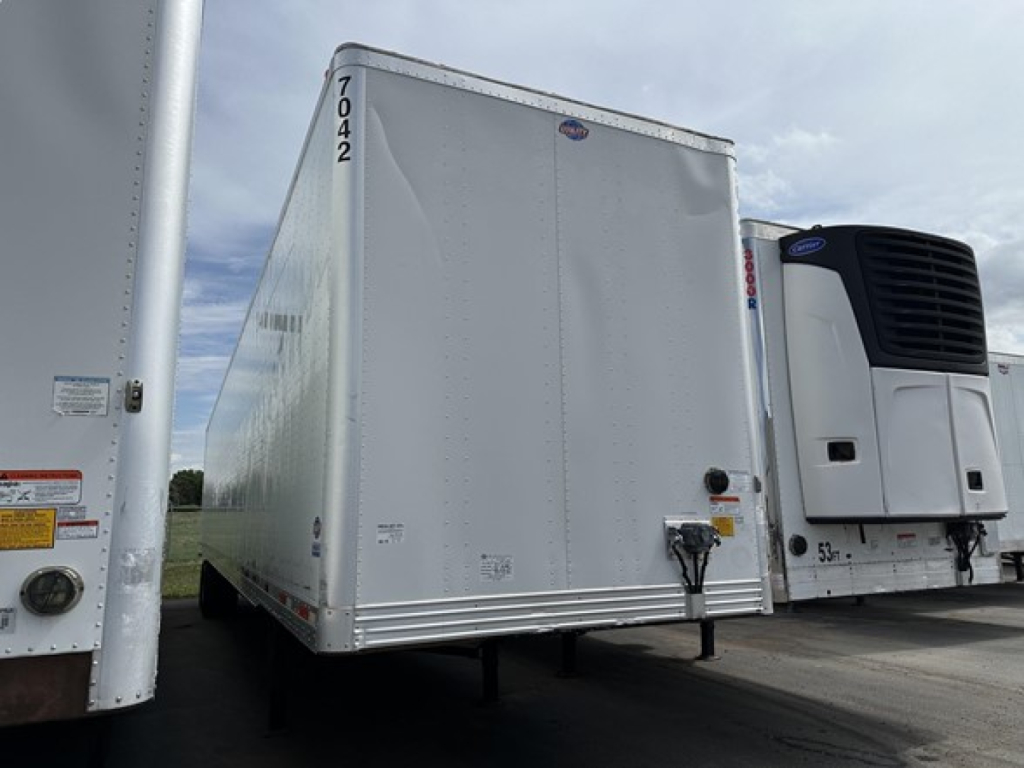
The core buying decisions on a 2017 Utility van trailer usually come down to floor life, logistics setup, suspension, and tandem configuration. Most trailers in this class are 53 feet long, 102 inches wide, and built for standard 13-foot 6-inch overall height, with interior heights that support high-cube freight. A wood floor remains the standard because it handles forklift traffic well and is relatively straightforward to repair, but condition matters more than material alone. Check for soft spots, patched sections, threshold wear, and fastener pull-through near high-traffic lanes. Logistics posts on 24-inch centers, scuff liners, threshold plates, and wear bands are valuable if the trailer will stay in multi-stop freight or warehouse service.
Utility vans from this period are often equipped with air ride suspension and sliding tandems, both of which matter in daily operations. Air ride helps protect freight and reduces trailer shock, while a slider gives flexibility for bridge law compliance, dock approach, and weight distribution. Tire inflation systems are also worth attention on a used dry van because they can help control tire wear and roadside service costs when maintained correctly. Rear swing doors are still the standard configuration for dock work, and buyers should inspect hinges, lock rods, door frame alignment, and signs of hard backing damage. Side skirts may also be present on some specifications, offering fuel economy benefits for fleets running steady highway miles.
For Colorado buyers, trailer condition should be evaluated with climate and route profile in mind. Dry air, elevation changes, and interstate use can be easier on some trailer components than corrosive coastal environments, but mountain grades and winter operations put extra importance on brakes, tires, suspension bushings, and ABS function. On any 2017 Utility van, pay attention to roof condition, front corner integrity, floor thickness, crossmember condition, and evidence of previous wall or nose repairs. A well-maintained Utility dry van from this year can still be a strong freight trailer for regional or over-the-road service, especially when the spec matches the freight, dock environment, and maintenance standards of the operation.
Frequently Asked Questions
What are the most important things to inspect on a 2017 Utility van trailer?
The most important inspection points are the floor, roof, rear frame, suspension, tandem slider, and wall integrity. On a dry van, floor condition directly affects forklift use and cargo safety, so look for rot, delamination, heavy patching, and damage around the threshold. Check the roof for leaks or prior repairs, inspect the rear door frame for impact damage, and make sure swing doors seal and latch correctly. On the running gear side, inspect air ride components, brake condition, tire wear patterns, slider operation, and crossmember corrosion or cracking.
What size is a typical 2017 Utility dry van trailer?
Most 2017 Utility dry van trailers are configured at 53 feet long and 102 inches wide, with a standard outside height around 13 feet 6 inches. Interior height can vary by specification, but many are built to handle high-cube palletized freight. That size makes them suitable for standard dock loading, general truckload freight, and most common warehouse distribution networks.
Is air ride suspension important on a used Utility van trailer?
Air ride is important for many operations because it helps reduce cargo shock, improves ride quality, and supports better protection for sensitive freight. It is especially useful in retail, consumer goods, and higher-value dry freight applications. On a used trailer, the value depends on condition as much as the feature itself, so inspect airbags, shocks, height control components, and the overall suspension setup to confirm it has been maintained properly.
What does a sliding tandem add on a dry van trailer?
A sliding tandem gives the trailer more flexibility in axle placement for bridge law compliance, weight distribution, and dock maneuvering. That matters in operations that cross multiple states, handle varying load densities, or work in facilities with tight yard layouts. On a 2017 trailer, make sure the slider rails, pins, and air pin release system work correctly, because neglected tandem systems can become costly and time-consuming to repair.
Are Utility van trailers a good choice for general freight?
Utility van trailers are widely used in general freight service because they are built around common fleet specs, broad parts support, and durable dry freight construction. Features like composite wall panels, scuff protection, wood floors, swing doors, and logistics posts make them adaptable to many cargo types. A 2017 model can still be a solid fit for regional or long-haul freight if the trailer has good structural condition, a sound floor, and a maintenance history that matches the intended use.