
Used Van Trailers For Sale in Mississippi
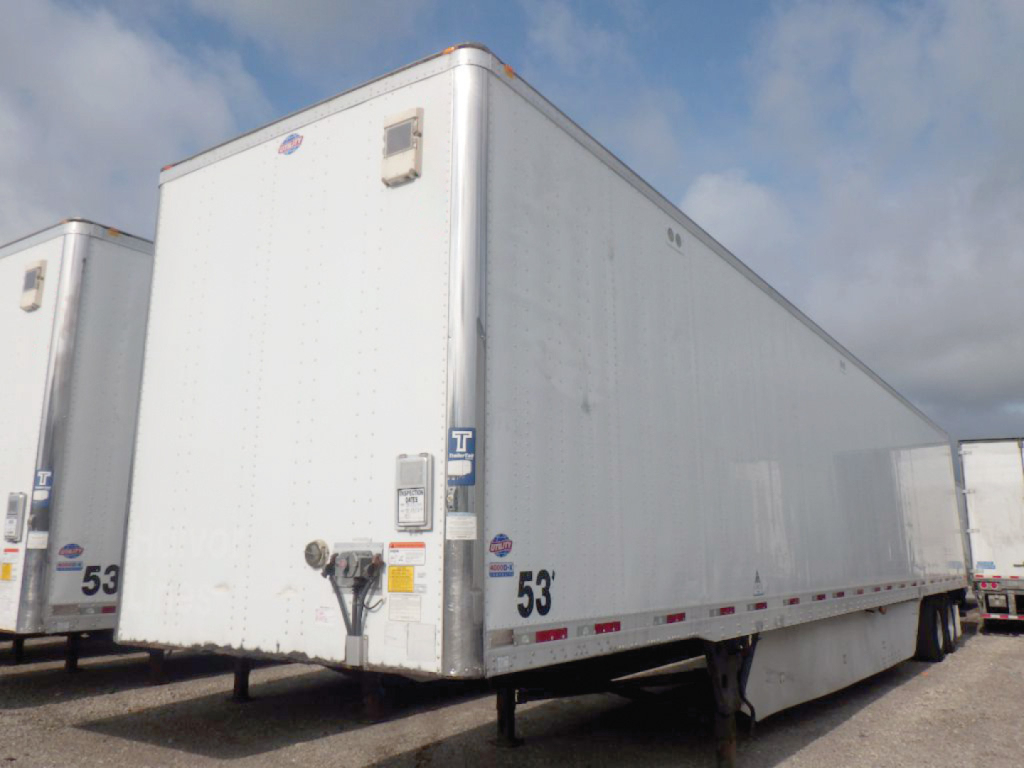
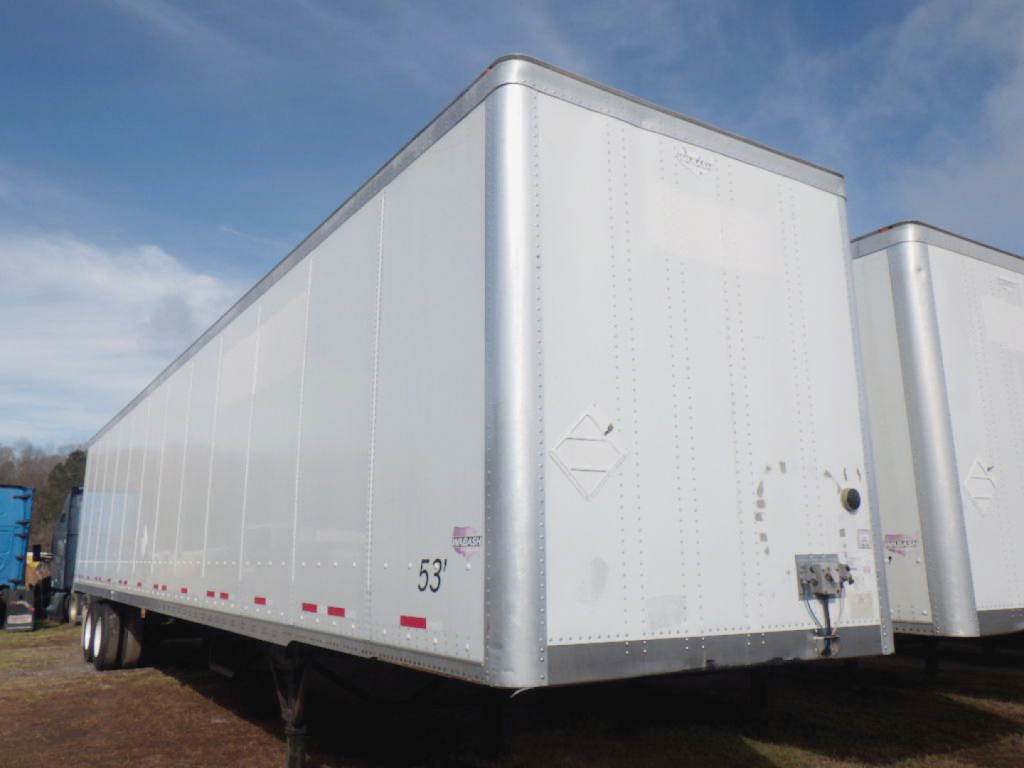
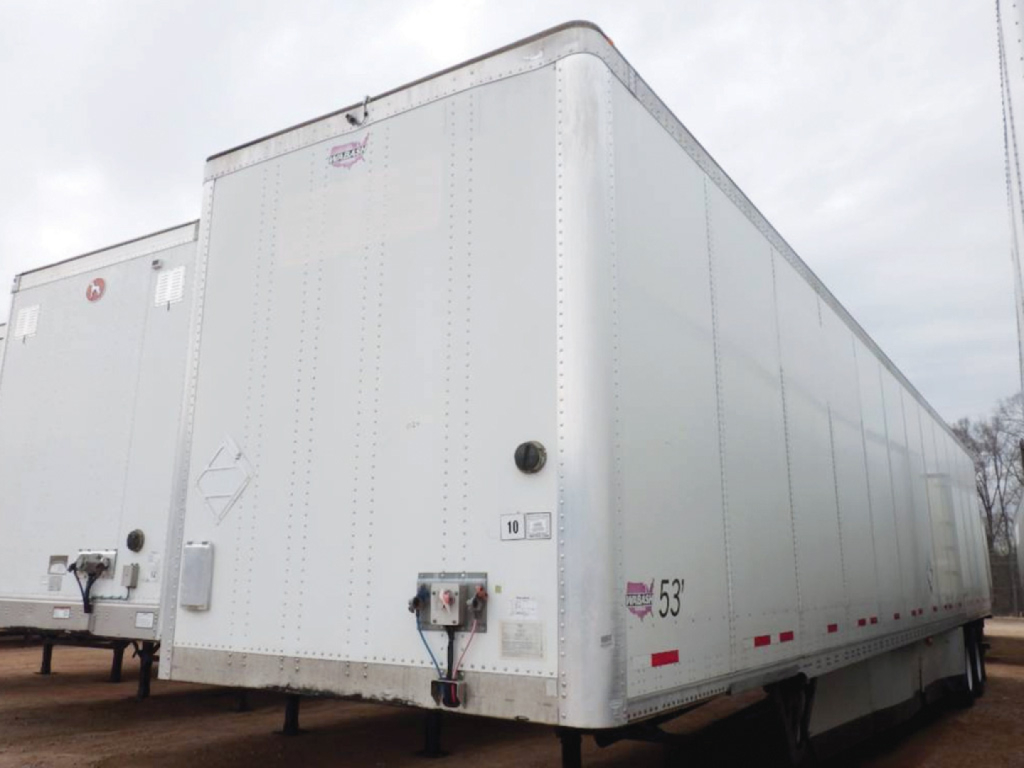
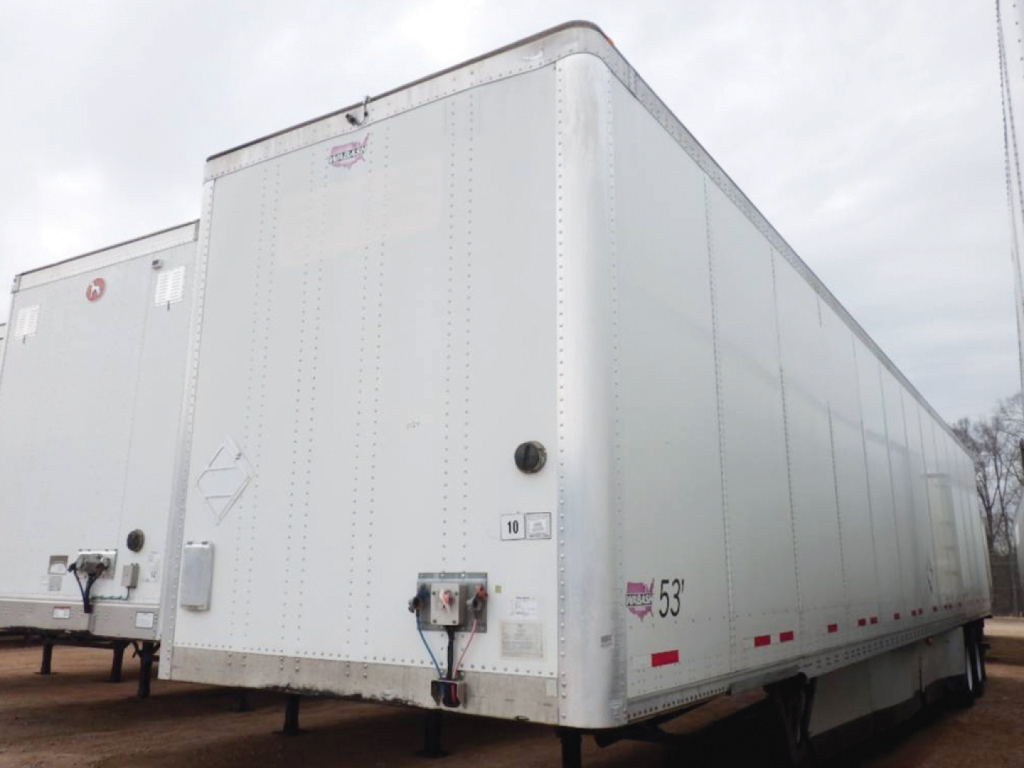
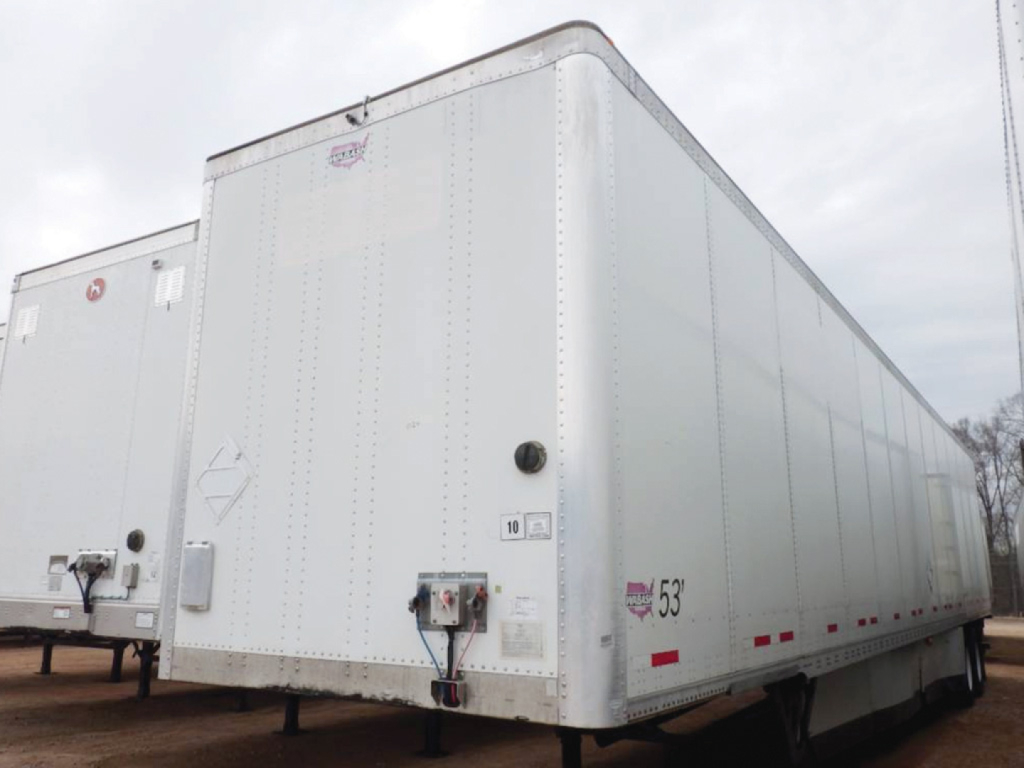
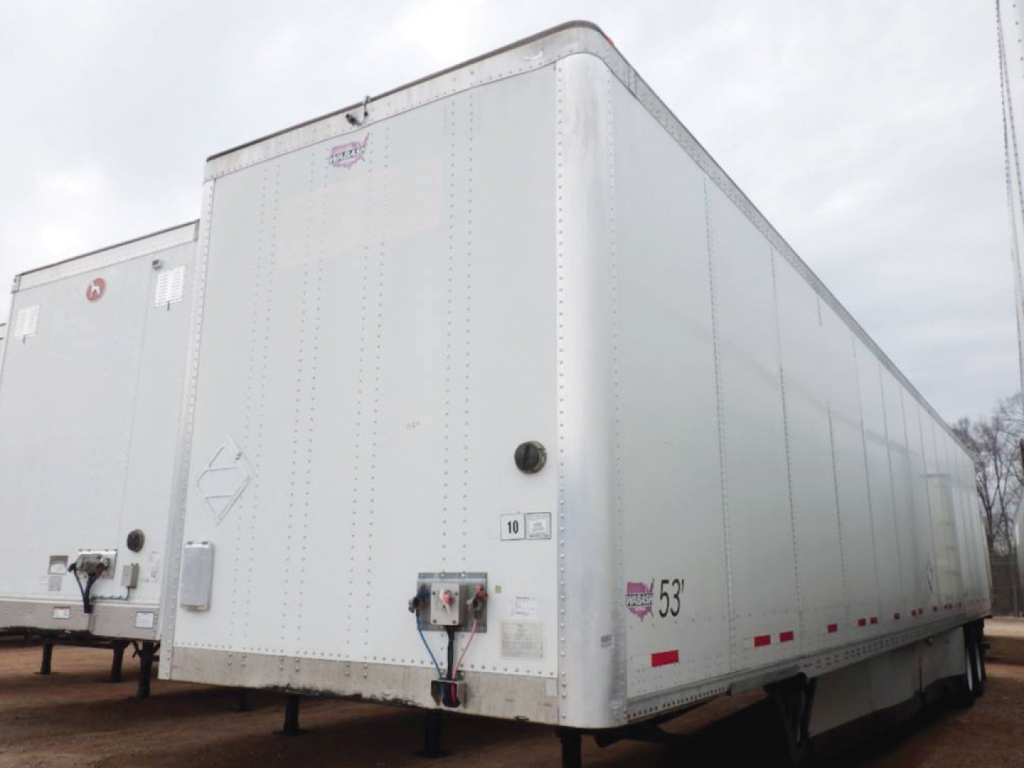
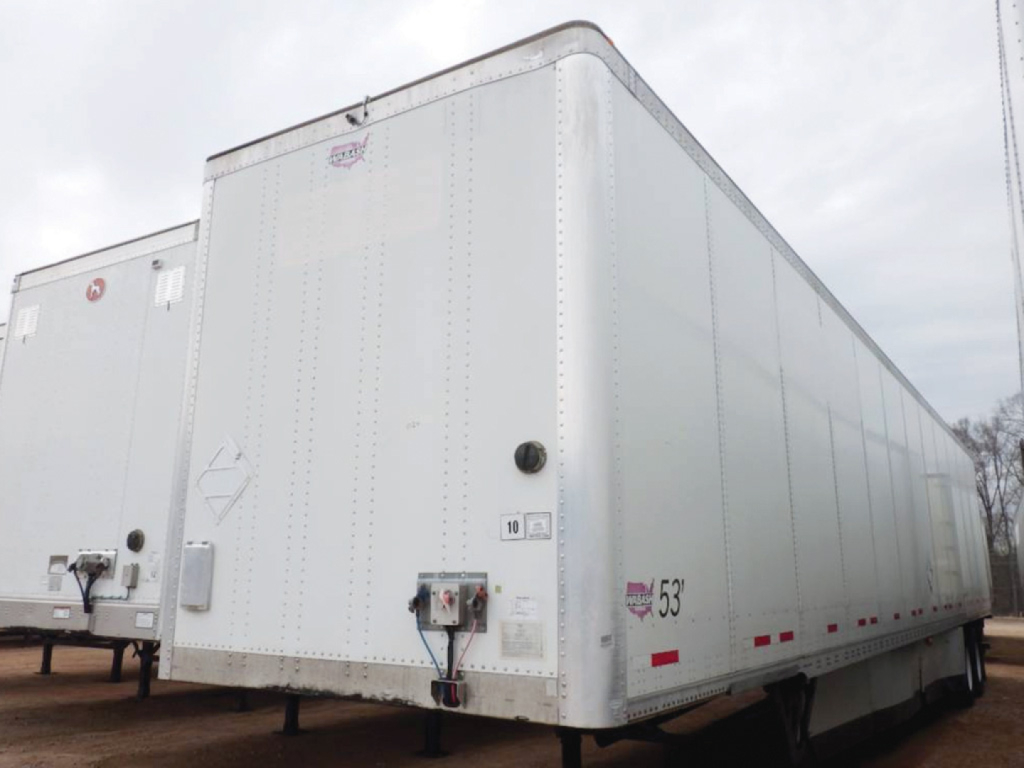
Browse used van trailers for sale in Mississippi. Compare 53-foot dry vans with logistics posts, sliding tandems, air ride, and swing doors.
Learn more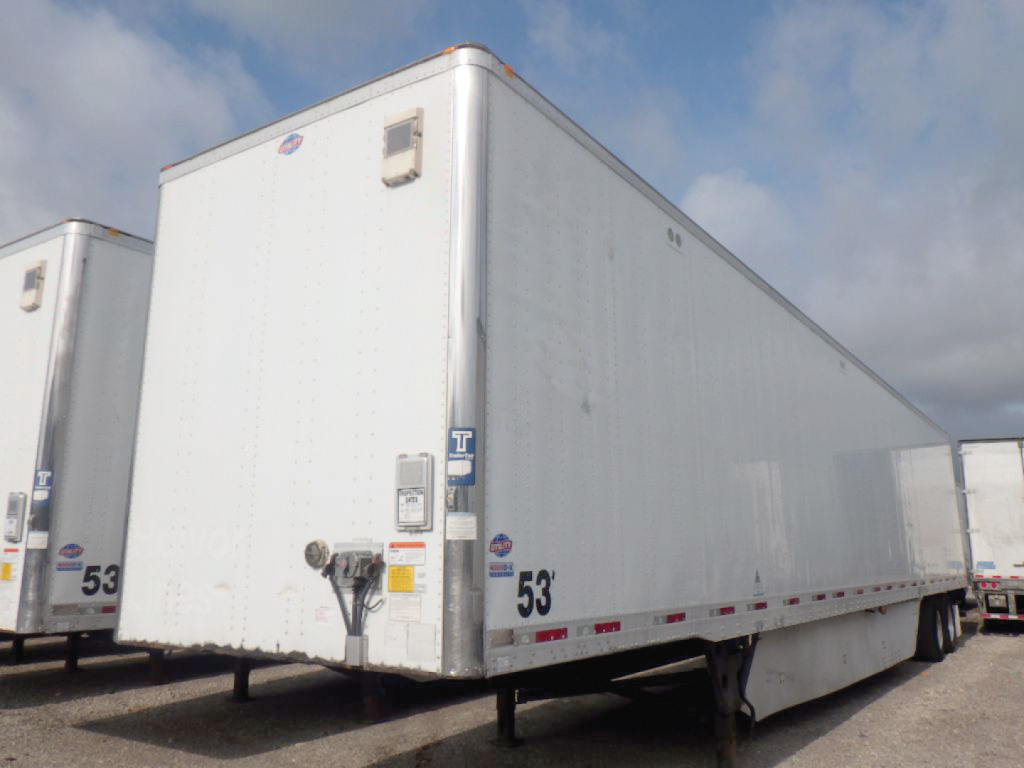

Showing 37 to 48 of 49 results
Have used van trailer to sell? List it here to reach thousands of buyers.
About Used Van Trailers in Mississippi
When comparing used van trailers, the construction type matters early. Composite and plate-style bodies such as DuraPlate designs are known for durability and lower maintenance in high-cycle fleet service, while aluminum dry vans can offer lower tare weight for payload-sensitive operations. Look closely at the floor condition, threshold plate, rear frame, scuff liner or scuff plate, and logistics post spacing. A wood floor remains common and serviceable, but buyers should inspect for forklift wear, soft spots, patched boards, and concentrated damage near the nose and rear. Logistics-equipped interiors are valuable for mixed freight because they improve load securement flexibility without adding much complexity.
Running gear and axle configuration have a direct impact on operating cost and lane suitability. Sliding tandems are standard on many used 53-foot vans because they help with bridge law compliance, dock positioning, and weight distribution. Air ride suspension is often preferred for freight protection and ride quality, while spring ride can be simpler and less expensive to maintain. Buyers should also check brake type, tire size, wheel material, and the condition of suspension bushings, sliders, and locking pins. Aerodynamic equipment like side skirts can improve fuel economy on highway routes, but they should be inspected for damage from curbs, tire debris, and yard impacts.
Door configuration and trailer age should be matched to the freight, not just the price. Swing doors are still the dominant rear access setup for dry vans because they are simple, durable, and easy to service. Pay attention to door seals, hinge wear, roof condition, wall repairs, and signs of water intrusion, especially around the front corners and rear frame. Kingpin setting, crossmember condition, ICC bumper integrity, and any signs of prior structural repair deserve a careful look on a used trailer. For Mississippi buyers running a mix of local and over-the-road freight, a clean used van trailer with solid floor structure, straight rails, good rear doors, and dependable sliding tandem operation will usually deliver the best long-term value.
Frequently Asked Questions
What should I inspect first on a used van trailer?
Start with the floor, roof, rear frame, and suspension. Floor damage from forklift traffic is one of the most expensive hidden issues on a dry van, especially near the rear threshold and just inside the doors. Check the roof for patches or punctures, inspect the rear frame for dock impact, and make sure the tandem slider moves and locks correctly. Water intrusion, cracked crossmembers, worn door hardware, and uneven tire wear can all signal deferred maintenance.
What is the most common size for a used dry van trailer?
The most common configuration is a 53-foot by 102-inch dry van with a 13-foot 6-inch overall height. That size works for standard dock operations, palletized freight, and most general dry goods applications. It is also the easiest size to match with fleet tractors, common freight lanes, and replacement parts. Shorter lengths still exist, but the 53-foot van dominates the used market.
Is air ride or spring ride better on a used van trailer?
Air ride is usually preferred when freight protection and ride quality matter, and it is common in over-the-road van service. Spring ride can be simpler and may cost less to maintain, but it generally transmits more road shock into the trailer and cargo. The better choice depends on commodity type, maintenance standards, and route profile. On a used trailer, condition matters more than theory, so inspect the suspension components carefully regardless of type.
Are side skirts worth having on a used van trailer?
Side skirts can reduce aerodynamic drag and improve fuel economy on highway miles, especially in longer regional and over-the-road operations. Their value depends on how much interstate running the trailer will do and how often it operates in tight yards where skirt damage is common. On a used trailer, inspect the mounting points, support braces, and skirt panels for cracks or impact damage. A damaged skirt system can create maintenance costs that offset part of the fuel savings.
What makes one used van trailer a better value than another?
The best value usually comes from structural condition and specification fit, not simply the newest model year. A trailer with a sound floor, straight rails, clean roof, tight doors, good brakes, and a functional tandem slide will generally outperform a cheaper unit that needs major repairs. Buyers should also consider tare weight, interior securement options, suspension type, and repair history. A dry van that matches the freight profile and needs less immediate shop time is typically the stronger buy.