
Used 2020 Van Trailers For Sale in Pennsylvania
Browse used 2020 van trailers in Pennsylvania. Compare 53-foot dry vans, swing or roll-up doors, air ride suspensions, and trailer specs.
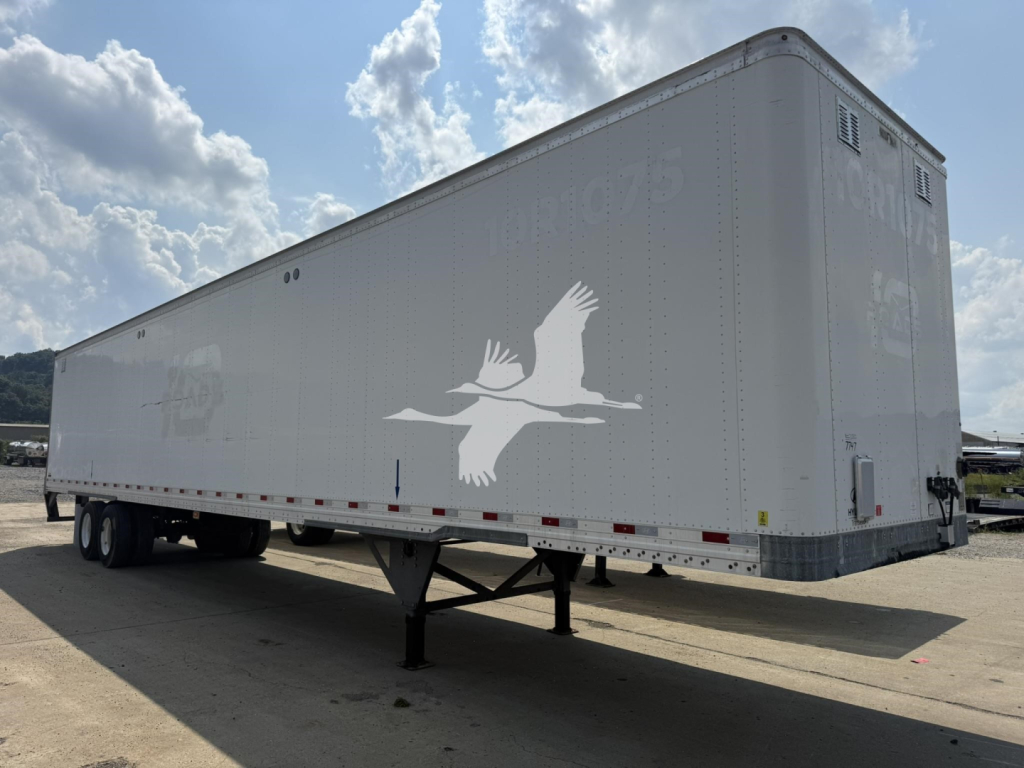
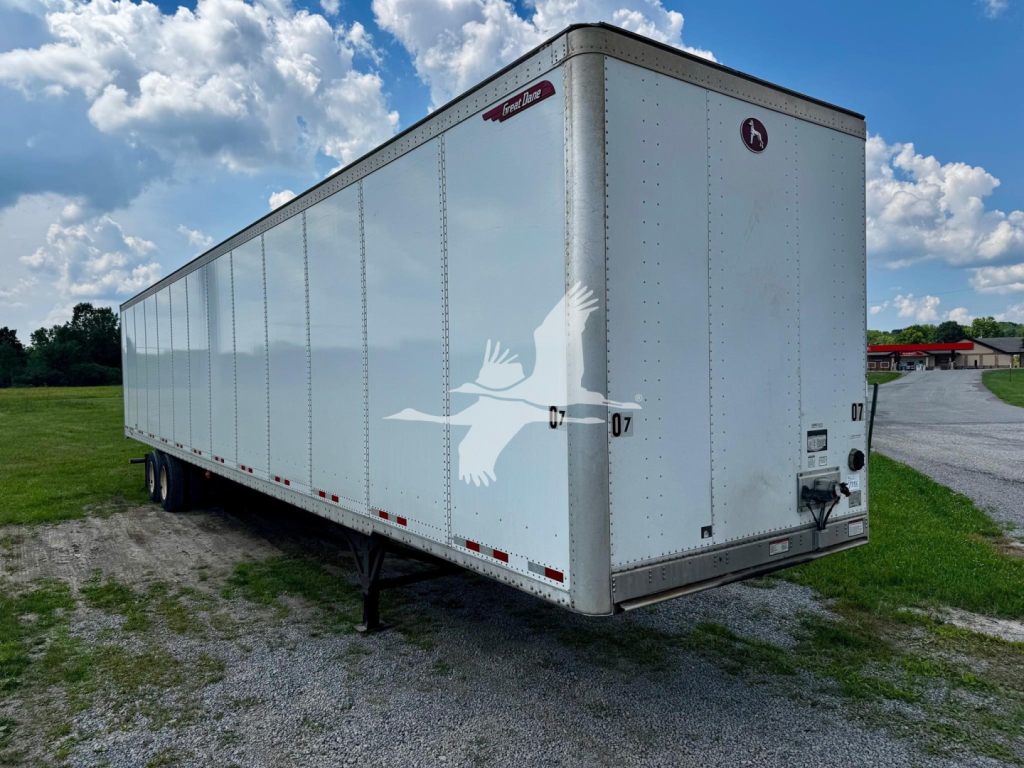
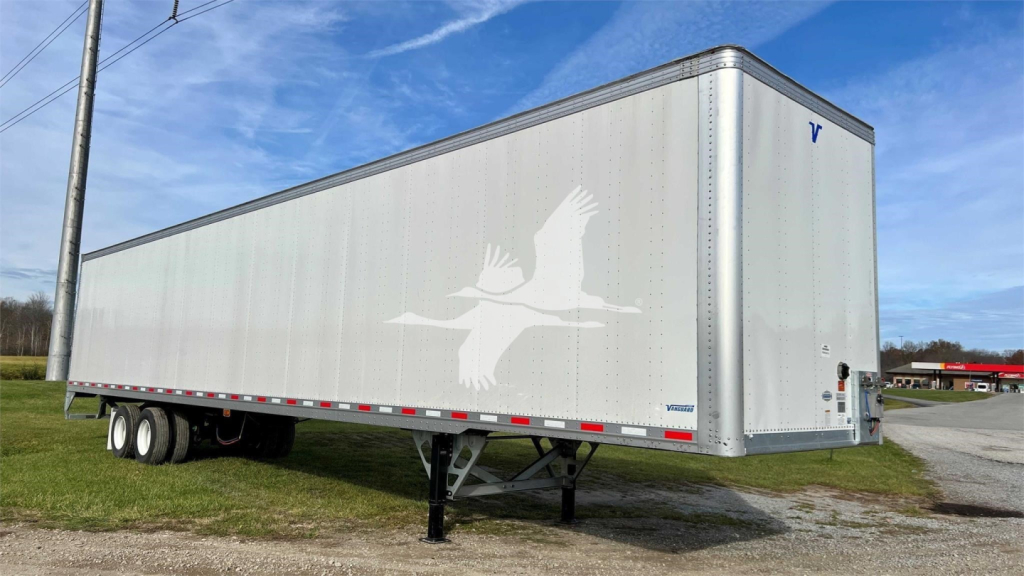
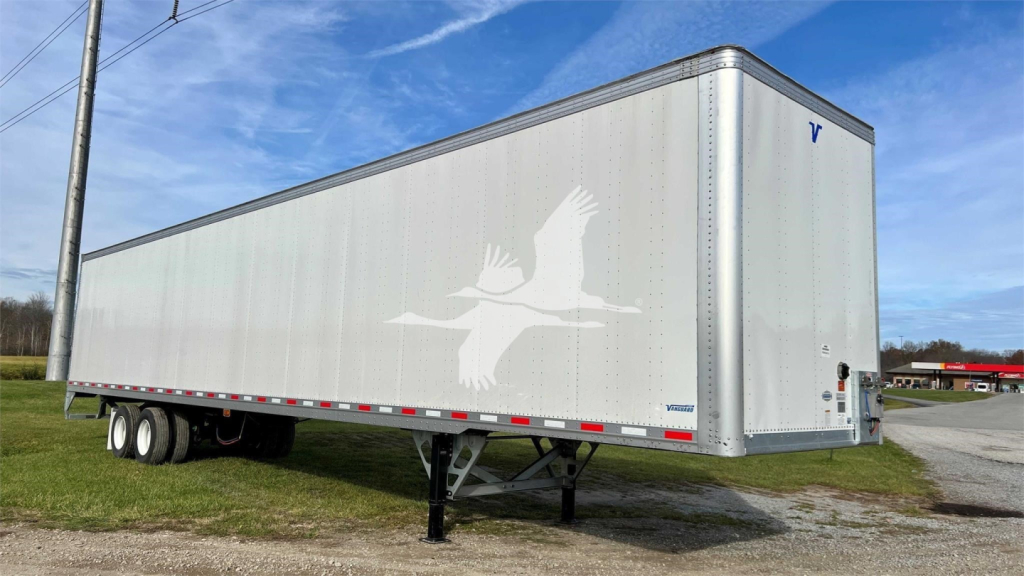
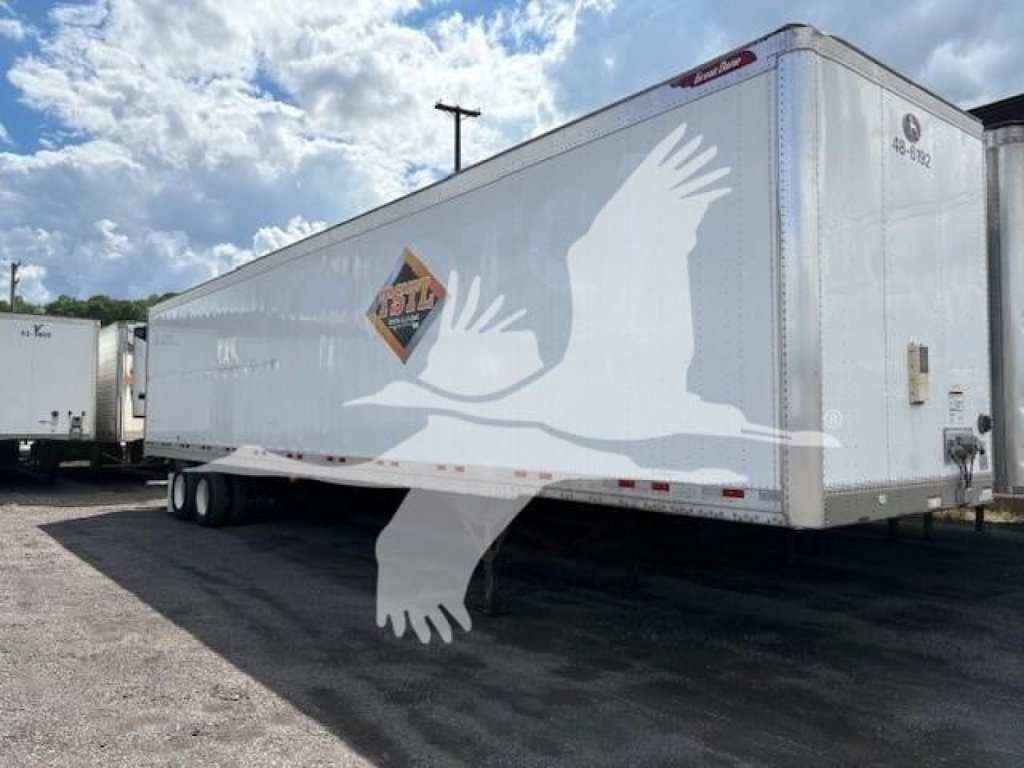
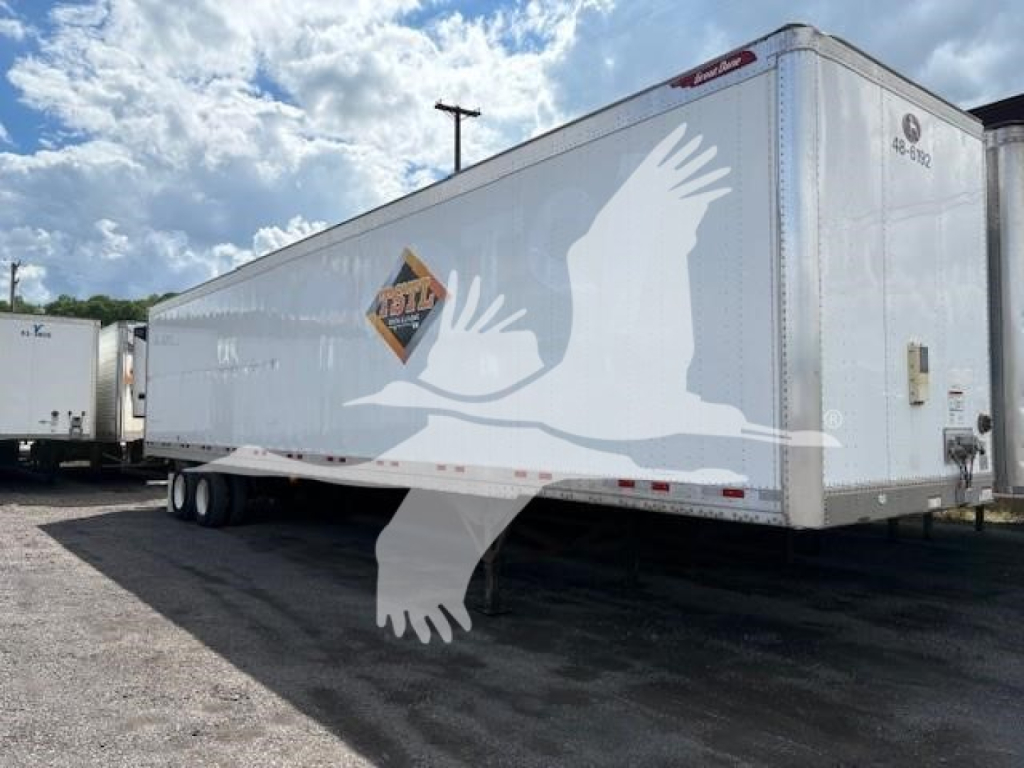
Showing 1 to 24 of 25 results
Have used 2020 van trailer to sell? List it here to reach thousands of buyers.
Used 2020 Van Trailers in Pennsylvania
The first decisions usually come down to body construction, door style, and suspension. Plate trailers and sheet-and-post designs each have their place. Plate vans can offer strong sidewall durability for tough dock environments, while post-style construction can make repairs more straightforward depending on the damage. Swing doors remain common for full rear access and dock use, while roll-up doors can be useful in route delivery applications but typically add weight and reduce the full opening. Air ride suspension is widely preferred for freight protection and driver acceptance, though some older fleets still value spring ride for simplicity. Slider suspension position, kingpin setting, and axle spread matter if the trailer will run across multiple states, deal with bridge law concerns, or stay dedicated to local Pennsylvania lanes.
Interior and structural specs deserve a close look on any used 2020 van trailer. Buyers should pay attention to inside height, door opening height, floor condition, roof construction, crossmember spacing, and logistics post layout. Common features in this class include aluminum roofs, hardwood laminated floors, 12-inch crossmember centers in higher-duty builds, scuff liners, full nose lining, galvanized rear frames, and two-speed landing gear. Tire size, wheel type, brake condition, and suspension brand also affect long-term operating cost. If the trailer will handle dense freight, check floor fastener retention, threshold wear, lower rail condition, and signs of sidewall impact from forklifts. For distribution work, logistics posts on 48-inch centers and a clean, straight interior can make a major difference in load securement flexibility.
For Pennsylvania operations, a used 2020 dry van should be evaluated with weather, road conditions, and regional freight mix in mind. Winter corrosion exposure makes frame, rear sill, door hardware, and slider rails especially important inspection points. Fleets running I-76, I-78, I-80, or into the Northeast corridor often prioritize reliable doors, sound dock bumpers, good tire life, and a suspension that tracks well over rough pavement and tight warehouse approaches. A strong used 2020 van trailer can still deliver years of service if the floor is solid, the body is straight, the doors seal properly, and maintenance records support the condition. Buyers comparing listings should focus less on brand decals and more on structural integrity, repair history, and how closely the trailer's spec matches the freight it is expected to haul.
Frequently Asked Questions about Used 2020 Van Trailers in Pennsylvania
What is the most common spec for a used 2020 van trailer?
The most common spec is a 53-foot by 102-inch dry van trailer with a 13-foot 6-inch overall height, tandem axles, air ride suspension, and swing doors. Many units in this model year also have logistics posts, hardwood floors, aluminum roofs, and standard kingpin settings that fit general over-the-road freight operations. This configuration works well for palletized freight, warehouse loading docks, and broad fleet interchangeability.
What should I inspect first on a used 2020 dry van trailer?
Start with the floor, lower rails, rear frame, roof, doors, and suspension. Floor damage from forklifts and concentrated loads can be expensive to correct, and lower sidewall or rail damage can indicate repeated dock and cargo impact. Check for water intrusion, door seal wear, bent crossmembers, frame corrosion, and slider rail damage. Tire wear, brake condition, and landing gear operation also give a good picture of how the trailer was maintained.
Is air ride better than spring ride on a van trailer?
Air ride is the preferred setup for most van trailer buyers because it generally protects freight better, improves ride quality, and is more accepted in premium freight service. Spring ride can still make sense for buyers focused on lower initial cost and mechanical simplicity, but it usually delivers a rougher ride and may be less attractive in resale. The right choice depends on cargo sensitivity, maintenance priorities, and lane type.
Are swing doors or roll-up doors better on a van trailer?
Swing doors are the standard choice for most linehaul and dock applications because they provide a full rear opening, are generally lighter, and are easier to service in many fleet shops. Roll-up doors are useful for frequent stop-and-go delivery work where door convenience matters, but they add weight and can reduce rear opening height. Buyers should match the door type to the loading environment and freight pattern.
Why does trailer construction matter on a used 2020 van trailer?
Construction details directly affect payload, durability, repair cost, and service life. Plate trailers, sheet-and-post bodies, floor thickness, crossmember spacing, scuff protection, and galvanized components all change how the trailer handles dock abuse, weather exposure, and heavy freight. A well-specced 2020 van trailer with strong structural components can hold value better and stay productive longer than a cheaper trailer with weaker build details.