
Used 2018 Van Trailers For Sale
Browse used 2018 van trailers for sale, including 53-foot dry vans with air ride, swing or roll-up doors, logistics posts, and durable flooring.
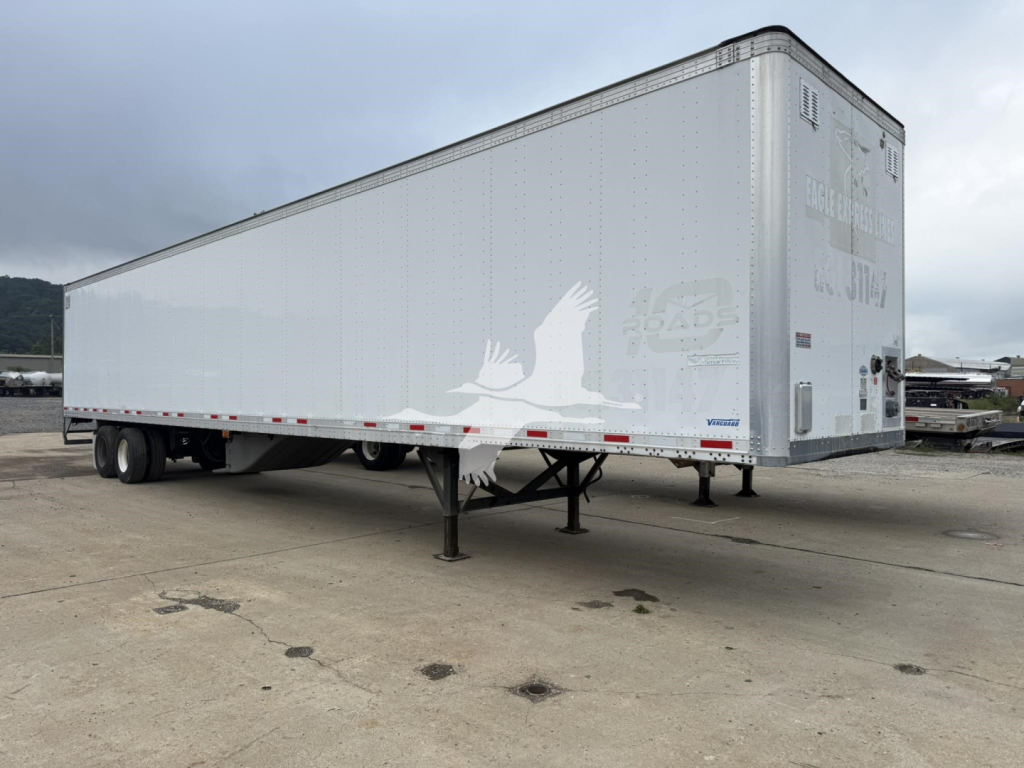
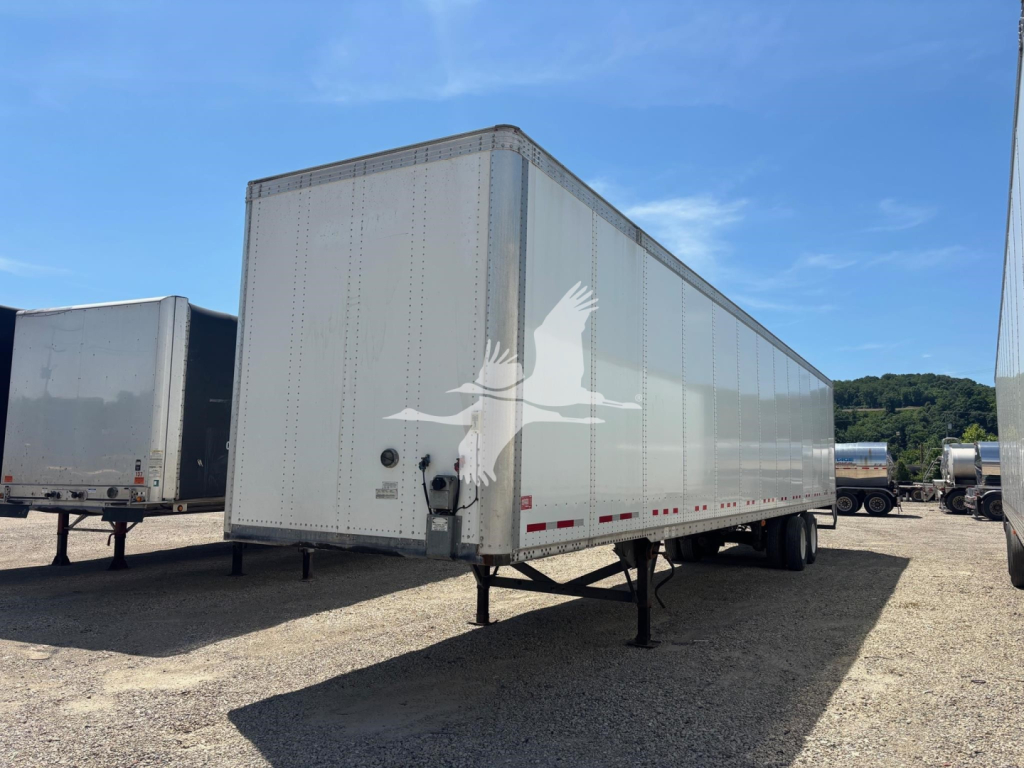
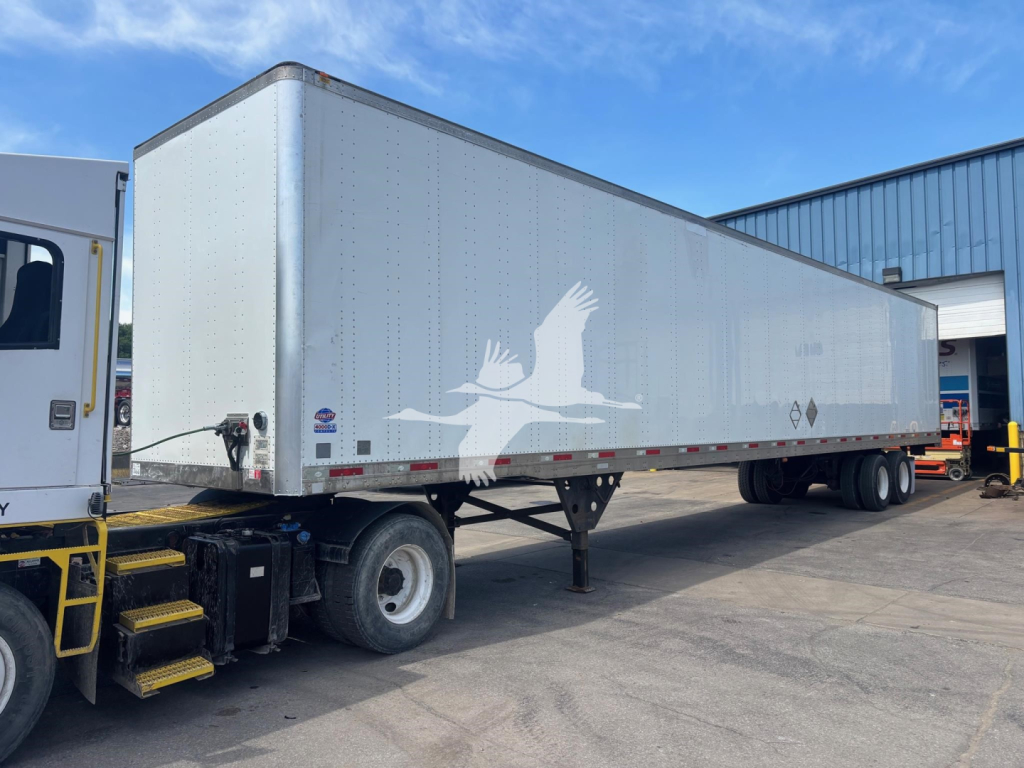
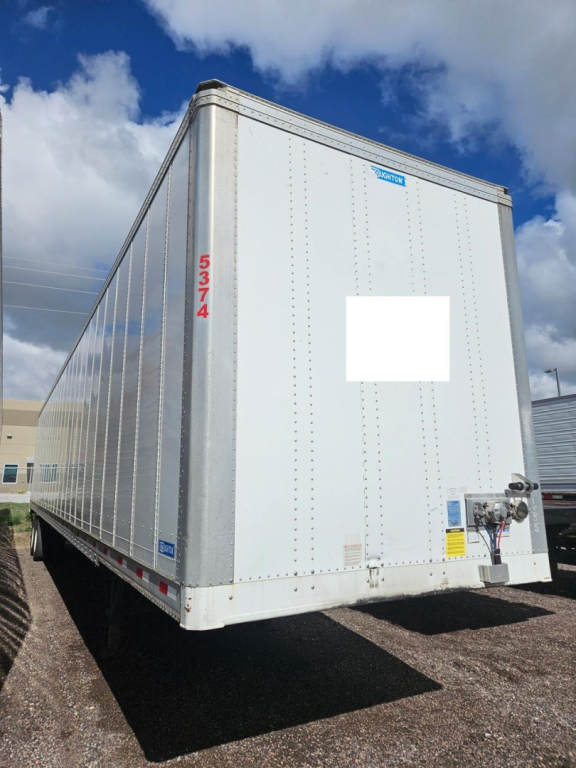
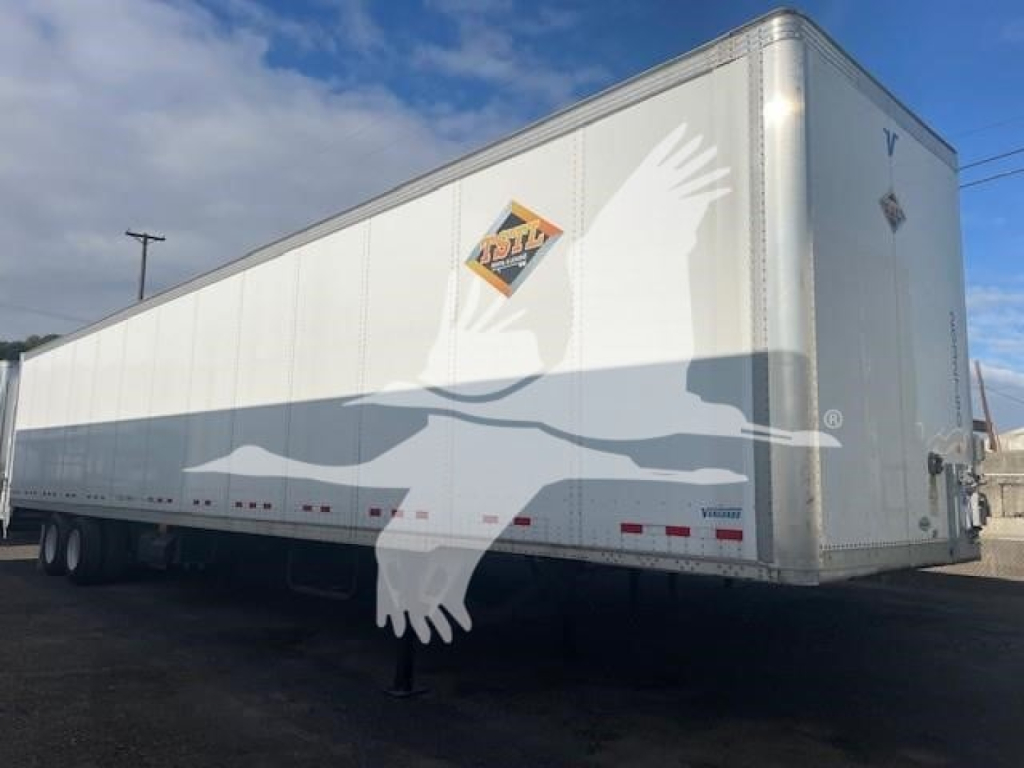
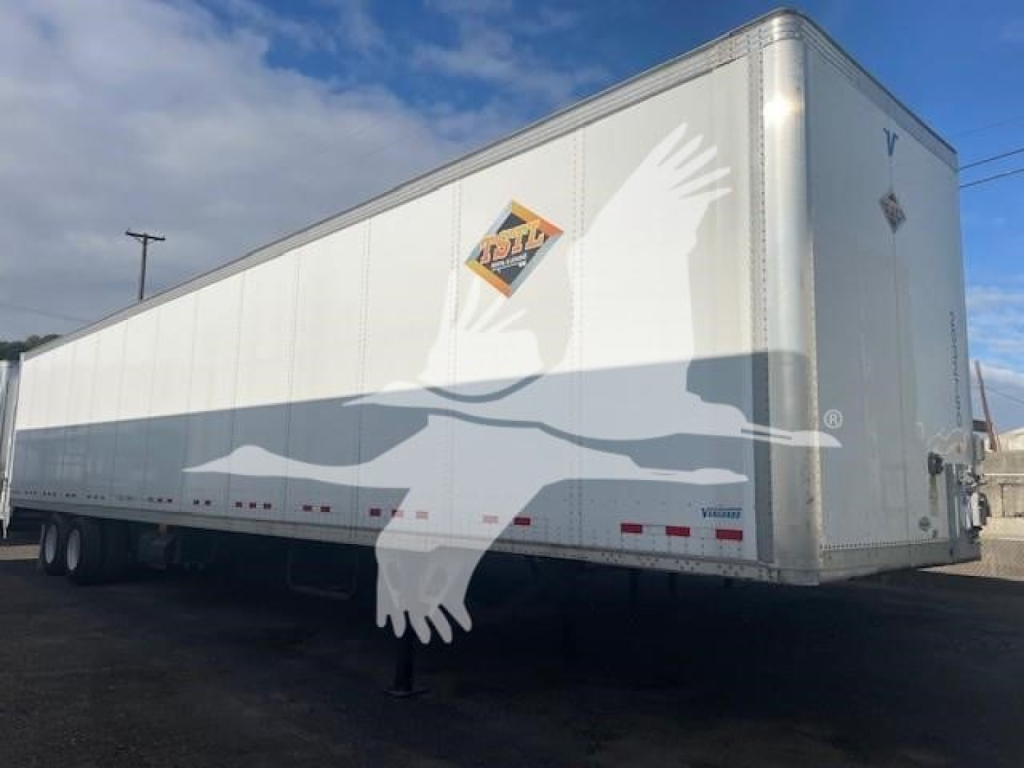
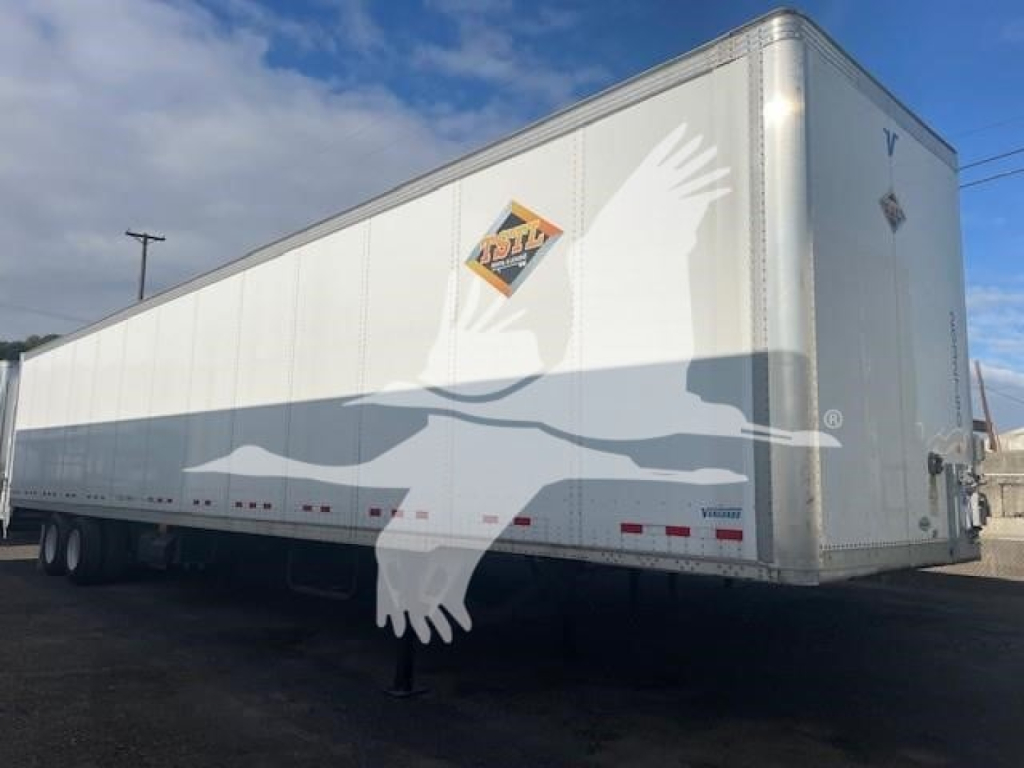
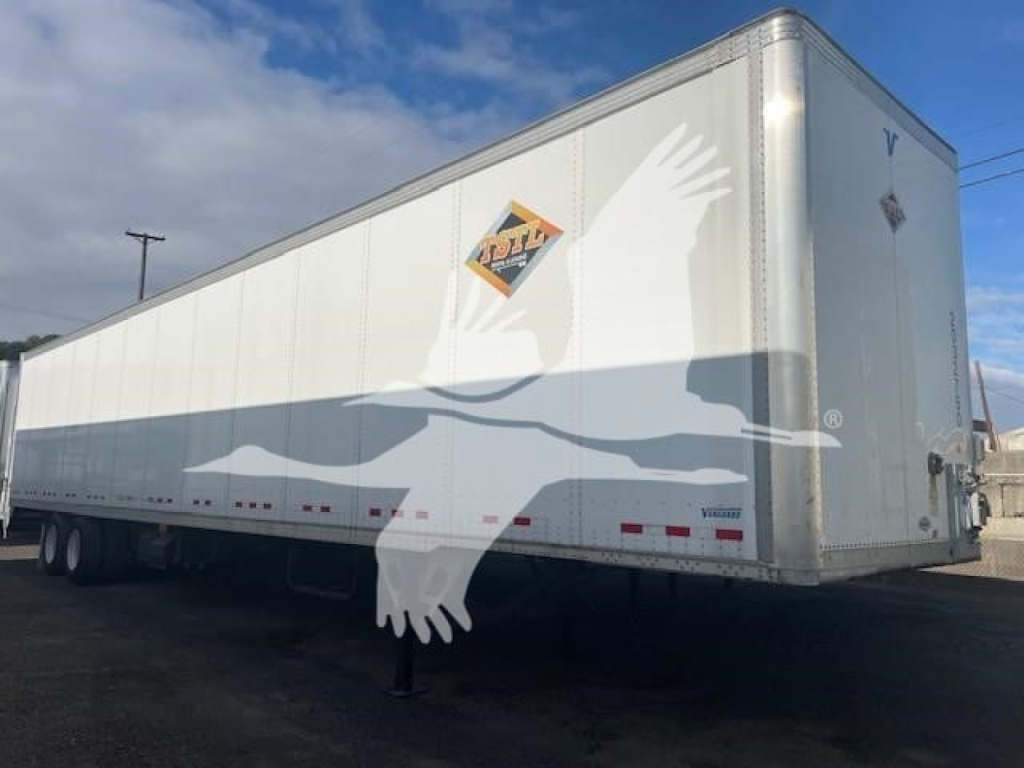
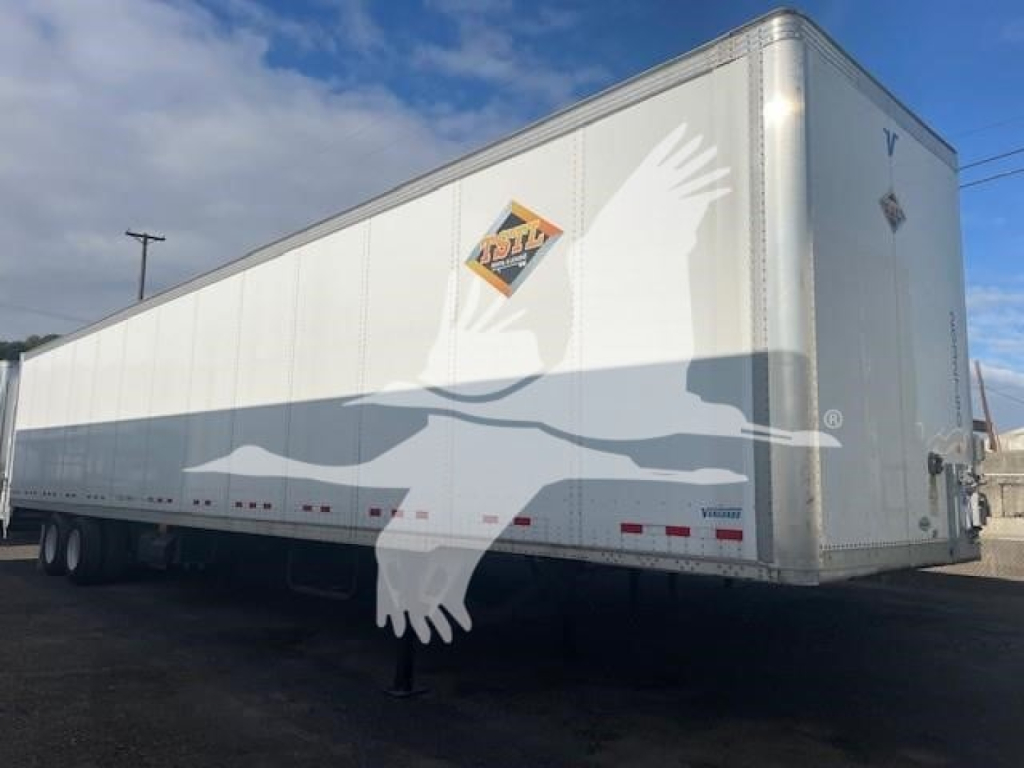
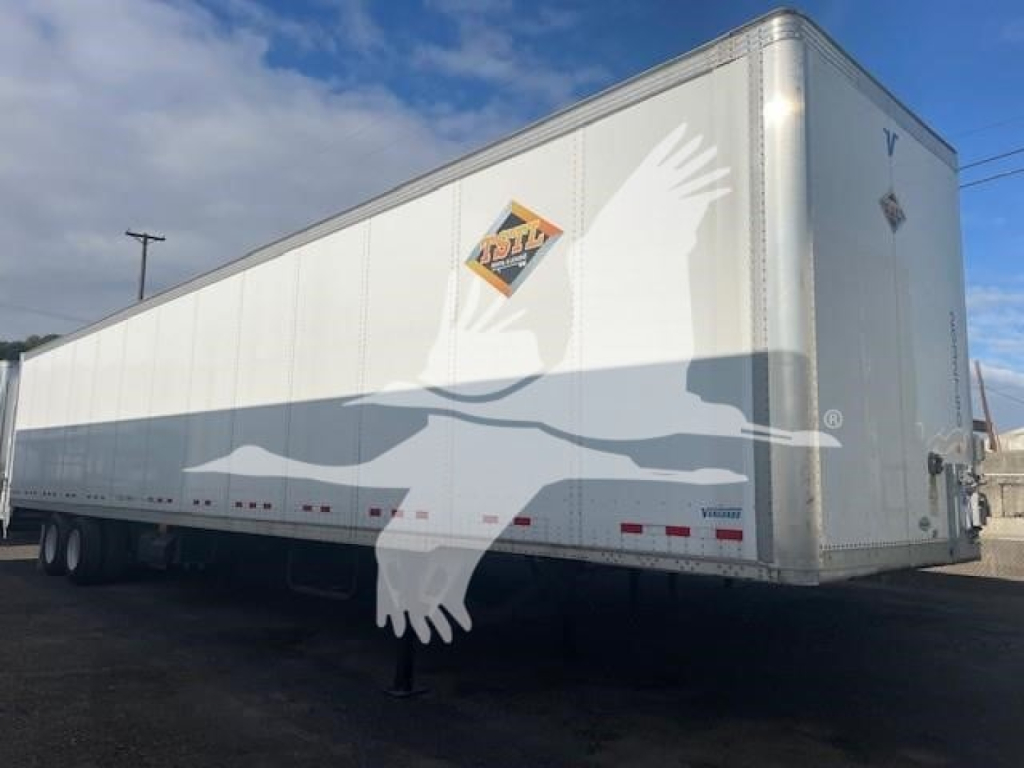
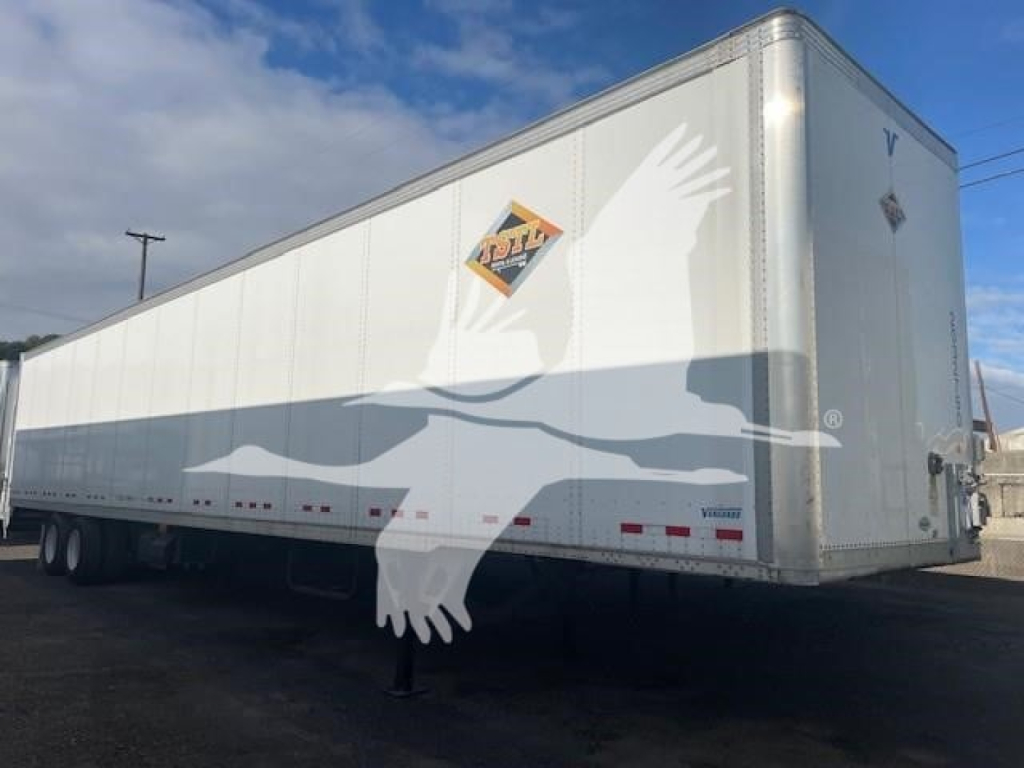
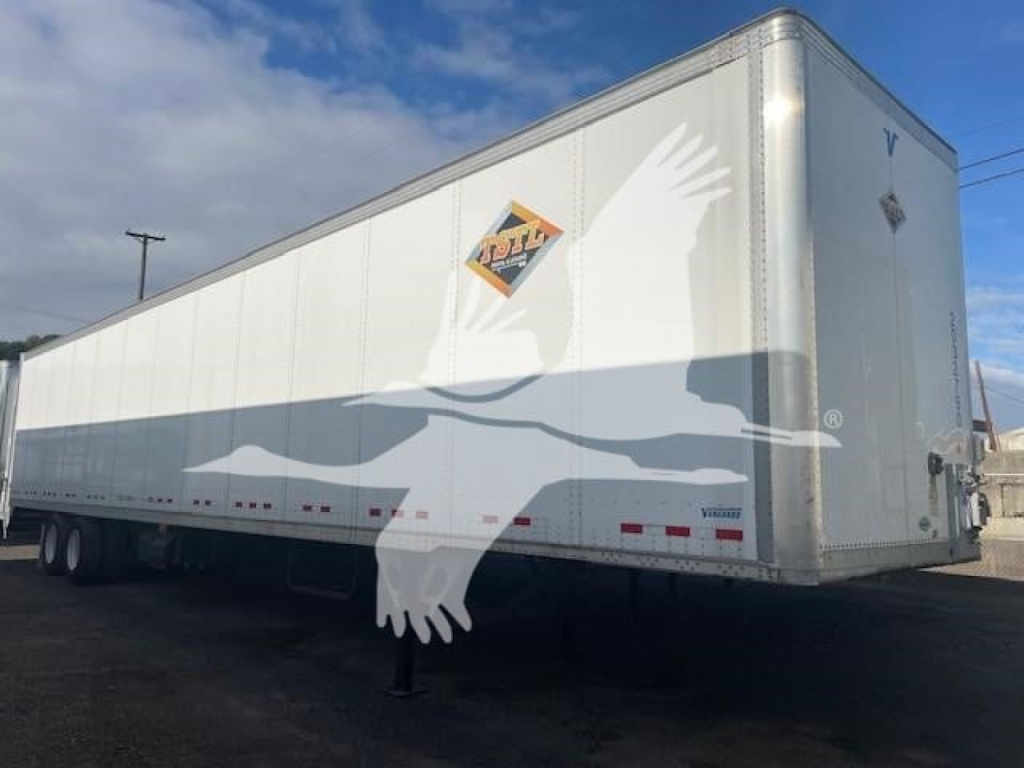
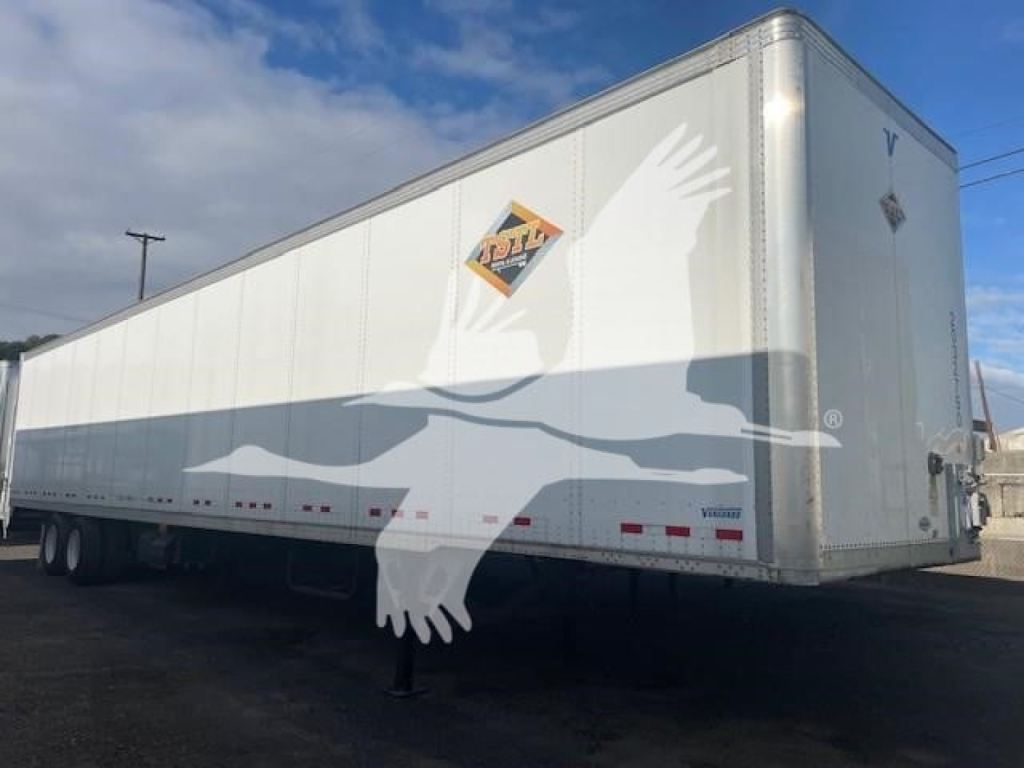
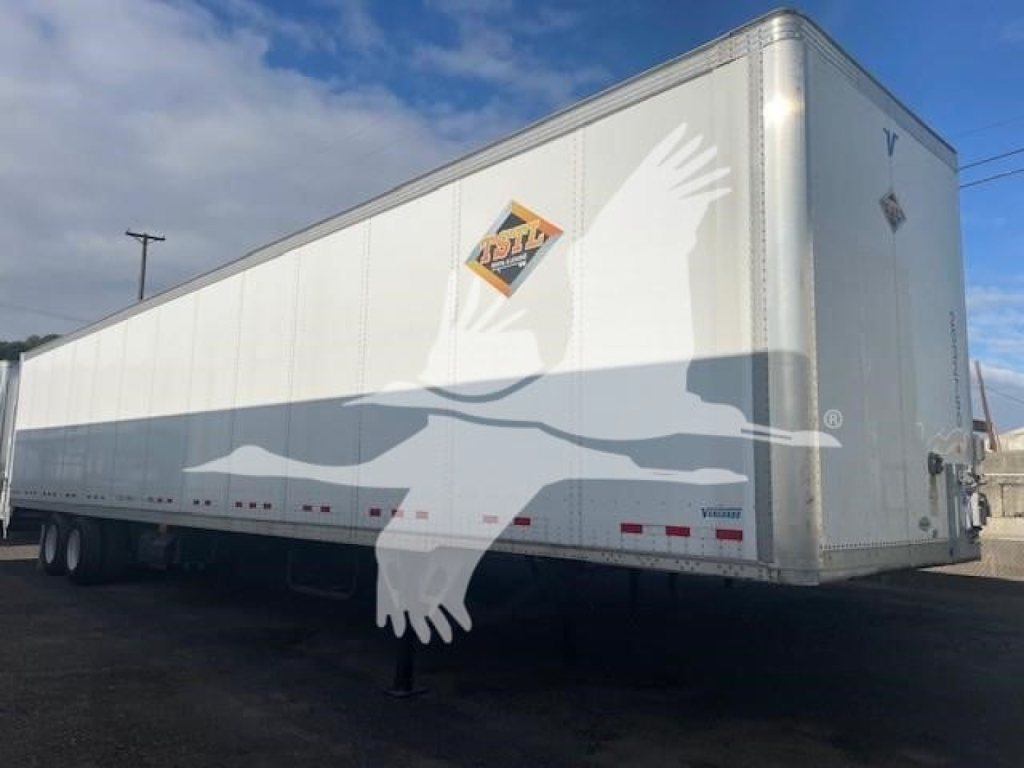
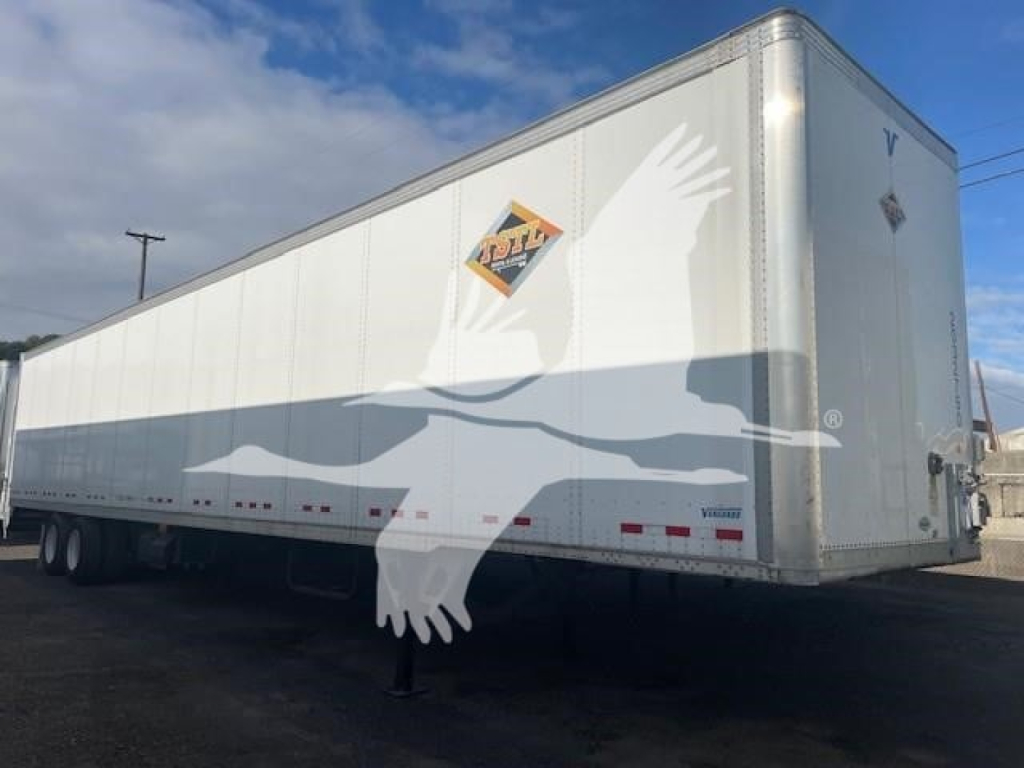
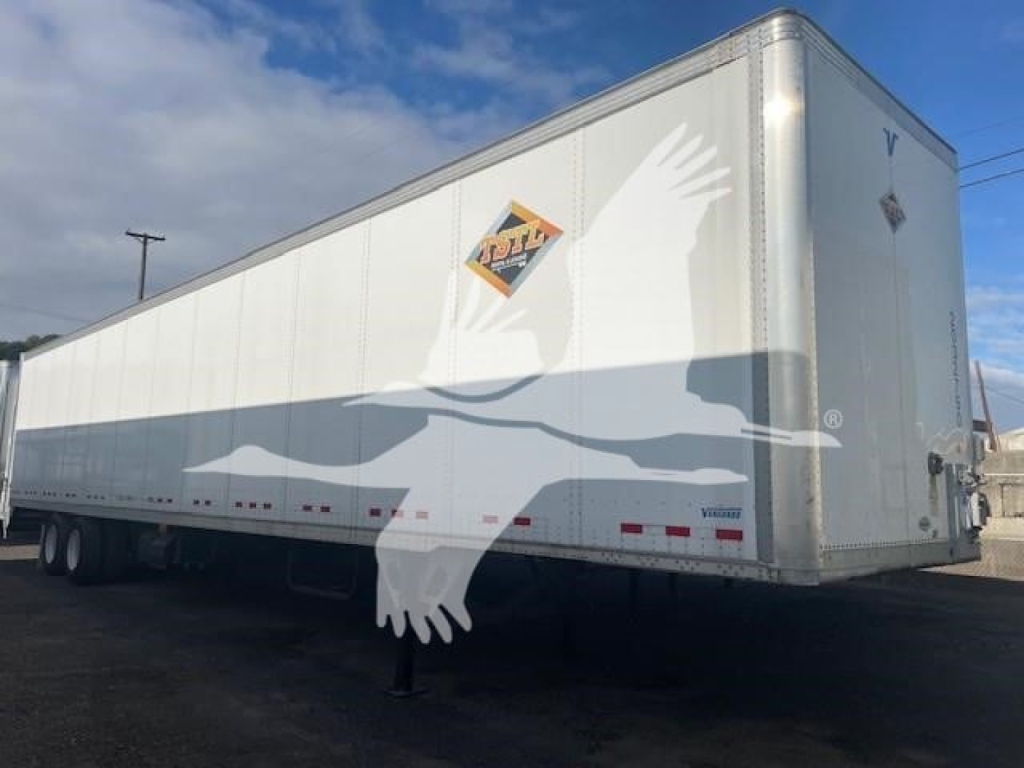
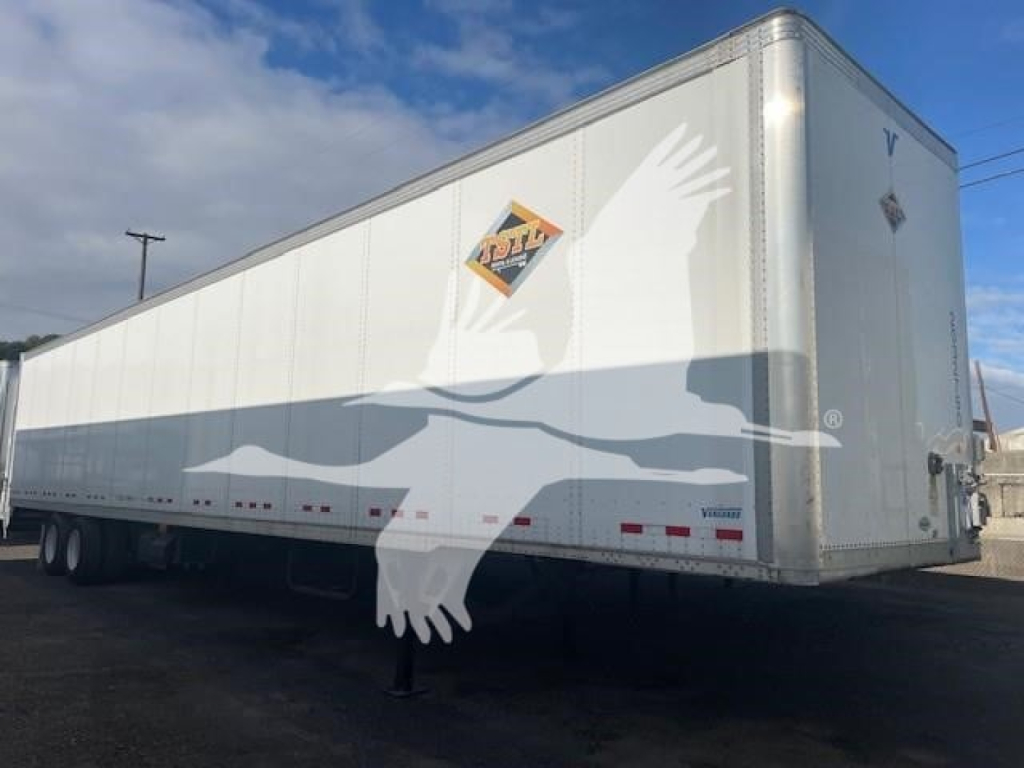
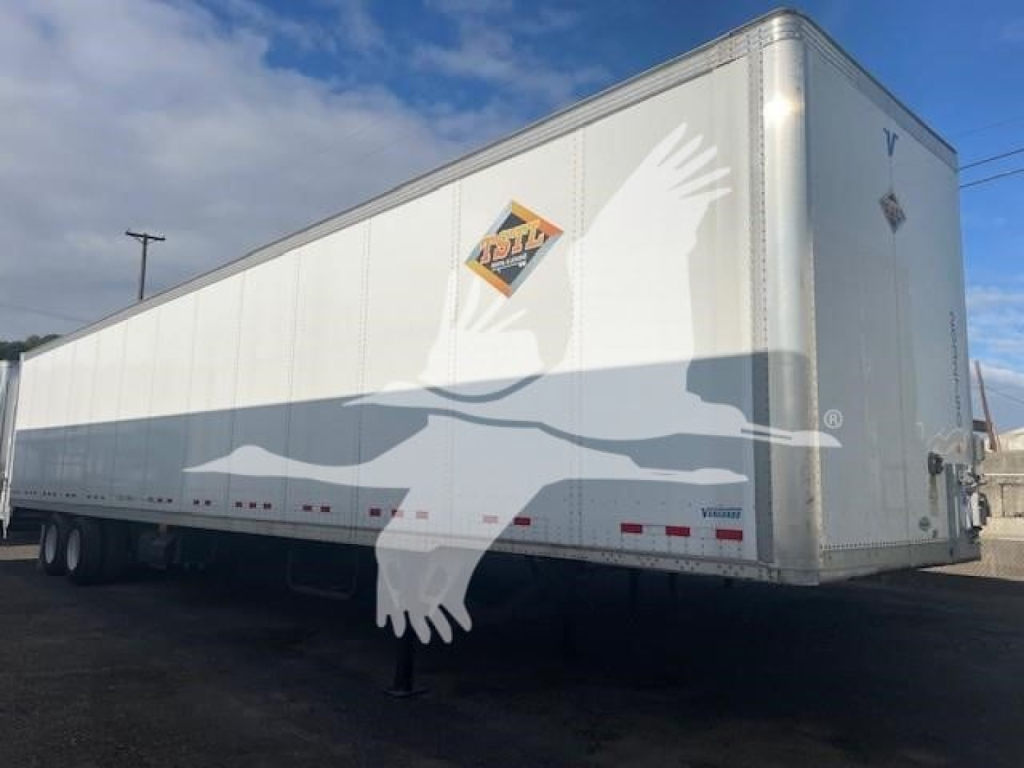
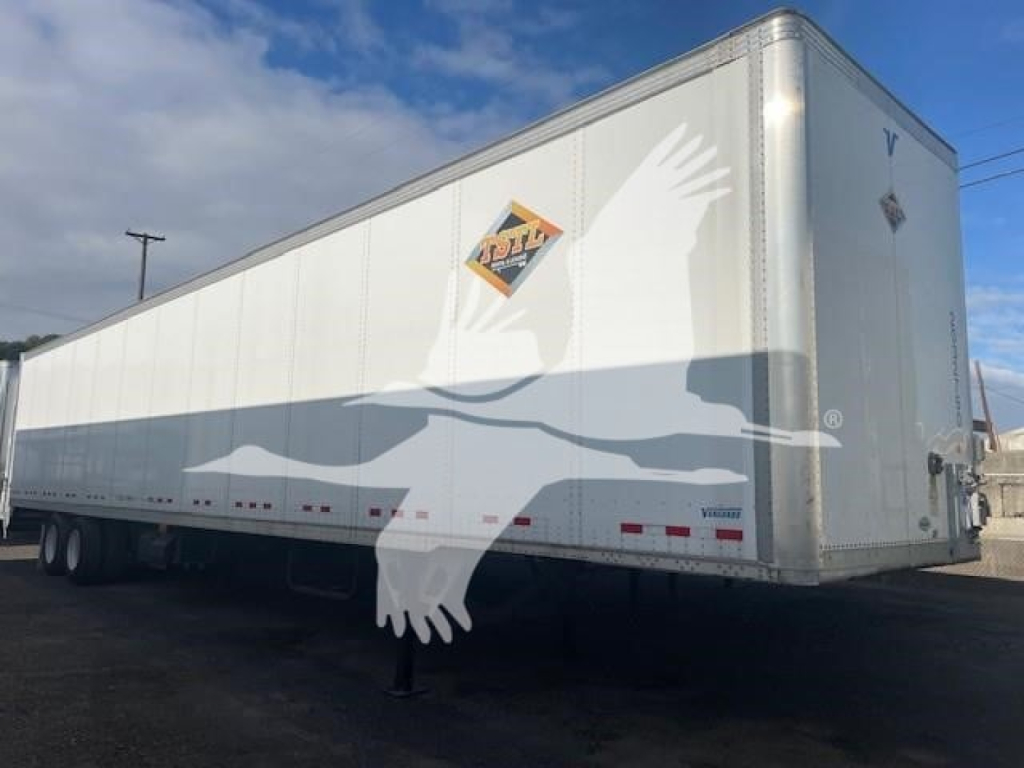
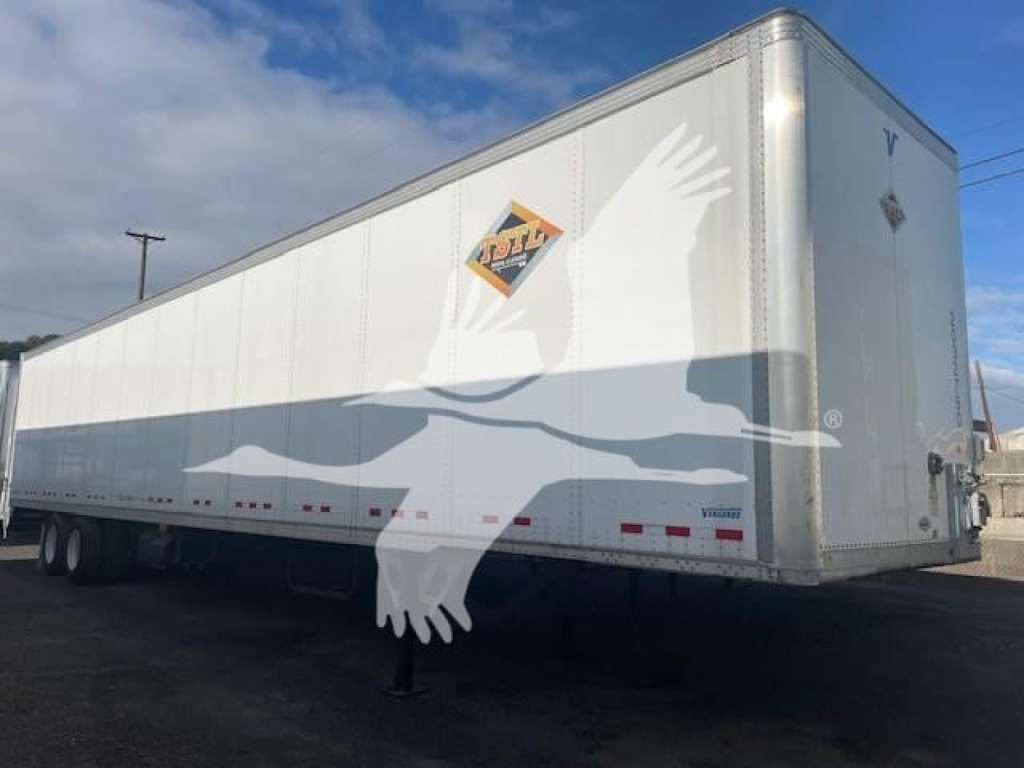
Showing 1 to 24 of 27 results
Have used 2018 van trailer to sell? List it here to reach thousands of buyers.
Used 2018 Van Trailers
The most important buying decisions usually come down to body construction, door configuration, and floor condition. Plate vans and sheet-and-post designs each have advantages depending on the freight mix and dock environment. Buyers hauling high-cycle freight often pay close attention to logistics post spacing, scuff liners, nose lining, and roof type, since those details affect load securement, wall protection, and long-term maintenance. Swing doors are common in full-size over-the-road dry vans, while roll-up doors can be useful in route delivery or multi-stop applications, though they reduce some rear opening height.
A 2018 van trailer often has the spec level many fleets still want today: aluminum roof, hardwood laminated floor, galvanized rear frame components, two-speed landing gear, and air brake systems. Suspension setting, kingpin setting, and crossmember spacing matter if the trailer will cycle through multiple tractors, operate in dense warehouse networks, or carry concentrated loads. Tire condition, wheel type, brake wear, floor fastener integrity, threshold plate condition, and signs of sidewall or rear frame impact should all be checked carefully on a used dry van. If the trailer has side skirts, translucent roof panels, or rail-plate reinforcement, those features should be evaluated based on route profile, loading style, and fuel-efficiency goals.
For many buyers, the value in a used 2018 van trailer is that it sits in a practical middle ground. It is new enough to include fleet-friendly specifications and durable materials, but old enough to present a lower acquisition cost than newer dry vans. A well-maintained 2018 van can serve linehaul, dedicated contract freight, warehouse shuttles, and regional distribution with very few compromises, provided the structure, doors, floor, suspension, and running gear match the intended duty cycle.
Frequently Asked Questions about Used 2018 Van Trailers
What is the typical size and configuration of a used 2018 van trailer?
Most used 2018 van trailers on the market are 53-foot dry vans with a 102-inch exterior width and tandem axles. Many are built with air ride suspension, aluminum roofs, hardwood floors, and either swing or roll-up rear doors. Shorter van trailers also exist for regional work, city delivery, and doubles service, so length and axle setup should be matched to the freight lane and operating area.
What should I inspect first on a used 2018 dry van trailer?
Start with the floor, rear frame, doors, roof, and suspension. Floor rot, broken boards, loose fasteners, threshold damage, and forklift wear are expensive problems in a dry van. Buyers should also inspect scuff liners, sidewalls, crossmembers, landing gear, brake components, tire wear, and any signs of impact at the nose or rear corner posts. Structural condition matters more than cosmetic appearance.
Are swing doors or roll-up doors better on a van trailer?
Swing doors are generally preferred for full trailer cube and simpler maintenance in over-the-road service. They provide a full rear opening and are common on linehaul dry vans. Roll-up doors can be useful for multi-stop deliveries and urban operations because they are quicker at the dock and easier in tight spaces, but they add weight, require maintenance, and can reduce usable rear opening height.
Is a 2018 van trailer still a good choice for fleet or owner-operator use?
Yes, a 2018 van trailer can still be a very practical choice if it has been maintained properly. This model year is modern enough to offer desirable specifications such as air ride, logistics posts, durable flooring, and common replacement parts, yet it is often priced below newer equipment. The real value depends on structural integrity, maintenance history, and whether the trailer's specs fit the intended freight and routing.
What features matter most for dry freight applications?
For general dry freight, buyers usually prioritize floor strength, interior width and height, logistics post layout, scuff protection, door type, and suspension quality. Fleets handling heavy palletized freight often want strong crossmember spacing and solid floor condition, while high-volume distribution operations may focus more on dock durability, rear frame condition, and easy load securement. Tire inflation systems, side skirts, and galvanized components can also add value depending on route length and maintenance strategy.