
Used 2015 Van Trailers For Sale in Pennsylvania
Browse used 2015 van trailers for sale in Pennsylvania. Compare 53-foot dry van specs, suspension, floors, doors, and tandem setups.
Learn more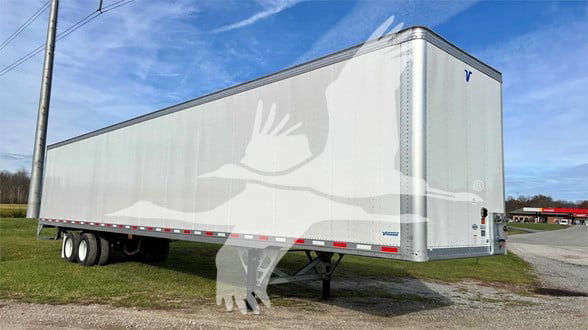
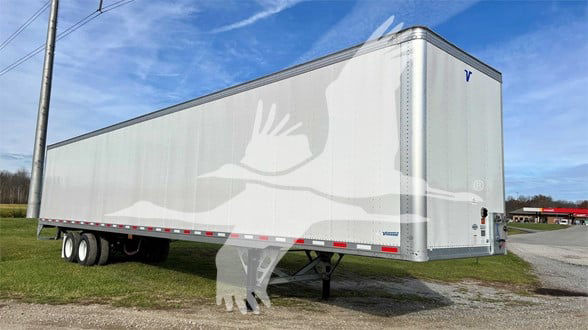
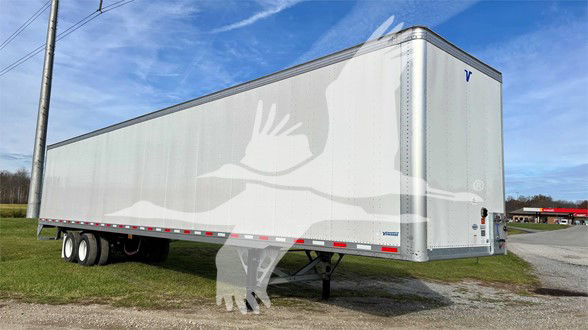
Showing 13 to 15 of 15 results
Have used 2015 van trailer to sell? List it here to reach thousands of buyers.
About Used 2015 Van Trailers in Pennsylvania
The main buying decisions on a used 2015 dry van trailer come down to body construction, running gear, and loading compatibility. Composite side panels and plate side construction both show up in the market, along with aluminum roofs, galvanized rear frames, and oak flooring in the 1 1/8-inch to 1 3/8-inch range. Many buyers want air ride with a sliding tandem for ride quality, bridge compliance, and easier axle positioning, but spring ride units can still make sense for lower-cost regional work. Pay attention to kingpin setting, tandem slide length, crossmember spacing, landing gear condition, and door opening height if the trailer will cycle through mixed shippers and older docks. Scuff liners, nose lining, threshold plates, and dock-lock reinforced bumpers matter because those are the areas that absorb repeated forklift and dock impact.
On a 2015 van trailer, condition is heavily tied to prior freight and lane history. A trailer that spent its life in high-cycle distribution can show more floor wear, wall damage, and door hardware fatigue than one used in lighter irregular route service. Buyers should look closely for patched roofs, signs of water intrusion, cracked upper coupler areas, loose logistics track or posts, worn slider components, brake and bushing wear, and uneven tire wear that points to alignment or suspension issues. Pennsylvania road conditions and winter corrosion exposure also make undercarriage inspection important, especially around crossmembers, brake hardware, slider rails, rear impact guard structure, and lighting connections.
For most fleets and owner-operators, a used 2015 van trailer is about balancing acquisition cost against remaining service life. A well-kept 53-foot dry van can still work efficiently in dedicated freight, warehouse transfers, and power-only applications if the floor, doors, roof, and tandem system are sound. If cube and payload flexibility matter, check interior height, inside width between scuffs, and empty weight. If trailer pool uptime matters, put extra emphasis on standard tire size, common suspension parts, door hardware availability, and repair-friendly construction. The best choice is usually the one with the cleanest structure and maintenance history, not just the lowest upfront price.
Frequently Asked Questions
What are the most common specs on a used 2015 van trailer?
Most used 2015 van trailers on the market are 53-foot dry vans with a 102-inch outside width, tandem axles, swing doors, and either air ride or spring ride suspension. Many have sliding tandems, hardwood floors, aluminum roofs, and logistics posts or logistics track for load securement. Exact specs still vary by make and original application, so buyers should confirm door opening height, kingpin setting, floor thickness, crossmember spacing, and suspension type before purchase.
What should I inspect first on a 2015 dry van trailer?
Start with the floor, roof, rear frame, and suspension. Floor repairs, soft spots, cracked boards, and heavy forklift damage can turn a low-priced trailer into an expensive one quickly. Check for roof patches or leaks, inspect the rear sill and door frame for impact damage, and look underneath for corrosion, bent crossmembers, slider wear, brake condition, and axle alignment issues. These areas usually tell you more about remaining service life than paint or panel appearance.
Is air ride better than spring ride on a used van trailer?
Air ride is often preferred for freight protection, ride quality, and broader shipper acceptance, especially in higher-value or palletized freight. It can also help reduce cargo shift and trailer shock on rough roads. Spring ride is simpler and can cost less to buy and maintain, which may suit basic regional work. The right choice depends on the freight, customer requirements, and how much importance you place on ride quality versus lower acquisition cost.
Why does tandem slider condition matter on a van trailer?
Slider condition affects weight distribution, bridge law compliance, and day-to-day usability. A worn or neglected sliding tandem can be difficult to reposition and may show problems with pins, rails, bushings, suspension components, or frame wear. On a used 2015 trailer, smooth slider operation is important because it directly affects how easily the trailer can adapt to different loads, receiver requirements, and axle settings.
How long can a used 2015 van trailer still stay productive?
A used 2015 van trailer can remain productive for years if the structure is sound and maintenance has been consistent. Dry vans often stay in service a long time because they have relatively straightforward construction and strong demand in general freight. Remaining life depends less on model year alone and more on floor condition, roof integrity, corrosion level, running gear health, and the quality of prior repairs. A thorough inspection is the best way to judge value and expected uptime.