
Used 2013 Van Trailers For Sale in Nebraska
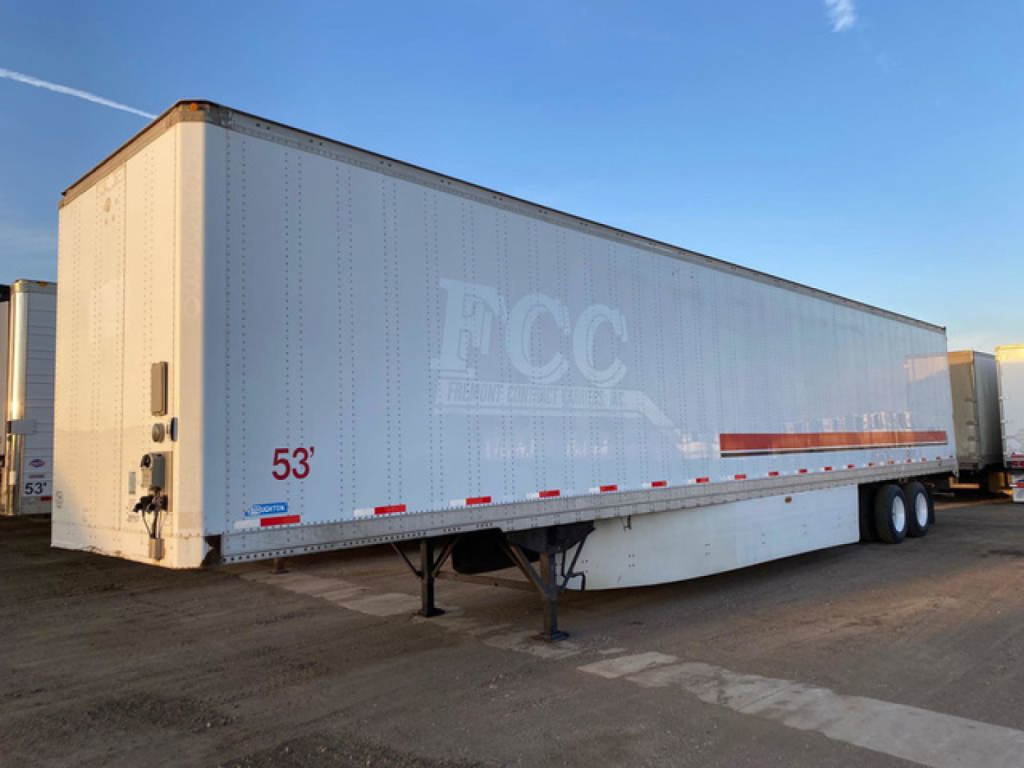
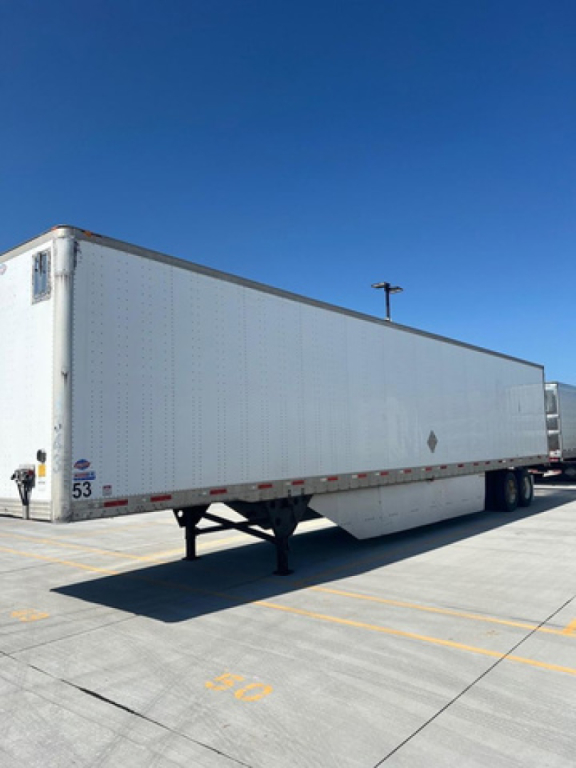

Have used 2013 van trailer to sell? List it here to reach thousands of buyers.
Used 2013 Van Trailers in Nebraska
A 2013 model year van trailer can still be a practical fleet addition if the structure is sound and the wear points have been evaluated carefully. Key inspection areas include roof condition, front wall integrity, rear frame and door seals, crossmembers, landing gear, upper coupler plate, and floor condition around the threshold and forklift travel paths. Lining matters too. Plywood, metal, and plastic liners each serve a different purpose. Plywood is common for general freight and helps reduce sidewall damage. Metal liners can hold up well in high-contact loading environments. Plastic composite liners are often chosen where washability and lower maintenance are priorities. Buyers should also check for scuff liner condition, logistics post spacing, and signs of prior sidewall or corner repair.
Suspension and running gear have a direct effect on operating cost. Air ride suspension is common on fleet dry vans because it improves ride quality and cargo protection, while tandem axle configuration remains the standard for legal payload and broad load compatibility. Tire condition should be reviewed by position and tread depth, not just overall appearance, and it is worth confirming wheel-end condition, brake life, ABS status, and whether the trailer has a tire inflation system. On 2013 dry vans, common spec differences may include swing doors versus roll-up doors, aluminum versus steel roof construction, hardwood versus laminated floors, and different kingpin settings that affect bridge compliance and tractor pairing.
For Nebraska buyers, weather exposure and lane profile should shape the final decision. A van trailer running interstate freight across the Plains needs strong door seals, a dry roof, dependable brakes, and a floor that can handle repeated forklift cycles in all seasons. If the trailer will stay in regional shuttle service, dock alignment, rear impact guard condition, and ease of maintenance may matter more than cosmetic appearance. The best used 2013 van trailers are the ones with a clean structural history, consistent maintenance, and a spec that matches the freight instead of forcing the freight to match the trailer.
Frequently Asked Questions about Used 2013 Van Trailers in Nebraska
What should I inspect first on a used 2013 van trailer?
Start with the structural items that are expensive to repair or hard to see after purchase. Check the roof for leaks or patchwork, inspect the front wall and rear frame for impact damage, look underneath at crossmembers and floor support, and examine the upper coupler plate for wear or cracking. Then review the floor condition, door operation, brake components, suspension, wheel ends, and tire tread by position. Cosmetic wear is common on a 2013 trailer, but structural damage and water intrusion are the issues that most affect long-term value.
Are 53-foot dry van trailers the most common spec in this category?
Yes. In the used van trailer market, 53-foot dry vans are the standard spec for general freight because they maximize cubic capacity and fit most dock, route, and fleet requirements. Shorter lengths do exist, especially in older equipment, but most buyers comparing 2013 van trailers are looking at 53-foot units with tandem axles, swing doors, and air ride suspension. That combination gives the broadest freight compatibility and the strongest resale appeal.
Which liner type is best in a used van trailer: plywood, metal, or plastic?
The best liner depends on the cargo and loading environment. Plywood liners are common and practical for mixed freight because they help absorb impact and are straightforward to repair. Metal liners can perform well in high-abuse applications where forklifts and pallets regularly contact the walls. Plastic or composite liners are often preferred when washability, corrosion resistance, or a cleaner interior matters. On a used trailer, liner condition is usually more important than liner material alone.
How important is air ride suspension on a used van trailer?
Air ride suspension is a major advantage for many dry van operations because it reduces cargo shock, improves ride quality, and is widely accepted in fleet freight service. It is especially useful for palletized consumer goods, paper, packaged products, and other loads that benefit from a smoother ride. A mechanical suspension can still work for some applications, but air ride is generally more desirable in the resale market and often better aligned with shipper expectations.
What makes a used 2013 van trailer a good fit for Nebraska operations?
For Nebraska service, focus on weather-tight construction, solid brakes, healthy tires, and a floor strong enough for repeated forklift loading. Wind exposure, temperature swings, and long interstate runs make roof condition, door seals, and suspension performance more important than appearance. Buyers should also consider tire inflation systems, axle alignment, and kingpin setting if the trailer will run longer bridge-sensitive lanes. A dry van that is structurally sound and correctly spec'd for the route will usually outperform a newer trailer with the wrong configuration.