
Used 2003 Van Trailers For Sale
Browse used 2003 van trailers for sale, including dry van specs, common dimensions, door types, suspension options, and buying considerations.
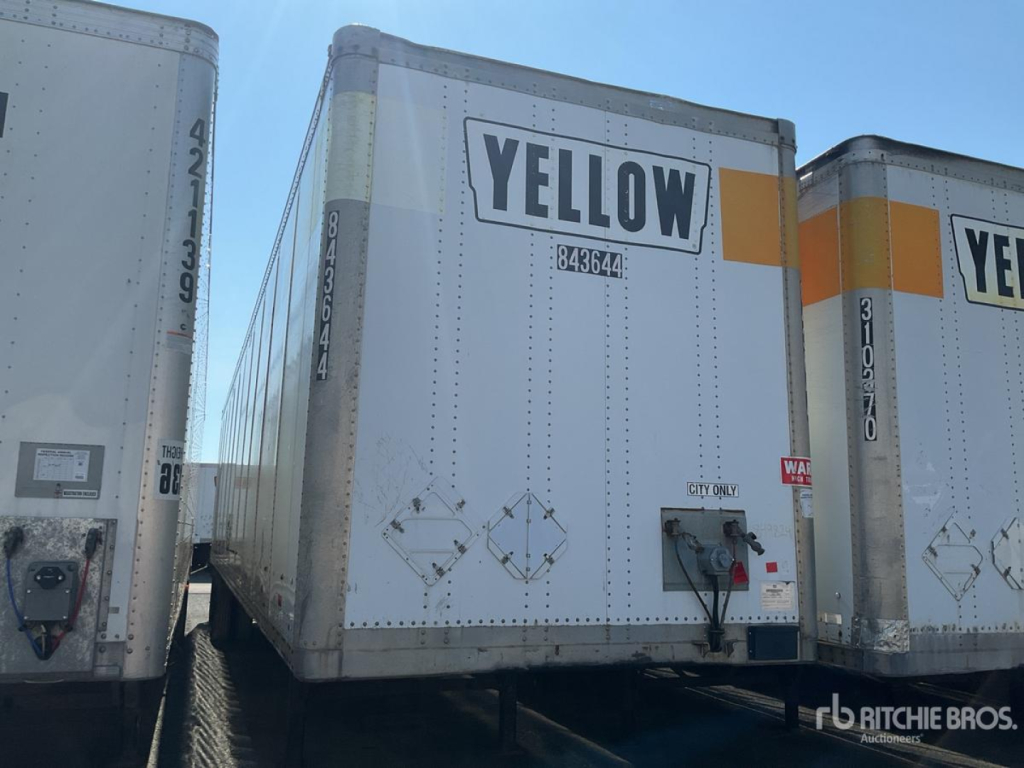
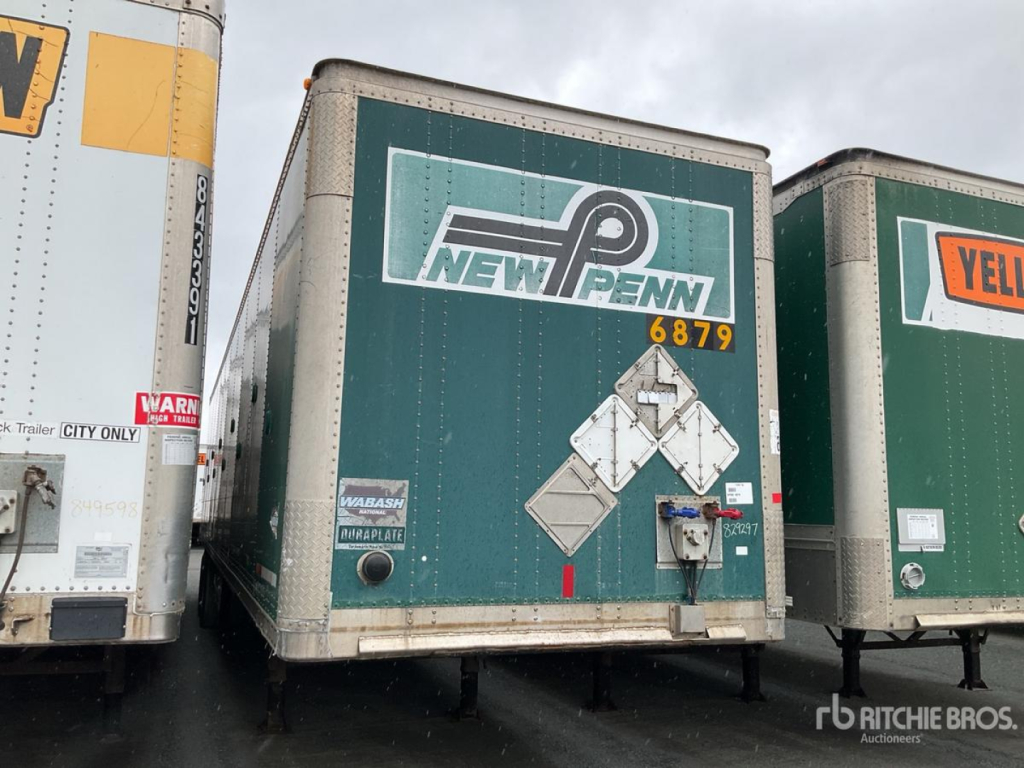
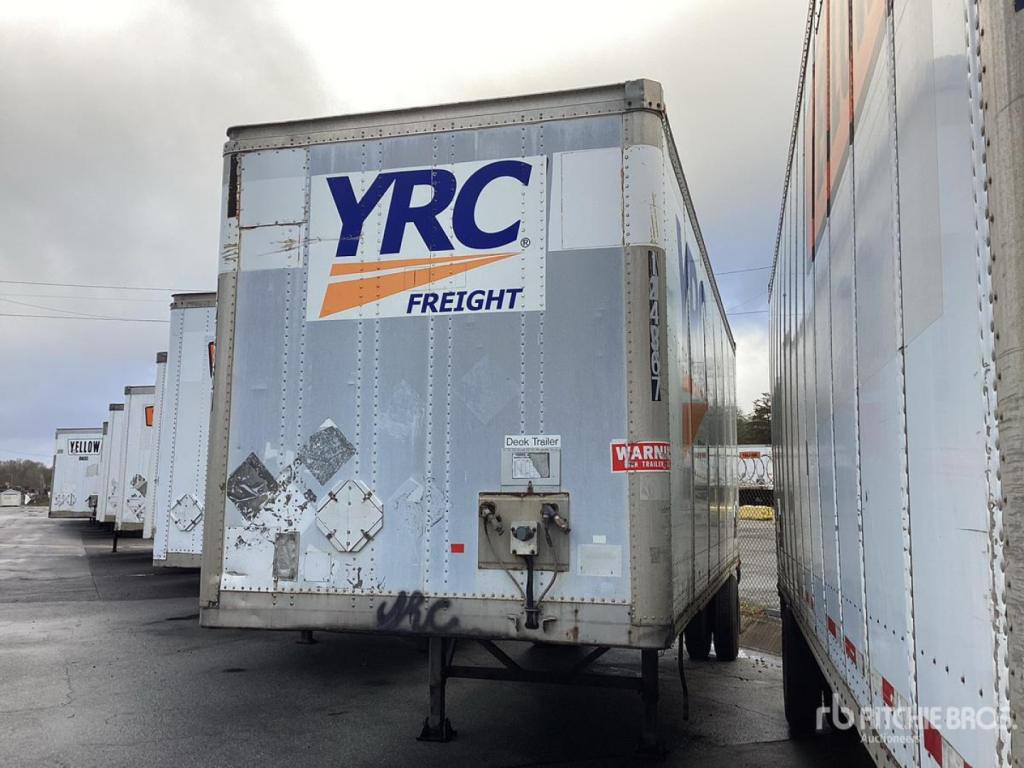
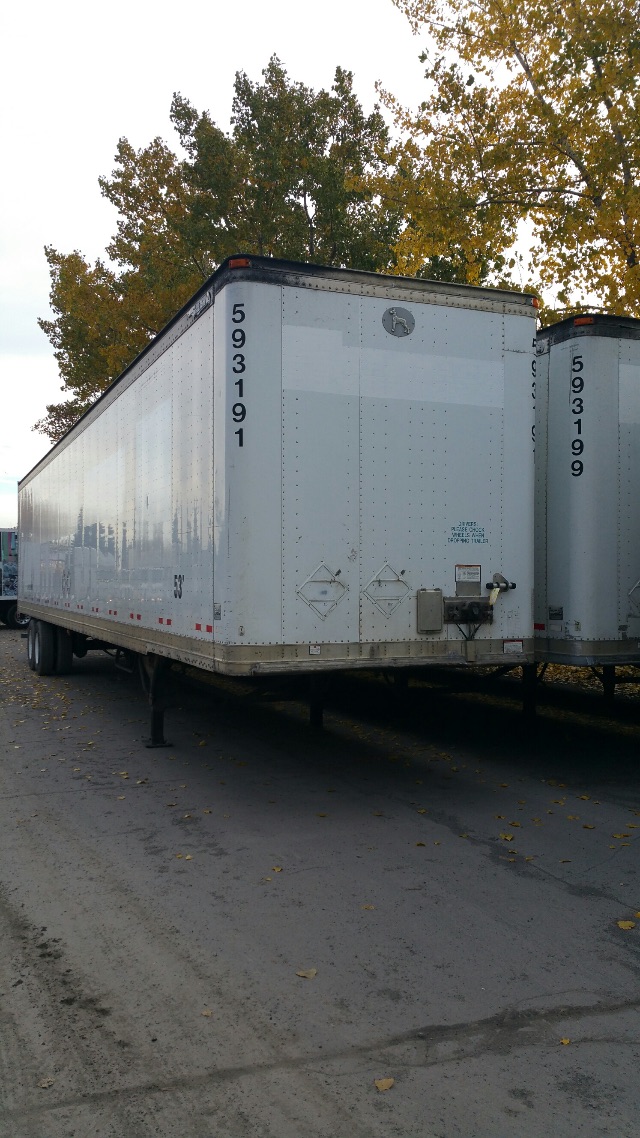
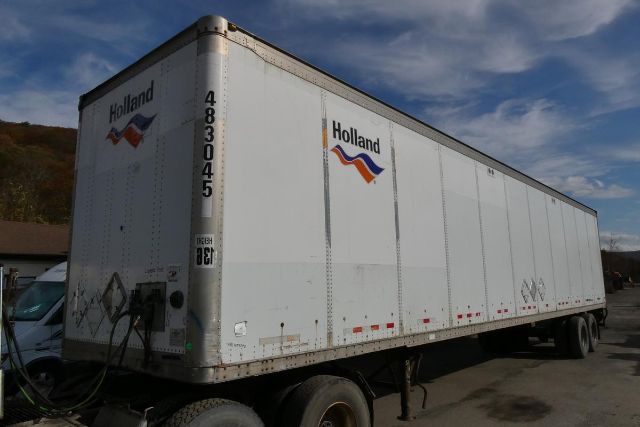
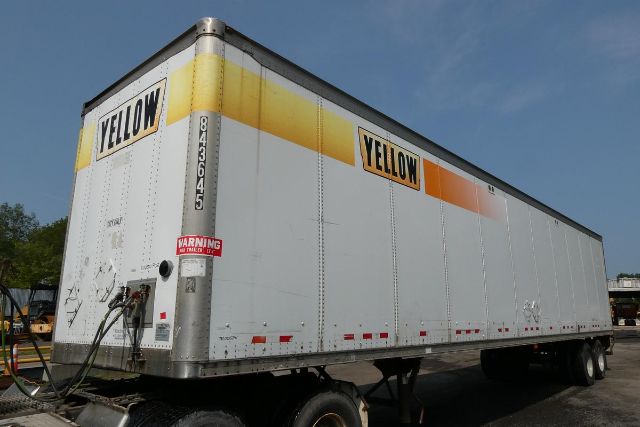
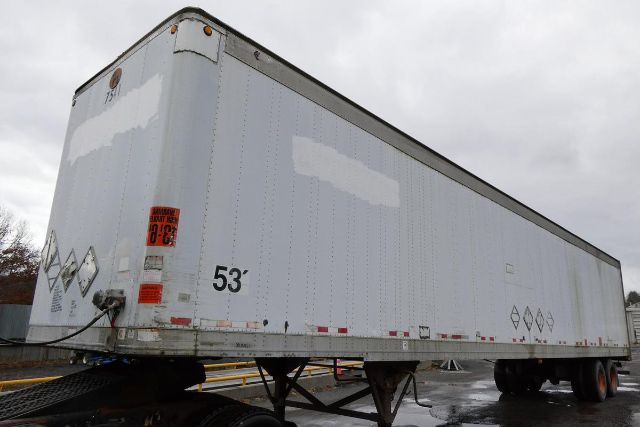
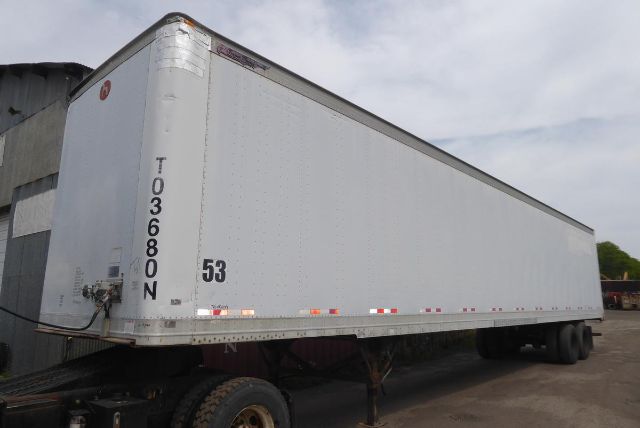
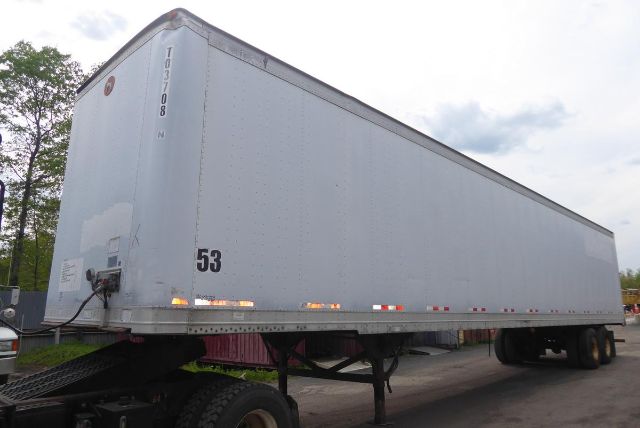
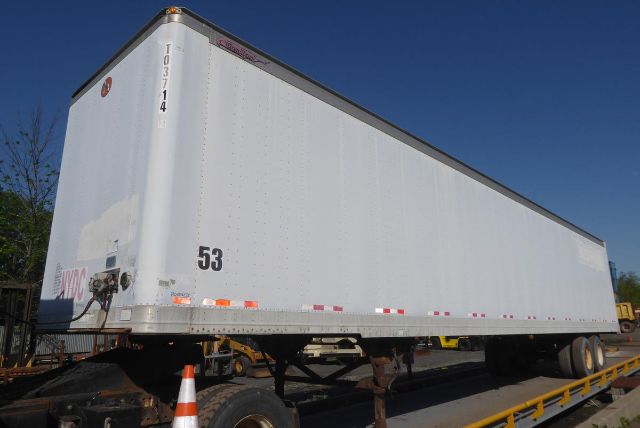
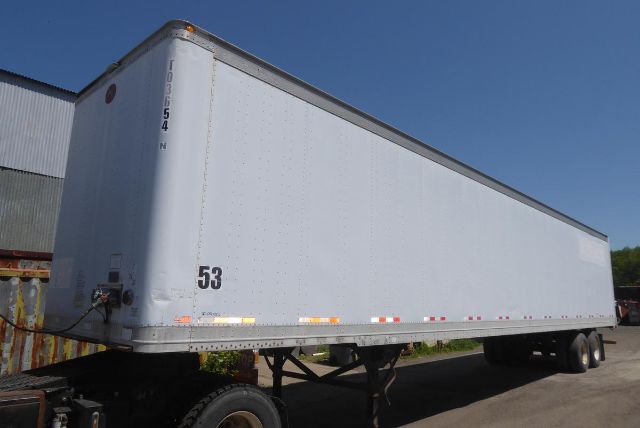
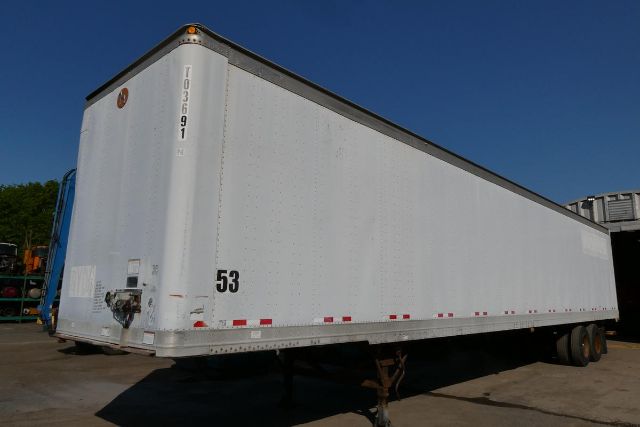
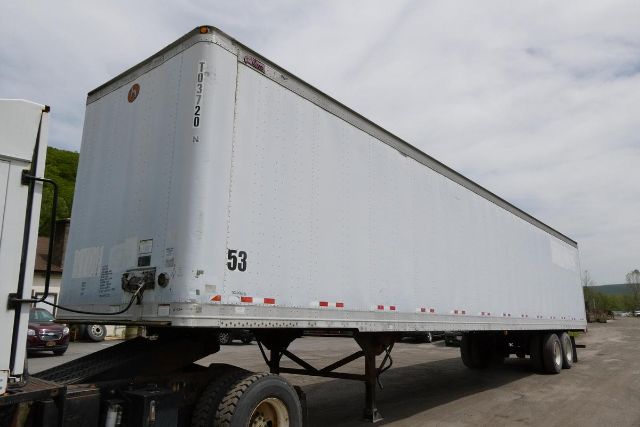
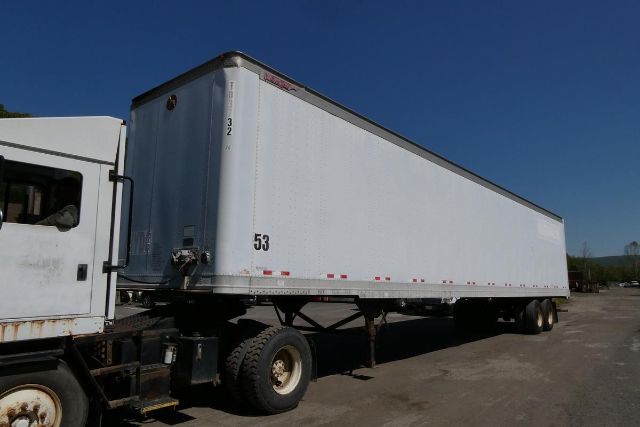
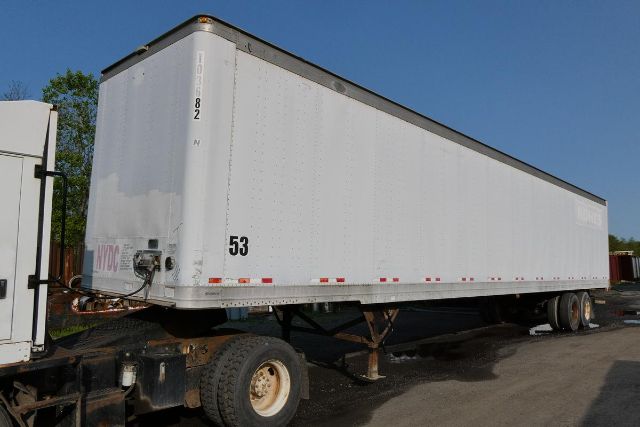
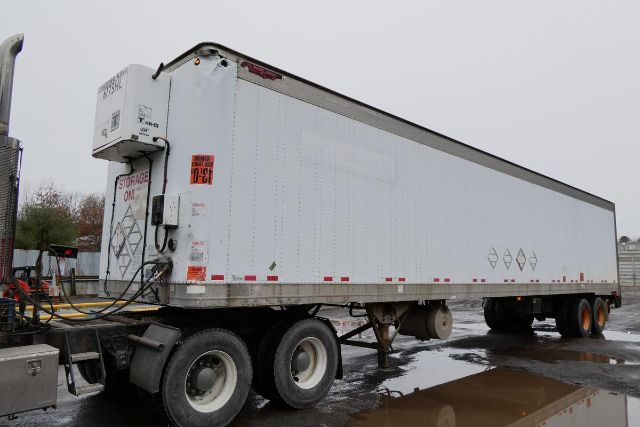
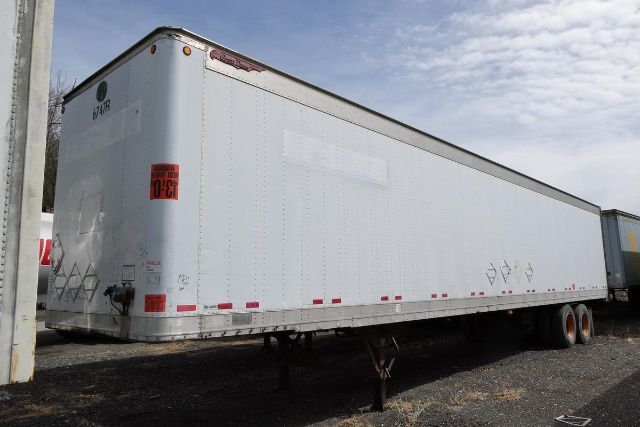

Showing 1 to 24 of 26 results
Have used 2003 van trailer to sell? List it here to reach thousands of buyers.
Used 2003 Van Trailers
On a 2003 model, structure and maintenance history matter more than brand decals. Buyers should pay close attention to crossmembers, side posts, roof bows, front wall condition, floor wear, and any evidence of prior impact or water intrusion. Dry vans from this era may have aluminum roof skins, aluminum and steel mixed construction, hardwood floors, and sheet-and-post or plate-style sidewall designs. Scuff liners, logistic posts, translucent roofs, and patched nose sections can tell you a lot about the trailer's prior application and how hard it was worked.
Door style should match the freight and loading pattern. Swing doors are common for full dock access and simpler long-term serviceability, while roll-up doors can be useful in route delivery or locations where rear door clearance is tight. Suspension choice also affects operating cost and cargo protection. Air ride is generally preferred for more delicate freight and smoother road manners, while spring ride can still make sense for straightforward dry freight where lower acquisition cost is the priority. Tire condition, brake wear, hub style, and slider operation are all practical checkpoints because older trailers can hide reconditioning costs in running gear.
A 2003 van trailer can still be a workable option for regional haul, storage use, dedicated lanes, or lower-mileage applications if the body is straight and the understructure is sound. Buyers comparing listings should look beyond year and length to confirm door opening dimensions, floor rating, GVWR, lining condition, DOT compliance items, and signs of corrosion around the rear frame, ICC bumper, and upper coupler area. If the trailer will spend time in heavy freight networks, warehouse pools, or drop-and-hook service, the condition of the floor, tandem slide rails, landing gear, and rear frame deserves extra scrutiny.
Frequently Asked Questions about Used 2003 Van Trailers
What are the most common specs on a used 2003 van trailer?
Most used 2003 van trailers are dry vans in 48-foot or 53-foot lengths and 102-inch width. Many have tandem slider axles, air brakes, wood floors over steel crossmembers, and either swing doors or roll-up doors. Suspension is commonly air ride or spring ride, and construction may be aluminum, steel, or a combination of both depending on the manufacturer and intended duty cycle.
Is a 2003 dry van trailer still a practical buy for freight use?
It can be, provided the trailer has a solid structure and has not been neglected. Age alone does not make a van trailer unusable, but buyers should expect condition to vary widely. A straight body, dry roof, serviceable floor, healthy rear frame, and working slider are more important than cosmetic appearance. For regional freight, storage, yard spotting, or dedicated low-mile lanes, an older van can still offer useful service life.
What should I inspect first on a used 2003 van trailer?
Start with the floor, roof, rear frame, suspension, brakes, tires, and tandem slide system. Then inspect crossmembers, sidewall integrity, landing gear, and the upper coupler area for cracks, rust, or poor repairs. Water leaks, soft floor sections, patched rails, and hard slider movement are common warning signs on older dry vans. Door seals and door frame alignment also matter because they affect freight protection and dock usability.
Are swing doors or roll-up doors better on a van trailer?
Swing doors usually provide full rear opening width and are easier to maintain over the long term, which makes them common in standard dock freight. Roll-up doors are useful where rear clearance is limited or where frequent stop-and-unload work is expected. The tradeoff is that roll-up assemblies can reduce clear opening height and add maintenance points. The better choice depends on the loading environment and the type of freight being handled.
What applications fit a used 2003 van trailer best?
These trailers are commonly used for dry freight, palletized consumer goods, warehouse transfers, storage, and dedicated regional lanes. They are often a sensible fit where acquisition cost matters more than appearance or where the trailer will not be pushed through high-cycle national fleet service. Buyers using them for drop-and-hook operations or heavier freight should verify floor condition, GVWR, axle placement, and overall structural soundness before committing.