
Used Stoughton Van Trailers For Sale in North Carolina
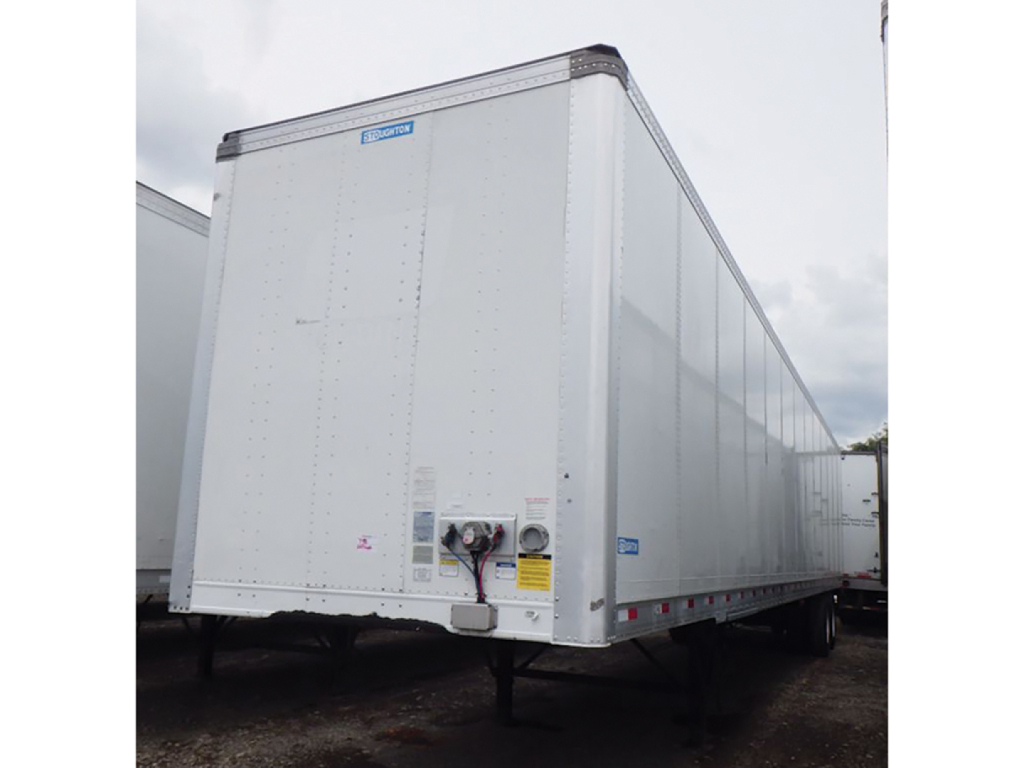
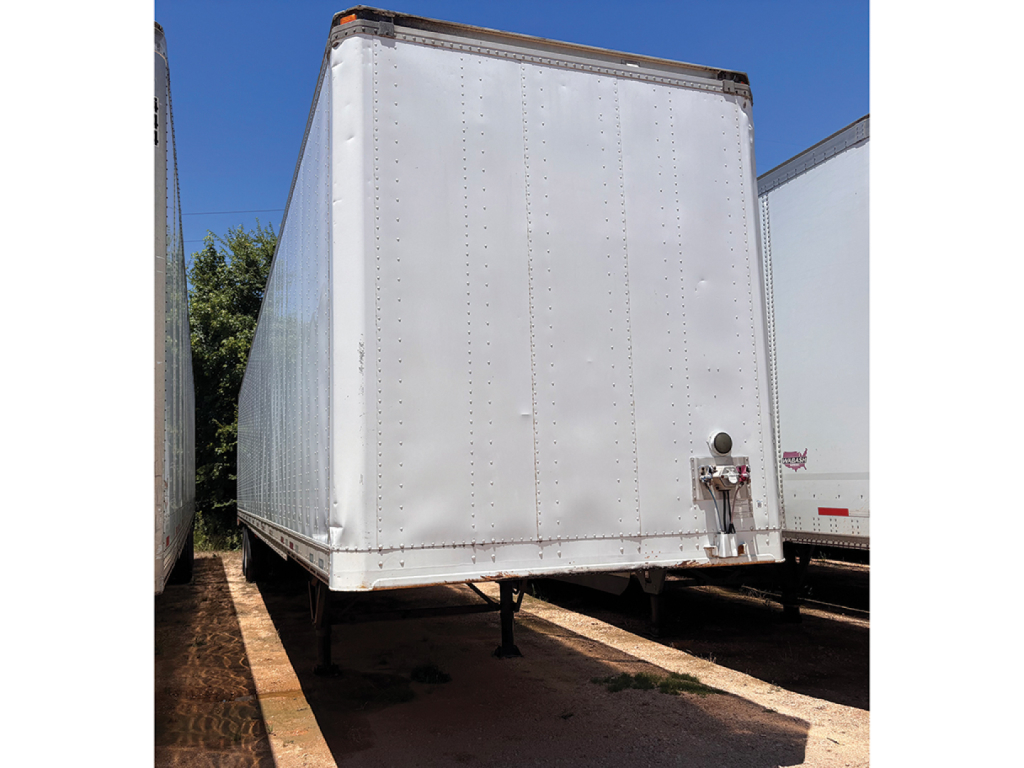
Used Stoughton van trailers for sale in North Carolina, including 53-foot dry vans with air ride, sliding tandems, logistics posts, and wood floors.
Learn more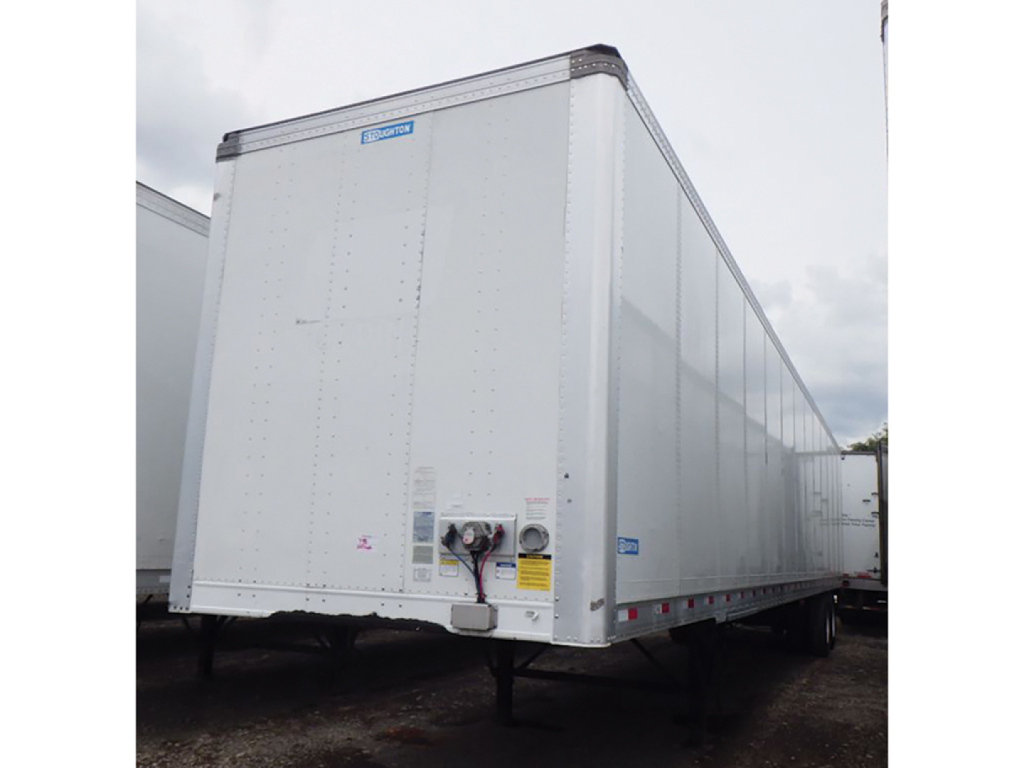

Have used stoughton van trailer to sell? List it here to reach thousands of buyers.
About Used Stoughton Van Trailers in North Carolina
The biggest buying decisions usually come down to body construction, door style, and trailer setup. Plate vans and Z-Plate vans are popular because they offer solid sidewall durability for fleet service and frequent dock loading. Many used Stoughton vans are equipped with wood floors, scuff plates, threshold plates, and logistics posts or logistics-track style securement layouts, which matter if freight changes day to day. Swing doors are still preferred for many dock operations because of simplicity and full rear opening, while roll-up doors can help in tight urban delivery environments but add weight and reduce interior rear clearance. Plywood lining, Kemlite scuff liners, and translucent roofs are also common features that affect trailer longevity, visibility inside the box, and sidewall protection.
Running gear matters as much as the box. Air ride suspension is a strong match for damage-sensitive freight and tends to be the preferred spec on modern dry vans. Sliding tandem suspensions remain important for bridge law compliance, dock positioning, and lane flexibility, especially in multi-state operations. Buyers should also pay attention to kingpin setting, with 36-inch settings being common on fleet-spec dry vans, along with tire size, wheel type, brake configuration, and overall undercarriage condition. On a used van trailer, floor wear, crossmember condition, rear frame integrity, door seal condition, roof repairs, and signs of sidewall patching usually tell more about remaining service life than model year alone.
For many fleets and owner-operators, a used Stoughton van trailer is a practical way to add cube without moving into a specialized trailer category. These trailers are also known simply as dry van trailers or enclosed van trailers, and they are built to handle freight that needs weather protection but not refrigeration. The best spec depends on what the trailer will haul most often. High-cycle dock freight benefits from strong wall construction, good logistics equipment, and a sound rear frame. Lighter general freight may push the decision toward weight-conscious aluminum designs. In every case, buyers should match the trailer to freight profile, loading method, axle spread requirements, and the tractor wheelbase they expect to run.
Frequently Asked Questions
What is the difference between a Stoughton plate van and a Stoughton aluminum van?
A Stoughton plate van typically uses plated sidewall construction designed for durability in fleet and dock-service applications, while an aluminum van is often chosen for lighter weight and corrosion resistance. The right choice depends on your freight mix, how often the trailer sees forklift traffic, and whether payload or structural toughness is the higher priority.
What should I inspect first on a used Stoughton dry van trailer?
Start with the floor, crossmembers, rear frame, doors, roof, and suspension. Wood floor condition, soft spots, cracked crossmembers, rear sill damage, door alignment, roof patching, and tandem wear usually tell you how the trailer was used and how much life is left in it. Also inspect scuff liners, logistics posts, and sidewalls for heavy forklift or load-shift damage.
Are sliding tandems important on a used van trailer?
Yes. Sliding tandems give you flexibility for bridge compliance, axle balance, and dock approach. They are especially useful in regional and multi-state operations where legal weight distribution can change by route. A sliding tandem setup should move freely, lock correctly, and show no major structural wear around the slider rails or suspension mounts.
Why do many used Stoughton van trailers have wood floors and logistics posts?
Wood floors remain common because they handle forklift traffic well, are repairable, and work across a wide range of dry freight applications. Logistics posts or logistics-track style securement systems add flexibility for load bars, straps, and segmented cargo control, which is valuable for LTL-style freight, mixed retail loads, and warehouse transfer work.
Is a 53-foot Stoughton van trailer a good fit for North Carolina freight?
In most cases, yes. A 53-foot by 102-inch dry van is a standard spec for distribution and truckload freight across North Carolina and surrounding states. It works well for common dock heights, general palletized cargo, and major freight corridors connected to Charlotte, Greensboro, Raleigh, Wilmington, and interstate lanes moving north and south.