
Used Stoughton Van Trailers For Sale
Shop used Stoughton van trailers with insight on common specs, durability, weight, cargo use, and inspection points before you buy.
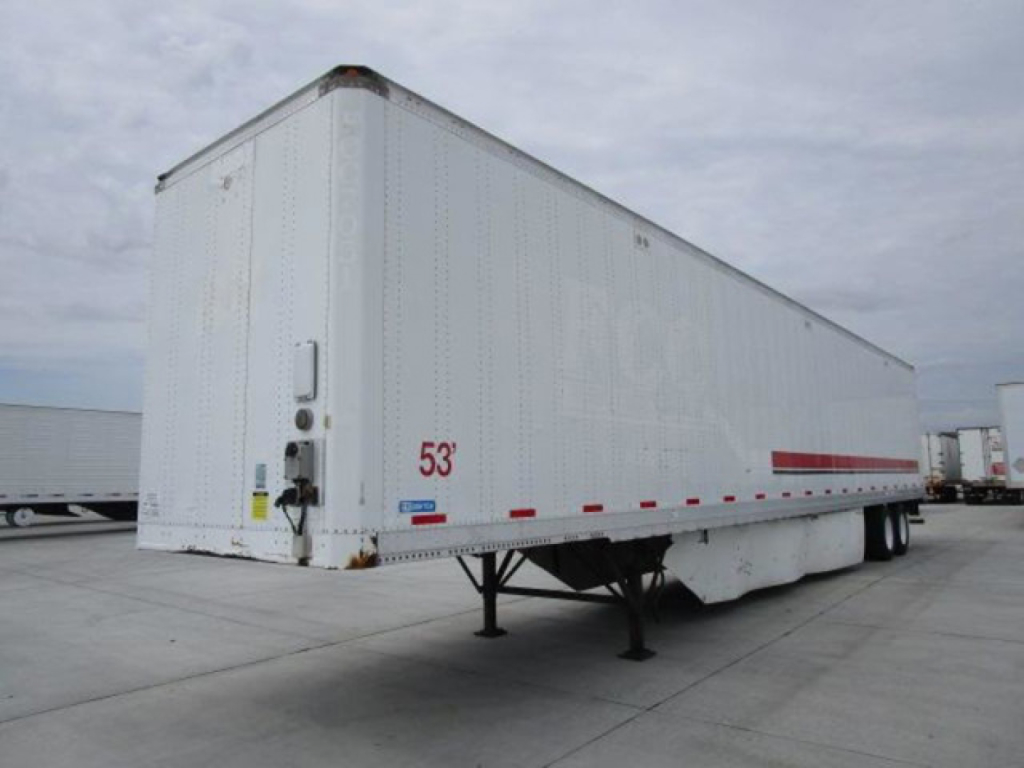
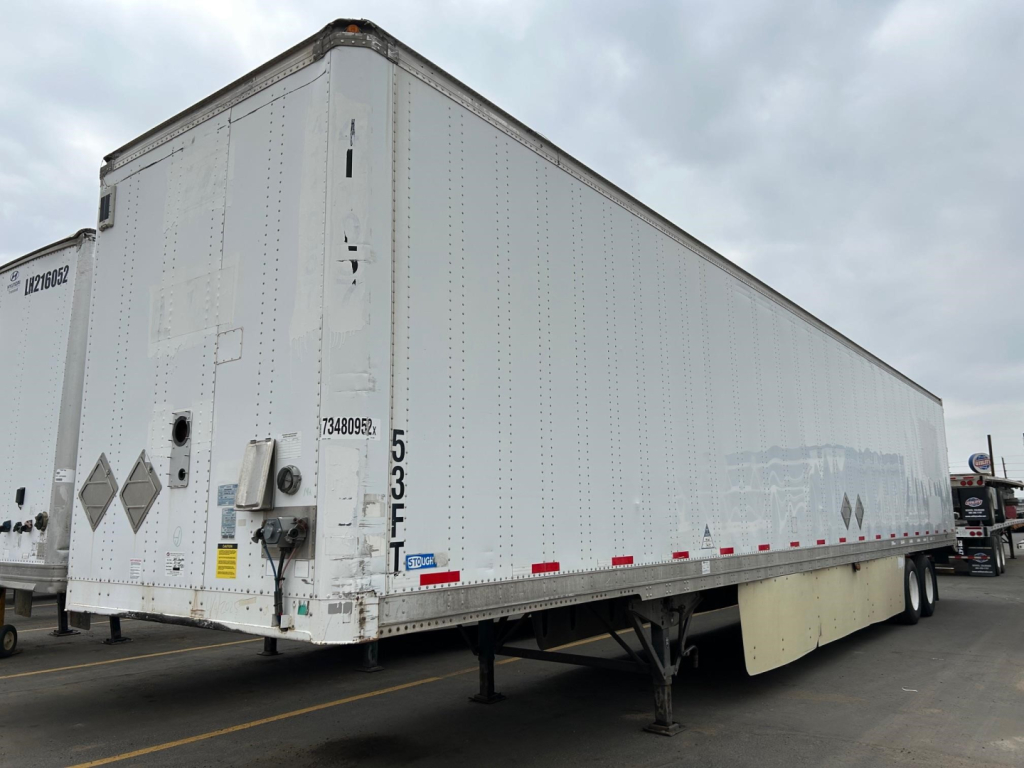
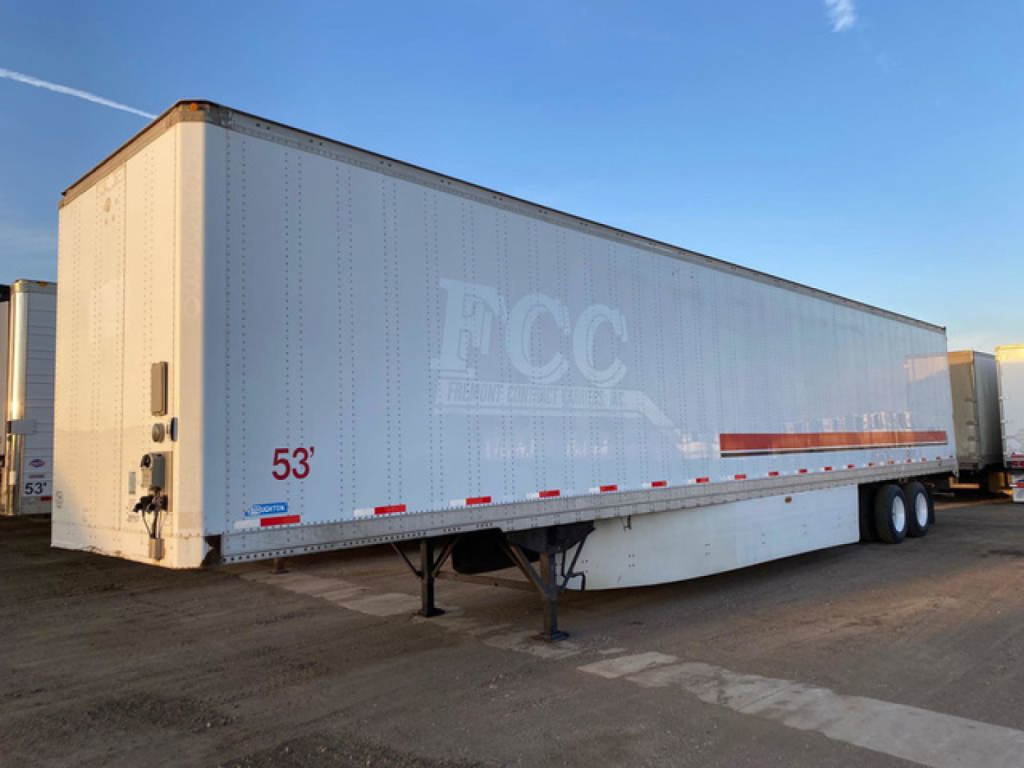
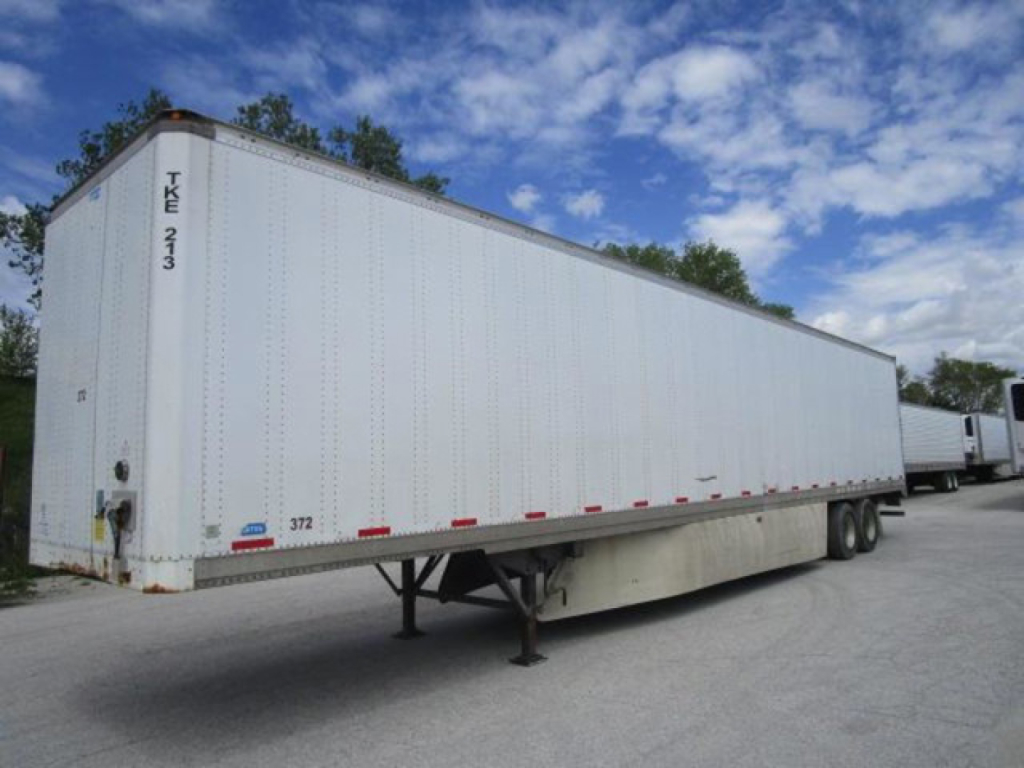
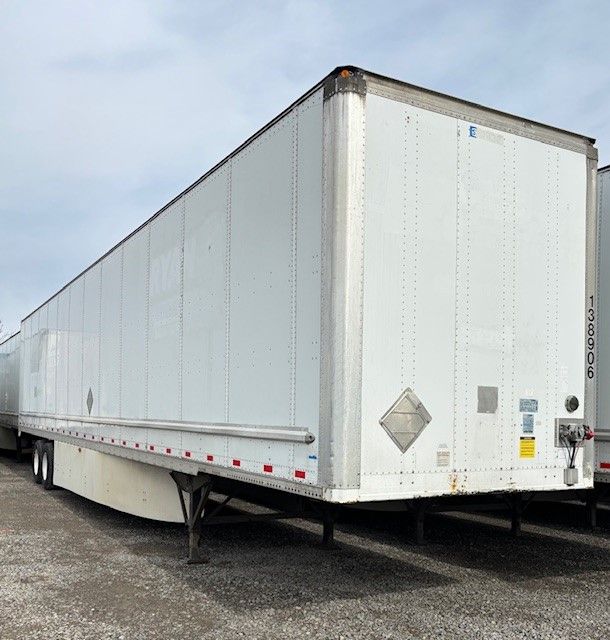
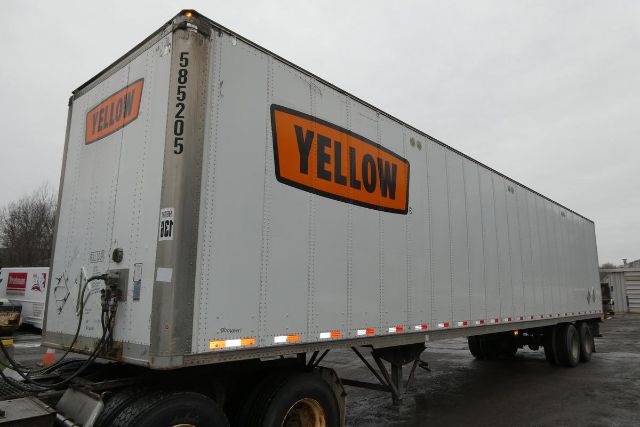
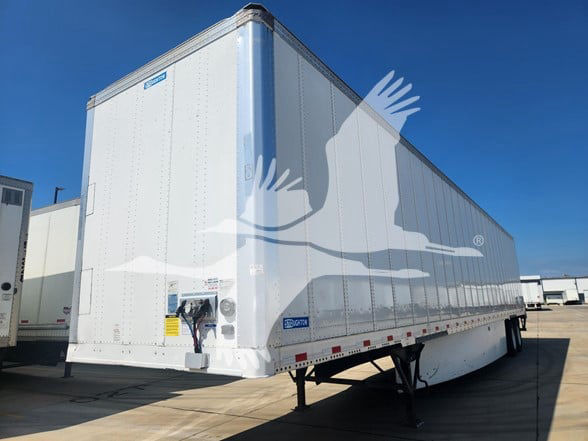
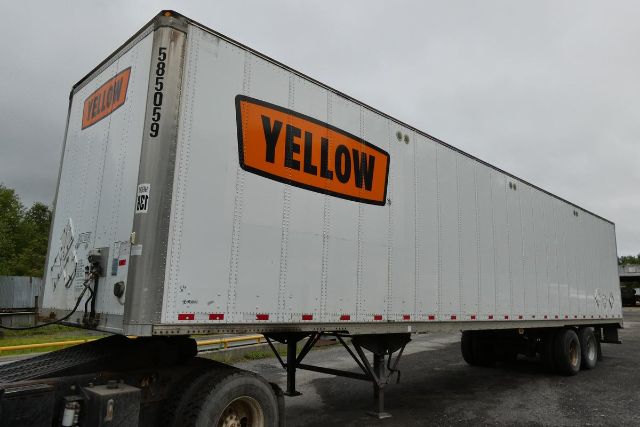
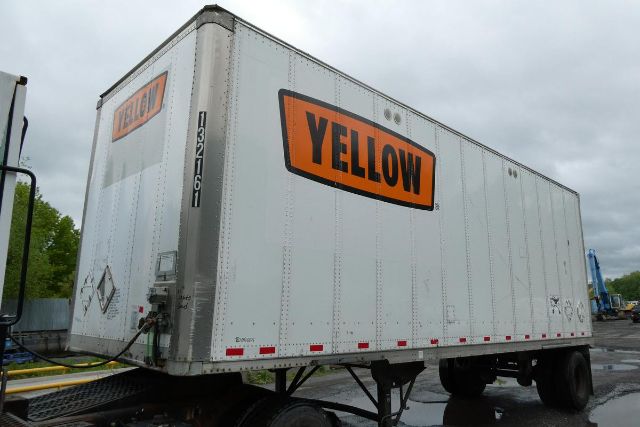
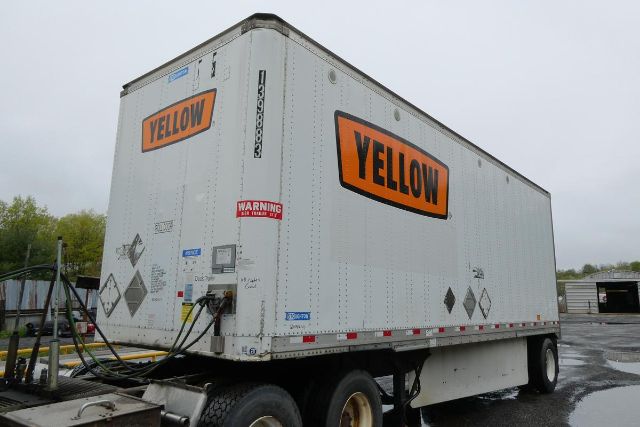
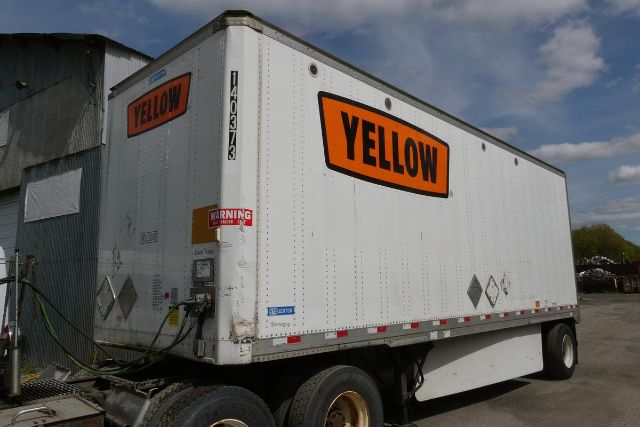
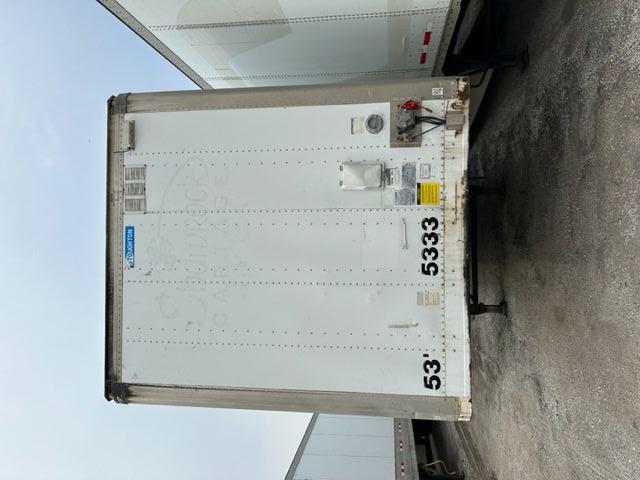
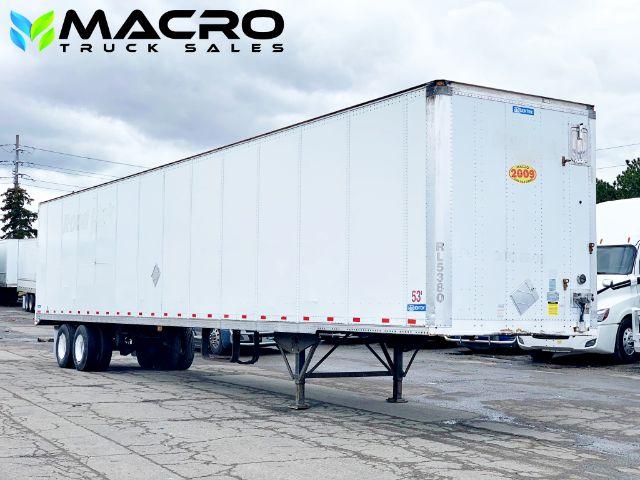
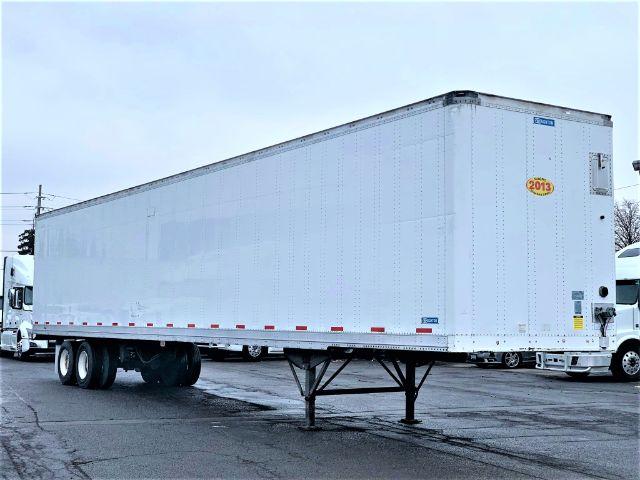
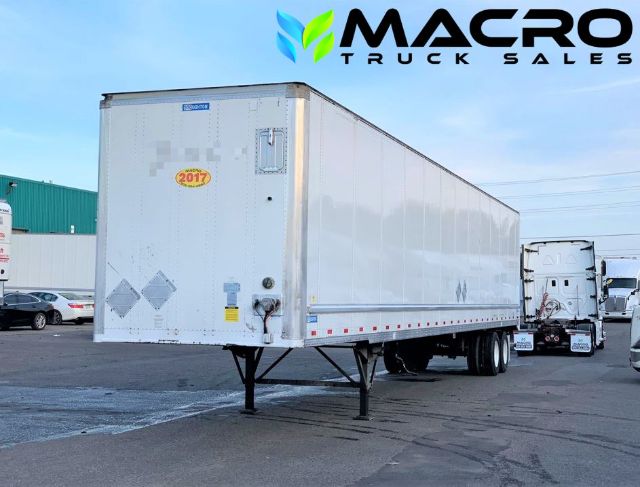

Showing 1 to 24 of 51 results
Have used stoughton van trailer to sell? List it here to reach thousands of buyers.
Used Stoughton Van Trailers
Frequently Asked Questions about Used Stoughton Van Trailers
What should I look for first on a used Stoughton van trailer?
Start with the structural condition and freight-contact areas. Check the roof, front wall, side panels, crossmembers, and rear frame for repairs, corrosion, cracking, or impact damage. Then inspect the floor for rot, soft spots, delamination, and excessive wear from forklifts or pallet jacks. On shorter pup trailers, also pay close attention to suspension mounts, axle alignment, brake condition, and dolly-compatible setup if the trailer is intended for doubles service. Door operation is another major checkpoint because damaged roll-up doors and rear frames can create daily loading issues.
Are Stoughton van trailers good for doubles and LTL work?
Yes, many Stoughton van trailers in the used market are configured for regional LTL and doubles applications, especially 28-foot dry vans. Common indicators include a pup length, fixed single axle layout, air brake system, and equipment notes stating the trailer can pull doubles. These trailers are popular in terminal freight because they offer good maneuverability, useful cargo cube, and simpler loading access for multi-stop or transfer operations. Buyers should still verify the exact converter dolly compatibility, rear coupling equipment, and any fleet-specific spec differences before purchase.
What materials are common on a used Stoughton dry van?
Used Stoughton dry vans are often built with aluminum or steel-and-aluminum combinations. Buyers will frequently see aluminum roofs, mixed-material bodies, and wood-over-steel floor designs. Aluminum helps control empty weight and can resist corrosion well, while steel is commonly used in high-stress areas for durability. The exact material mix affects tare weight, repair methods, and long-term maintenance cost, so it is worth comparing body composition trailer to trailer instead of assuming every Stoughton van is built the same way.
How important are side skirts and tire inflation systems on a used van trailer?
Side skirts and automatic tire inflation systems can add value, but their condition matters more than their presence. Side skirts may improve fuel economy in the right duty cycle, yet damaged brackets or torn panels can become a maintenance nuisance. Tire inflation systems can help extend tire life and improve casing management, but buyers should inspect hoses, wheel-end hardware, and system function closely because these components are often neglected on used trailers. If either system needs repair, that cost should be included in the trailer evaluation.
What cargo and loading considerations matter most with a used dry van trailer?
Door opening dimensions, floor condition, interior width, and overall height matter more than many buyers expect. Roll-up doors are common on shorter Stoughton pups because they work well at docks and in city environments, but they reduce rear opening height compared with swing doors. A wood-and-steel floor is generally a good fit for palletized freight, though concentrated forklift traffic can shorten floor life if maintenance has been deferred. Buyers moving high-cube dry goods, retail freight, paper products, or general palletized cargo should compare door clearance, interior wear, and roof integrity before narrowing down a trailer.