
New Van Trailers For Sale in Indiana
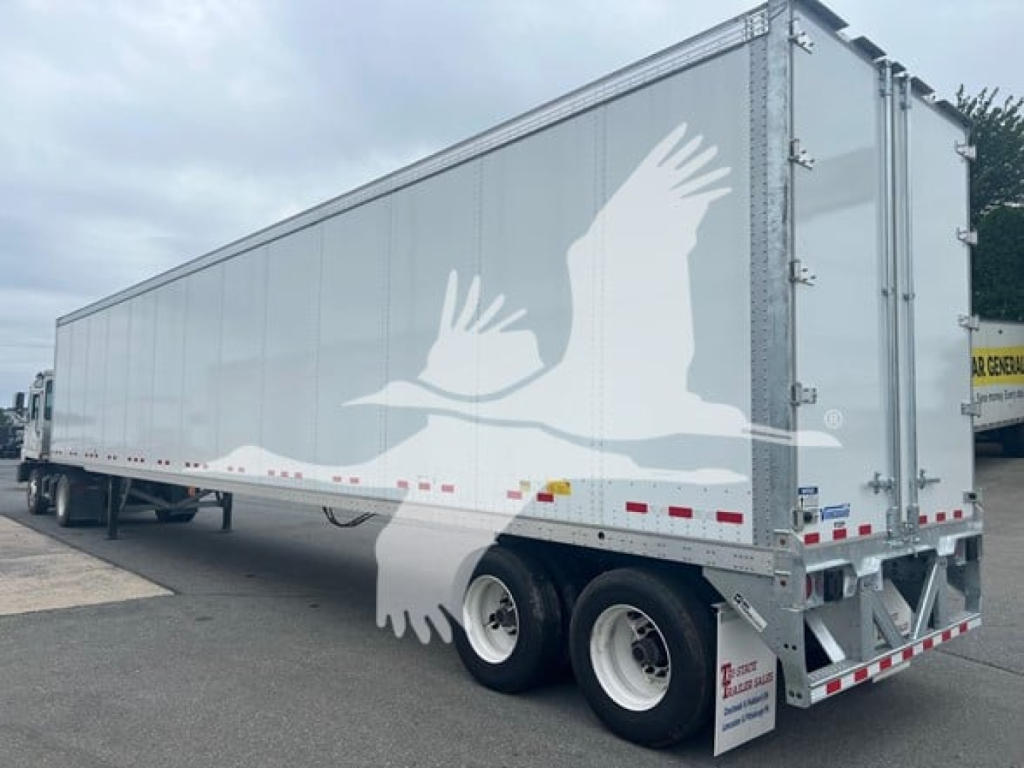
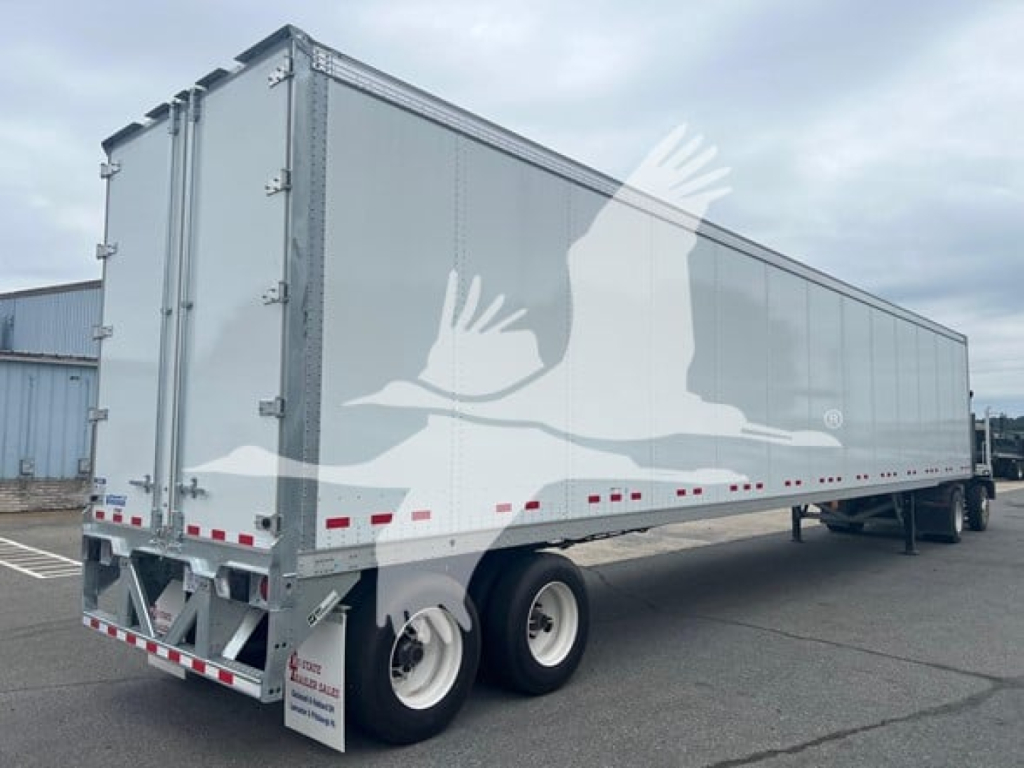
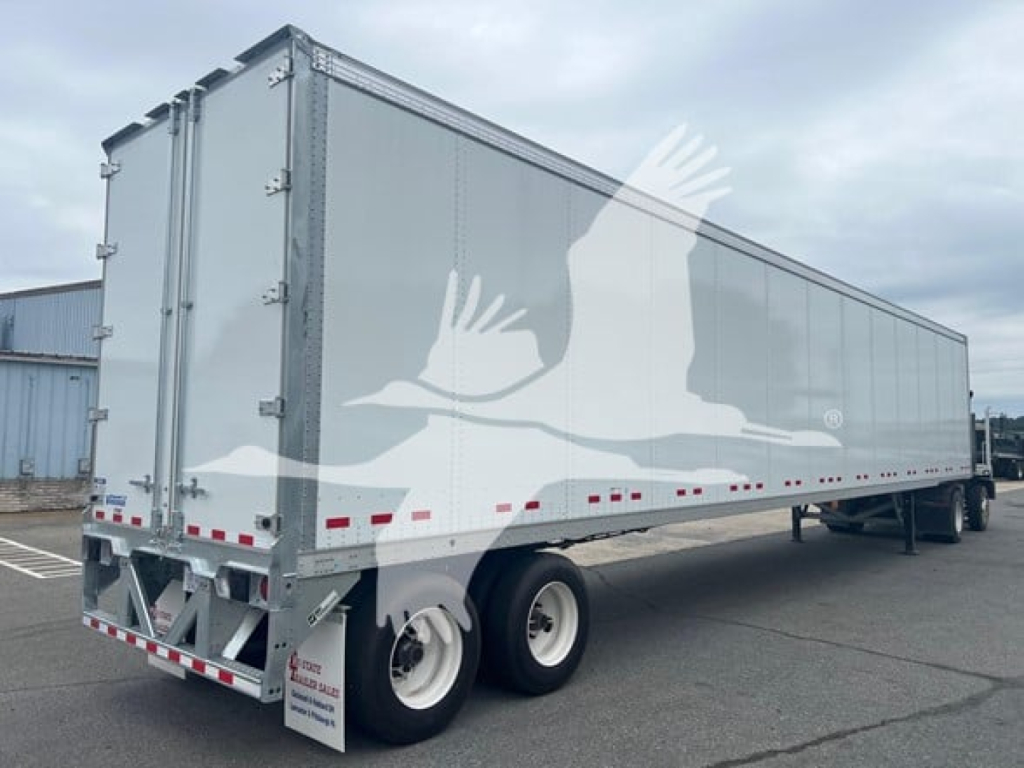
New van trailers for sale in Indiana. Compare 53-foot dry van specs, air ride, sliding tandems, composite panels, and floor ratings.
Learn more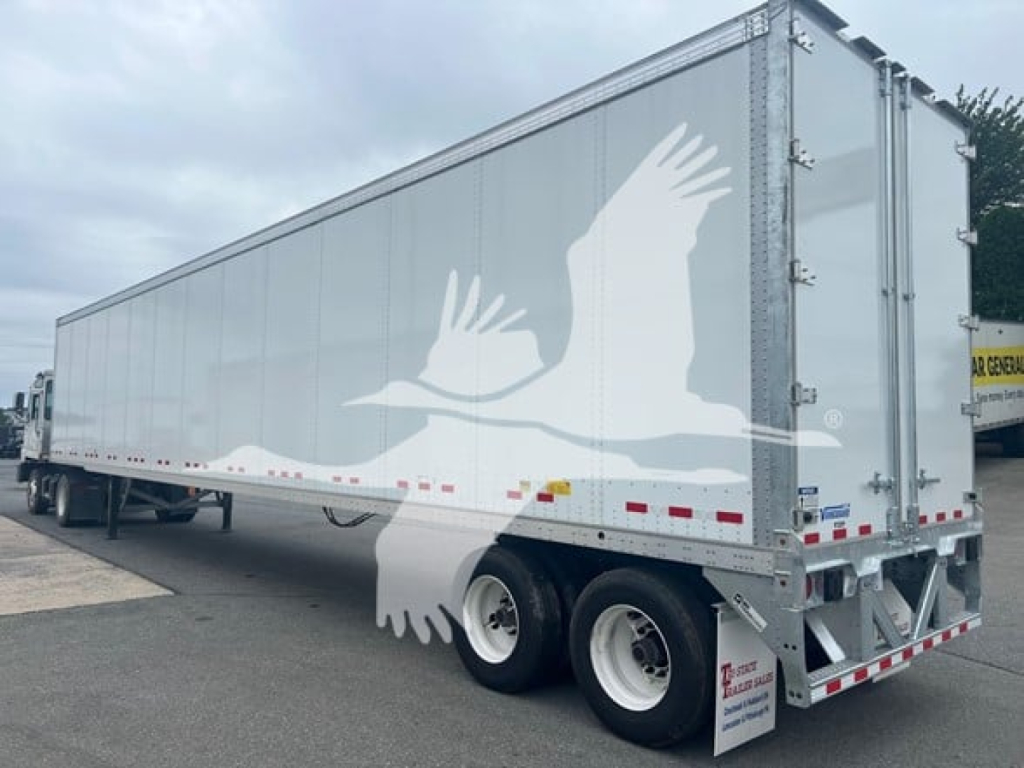
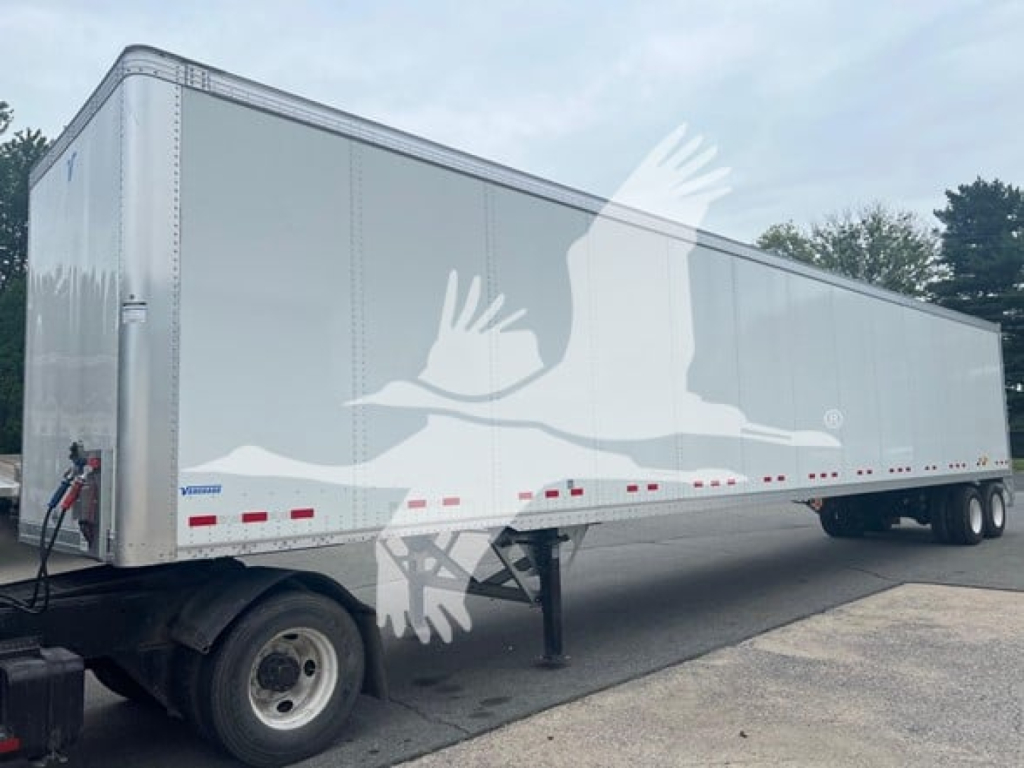
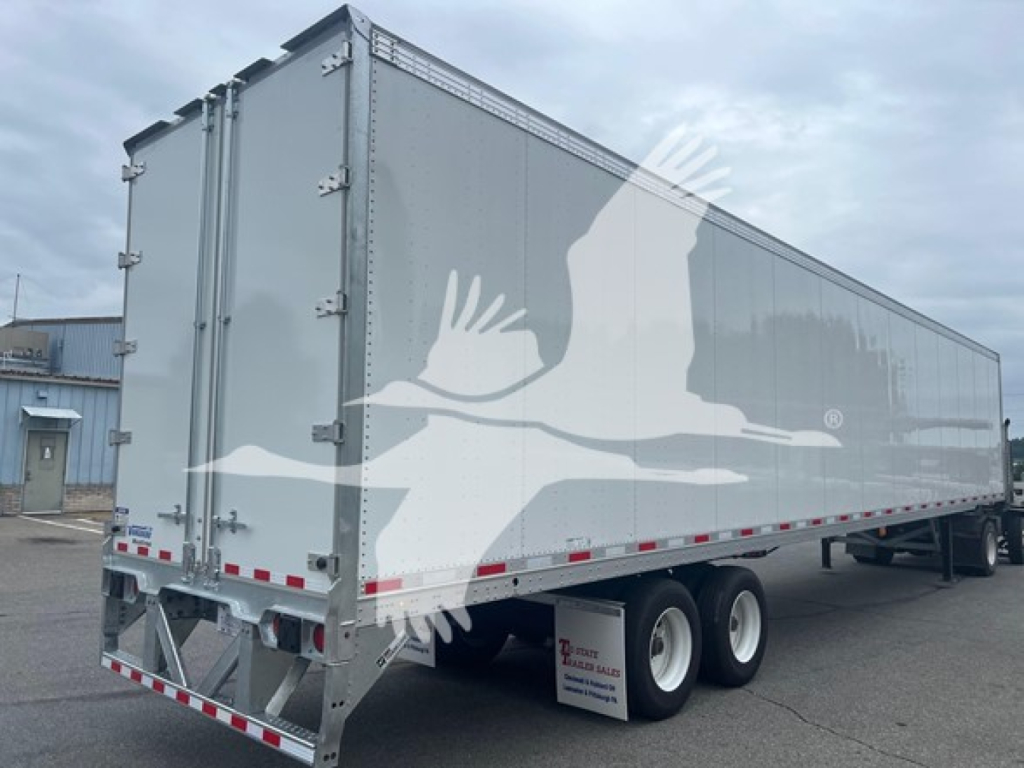
Showing 13 to 18 of 18 results
Have new van trailer to sell? List it here to reach thousands of buyers.
About New Van Trailers in Indiana
For most buyers, the first real decision is wall construction and floor strength. New dry vans in this class commonly use composite plate sidewalls or sheet-and-post designs, with logistics posts on regular spacing for load securement flexibility. Composite plate vans can offer a clean interior wall, good durability, and solid appearance retention in demanding dock environments. Floor construction matters just as much. Many trailers in this segment use a 1 3/8-inch oak floor, and some are built around a 22,000-pound floor rating for heavier forklift traffic and concentrated pallet loads. Crossmember spacing, threshold plate design, internal bulkheads, scuff liners, and nose lining all affect long-term resistance to freight damage and repeated dock use.
Running gear and corrosion protection deserve close attention on a new van trailer because they drive maintenance cost over the life of the unit. Air ride suspension is common in modern dry vans for ride quality and cargo protection, especially on higher-value or damage-sensitive freight. A 49-inch sliding tandem and a 36-inch kingpin setting are typical fleet-friendly specs. Buyers should also look at tire size, wheel spec, ABS configuration, landing gear brand, and whether the trailer includes tire inflation systems such as Hendrickson TireMaax PRO. Galvanized rear frames, reinforced bumpers for dock-lock use, galvanized roof bows, and protected rear door hardware can make a meaningful difference for trailers working year-round in Midwest weather, road salt, and heavy drop-and-hook service.
Interior dimensions and rear opening size can be just as important as headline length. Many new dry vans offer about 110 inches of inside height and a rear door opening around 99 inches wide, which helps with cube capacity and forklift access. Buyers moving beverage, paper, retail, automotive, or mixed LTL freight should compare door construction, hinge count, roof material, scuff-to-scuff width, and side lining details to match the trailer to the freight profile. The right new van trailer is not just a box on wheels. It is a specification package built around cargo type, loading frequency, route demands, and maintenance expectations.
Frequently Asked Questions
What is the most common specification for a new van trailer?
The most common new van trailer specification is a 53-foot dry van with 102-inch overall width, 13-foot 6-inch overall height, tandem axles, air ride suspension, and a sliding tandem. Many also use a 36-inch kingpin setting and interior dimensions near 101 inches wide and 110 inches tall. That layout works for standard dock loading, broad shipper acceptance, and legal flexibility across regional and over-the-road operations.
What should I look for in dry van sidewall construction?
Sidewall construction affects durability, repair cost, interior usability, and appearance over time. Composite plate sidewalls are popular because they provide a smooth interior surface and strong resistance to everyday freight contact. Sheet-and-post designs remain common as well. Buyers should also review post spacing, scuff liner height, side lining, and nose lining because those details determine how well the trailer holds up to pallets, forklifts, and repeated dock loading.
Why does floor rating matter on a new van trailer?
Floor rating matters because it determines how well the trailer handles concentrated forklift loads and dense palletized freight. A stronger floor with quality oak decking, proper fastener count, and tighter crossmember spacing will usually hold up better in food distribution, beverage, paper, and industrial freight service. If the trailer will see heavy forklifts or high-cycle loading, floor construction is one of the most important long-term durability specs to compare.
Is air ride suspension worth it on a van trailer?
For many operations, air ride is worth the added upfront cost because it improves ride quality and helps protect cargo from vibration and shock. It is especially useful for retail goods, packaged products, electronics, and other damage-sensitive freight. Air ride suspensions are also common in fleet dry vans, so parts availability and service familiarity are generally strong. The right choice still depends on freight mix, lane quality, and total maintenance strategy.
What features help a van trailer last longer in Midwest service?
In Indiana and across the Midwest, corrosion protection and dock durability are major priorities. Galvanized rear frames, galvanized or corrosion-resistant roof bows, reinforced dock bumpers, strong rear thresholds, and quality door hardware can extend service life in wet conditions and road salt exposure. Tire inflation systems, reliable ABS, and proven landing gear also reduce downtime. A trailer built for heavy dock use and seasonal weather usually returns better value over the long haul.