
Van Trailers For Sale in Kansas
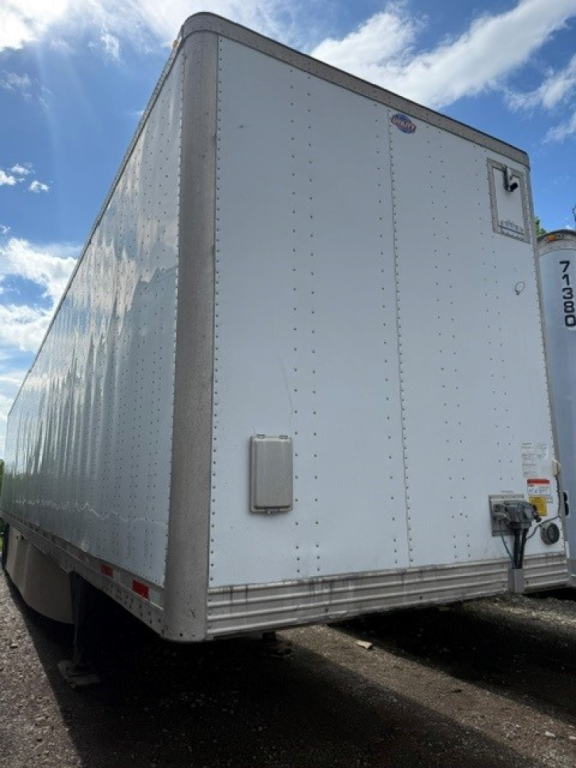
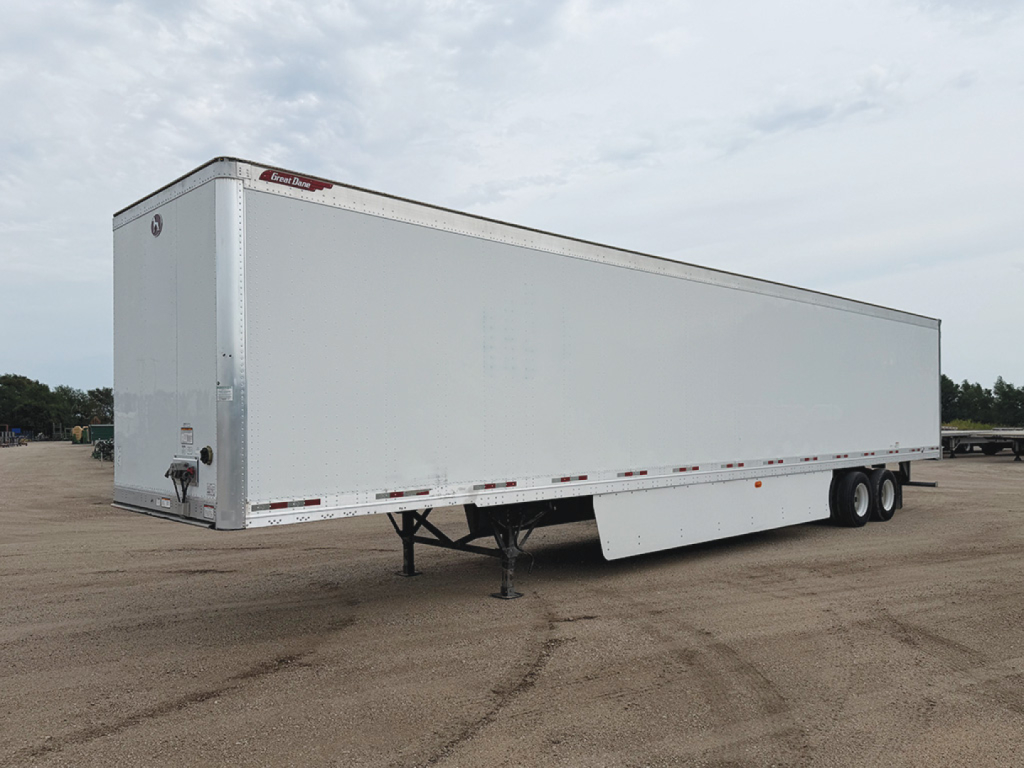
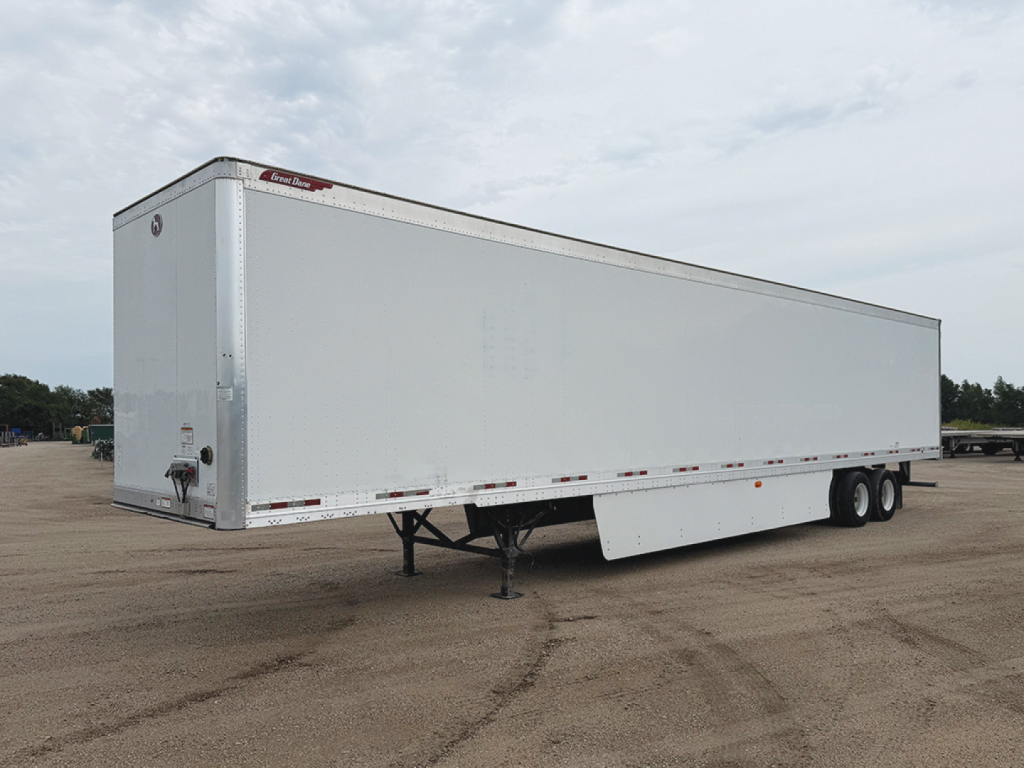
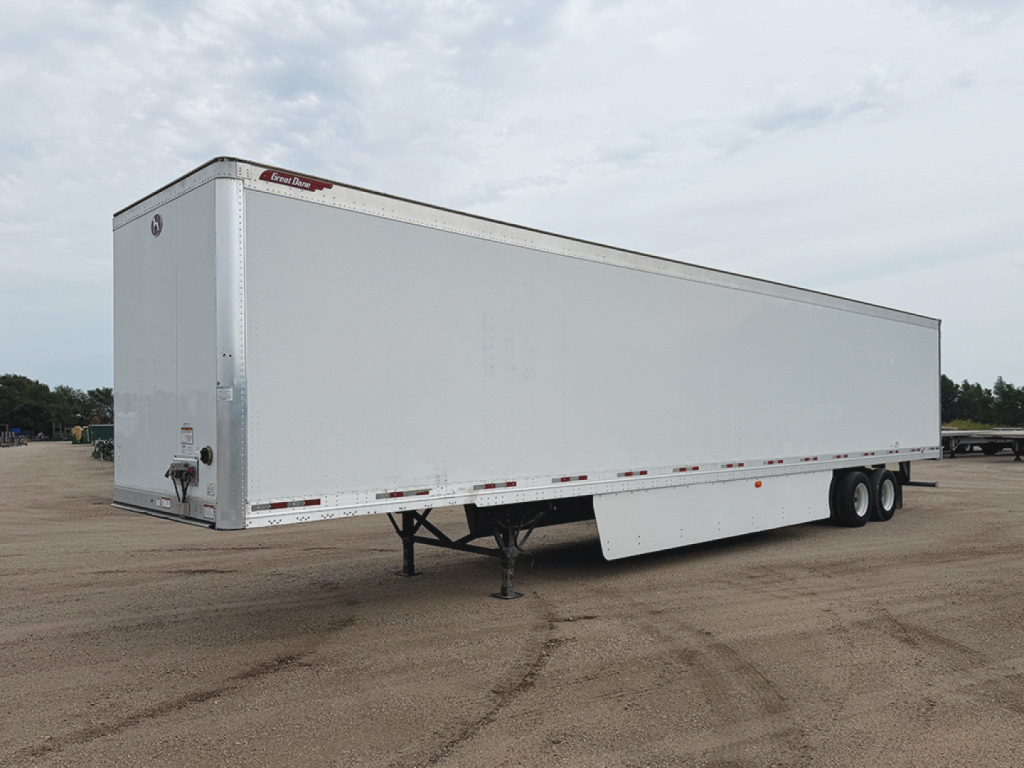

Have van trailer to sell? List it here to reach thousands of buyers.
Van Trailers in Kansas
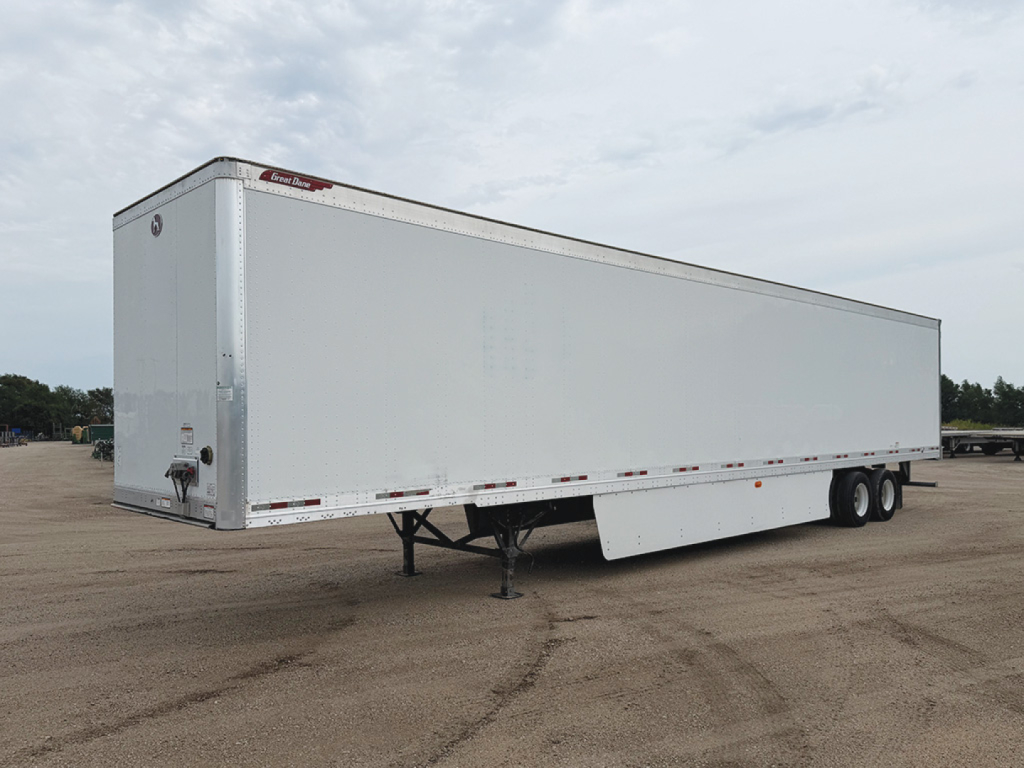
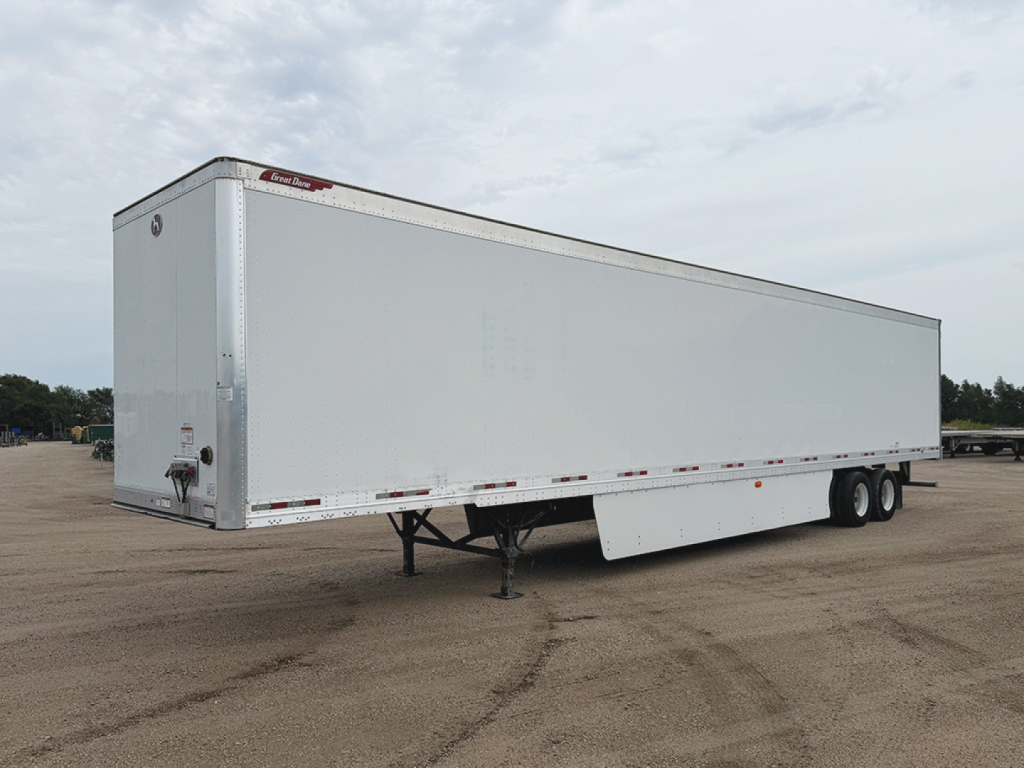
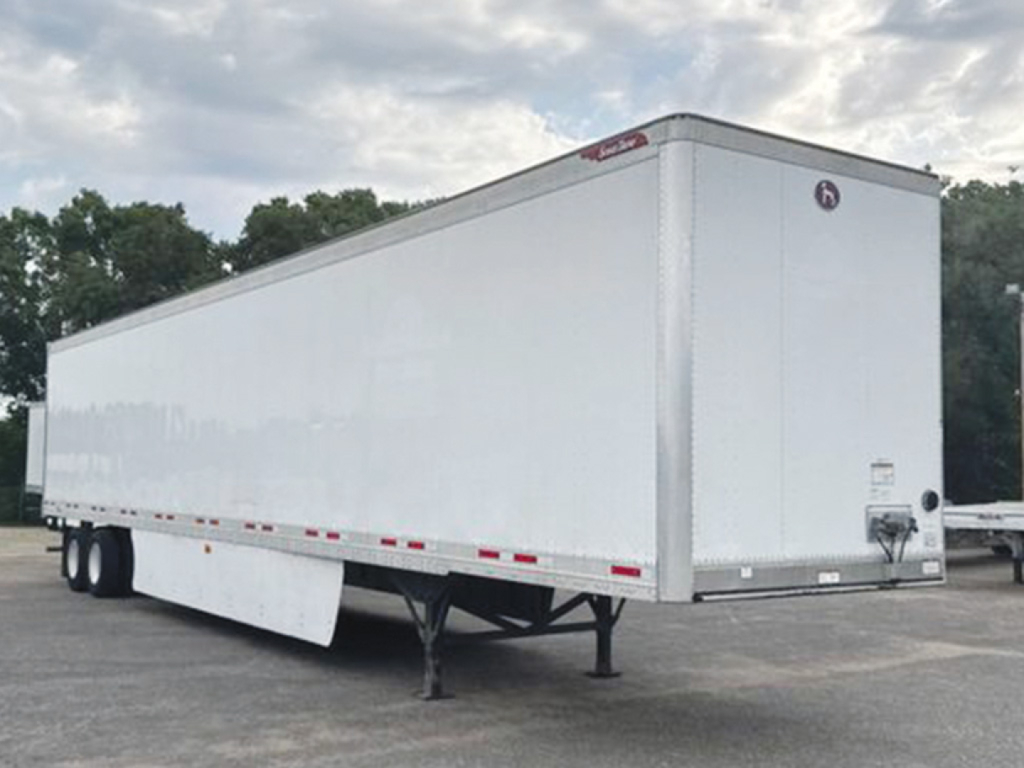
A typical late-model van trailer in this category will have aluminum construction to keep tare weight down, wood flooring for forklift traffic, plywood lining or composite liner panels, and scuff plates to protect the lower walls from pallet impact. Inside height around 100 inches is common on standard dry vans, and that number matters if you haul taller pallet stacks or lightweight cube freight. E-track or logistic posts can add versatility for mixed freight and load securement. Front and rear vents are useful for airflow on loads that do not require refrigeration but still benefit from reduced condensation and heat buildup. Threshold plates, undertray storage, and roll-up doors can also matter depending on how often the trailer cycles through city docks versus drop-and-hook highway work.
For Kansas operations, suspension and running gear deserve close attention because trailers often see a mix of interstate miles, grain corridor traffic, crosswinds, and frequent dock turns in metro areas like Kansas City and Wichita. Air ride suspension is preferred for ride quality and freight protection, especially for packaged goods and higher-value loads. Sliding tandems help with bridge law compliance and weight distribution across multiple states. Tire inflation systems can reduce roadside downtime and help manage tire life on high-mileage fleets. Buyers should also inspect brake type, wheel condition, axle alignment, and the front axle lift configuration if equipped, since those details affect maintenance cost as much as purchase price.
The best van trailer for sale is the one that matches freight profile, loading method, and maintenance expectations. A trailer used for dense freight needs a strong floor, sound crossmembers, and clean suspension history. A trailer used in dedicated retail or route work may benefit more from a roll-up door, liner package, and securement options. Check roof condition for leaks, door frame integrity, sidewall repairs, floor rot or gouging, and signs of chronic dock impact. On used dry van trailers, cargo area condition often tells you more than paint or decals. When the dimensions, tare weight, and spec package line up with your freight, a van trailer remains one of the most versatile and economical trailer types on the road.
Frequently Asked Questions about Van Trailers in Kansas
What is the most common size for a dry van trailer?
The most common dry van trailer size is 53 feet long and 102 inches wide. That configuration dominates over-the-road freight because it balances legal capacity, dock compatibility, and payload flexibility. Many standard 53-foot vans also have an interior height near 100 inches, but buyers should verify actual inside height and rear door opening because those measurements directly affect pallet count, stack height, and loading clearance.
What should I inspect first on a used van trailer?
Start with the floor, roof, rear frame, doors, and suspension. The floor takes constant forklift traffic, so look for soft spots, patches, delamination, broken boards, or damaged crossmembers underneath. Check the roof for leaks or repairs, inspect the rear frame and threshold for dock damage, and make sure the doors seal and operate correctly. After that, review brakes, tires, wheel ends, air system condition, tandem slider operation, and overall alignment.
Are roll-up doors better than swing doors on a van trailer?
Roll-up doors are useful for frequent dock stops and city delivery because they open without needing rear clearance. They can speed up loading in tight spaces and reduce the risk of door damage at crowded docks. Swing doors are simpler, often lighter, and can provide a full rear opening for forklift access. The better choice depends on your freight environment, dock setup, and how often the trailer is opened during a route.
Why does air ride suspension matter on a dry van trailer?
Air ride suspension improves ride quality and helps protect freight from vibration and road shock. It is a strong fit for consumer goods, electronics, food products, and other palletized cargo that can shift or get damaged on rough pavement. Air ride can also support better trailer stability and driver acceptance in long-haul service. Buyers should still inspect the air bags, valves, shocks, and suspension bushings because ride quality depends on system condition, not just the spec sheet.
What features add value on a van trailer for Kansas freight operations?
Features that commonly add value include air ride suspension, sliding tandems, tire inflation systems, good inside height, sound plywood or composite lining, scuff protection, and a clean wood floor. Kansas fleets often run regional and interstate lanes, so durability and compliance features matter. A trailer with strong running gear, straight doors, a dry roof, and a well-maintained cargo box usually holds its value better than one with cosmetic appeal alone.