
Great Dane Van Trailers For Sale in Kansas

Have great dane van trailer to sell? List it here to reach thousands of buyers.
Great Dane Van Trailers in Kansas
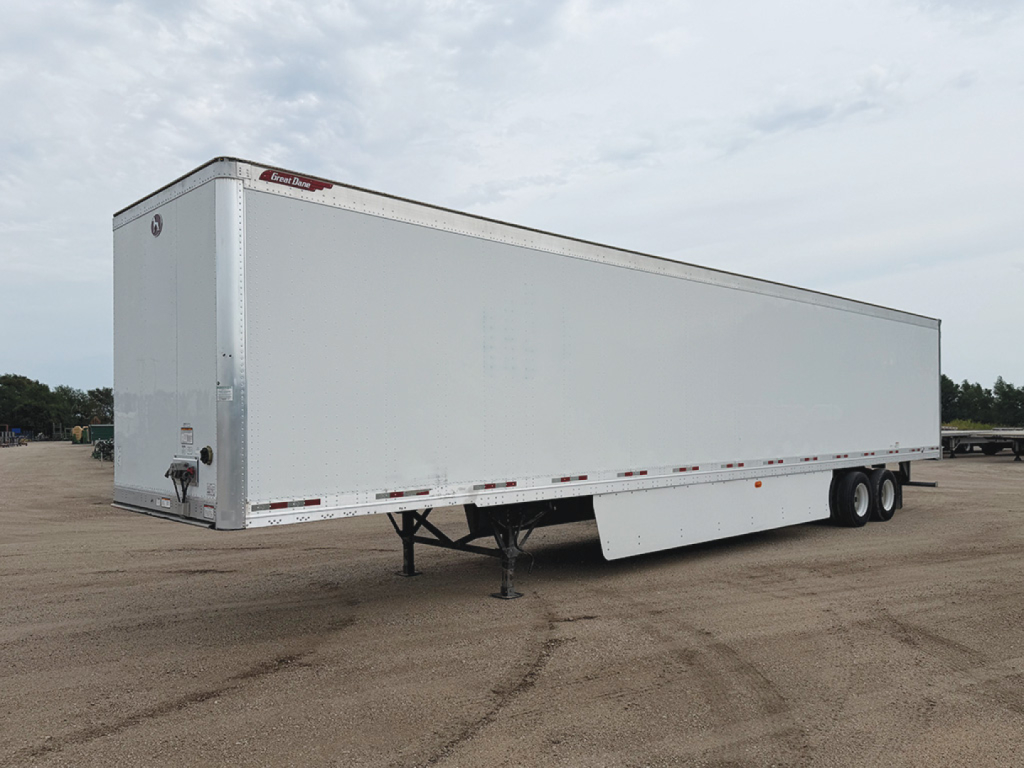
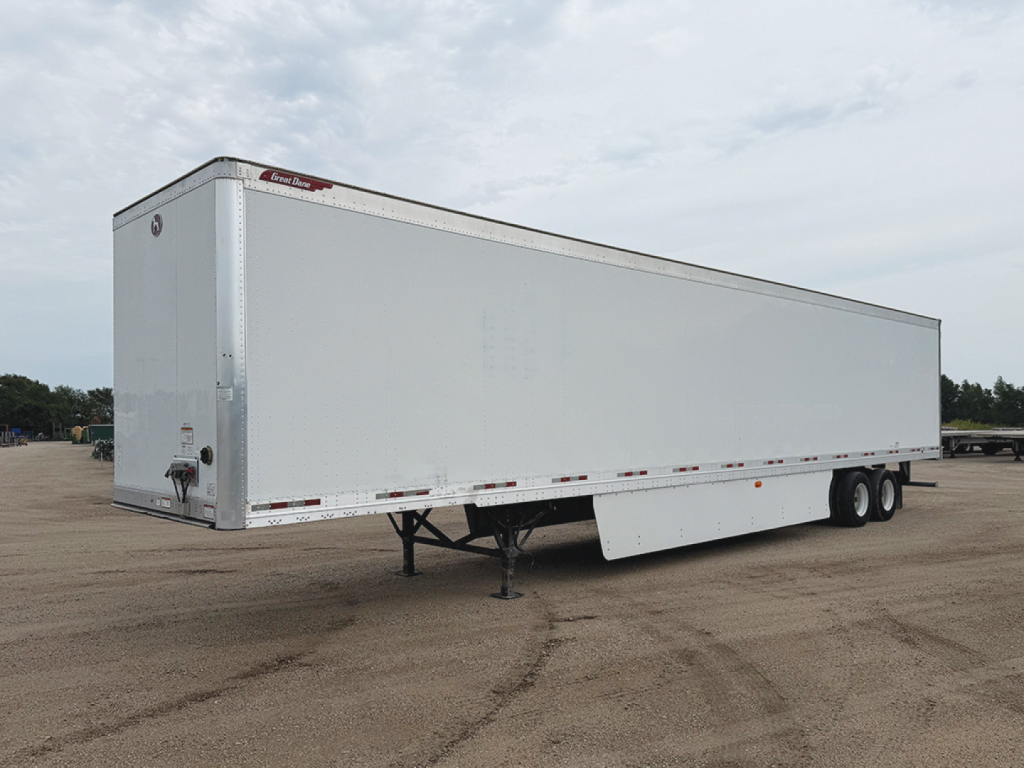
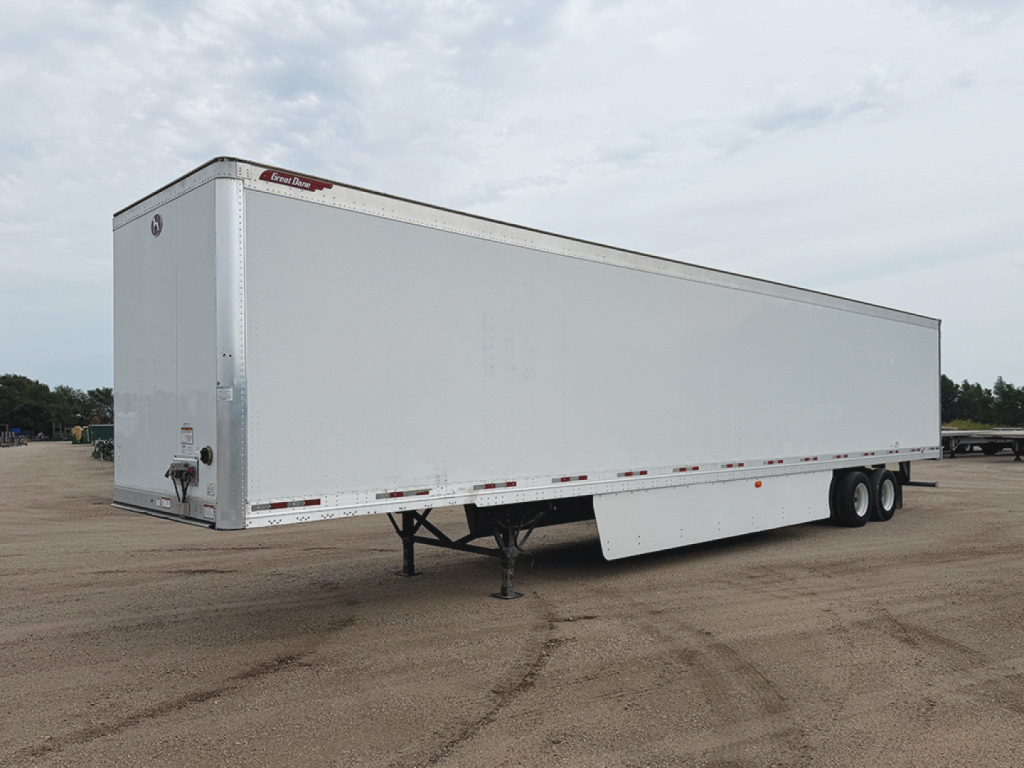
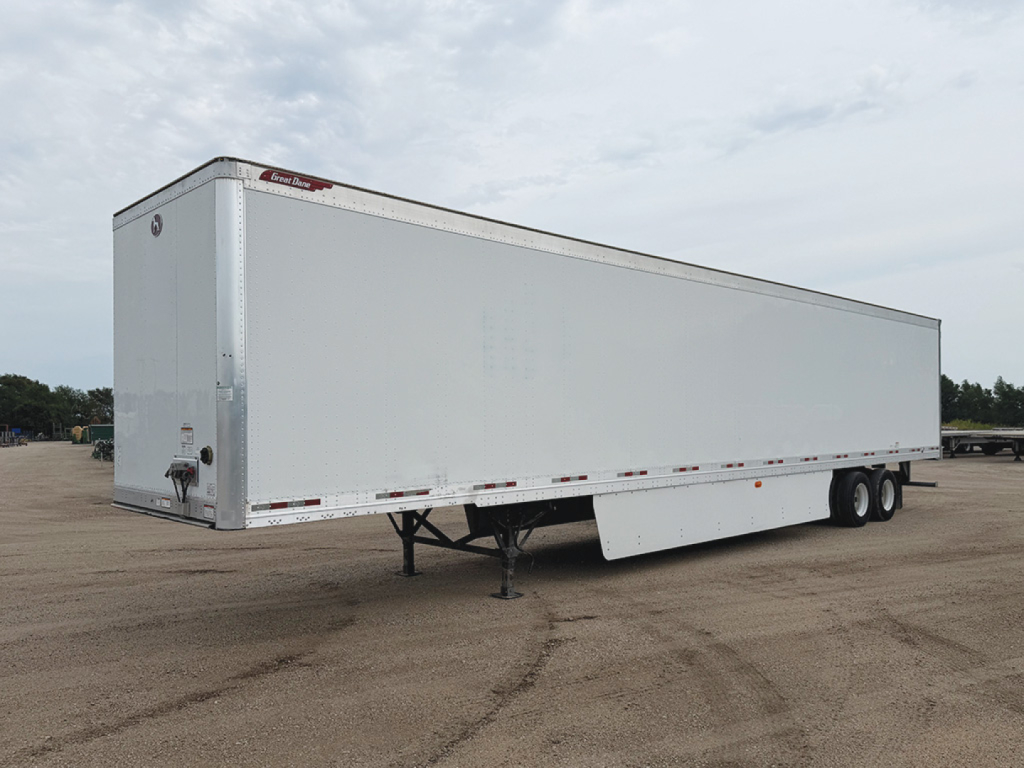
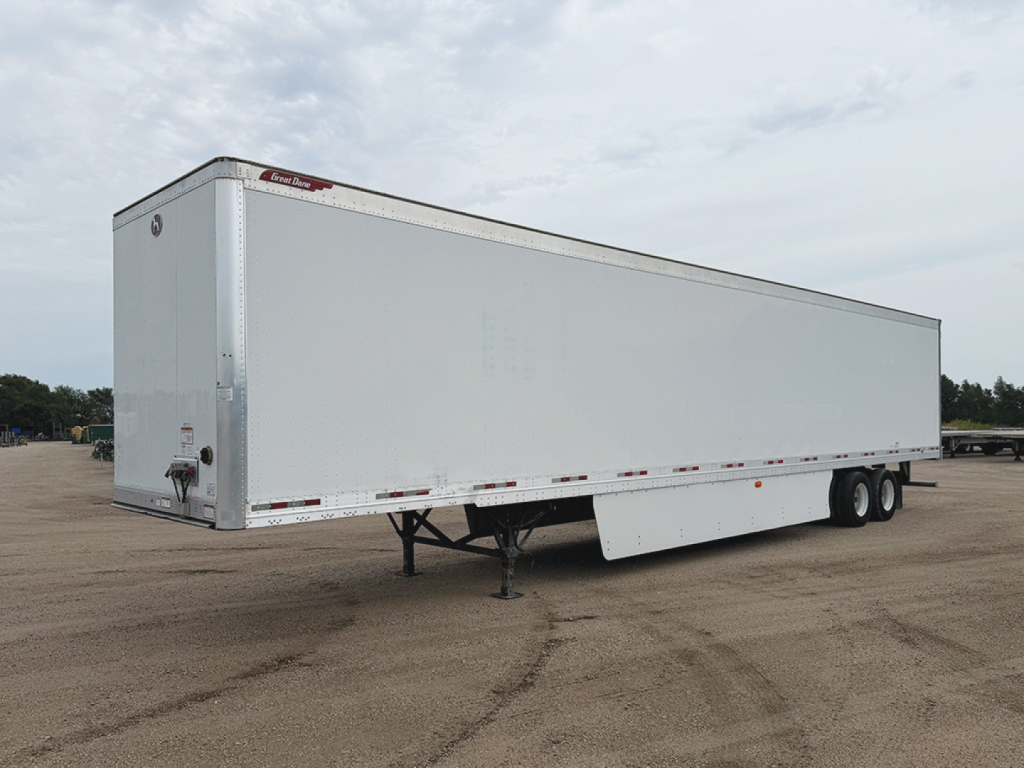
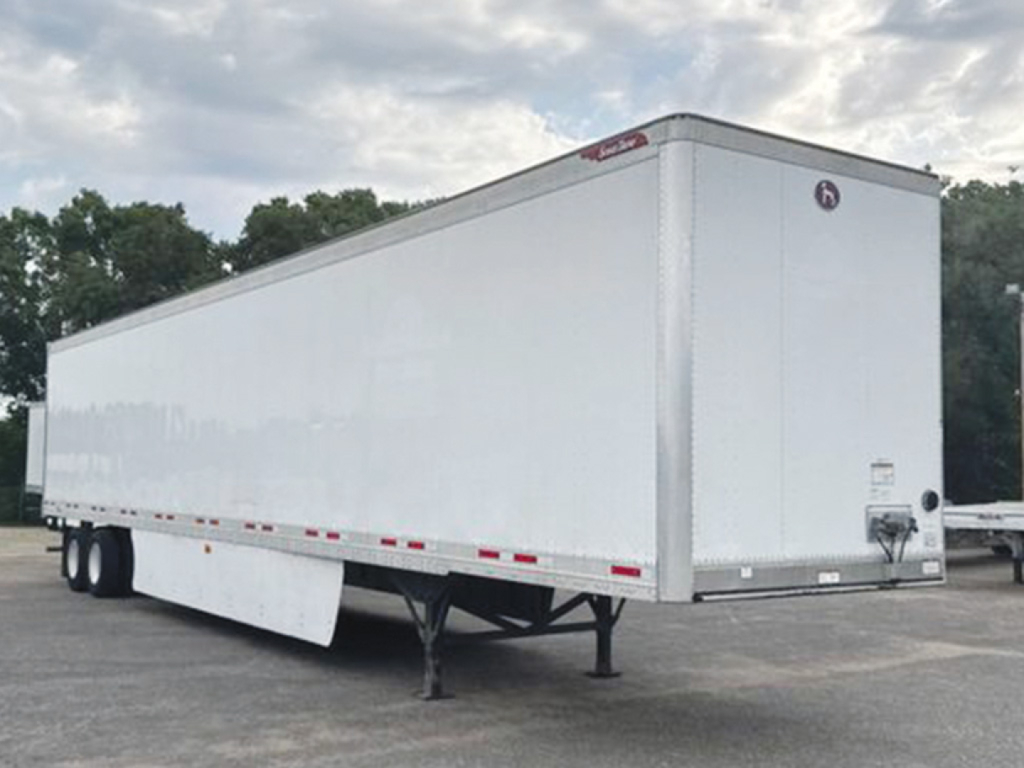
For most buyers, the first decisions are body construction, interior protection, and running gear. Many Great Dane dry vans use aluminum sheet-and-post construction to keep tare weight competitive while still handling high-cycle freight. Common specs include wood floors, metal lining, scuff plates, threshold plates, and logistics posts for load securement flexibility. Those details matter if the trailer will see palletized freight, mixed LTL-style loading, or frequent forklift traffic. A metal-lined interior and good scuff protection can significantly reduce sidewall damage in fleet service, while logistics tracks or posts make it easier to secure a wider range of cargo.
Suspension and axle setup also deserve close attention. Air ride suspension remains a preferred spec for carriers moving damage-sensitive freight, and a sliding tandem helps with bridge law compliance, dock positioning, and weight distribution. Buyers should also look at wheel-end condition, tire spec, and the presence of tire inflation systems, which can reduce irregular wear and roadside downtime. Aerodynamic equipment such as side skirts is increasingly common on newer Great Dane van trailers, especially in linehaul applications where fuel economy is closely tracked. Swing doors are still the standard rear closure on most dry vans in this class, and buyers should inspect door frame alignment, hinge wear, and rear impact area condition.
A used Great Dane van trailer should be evaluated around the floor, rear frame, roof, suspension, and trailer tracking. Floor wear from concentrated forklift traffic, moisture intrusion around the front wall or roof seams, and damage near the threshold plate are all worth checking before purchase. In Kansas and surrounding freight lanes, these trailers are well suited for long-haul and regional work moving packaged goods, food products that do not require refrigeration, paper, consumer freight, and industrial shipments. Buyers comparing listings should focus less on paint and more on inside height, lining package, tandem type, aerodynamic spec, and overall maintenance history, since those factors will have the biggest impact on utilization and operating cost.
Frequently Asked Questions about Great Dane Van Trailers in Kansas
What are the most common specs on a Great Dane van trailer?
The most common Great Dane dry van configuration is a 53-foot trailer with 102-inch width and 13-foot 6-inch overall height. Many are equipped with aluminum construction, wood floors, logistics posts or track, metal lining, swing doors, air ride suspension, and sliding tandems. Buyers should confirm inside rear height, floor rating, and lining package because those details affect what freight the trailer can handle efficiently.
Is a Great Dane Champion SE a good fit for general dry freight?
Yes. The Great Dane Champion SE is a widely used dry van spec for general freight, retail distribution, and dedicated contract hauling. It is popular because it supports standard dock loading, accepts a wide range of palletized commodities, and is typically configured with practical fleet features such as scuff protection, logistics securement options, and air ride suspension. The right trailer still depends on freight type, loading frequency, and how important tare weight is in the operation.
What should I inspect first on a used Great Dane van trailer?
Start with the floor, roof, rear frame, suspension, and door structure. A worn floor can become expensive quickly if the trailer sees forklift loading, and rear frame or threshold damage often points to hard dock use. Check for signs of water intrusion, previous wall repairs, uneven tire wear, and tandem slide condition. It is also smart to inspect the scuff liner, nose structure, and crossmember area for damage from concentrated loads or repeated impact.
Why does a sliding tandem matter on a dry van trailer?
A sliding tandem gives the operator flexibility to meet bridge law requirements, adjust axle spacing for state regulations, and better balance weight between tractor and trailer axles. It also helps with maneuvering and can improve dock fit in some applications. For fleets running multiple states or variable load distributions, a sliding tandem is often more versatile than a fixed tandem setup.
Are side skirts and tire inflation systems worth having on a van trailer?
For many over-the-road and regional operations, yes. Side skirts can improve aerodynamic performance and help reduce fuel consumption on highway miles, especially in larger fleets tracking cost per mile. Tire inflation systems help maintain proper tire pressure, which can improve tire life, reduce irregular wear, and lower the chance of roadside failures. These features add the most value when the trailer is used consistently in higher-mileage service.