
Great Dane Van Trailers For Sale in Wisconsin
Shop Great Dane van trailers for sale in Wisconsin. Compare 53-foot dry van specs, construction, suspension, doors, tandem setup, and lining options.
Learn moreNo exact matches found for your search
Showing Great Dane Van Trailers instead.
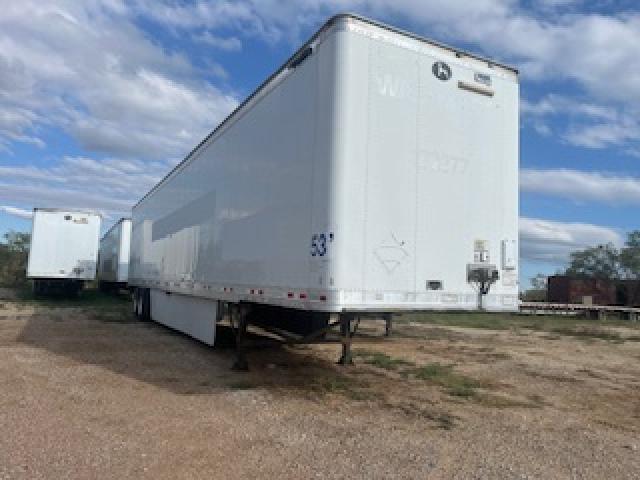
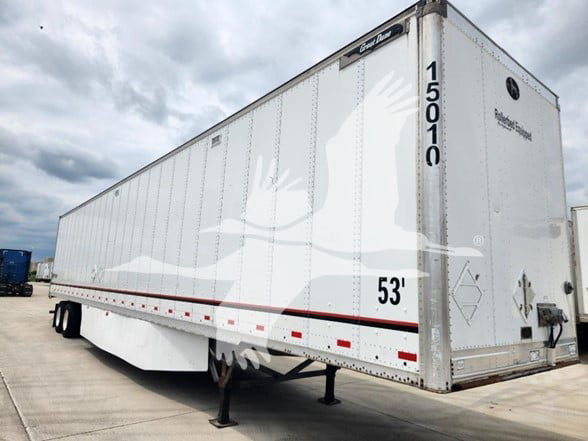
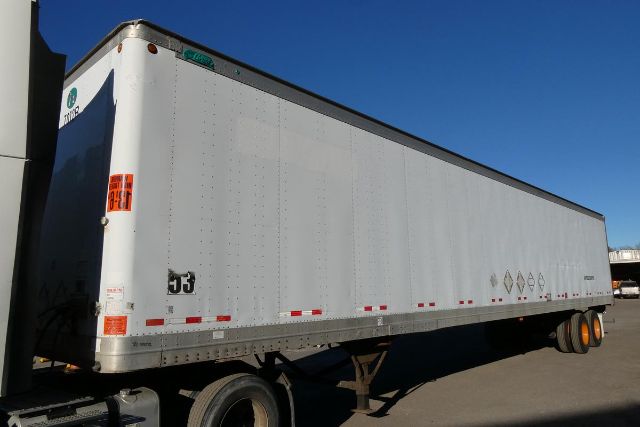
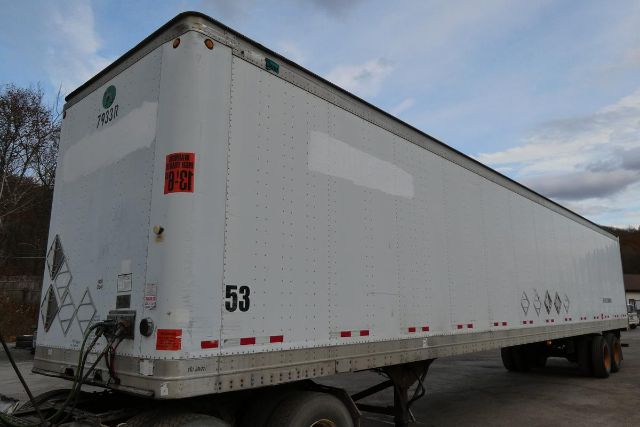
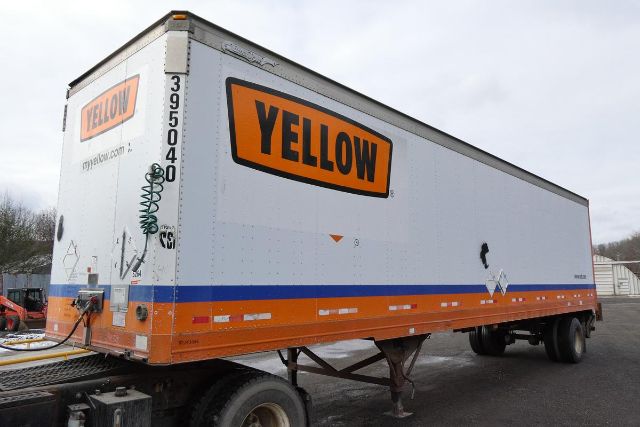
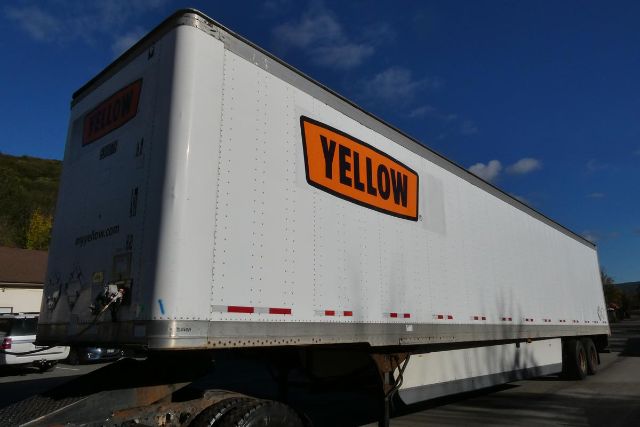
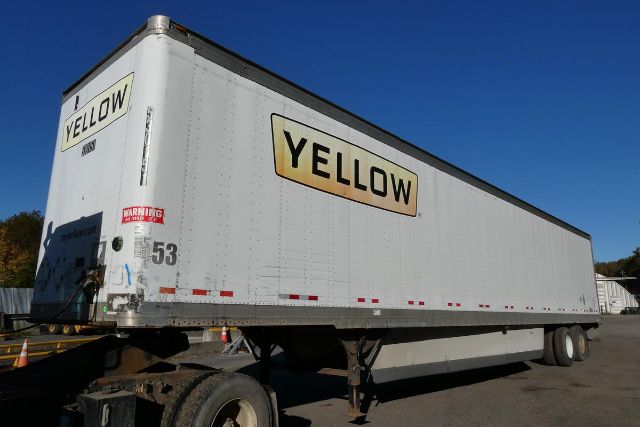
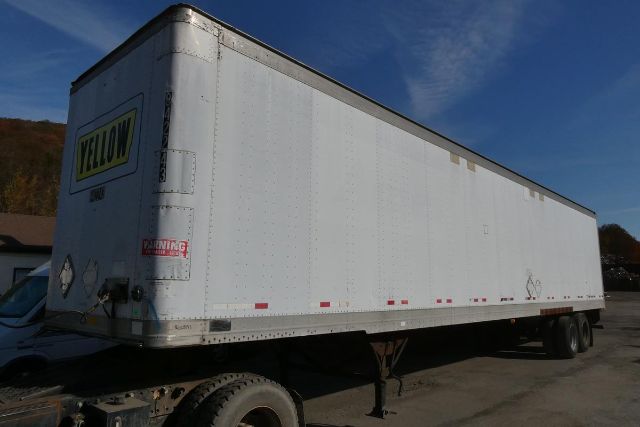
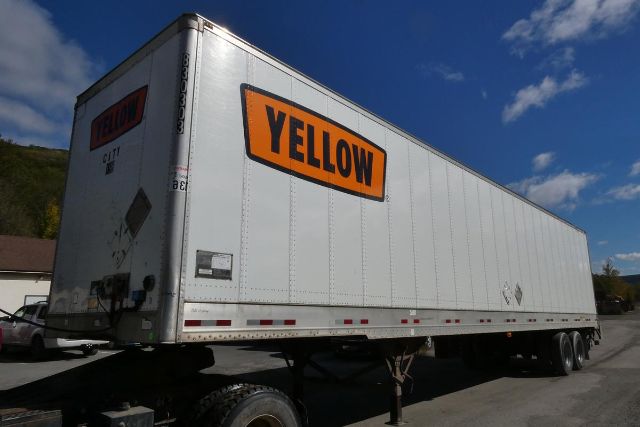
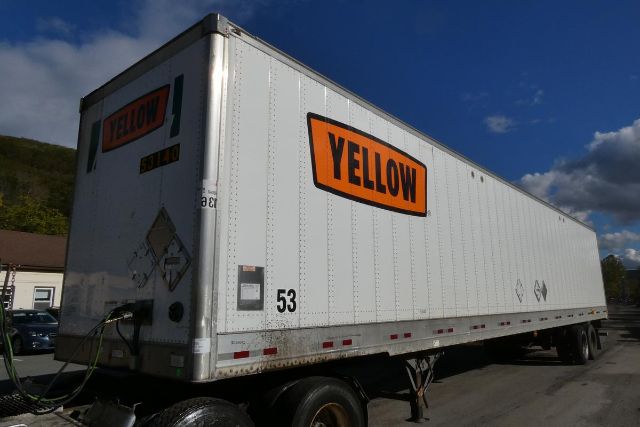
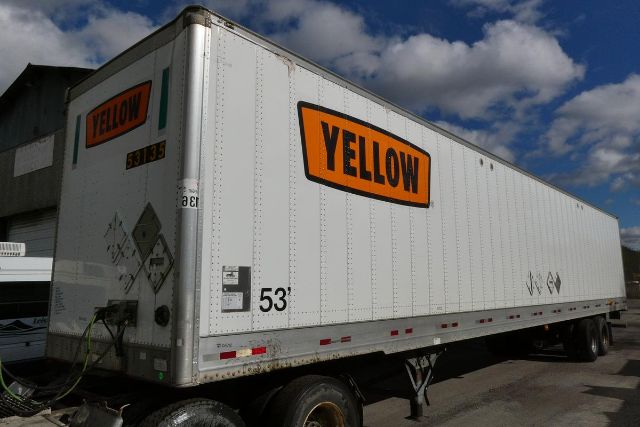
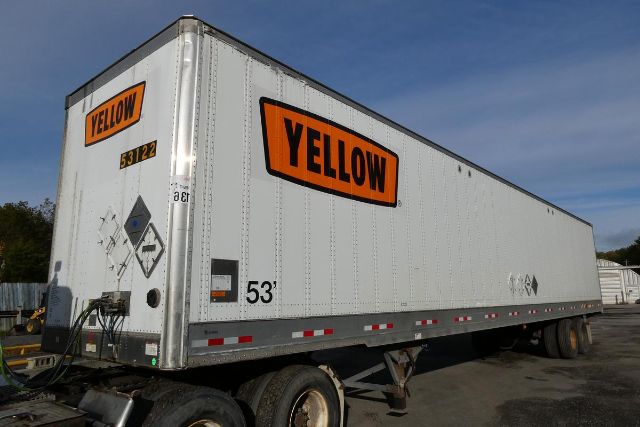
Showing 25 to 36 of 105 results
Have great dane van trailer to sell? List it here to reach thousands of buyers.
About Great Dane Van Trailers in Wisconsin
Construction details deserve close attention on a used Great Dane van. Many units are aluminum vans, often with a wood floor, aluminum scuff plate, threshold plate, and either plywood or aluminum interior lining. Those specs directly affect how the trailer holds up in forklift service. Aluminum lining and scuff protection are valuable if the trailer has seen repeated dock loading, while a solid wood floor remains the standard for mixed pallet freight because it is repairable and familiar to most fleets. Buyers should also inspect the door frame, rear header, crossmembers, side posts, and roof condition, especially on older P-Series trailers that may have spent years in high-cycle regional service.
Suspension, tire, and running gear specs can make as much difference as the box itself. Air ride is common on Great Dane dry vans and is preferred for ride quality and cargo protection, particularly on electronics, packaged foods, and higher-value retail freight. Sliding tandems are standard for operational flexibility, but buyers should check slider rail wear, locking pin engagement, and overall alignment. Common setups include 22.5 low-profile tires on disc wheels, and some trailers are equipped with tire inflation systems that can reduce irregular wear and roadside downtime. In a state like Wisconsin, where freeze-thaw cycles, road salt, and seasonal weight concerns can be tough on equipment, it is smart to examine the suspension hangers, brake components, wheel ends, and underside corrosion before making a decision.
Great Dane dry van trailers are often chosen by fleets that want a straightforward, proven van for general freight rather than a highly specialized trailer. Swing doors remain the most common rear door style for full dock access and durability, while features like translucent roofs and front vents can improve interior visibility and airflow depending on the application. The right trailer comes down to freight profile, loading frequency, empty weight targets, and maintenance history. Buyers comparing Great Dane van trailers for sale should focus on lining type, floor condition, suspension spec, tandem travel, and structural integrity, because those factors usually matter more in day-to-day service than model year alone.
Frequently Asked Questions
What are the most common specs on a Great Dane van trailer?
Most Great Dane van trailers in this category are 53 feet long, 102 inches wide, and 13 feet 6 inches high. Common dry van specs include aluminum construction, a wood floor, swing doors, air ride suspension, and a sliding tandem. Many also have interior plywood or aluminum lining, aluminum scuff plates, threshold plates, and 22.5 low-profile tires. These specs are popular because they fit standard dock operations and general freight applications across regional and over-the-road service.
Is a Great Dane P-Series a good choice for general dry freight?
Yes. The Great Dane P-Series is widely used for general dry freight because it offers a practical combination of structural durability, serviceable components, and broad parts familiarity. It is well suited for palletized goods, retail freight, paper products, packaged materials, and other non-temperature-controlled cargo. The most important factor on a used P-Series is not just the badge or model name but the trailer's floor condition, wall lining, rear frame integrity, suspension health, and maintenance history.
What should I inspect first on a used Great Dane dry van trailer?
Start with the floor, roof, sidewalls, rear frame, and tandem slider system. A worn floor can be expensive to repair and directly affects forklift use. Roof damage or leaks can compromise freight and lead to hidden wall deterioration. The rear door frame and threshold area often show stress from repeated loading cycles. On the running gear side, inspect suspension components, brakes, wheel ends, tires, and slider rails for wear, corrosion, or alignment issues. On Wisconsin trailers, underside rust and salt exposure should be part of every inspection.
What is the advantage of air ride suspension on a van trailer?
Air ride suspension improves ride quality and helps protect sensitive or high-value freight from road shock. It is a common choice for dry van fleets hauling consumer products, electronics, packaged foods, and mixed pallet freight. Air ride can also help reduce trailer vibration and cargo movement compared with more basic suspension types. Buyers should still inspect airbags, valves, shocks, and suspension geometry, because the benefit of air ride depends on the condition of the system.
Why does interior lining matter on a Great Dane van trailer?
Interior lining affects trailer durability, freight protection, and repair cost. Plywood lining is common and can provide impact resistance in normal dock service. Aluminum lining is often preferred in harder-use applications because it stands up well to repeated contact from pallets and forklifts. A trailer with aluminum scuff liners or wall protection may hold up better in high-cycle freight operations. Buyers should match lining type to the freight being hauled and look for punctures, separation, or signs of previous repairs.