
2021 Van Trailers For Sale in Georgia
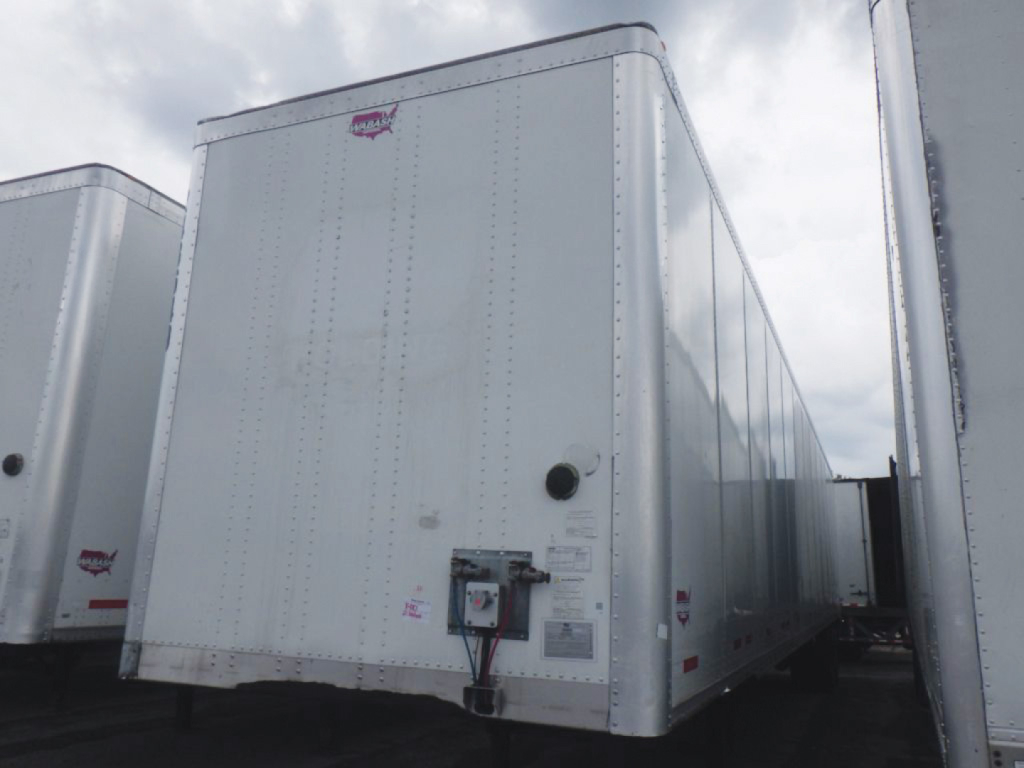
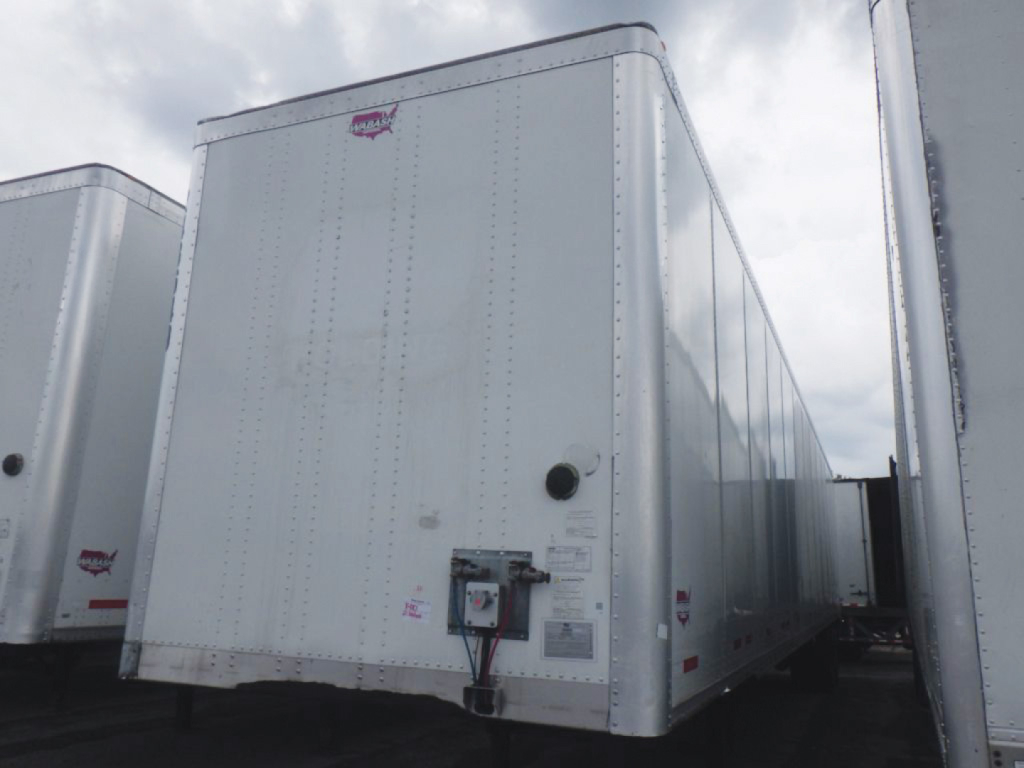
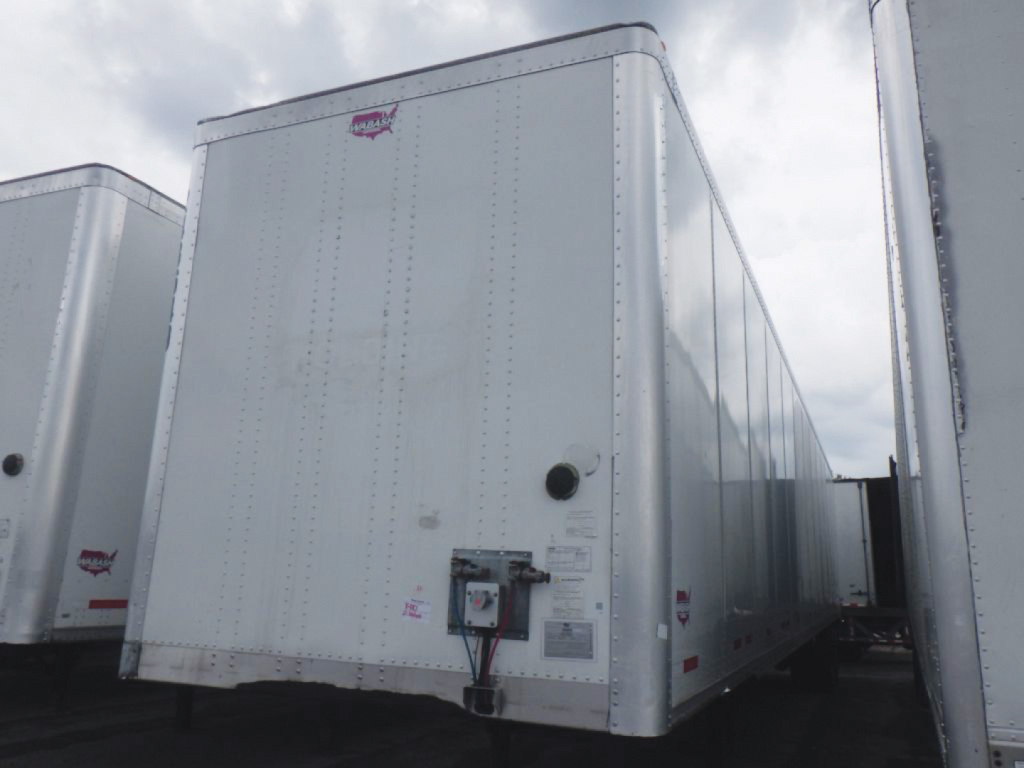
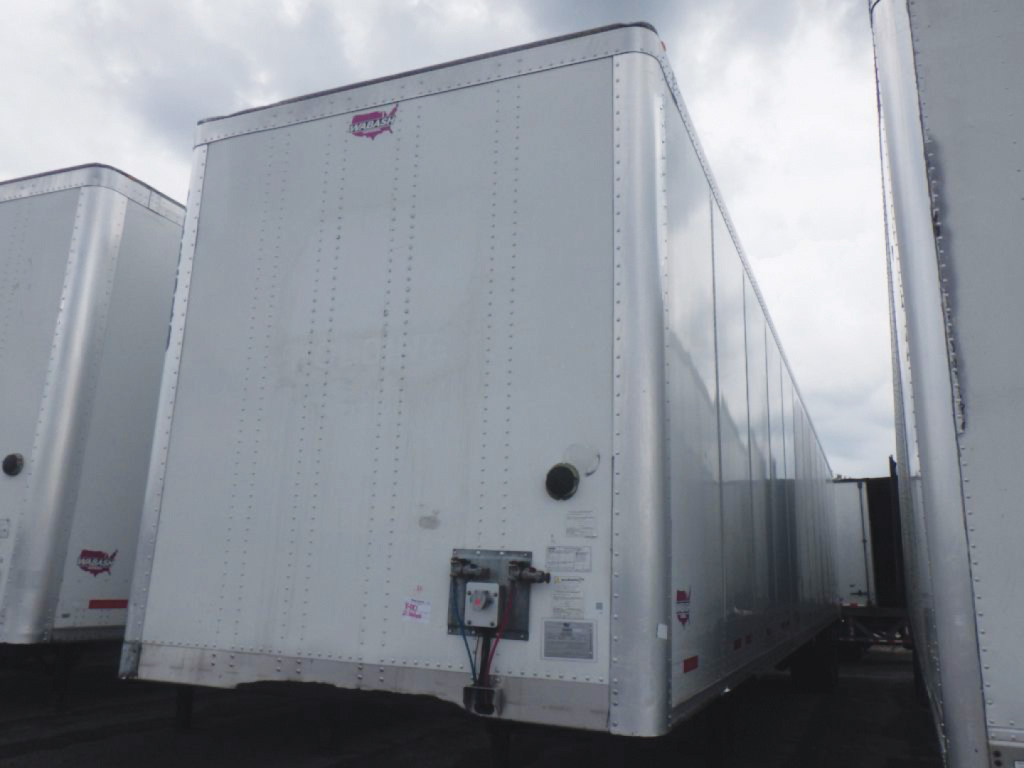
Shop 2021 van trailers for sale in Georgia. Compare 53-foot dry vans with air ride, sliding tandems, logistics posts, and swing doors.
Learn more
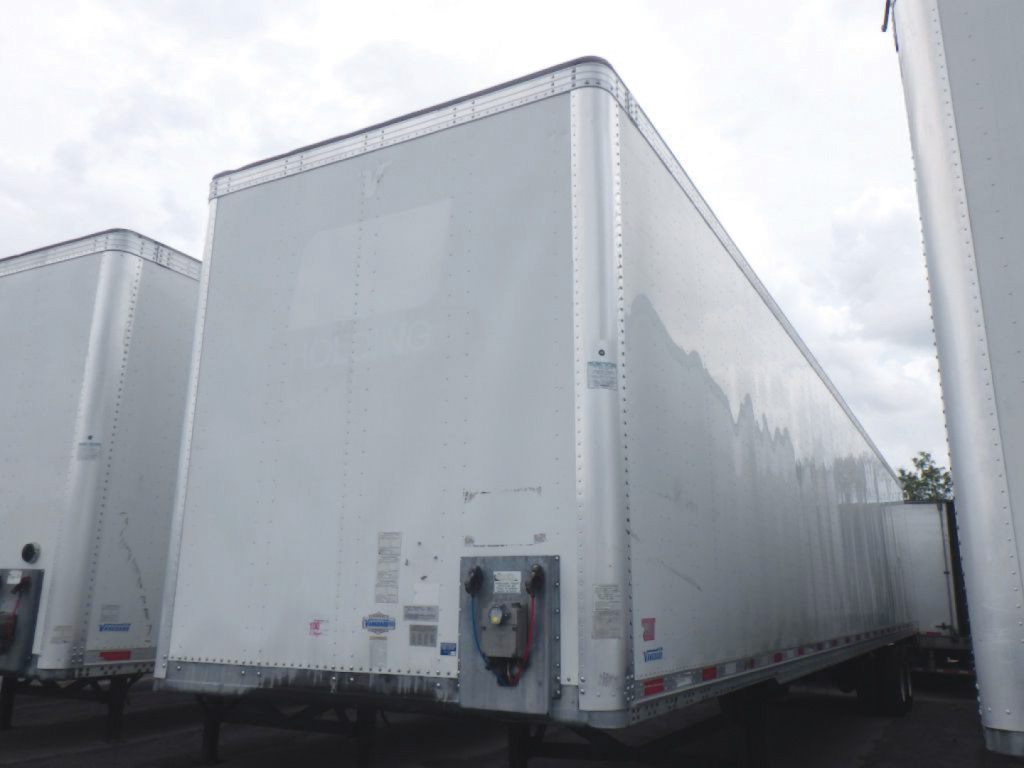
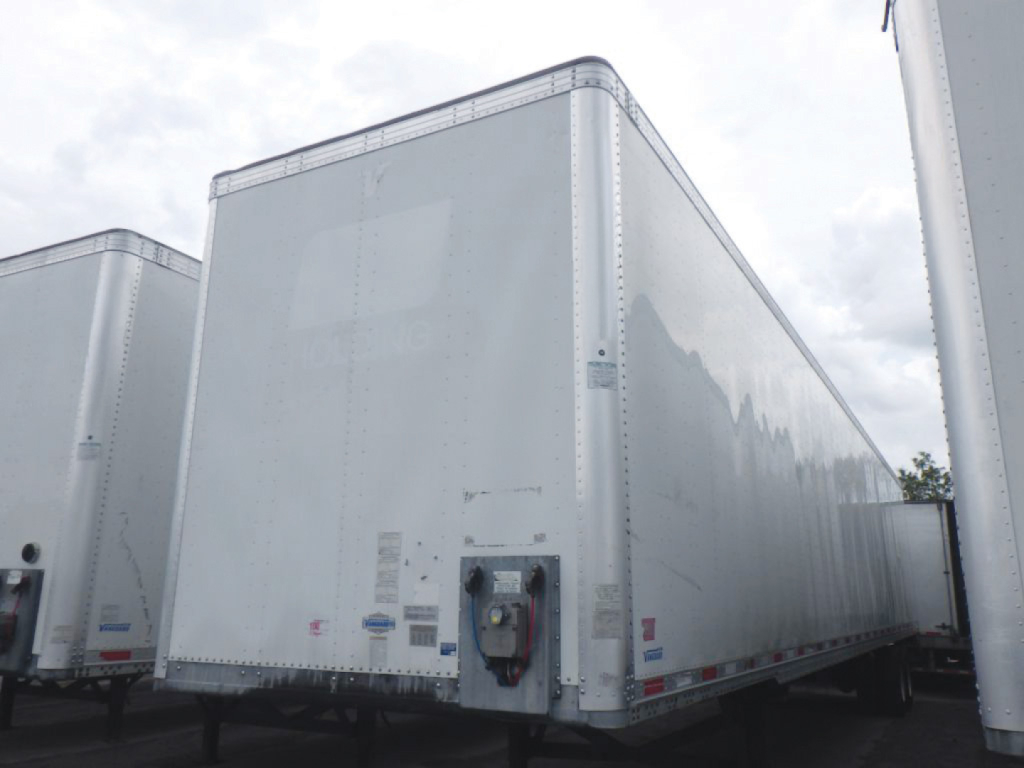
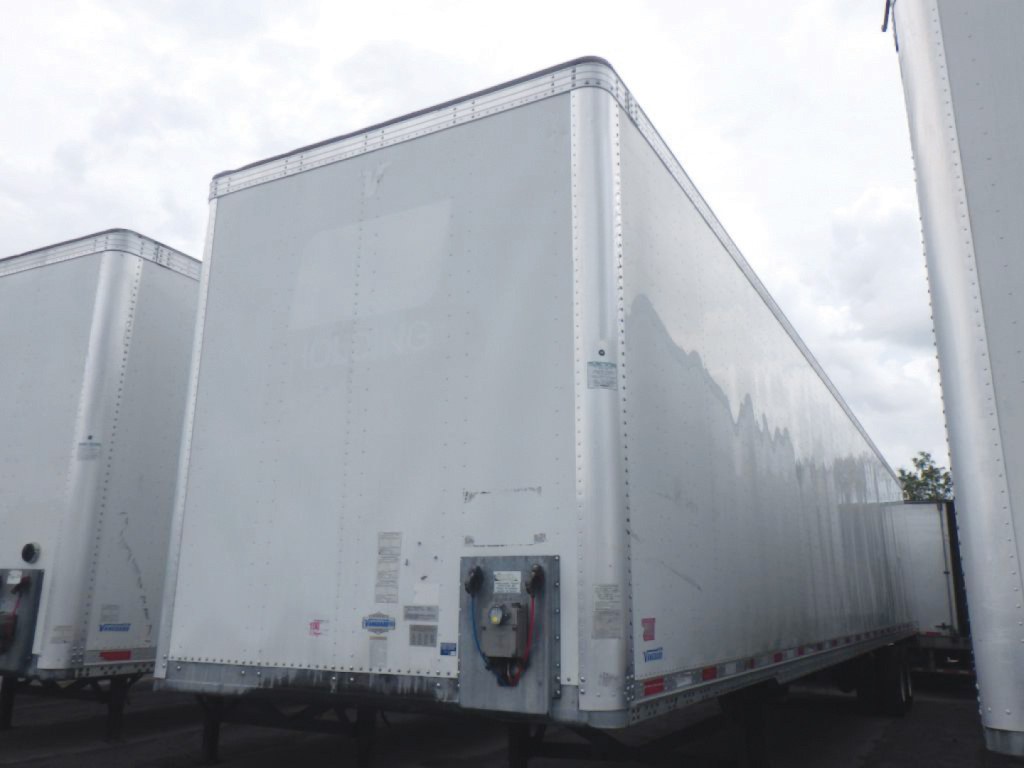
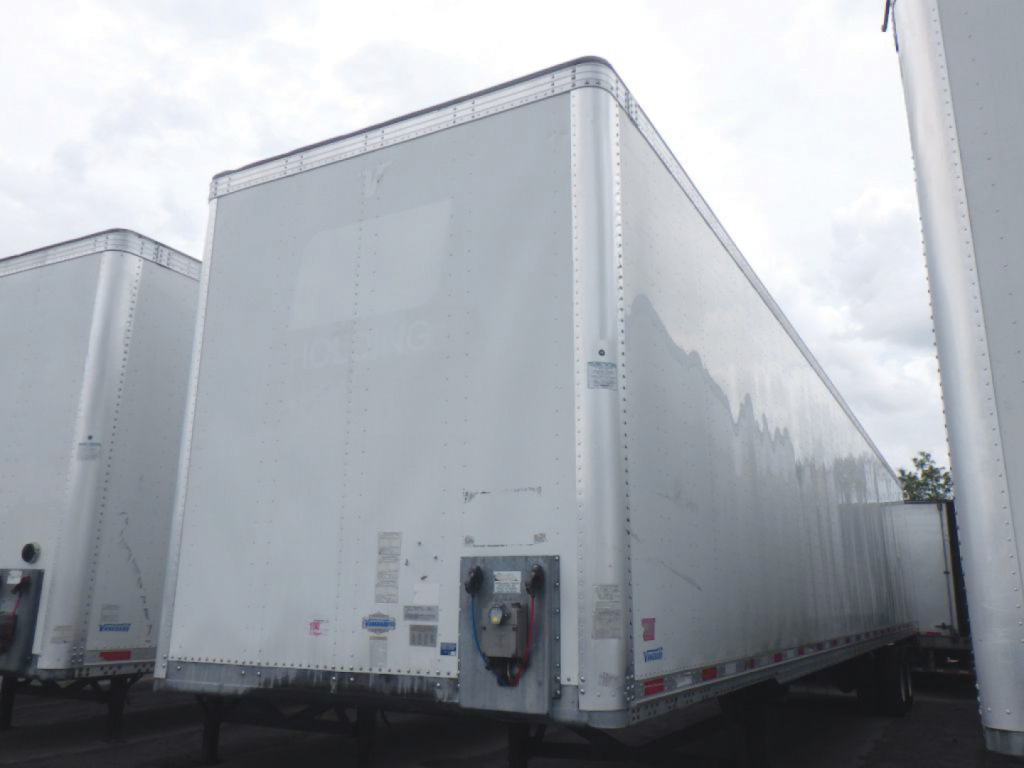
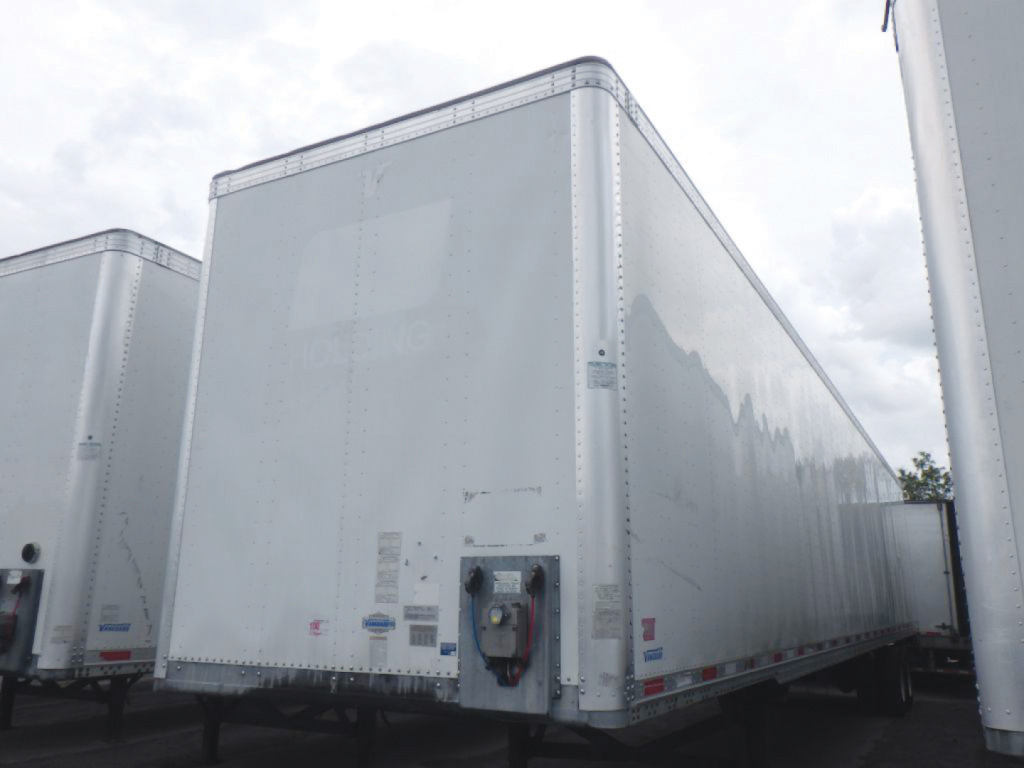
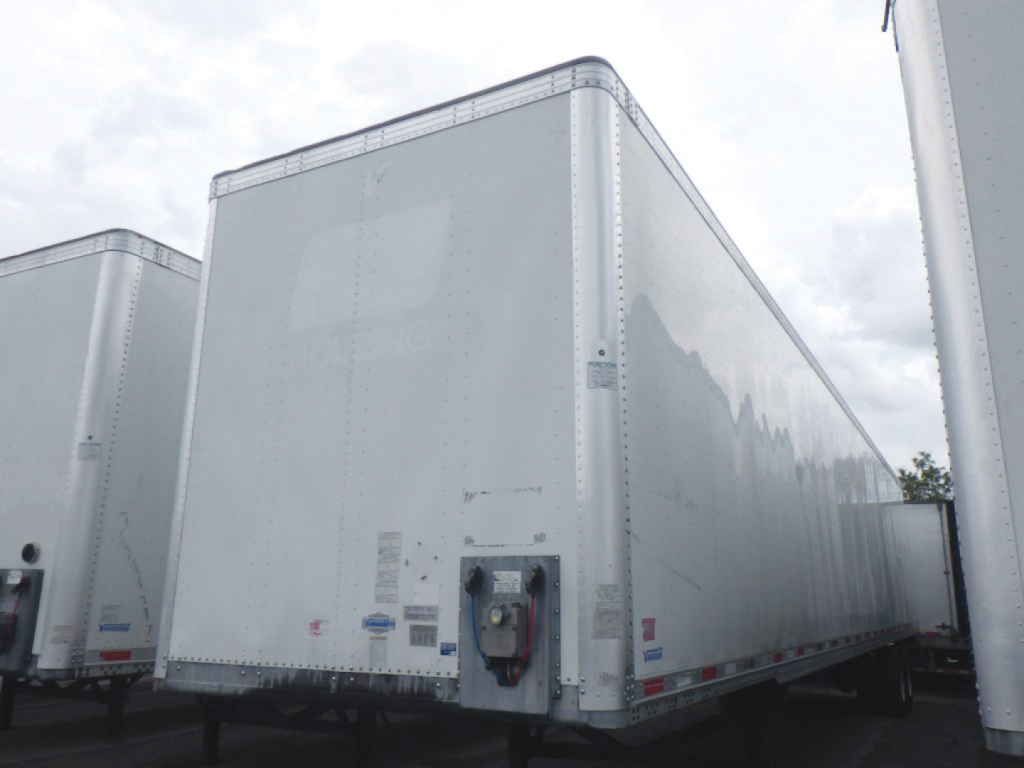
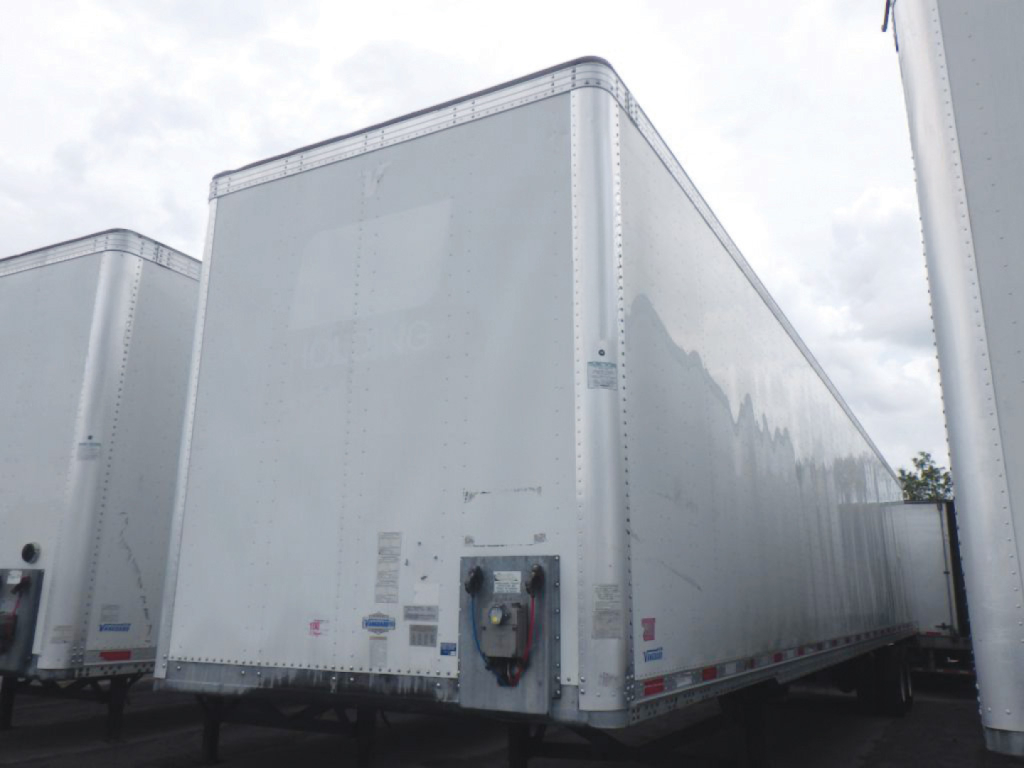
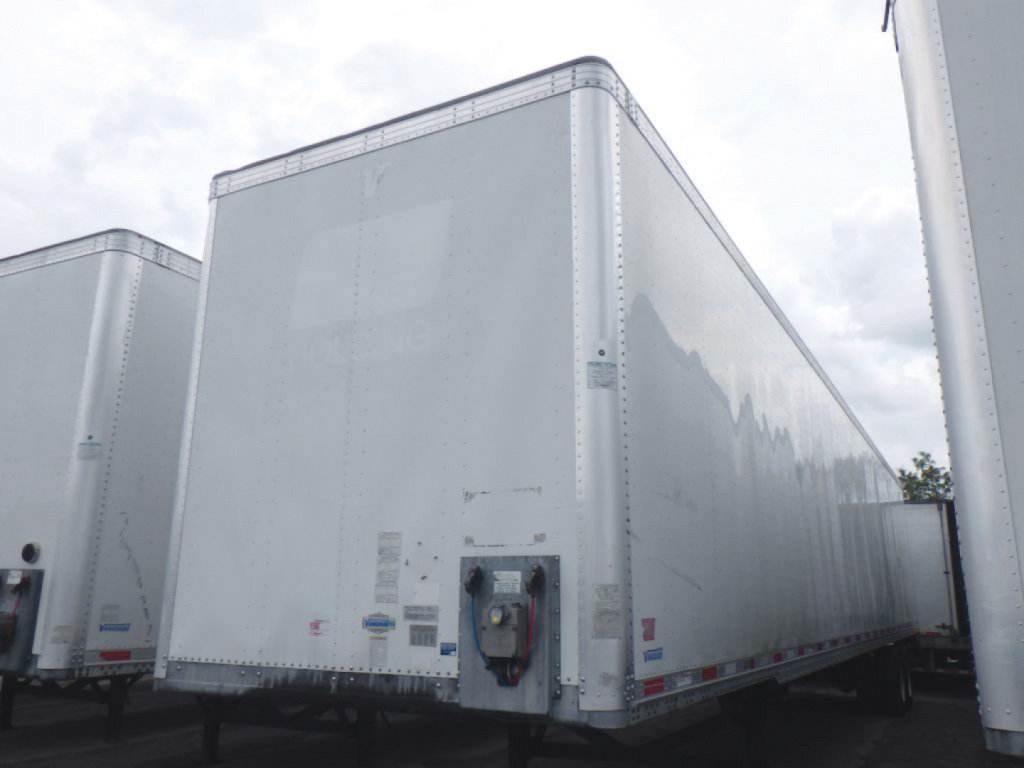
Have 2021 van trailer to sell? List it here to reach thousands of buyers.
About 2021 Van Trailers in Georgia
Many 2021 van trailers in this class are built with aluminum or composite sidewall construction and a wood floor, often paired with scuff liners or scuff plates, threshold plates, and full logistics posts. That combination matters if the trailer will handle repeated forklift traffic and mixed freight. Composite lining can help protect the interior walls from pallet strikes, while logistics tracks or E-track add flexibility for load bars, straps, and decking. Swing doors remain common on linehaul and drop-and-hook operations because they are durable and simple, while roll-up doors can be useful in certain route delivery applications but may reduce inside rear opening height.
Running gear and tire package deserve close review on a used 2021 dry van. Air ride suspension is preferred by many fleets for ride quality and cargo protection, and low-profile 22.5 tires are common in this segment. Sliding tandems should move freely and lock correctly, especially if the trailer will run across multiple states or into congested metro freight lanes around Atlanta, Savannah, Macon, or Columbus. Tire inflation systems can reduce roadside downtime and help maintain casing life, and disc wheels are widely seen on newer-spec vans. Also verify kingpin setting, crossmember condition, roof integrity, brake life, and signs of floor rot or heavy patchwork at the rear impact zone.
A 2021 model year van trailer can offer a useful middle ground between acquisition cost and late-model spec. It is new enough that many units still reflect current fleet preferences such as logistics-ready interiors, composite lining, aerodynamic side skirts on some specs, and fleet-standard dimensions that work across most dry van freight networks. For a buyer comparing multiple listings, the real value is in matching the trailer's interior protection, suspension, door style, and securement setup to the freight it will haul every week, not just choosing by age or price alone.
Frequently Asked Questions
What are the most common specifications on a 2021 van trailer?
The most common 2021 van trailer spec is a 53-foot dry van that is 102 inches wide and 13 feet 6 inches tall, usually with air ride suspension, a sliding tandem, low-profile 22.5 tires, and either swing or roll-up rear doors. Many also include a wood floor, scuff plate or composite lining, and logistics posts or E-track for cargo securement. These specifications match standard dock heights and freight dimensions used by most regional and over-the-road carriers.
Is a 2021 van trailer a good choice for general freight in Georgia?
Yes. A 2021 dry van is well suited for Georgia freight because it fits the common demands of retail distribution, warehouse transfers, packaged goods, and palletized dry freight moving through Atlanta, Savannah, and the broader Southeast. A sliding tandem is especially useful for bridge compliance and weight distribution, and air ride helps protect cargo on mixed highway and urban routes. The key is making sure the interior and floor condition match the level of forklift use the trailer has already seen.
What should I inspect first on a used 2021 van trailer?
Start with the floor, rear frame area, suspension, brakes, and tandem slide. On van trailers, the wood floor and rear threshold area often show the most wear from forklift traffic, pallet impact, and moisture exposure. After that, inspect the roof for leaks, the sidewalls for bulging or liner damage, the doors for proper seal and alignment, and the kingpin and landing gear for structural wear. A clean late-model trailer can still have expensive deferred maintenance if these areas are overlooked.
What is the difference between logistics posts, E-track, and scuff liners in a van trailer?
Logistics posts and E-track are load securement systems, while scuff liners or scuff plates are interior wall protection. Logistics posts give carriers flexibility to place load bars and secure freight at different heights along the trailer wall. E-track serves a similar purpose and is commonly used with straps, shoring beams, and decking accessories. Scuff liners do not secure cargo, but they help reduce wall damage from pallets and forklifts, which can matter a lot in high-turn freight operations.
Should I choose swing doors or a roll-up door on a van trailer?
For most linehaul and dock-based freight, swing doors are the standard choice because they are durable, simple to maintain, and preserve full rear opening height. A roll-up door can be useful on route delivery or frequent-stop applications where quick access matters, but it adds moving parts and can reduce usable rear opening clearance. The right choice depends on how often the trailer will be loaded at docks versus hand-unloaded or used in multi-stop service.