
2012 Van Trailers For Sale in New York
Browse 2012 van trailers for sale in New York. Compare dry van specs, lengths, axle setups, door types, and condition before you buy.
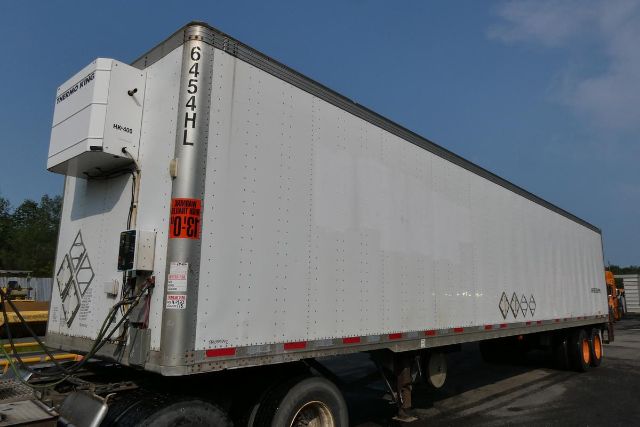
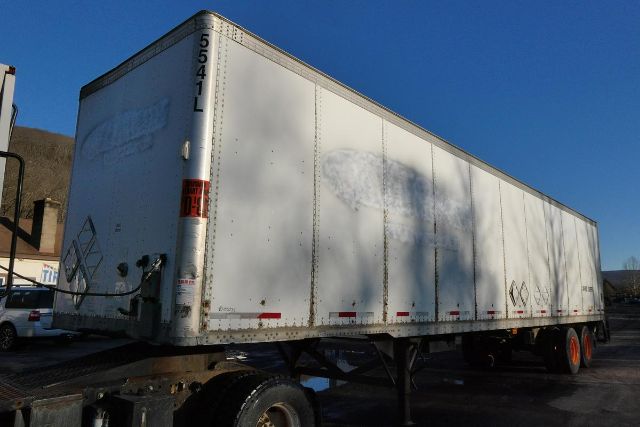
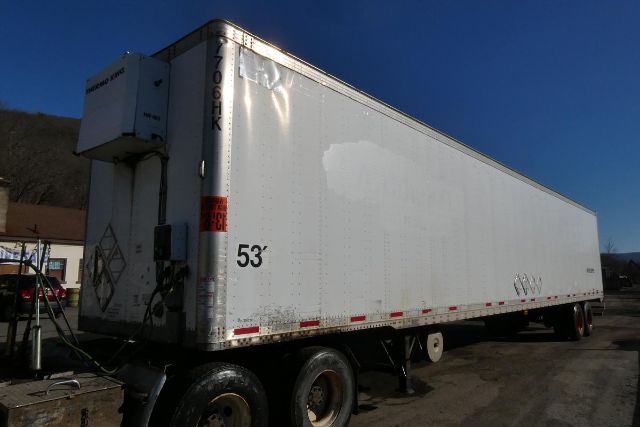
Have 2012 van trailer to sell? List it here to reach thousands of buyers.
2012 Van Trailers in New York
The most common configuration in this category is a 53-foot dry van trailer, also known as an enclosed van or box trailer, with 102-inch outside width, swing or roll-up rear doors, air ride or spring suspension, and a tandem slider. A 2012 model may be built with aluminum, steel, or composite panel construction, and many have wood floors over steel crossmembers. Buyers should confirm inside height and rear door opening if the trailer will handle taller cube freight, carts, or specific customer freight requirements. In the Northeast, slider position flexibility is especially important because bridge law, axle scaling, and tight urban delivery conditions can all affect trailer selection.
A buyer comparing 2012 van trailers should pay close attention to maintenance-sensitive items that become more important with age. Check for floor soft spots from forklift traffic, delamination or patched sidewalls, water intrusion around the front wall and roof seams, and damage at the rear sill from dock impact. Suspension type affects ride and maintenance cost, while tire size, wheel-end condition, brake wear, and ABS function directly affect road readiness. Door choice also matters. Swing doors are simple and common for dock freight, while roll-up doors can help in tight spaces but add maintenance around tracks, springs, and header clearance.
For New York operations, a 2012 van trailer can still be a strong fit for short-haul, warehouse transfer, export freight, seasonal surge capacity, or dedicated shipper lanes if the trailer has been maintained correctly. Buyers should verify registration and inspection requirements, confirm VIN plates and federal labels are intact, and inspect for corrosion from Northeast weather exposure. If the trailer will spend time in dense metro freight lanes, look closely at overall height, landing gear condition, ICC bumper damage, and signs of repeated dock contact. The right 2012 dry van trailer still delivers dependable enclosed capacity, but the best value comes from matching trailer length, door style, suspension, and structural condition to the freight and lanes it will actually run.
Frequently Asked Questions about 2012 Van Trailers in New York
What should I inspect first on a 2012 van trailer?
Start with the structure. Inspect the floor for forklift damage and soft spots, check the roof and front wall for leaks, examine the rear frame and door surround for impact repairs, and confirm the tandem slider moves and locks correctly. Then review brakes, tires, wheel ends, suspension components, lights, and ABS operation. On a trailer of this age, structural and maintenance condition usually matter more than brand name alone.
Are 2012 dry van trailers still good for over-the-road use?
Yes, if the trailer has been maintained and the structure is sound. Many 2012 dry vans are still suitable for over-the-road freight, regional lanes, and dedicated contract work. The key is to confirm floor rating, door function, roof condition, brake system health, and legal axle adjustability. A well-kept 2012 unit can remain productive, but deferred maintenance can quickly erase any savings from a lower purchase price.
What length is most common for a 2012 van trailer?
The most common length is 53 feet, especially for general freight and dock-to-dock operations. Some fleets also run 48-foot or shorter vans for specialized lanes, weight-sensitive freight, or facilities with tighter yard conditions. In New York and the Northeast, a 53-foot trailer is standard for many carriers, but the best length still depends on delivery points, customer docks, and route restrictions.
Is a swing door or roll-up door better on a used van trailer?
It depends on the application. Swing doors are generally simpler, lighter, and easier to maintain, which makes them a common choice for linehaul and standard dock freight. Roll-up doors can be useful where space behind the trailer is limited, but they add moving parts and can reduce clear rear opening height. On a used 2012 trailer, door condition is more important than door style, so inspect hinges, seals, tracks, rollers, and header areas carefully.
What is the typical GVWR for a van trailer in this class?
Many van trailers in this class carry a 68,000-pound GVWR, especially tandem axle dry vans built for standard freight applications. Actual payload depends on trailer tare weight, axle configuration, and the legal limits on the routes it runs. Buyers should compare empty weight, floor construction, and suspension setup if payload and cube are both important to the operation.