
2012 Vanguard Van Trailers For Sale in New York
Shop 2012 Vanguard van trailers with specs buyers want: 48-53 ft lengths, swing or roll-up doors, air ride, slider tandems, and logistics-ready interiors.
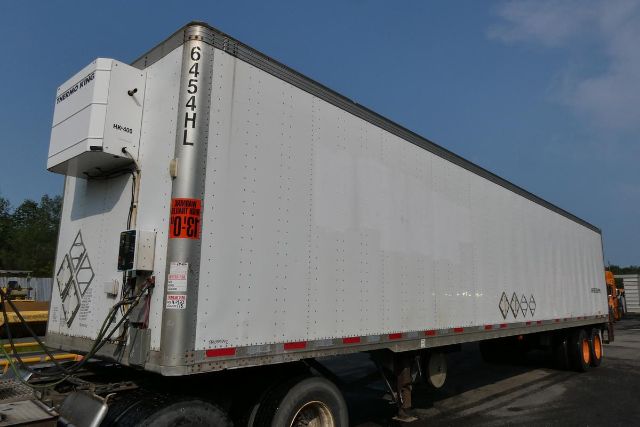
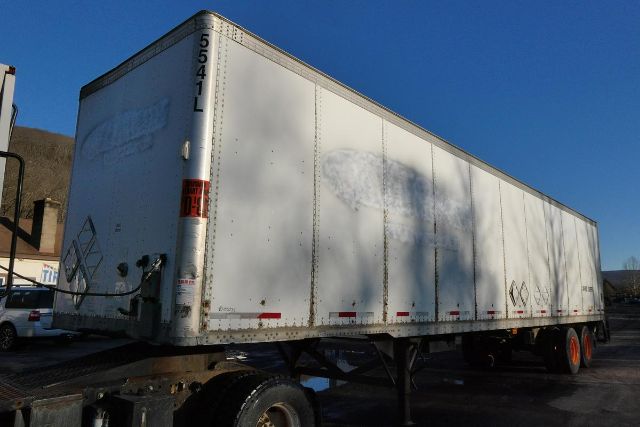
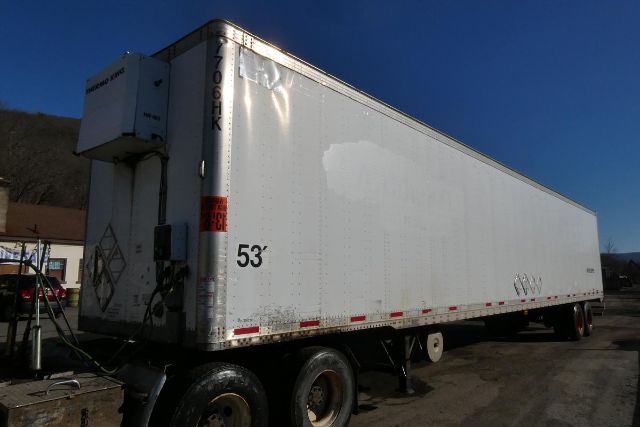
Have 2012 vanguard van trailer to sell? List it here to reach thousands of buyers.
2012 Vanguard Van Trailers in New York
On this age range, common specs include a 102-inch width, air ride suspension, air brakes, and slideable closed tandem axles rated around a 68,000-lb GVWR. Many Vanguard vans from this period run 11R22.5 tires with 10-bolt hub-piloted steel wheels, wood-over-steel flooring, and roll-up rear doors, although some units may be configured differently. Logistics posts or full logistics track, translucent or aluminum roofs, and tire inflation systems are also common features that matter in daily freight work. If the trailer will stay on multi-stop routes, a liftgate, roll-up door, and dock-friendly rear setup can be more valuable than shaving a few hundred pounds of tare weight.
Condition matters more than brand reputation alone on a used 2012 van trailer. Check the floor for forklift wear, delamination, and patched sections, especially in high-traffic dock areas. Inspect the rear frame, door surround, crossmembers, scuff liner condition, and roof bows for impact damage or signs of chronic water intrusion. On slider tandems, pay attention to locking pin operation, rail wear, and signs the suspension has seen uneven loading. The kingpin plate and upper coupler area should be examined closely for cracks, thin metal, poor repairs, or excessive wear, because those issues can turn a low-cost trailer into a shop project fast.
For New York operations, tandem slide range, bridge law compliance, and overall trailer height are worth confirming before purchase. A 2012 Vanguard dry van can be a strong match for general freight, retail, packaged goods, and dedicated contract lanes if the structure is straight and the maintenance history is solid. Buyers who prioritize long-term value usually focus on door seal condition, floor life remaining, tire system functionality, and how well the trailer’s specification matches the freight it will actually haul.
Frequently Asked Questions about 2012 Vanguard Van Trailers in New York
What should I inspect first on a used 2012 Vanguard van trailer?
Start with the floor, roof, rear frame, tandem slider system, and kingpin area. These are the areas that most often reveal hard use, water intrusion, forklift damage, or structural fatigue. A clean sidewall does not mean much if the floor is thin, the slider rails are worn, or the upper coupler has poor repair work. Also inspect door operation, brake components, tire condition, and suspension wear before focusing on cosmetic issues.
Are 2012 Vanguard van trailers typically available in both 48-foot and 53-foot lengths?
Yes. Vanguard dry van trailers from this era are commonly found in both 48-foot and 53-foot configurations, with 102-inch overall width being standard. The right length depends on your freight mix, shipper requirements, and state bridge considerations. A 53-foot van usually gives better cube for general dry freight, while a 48-foot trailer can still make sense in specific regional or dedicated applications.
Is a slideable tandem important on a dry van trailer?
For many fleets, yes. A slideable tandem gives you more flexibility for axle weight distribution, dock positioning, and compliance with state bridge laws. It is especially useful in regions where axle spacing and weight placement can affect legal routing. The system should move freely, lock correctly, and show no major rail damage or pin problems.
What features add the most value on a used Vanguard van trailer?
The most useful value-add features are usually logistics track, a sound wood-over-steel floor, air ride suspension, a working tire inflation system, and a rear door setup that matches your loading pattern. A liftgate can add major utility for final-mile or multi-stop work, while a translucent roof can improve interior visibility during loading. Buyers should value working components and structural condition above optional equipment that is expensive to repair or rarely used.