
2006 Van Trailers For Sale in New York
Shop 2006 van trailers for sale in New York. Compare 48' and 53' dry vans by specs, floor condition, tandem setup, door type, and weight.
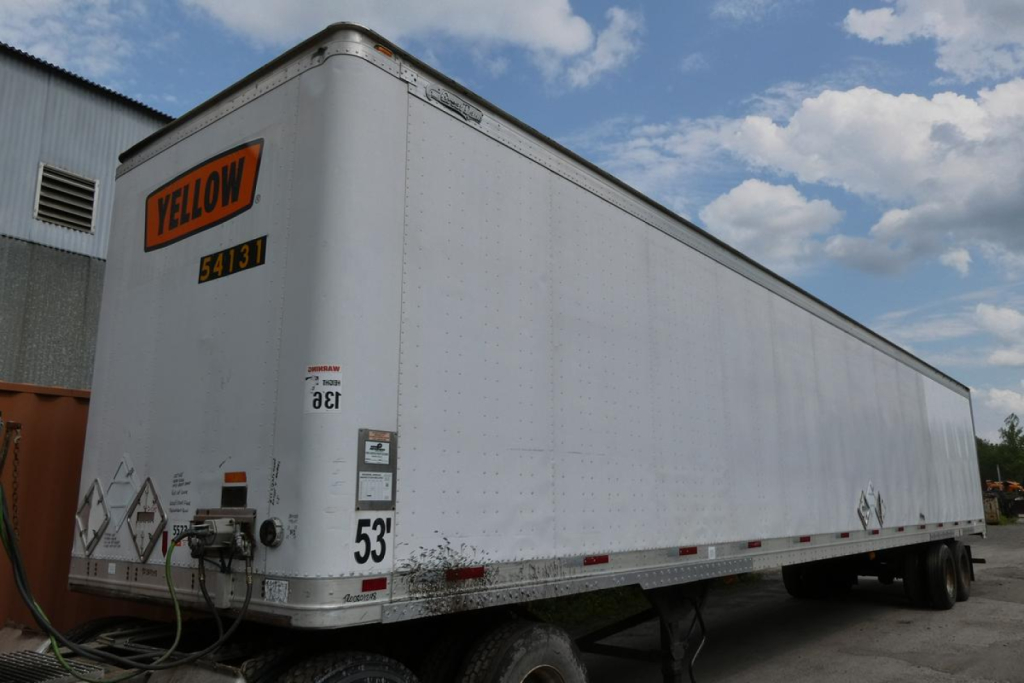
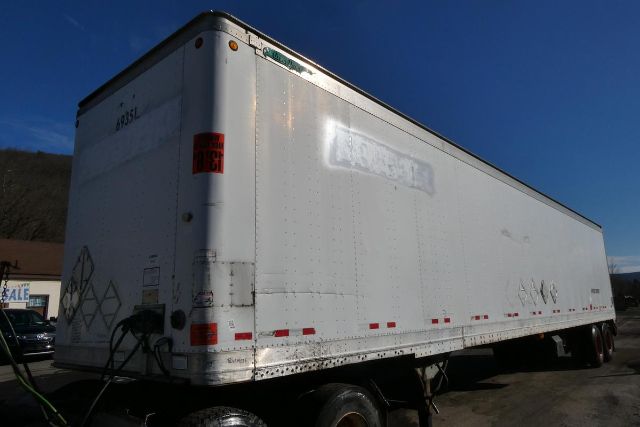
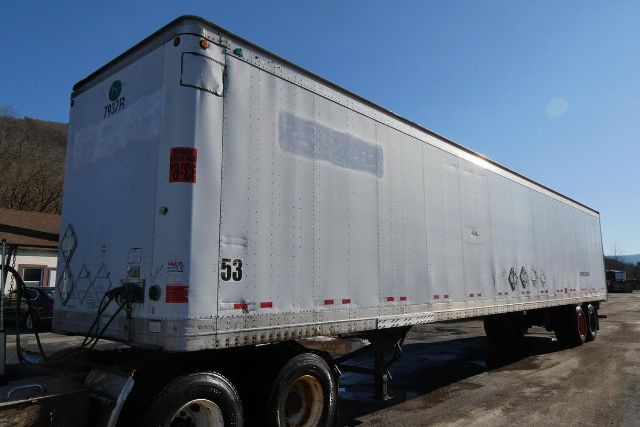
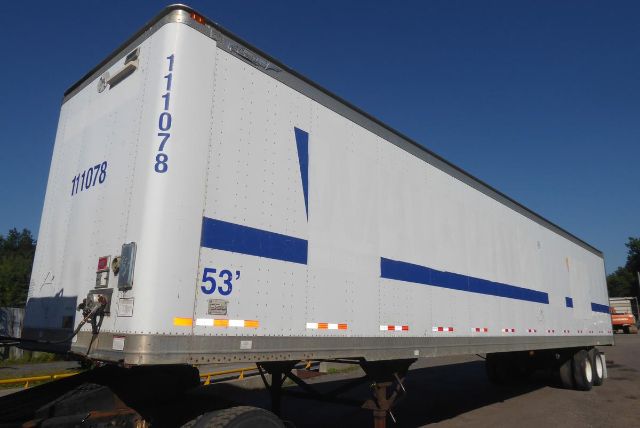
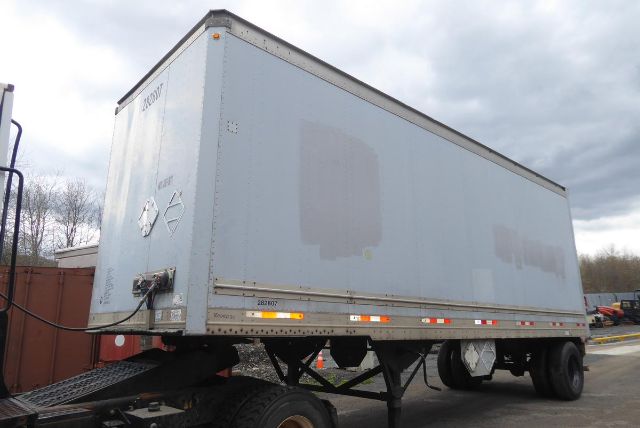
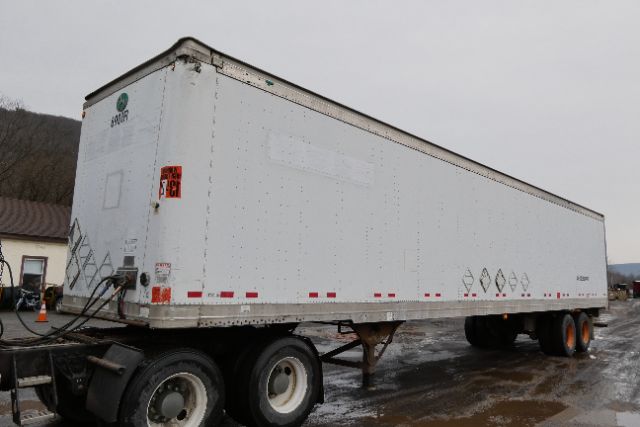

Have 2006 van trailer to sell? List it here to reach thousands of buyers.
2006 Van Trailers in New York
Construction matters more on an older dry van than headline GVWR. Aluminum roof skins, scuff liners, crossmember condition, side post integrity, and floor wear tell you more about the trailer's next five years than the spec sheet alone. A 2006 van trailer may have a wood floor or a wood-and-steel combination floor, and floor condition is critical if the trailer will see heavy forklift traffic. Roll-up doors are common on city and LTL-style applications because they save rear clearance at the dock, but swing doors can be lighter and simpler to maintain. Watch for signs of rear frame repairs, threshold plate wear, roof patching, and corrosion around the upper rail, crossmembers, and suspension hangers.
Axle configuration is another major separator in this category. Many buyers still prefer a slideable tandem for loading flexibility, bridge compliance, and weight distribution across different freight profiles. Fixed tandem or single axle van trailers can fit specific regional, pup, or doubles service, but they narrow the trailer's use case. Common specs on older dry vans include air brakes, spring or air ride suspension, 22.5 low-profile or 11R22.5 tire sizes, and steel hub-pilot wheels. Empty weight also matters on a 2006 model because heavier older trailers cut into payload and fuel efficiency, especially on multi-stop freight or long-haul lanes where every pound counts.
For buyers comparing used 2006 van trailers, the smart approach is to match the trailer to the freight and loading environment. A warehouse shuttle trailer may only need a sound floor, decent tires, and a dry box. Over-the-road service usually calls for better roof condition, straighter sidewalls, solid door hardware, and a tandem that slides properly. If the trailer will be used in New York and the broader Northeast, pay close attention to overall height, inside clearance, ICC bumper condition, lighting, brake wear, and how well the rear frame has held up to dock impact. A good 2006 dry van can still be a practical freight tool if the floor, doors, suspension, and structure are right.
Frequently Asked Questions about 2006 Van Trailers in New York
What should I inspect first on a 2006 van trailer?
Start with the floor, roof, rear frame, and suspension area. On a trailer of this age, structural condition usually matters more than published capacity. Check for soft or broken floor sections, patched roof leaks, bent crossmembers, cracked side posts, threshold plate wear, and corrosion around spring hangers or air ride components. Rear door operation and evidence of repeated dock impact are also important because they affect daily usability and repair cost.
Is a 48-foot or 53-foot 2006 dry van better?
It depends on the freight and lane. A 53-foot van trailer gives more cube and is the standard choice for general long-haul and distribution freight. A 48-foot trailer can still make sense for regional work, certain dedicated accounts, and operations where maneuverability or dock space is tighter. The better choice is the one that fits your freight profile, loading docks, and state bridge requirements without adding unnecessary empty weight.
Why does tandem type matter on an older van trailer?
A slideable tandem adds flexibility for axle weight distribution and bridge compliance, which is especially useful when freight weight changes from load to load. It can also help position the trailer better at different docks and in different states. A fixed tandem or single axle setup may be fine for a narrow application, but it reduces versatility. On a 2006 model, make sure the slider rails, pins, and locking mechanism still operate correctly and are not badly worn.
Are roll-up doors better than swing doors on a used van trailer?
Roll-up doors are popular for city delivery, LTL, and tight dock environments because they do not need clearance behind the trailer to open. They are convenient, but the tracks, springs, and panels add components that wear over time. Swing doors are mechanically simpler and can be lighter, but they need space to open and can be less convenient in crowded yards. On an older trailer, condition matters more than style. The door should seal well, open smoothly, and show no major frame distortion.
Can a 2006 van trailer still work for over-the-road freight?
Yes, if the box is dry, the structure is sound, and the running gear is in serviceable condition. Many older dry vans remain useful in over-the-road, regional, warehouse shuttle, and storage roles. The key is to verify floor strength, roof integrity, brake system condition, tire age and wear, suspension health, and overall straightness of the trailer. A well-maintained 2006 van trailer can still be productive, but deferred structural repairs can quickly outweigh the purchase savings.