
2006 Van Trailers For Sale
Browse 2006 van trailers, including dry van specs, common dimensions, suspension, door, floor, and lining options for freight hauling.
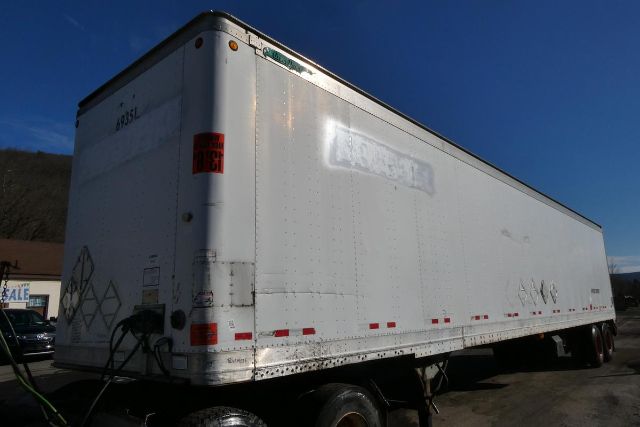
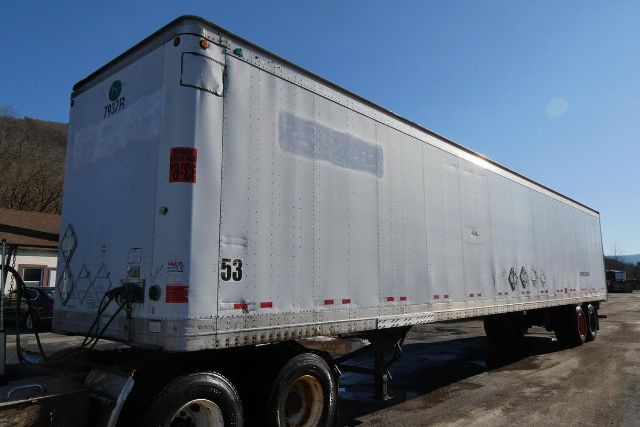
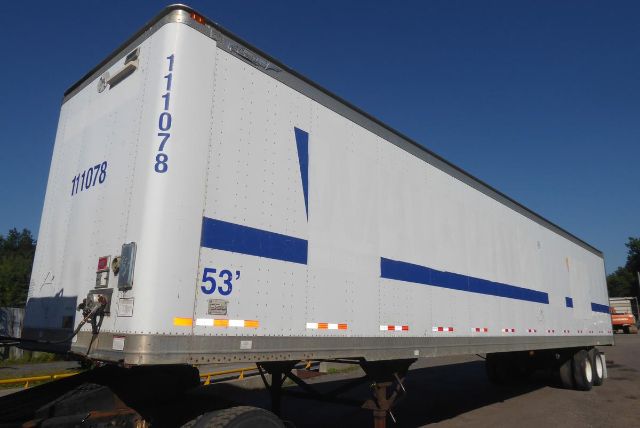
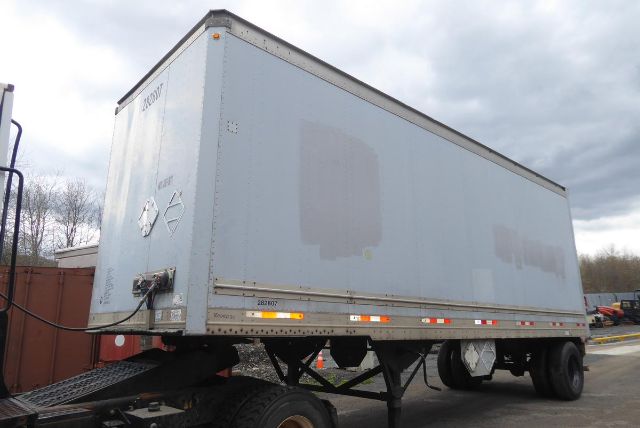
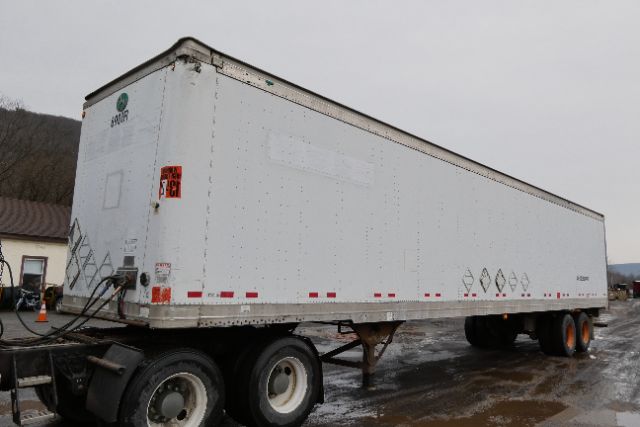

Showing 1 to 24 of 28 results
Have 2006 van trailer to sell? List it here to reach thousands of buyers.
2006 Van Trailers
Construction details can vary quite a bit on 2006 dry vans. Some were built with aluminum roofs, sheet-and-post sides, hardwood floors, and steel rear frames, while others used plated or composite wall designs with scuff liners and logistics posts. Buyers should pay close attention to the interior if the trailer will handle palletized freight, food-grade packaged goods, retail freight, or mixed LTL cargo. Worn scuff plates, damaged lining, soft floor sections around forklift traffic zones, and patched roof bows can all affect serviceability. Door style also matters. Swing doors are common and simple to maintain, while roll-up doors can be useful in route delivery or liftgate applications but may reduce rear opening height and add maintenance points.
Running gear and compliance are usually the biggest purchase decision on a 2006 van trailer. Air ride suspension is common and preferred for ride quality and freight protection, while spring ride may still appear on some older specifications. Sliding tandems add flexibility for bridge law compliance and dock positioning, but buyers should inspect rail wear, pin engagement, and signs of seized or neglected slider components. Brake type may be drum in most cases for this year, though some units may have been updated. Tire size is typically 22.5 low-profile, and wheel material can be steel or aluminum depending on original spec and later replacements. Check kingpin wear, crossmember condition, landing gear operation, ABS status, and the DOT history if the trailer is intended for over-the-road service.
A well-maintained 2006 van trailer can still fit private fleet use, seasonal surge capacity, storage applications, local shuttle work, and dedicated short-haul freight. It is less about chasing lightweight specs and more about buying structural soundness and matching the trailer to the freight. For heavier forklift loading, a strong floor and healthy crossmembers matter more than appearance. For longer highway lanes, aerodynamics, door seal condition, and suspension quality become more important. Buyers comparing multiple listings should focus on maintenance records, prior fleet use, accident repairs, lining configuration, and any recent work to brakes, tires, floor, roof, or rear frame.
Frequently Asked Questions about 2006 Van Trailers
What should I inspect first on a 2006 van trailer?
Start with the floor, roof, rear frame, suspension, and tandem slider. On a trailer of this age, structural condition is usually more important than brand name. Look for soft or broken floor sections, leaking roof seams, corrosion or cracking around the rear frame, worn suspension components, and slider rails or locking pins that show excessive wear or poor maintenance. A close inspection of the kingpin area and crossmembers is also important before putting an older van back into regular service.
Are 2006 dry van trailers still suitable for over-the-road freight?
Yes, many are still suitable if they have been maintained properly and meet current safety requirements. A 2006 dry van can still handle general freight, palletized goods, and distribution work if the brakes, tires, ABS, suspension, doors, and structure are in sound condition. Buyers should verify DOT compliance, inspect for water intrusion, and confirm that the trailer's floor rating and interior configuration match the intended cargo.
What dimensions are most common on a 2006 van trailer?
The most common setup is 53 feet long, 102 inches wide, and 13 feet 6 inches high. Some 48-foot trailers are also found, especially in older regional or private fleet operations. Interior height can vary slightly by manufacturer and roof design, so buyers moving taller pallet stacks or high-cube freight should confirm inside clearance rather than relying only on outside dimensions.
Which features add the most value on an older van trailer?
Air ride suspension, a solid hardwood floor, a clean and dry roof, logistics posts or track, sound swing doors, and a well-functioning sliding tandem usually add the most practical value. Recent brake and tire work can also make a major difference in near-term operating cost. On older trailers, corrosion resistance in the rear frame and threshold area is especially valuable because those are common high-wear zones.
Is a 2006 van trailer a good fit for storage or local shuttle use?
It can be an excellent fit for those applications. Many buyers use older dry vans for yard storage, plant shuttles, short regional lanes, or seasonal overflow because the lower purchase cost can make sense when high annual mileage is not the priority. For storage use, weather tightness, door function, and floor condition are the main concerns. For shuttle work, pay closer attention to landing gear, brakes, suspension, and repeated dock impact wear.