
Used Vacuum Trailers For Sale in Texas

Have used vacuum trailer to sell? List it here to reach thousands of buyers.
Used Vacuum Trailers in Texas
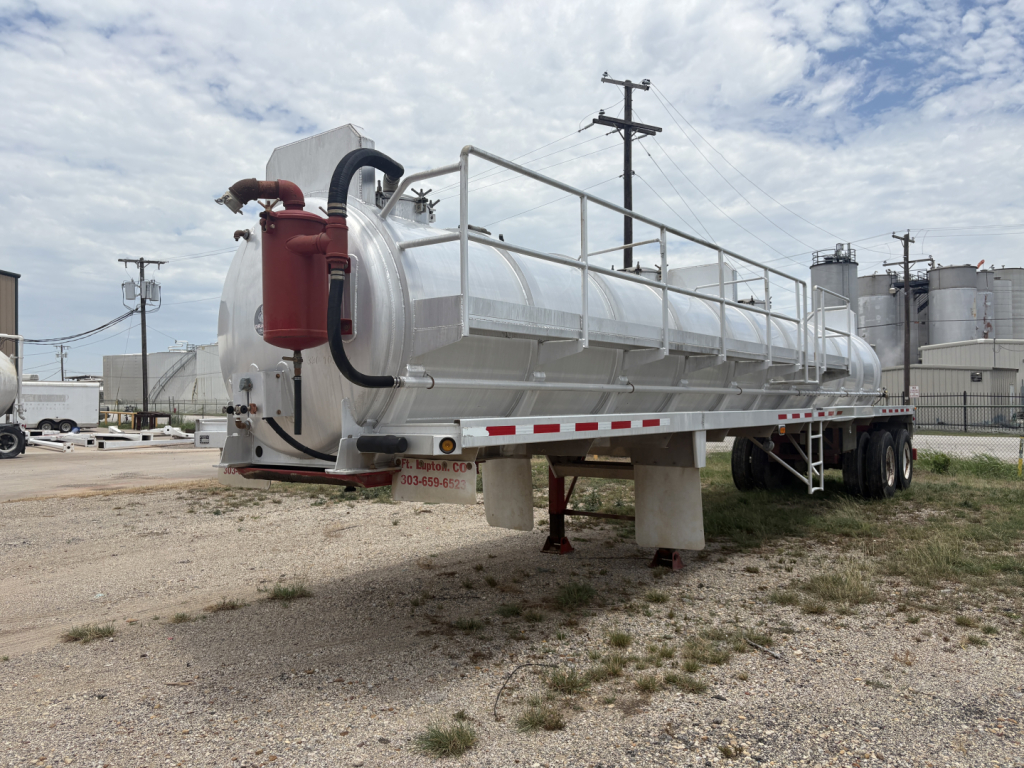
A common size in this category is a 150 BBL vacuum transport trailer, which works out to roughly 6,300 gallons. That capacity is popular for oilfield and fluid transport because it balances legal payload concerns with useful volume. Aluminum tanks are widely preferred when weight matters, while steel may be chosen for tougher applications or when the product being hauled calls for a different tank spec. Look closely at the barrel rating, actual gallon capacity, tank thickness, and whether the trailer is set up for straight vacuum service, pressure discharge, or both. Rear blowdown, multiple discharge valves, and accessible plumbing matter if the trailer will be switching between locations and products.
Running gear and serviceability are just as important as tank spec on a used unit. Air ride suspension is common on vacuum trailers because it helps protect the trailer and improve stability on rough lease roads and uneven plant entrances. Tire size, axle rating, brake condition, suspension wear, and frame integrity all deserve a careful inspection. Walkways, ladder design, valve placement, and overall access points affect safety and turnaround time on the job. Buyers in Texas should also pay attention to DOT compliance items, lighting, and the condition of hoses, seals, and manways, especially on trailers that have spent years in oilfield rotation.
The best used vacuum trailer is the one matched to the material being hauled, the roads it will run, and the unloading method required by your customers. If the work involves production fluids, drilling waste, septic, or industrial liquids, confirm compatibility with the tank interior, pump system, and discharge setup before buying. Ask about prior service use, maintenance records, and any repairs to the shell, subframe, or suspension. On this category, condition is not just cosmetic. A clean inspection on the tank, valves, suspension, and pressure-related components usually tells you more than paint or model year alone.
Frequently Asked Questions about Used Vacuum Trailers in Texas
What size vacuum trailer is most common for oilfield work in Texas?
A 150 BBL vacuum trailer is one of the most common sizes for Texas oilfield service because it offers about 6,300 gallons of capacity and fits many fluid hauling applications without moving into a much larger, less flexible unit. That size is often used for production fluids, saltwater, sludge, and similar waste streams. The right capacity still depends on product weight, route restrictions, and how often the trailer needs to load and unload in a single shift.
Is an aluminum vacuum trailer better than a steel vacuum trailer?
Aluminum vacuum trailers are often chosen for their lighter tare weight, which can help maximize payload and improve efficiency. Steel trailers may be preferred in harsher applications where impact resistance or specific tank construction is more important. The better choice depends on the material being hauled, expected corrosion exposure, repair environment, and how closely the trailer needs to balance durability against payload.
What should I inspect first on a used vacuum trailer?
Start with the tank, discharge system, and running gear. Check the shell for repairs, corrosion, dents, or signs of stress around mounts and welds. Inspect valves, blowdown components, manways, and seals for leaks or damage. Then move to suspension, axles, brakes, tires, and frame condition. On a vacuum trailer, plumbing integrity and tank condition usually matter more than appearance because they directly affect safety, uptime, and legal operation.
What features matter most on a vacuum transport trailer?
The most important features usually include barrel capacity, tank material, discharge valve layout, rear blowdown, suspension type, and safe top access such as walkways and ladders. Buyers should also consider tire size, axle capacity, and how the trailer is plumbed for the products it will haul. A trailer with the right discharge setup can save significant time in the field compared with a unit that requires extra adapters or workarounds at every stop.
Can a used vacuum trailer handle different types of liquid waste?
Many can, but only if the tank material, seals, valves, and overall configuration are compatible with the products being hauled. Production fluids, drilling waste, industrial liquids, and wastewater can have very different chemical and solids characteristics. Before buying, confirm the trailer's prior service history and make sure the tank and plumbing are suitable for your intended application. Product compatibility and discharge requirements should always be verified before putting the trailer into service.