
Used Troxell Vacuum Trailers For Sale
Shop used Troxell vacuum trailers, including common 150 BBL configurations, with insight on tank specs, suspension, valves, and transport use.
No exact matches found for your search
Showing Used Vacuum Trailers instead.
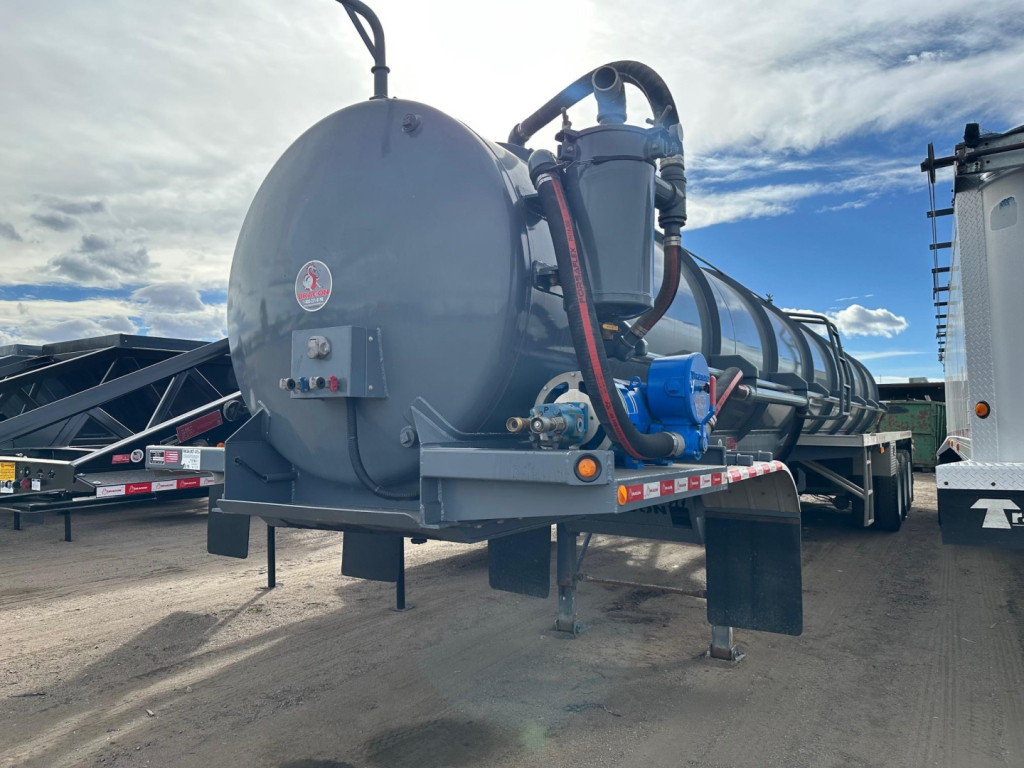
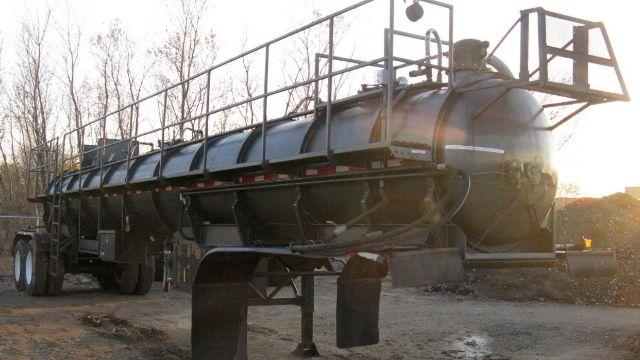
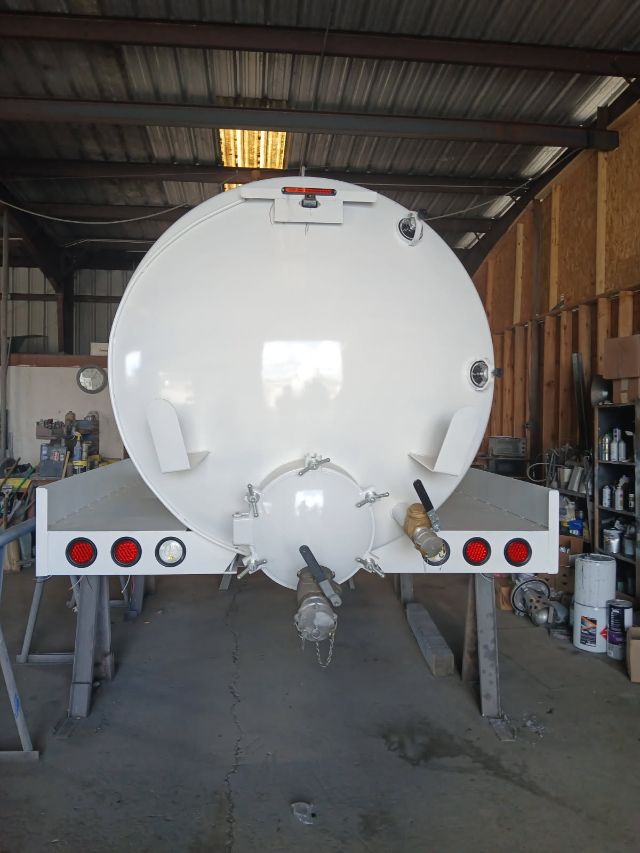

Selling a used troxell vacuum trailer? List your used troxell vacuum trailer for sale and reach thousands of commercial buyers.
Used Troxell Vacuum Trailers
Troxell vacuum transport trailers are often spec'd with aluminum tanks to reduce tare weight and preserve payload, especially in regions where gross weight is closely watched on lease roads and state highways. Air ride suspension is another desirable feature because it improves ride quality, helps protect the tank and piping from shock, and can reduce driver fatigue over long runs. On used trailers, inspect the barrel, saddle areas, frame, subframe, and rear structure for signs of stress cracking, repairs, or corrosion. Also look closely at the discharge plumbing, rear blowdown setup, and the number and location of discharge valves, since multi-valve layouts can make a trailer more flexible across different customer sites and fluid handling procedures.
For practical buying decisions, capacity is only the starting point. A vacuum trailer also needs the right hose storage, catwalk or walkway access, rear platform arrangement, and tire and wheel package for the work it will actually do. In oilfield service, these trailers are commonly used to move produced water, drilling fluids, and other non-hazardous liquid waste streams, though exact suitability depends on the tank spec, liner or coating if equipped, and local regulatory requirements. Buyers should verify the vacuum and pressure ratings, DOT compliance items, manway condition, internal cleanliness, and the condition of seals and valves before putting a used unit into service. Service records are especially valuable on vacuum equipment because pump systems, plumbing components, and tank integrity all affect uptime.
A used Troxell vacuum trailer can be a strong fit for fleets that need a straightforward transport trailer with a proven barrel size and a simple, maintainable layout. The best value usually comes from matching the trailer's gallon capacity, tare weight, axle spec, and discharge configuration to the route, product, and unloading method already used in the fleet. If the trailer will spend time on uneven lease roads, pay extra attention to suspension condition, frame alignment, landing gear wear, and evidence of piping damage from ground clearance issues. On higher-capacity fluid work, small differences in valve access, rear controls, and walkway safety can have a noticeable impact on turn time and driver efficiency.
Frequently Asked Questions about Used Troxell Vacuum Trailers
What does a 150 BBL vacuum trailer hold in gallons?
A 150 BBL vacuum trailer holds about 6,300 gallons, since one oilfield barrel equals 42 gallons. This is a common size for vacuum transport work because it offers substantial fluid capacity without moving into a much larger trailer footprint that can complicate routing, axle loading, or access on tighter job sites.
Why is an aluminum vacuum trailer desirable on the used market?
An aluminum vacuum trailer is attractive because it typically weighs less than a comparable steel unit, which can improve legal payload and operating efficiency. Buyers still need to inspect it carefully for weld repairs, stress points, and corrosion around fittings or dissimilar metals, but aluminum remains a popular choice where tare weight directly affects revenue per load.
What should I inspect first on a used Troxell vacuum trailer?
Start with the tank, frame, suspension, and discharge plumbing. Check for barrel damage, cracked welds, previous repairs, frame alignment issues, worn suspension components, leaking valves, and damaged blowdown or rear discharge hardware. Then verify tires, brakes, lights, landing gear, manways, and any documentation related to pressure or vacuum testing and maintenance history.
Are multiple discharge valves important on a vacuum transport trailer?
Yes, multiple discharge valves can make a trailer more versatile and faster to unload in the field. A multi-valve setup can help accommodate different customer connections, unloading procedures, and maintenance preferences. It can also reduce downtime if one valve needs service, but buyers should inspect all valve seats, handles, seals, and associated piping for wear or leakage.
What industries commonly use vacuum trailers like these?
Vacuum trailers are widely used in oilfield fluid transport, industrial cleanup, waste handling, and environmental service operations. They are commonly assigned to moving produced water, drilling fluids, and other liquid waste streams, subject to the trailer's spec and the regulatory requirements for the product being hauled. The exact application should always be matched to the tank design, ratings, and compliance requirements.