
Troxell Vacuum Trailers For Sale
Shop Troxell vacuum trailers with common 130 to 150 BBL capacities, tandem axle setups, and oilfield-ready specs for fluid hauling.
No exact matches found for your search
Showing Vacuum Trailers instead.
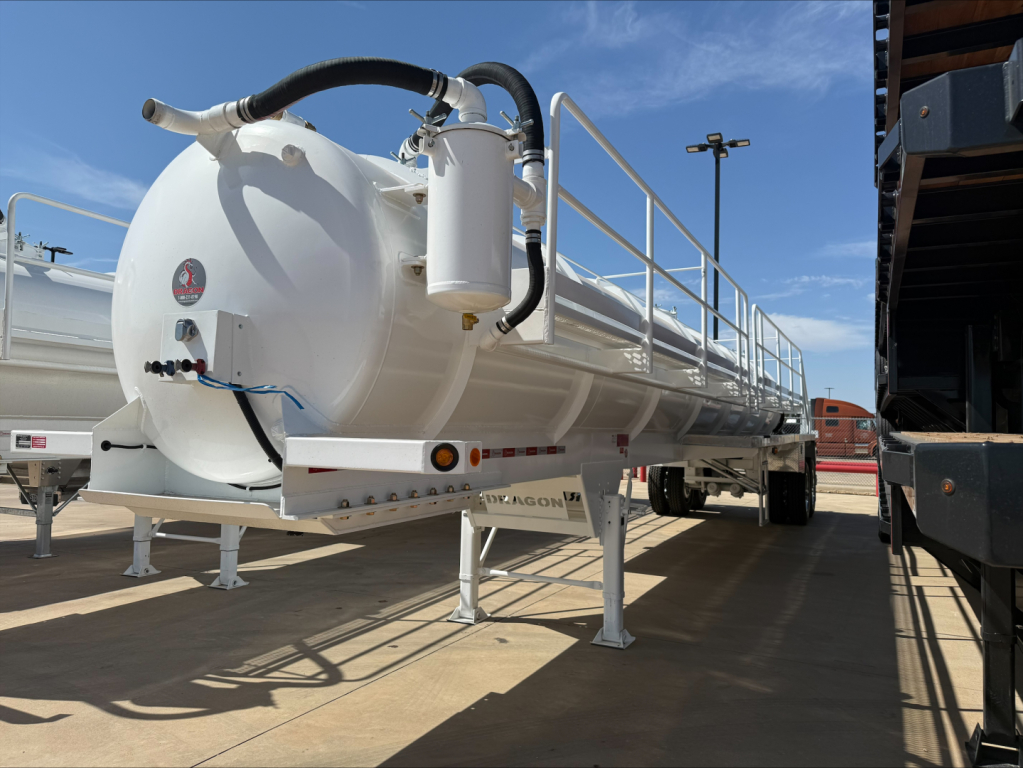
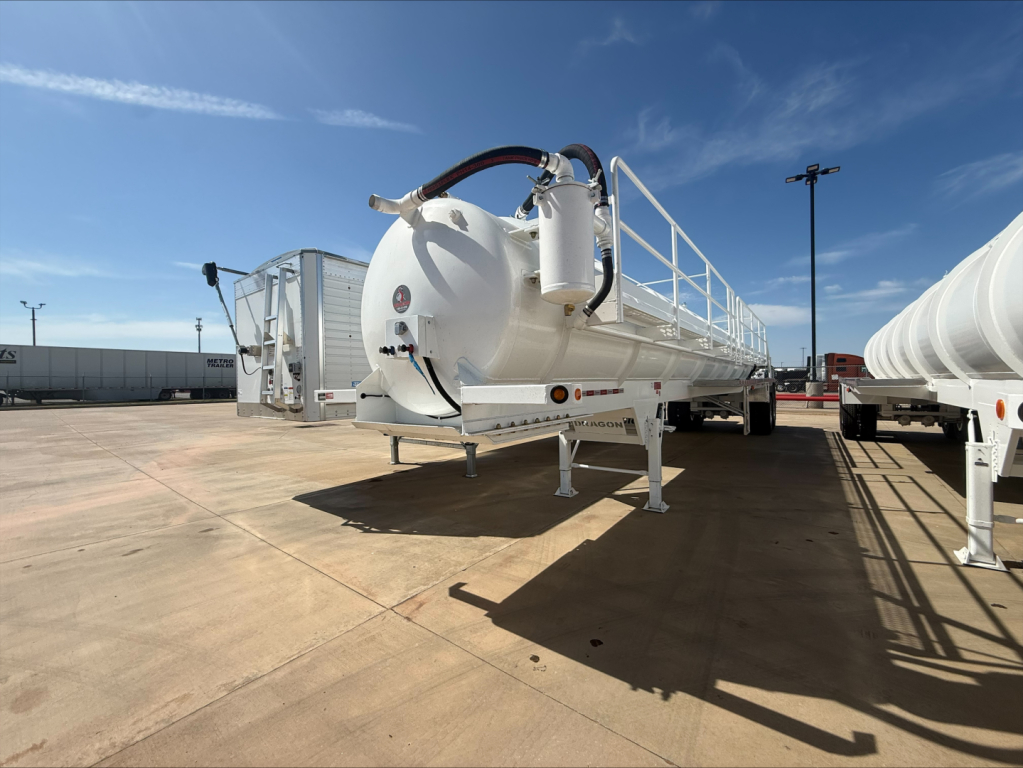
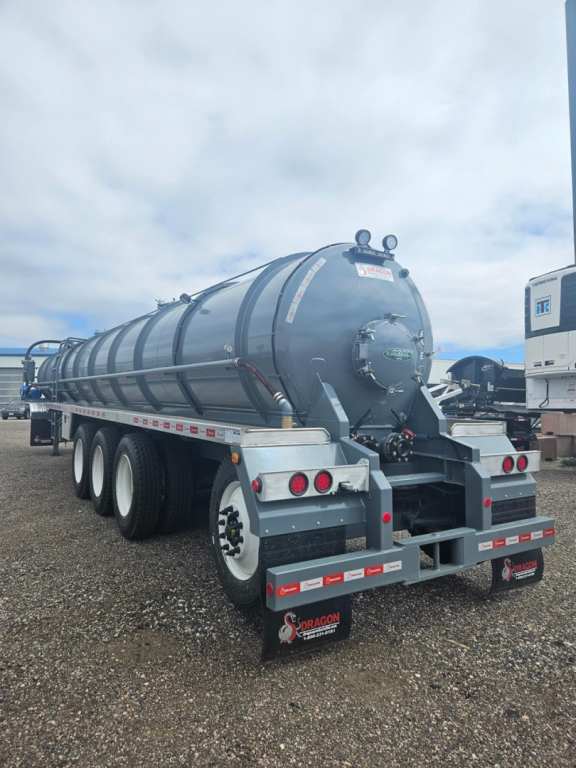
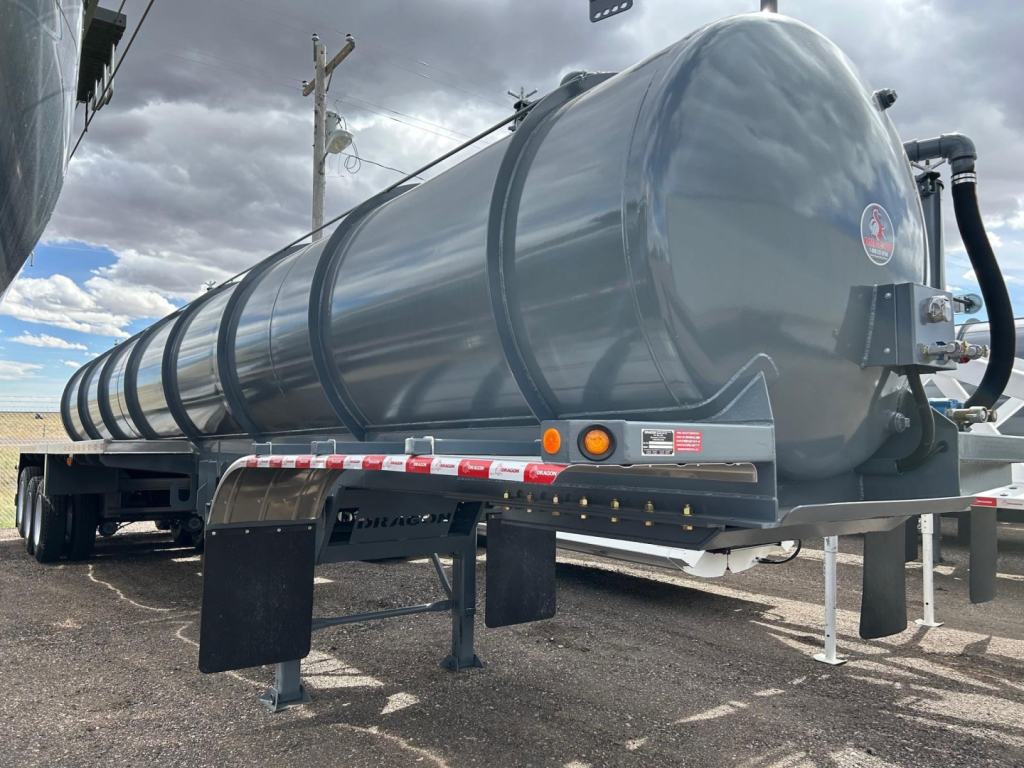
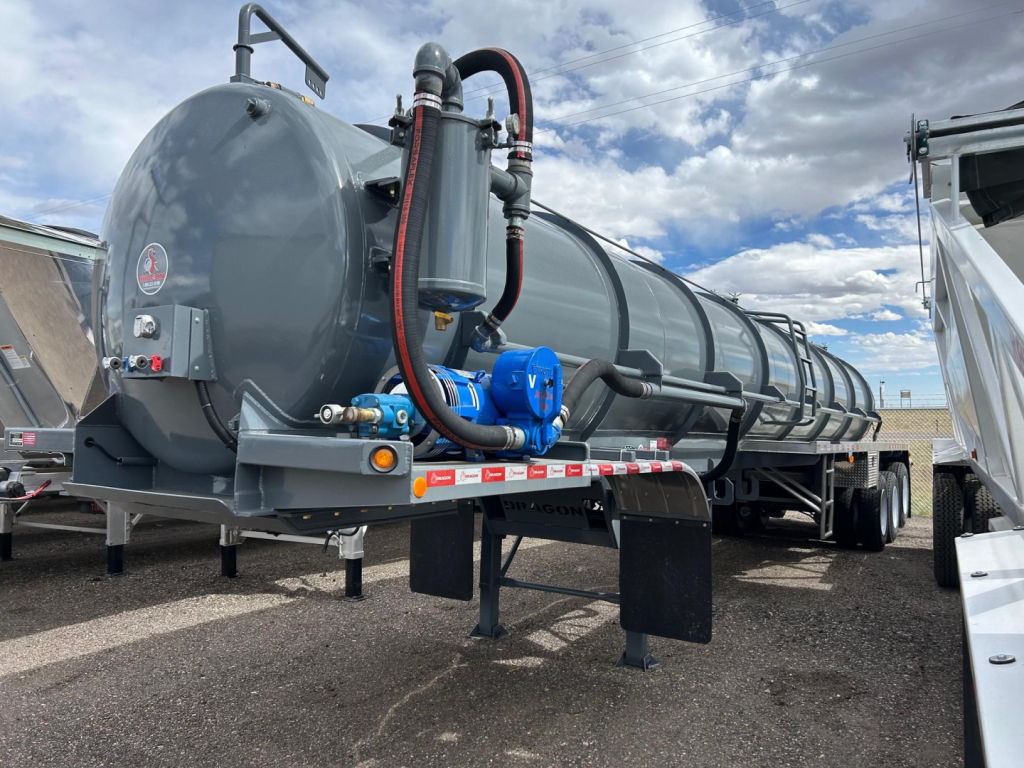
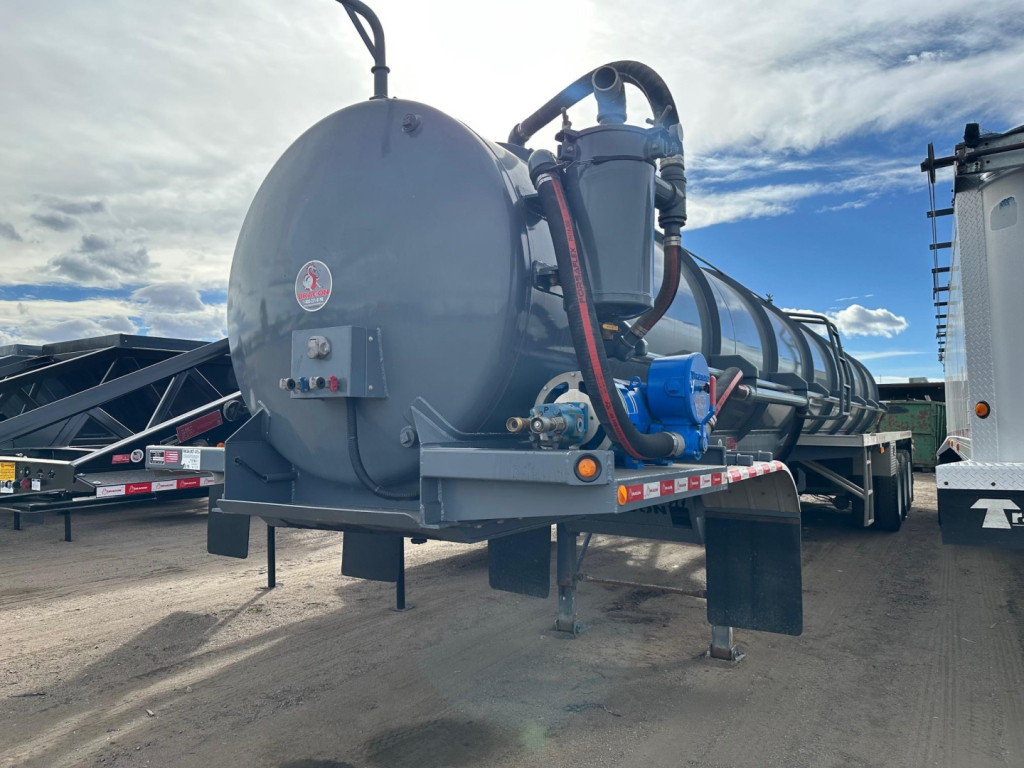
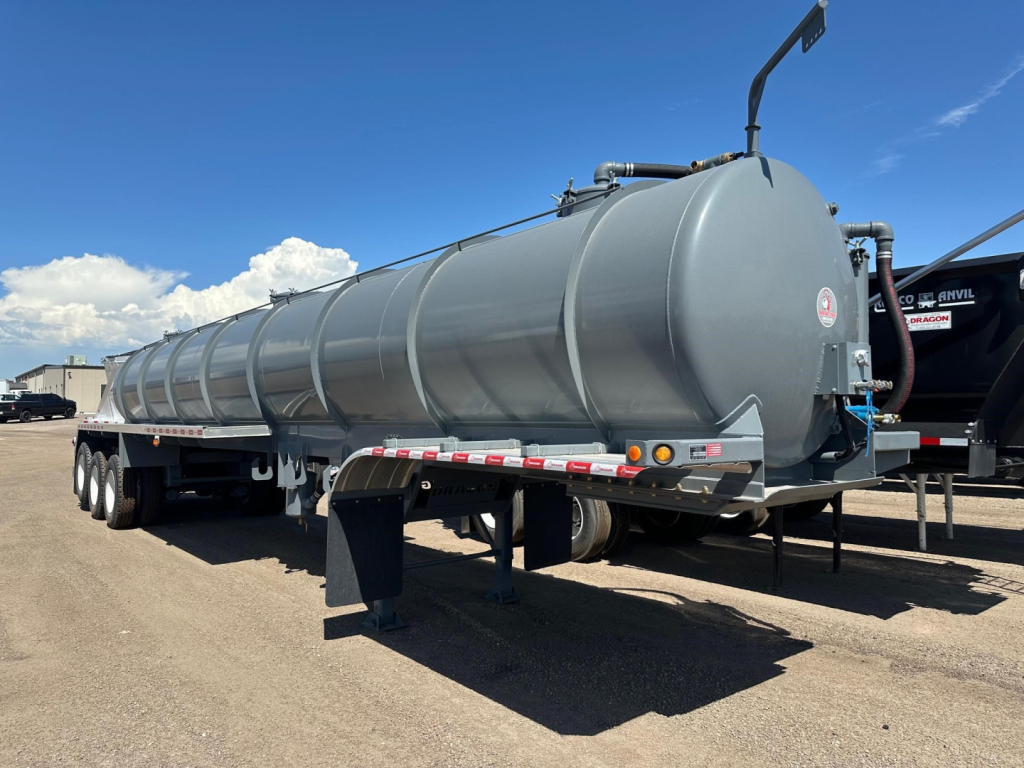
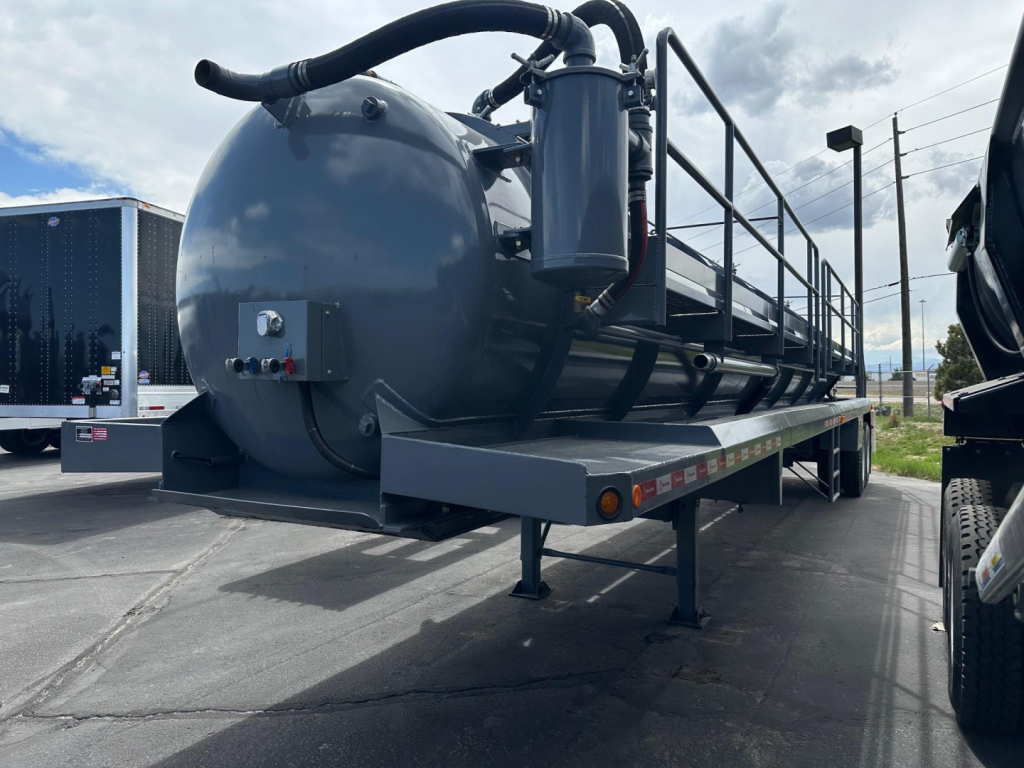

Selling a troxell vacuum trailer? List your troxell vacuum trailer for sale and reach thousands of commercial buyers.
Troxell Vacuum Trailers
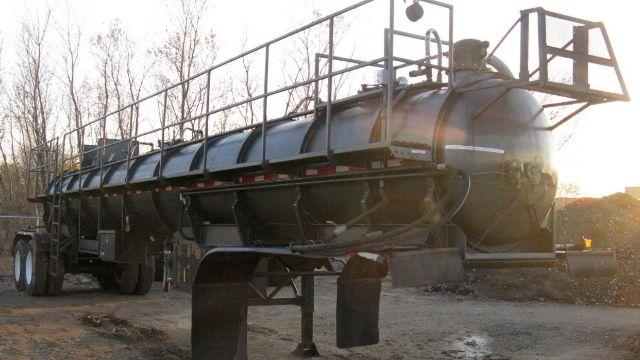
Capacity is usually the first buying decision. A 130 BBL trailer can be a practical fit for operators who need strong hauling volume without stepping up to a larger footprint, while a 150 BBL unit can make sense when maximizing barrels per trip is the priority. Buyers should also pay close attention to whether the tank is code or non-code, since that directly affects legal application and the type of product the trailer can haul. On many vacuum trailers, details like an internal lining, sight glass, full walkway, and toolbox are more than convenience features. They affect corrosion resistance, load monitoring, inspection access, and day-to-day uptime.
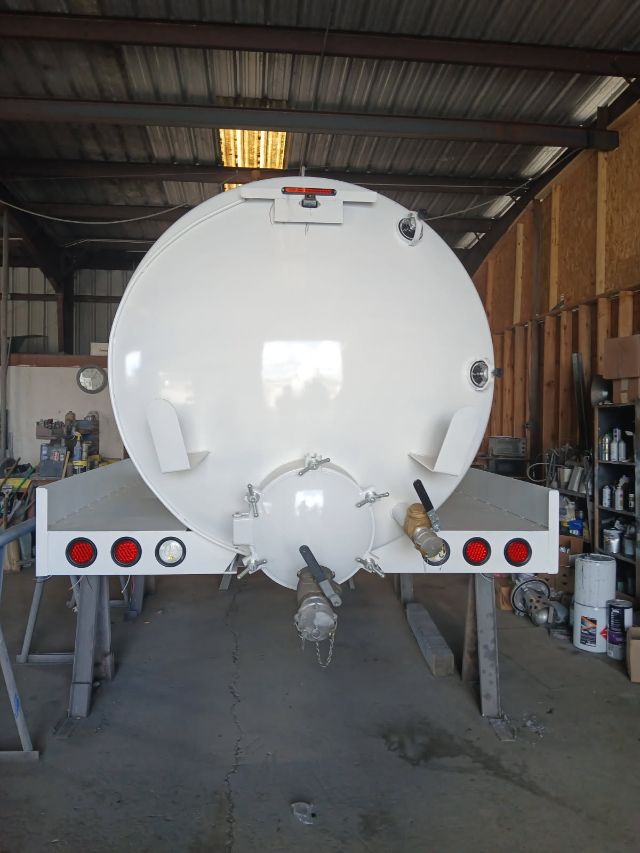
Running gear and chassis specs deserve a close look because vacuum trailers often work in demanding conditions. Tandem axles with spring suspension remain common for their simplicity and durability, especially in oilfield service. Tire size, wheel material, brake condition, and suspension wear all matter on used units, particularly if the trailer has seen rough lease roads or heavy cyclic loading. A buyer should also inspect the tank shell, weld quality, rear door or valve arrangement, manifold setup, and any evidence of previous repairs. If the trailer includes a full walkway, confirm the platform, handrails, and access points are solid and compliant with your operating practices.
The best Troxell vacuum trailer for a fleet depends on the product being hauled, the pump and tractor spec already in service, and the environment where the trailer will spend most of its time. Some operators prioritize a straightforward non-code trailer for produced water and general fluid service, while others focus on lining condition, barrel capacity, or a specific suspension setup to match their routes. Troxell units are generally selected by buyers who want an oilfield-focused vacuum trailer with practical features and familiar service components, making them a relevant option for contractors, water haulers, and fluid management fleets.
Frequently Asked Questions about Troxell Vacuum Trailers
What does BBL mean on a Troxell vacuum trailer?
BBL stands for barrels, which is the standard capacity measurement used for many oilfield vacuum trailers. One barrel equals 42 gallons, so a 130 BBL trailer carries significantly less than a 150 BBL trailer in total volume, and that difference can affect route efficiency, axle loading, and legal payload depending on the product being hauled.
What is the difference between a code and non-code vacuum trailer?
A code vacuum trailer is built to a recognized pressure vessel standard for specific regulated applications, while a non-code vacuum trailer is typically intended for less regulated fluid hauling jobs. The difference matters because it affects what material the trailer can legally transport, how it must be maintained, and where it can be used. Buyers should confirm the tank classification before matching a trailer to produced water, wastewater, drilling fluids, or other loads.
What should I inspect on a used Troxell vacuum trailer?
Focus on the tank shell, weld seams, lining condition, suspension, brakes, tires, wheels, and the vacuum system mounting points. Also inspect sight glasses, walkways, toolboxes, valves, and rear discharge components for damage or leaks. On any used vacuum tank trailer, signs of corrosion, poor repairs, or stress cracking can be more important than cosmetic appearance because those issues directly affect safety and uptime.
Are tandem axle vacuum trailers the most common setup?
Yes, tandem axle configurations are very common in this category because they offer a practical balance of capacity, maneuverability, and maintenance cost. For many oilfield and fluid service operations, tandem axles provide enough support for a 130 to 150 BBL tank while keeping the trailer manageable on highways, county roads, and lease roads.
Why do features like a full walkway and sight glass matter on a vacuum trailer?
A full walkway improves top-of-tank access for inspection, loading observation, and general service procedures, while a sight glass helps the operator monitor fluid level and condition. These features are especially useful in field service because they support safer checks, faster turnaround, and better visibility into tank operation during loading and unloading.