
New Troxell Vacuum Trailers For Sale
New Troxell vacuum trailers for oilfield fluid hauling, with common specs like 130 BBL tanks, spring suspension, walkways, liners, and sight glasses.
No exact matches found for your search
Showing New Vacuum Trailers instead.
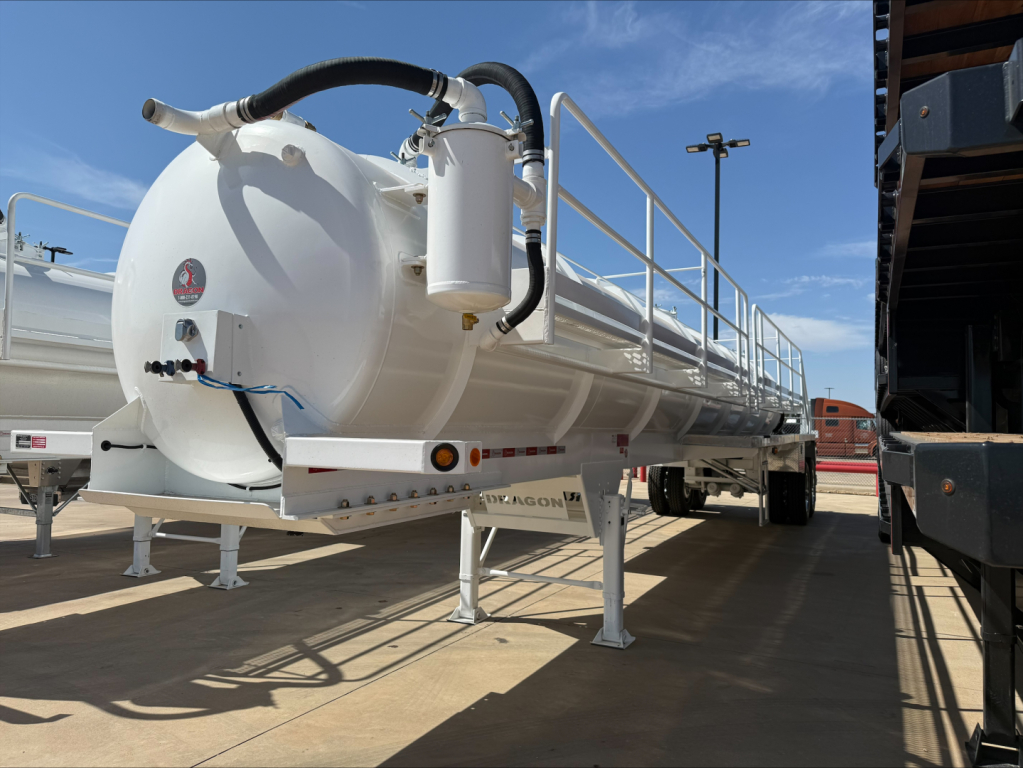
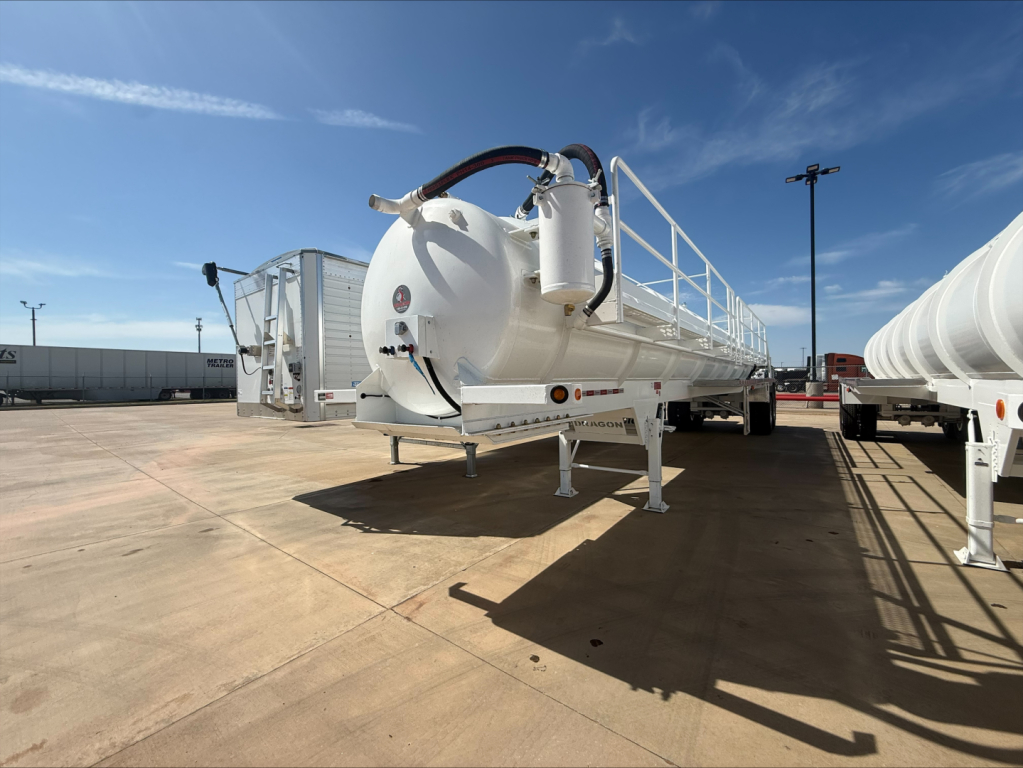
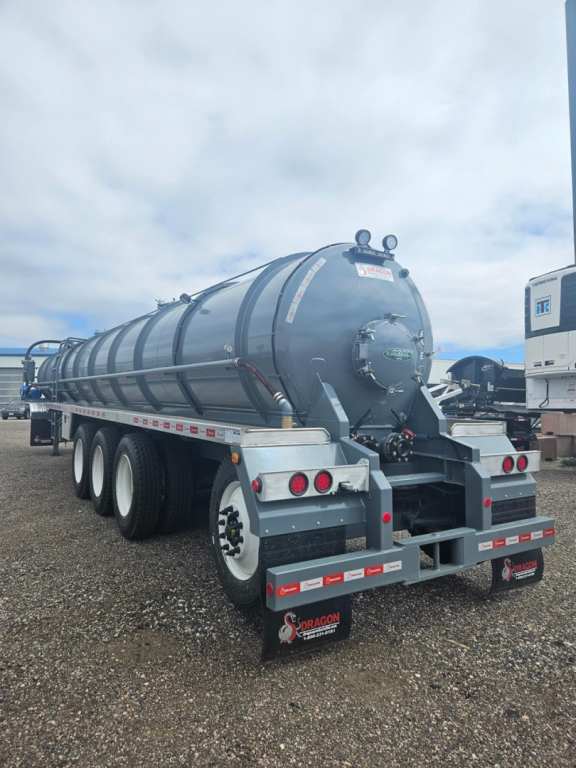
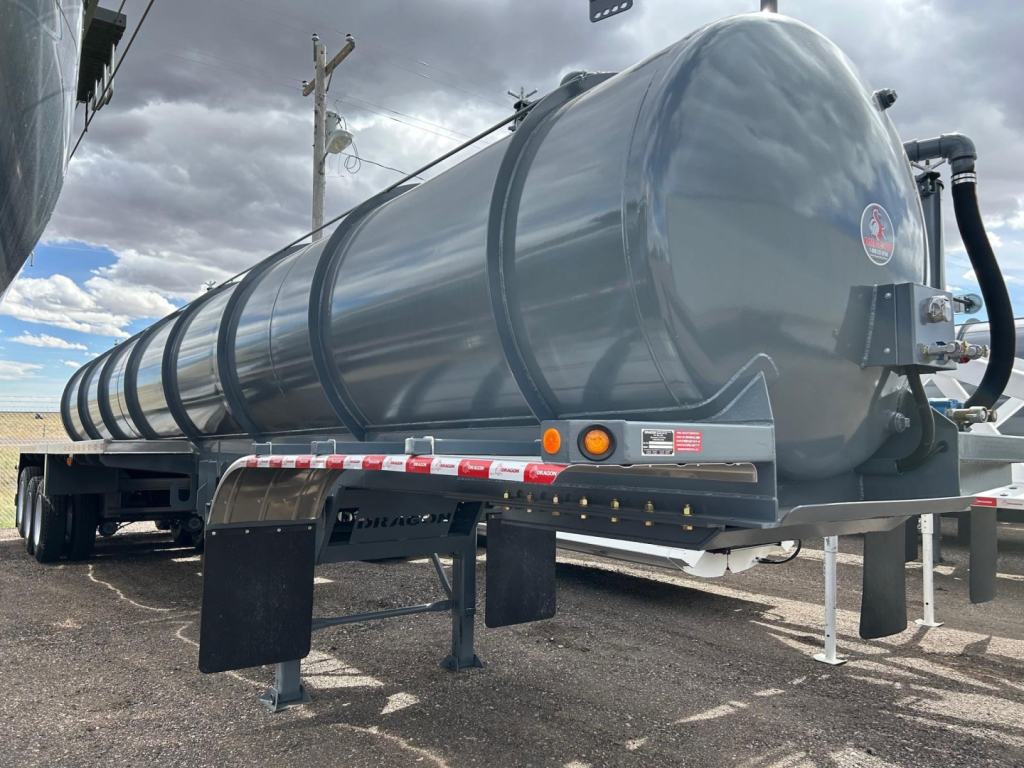
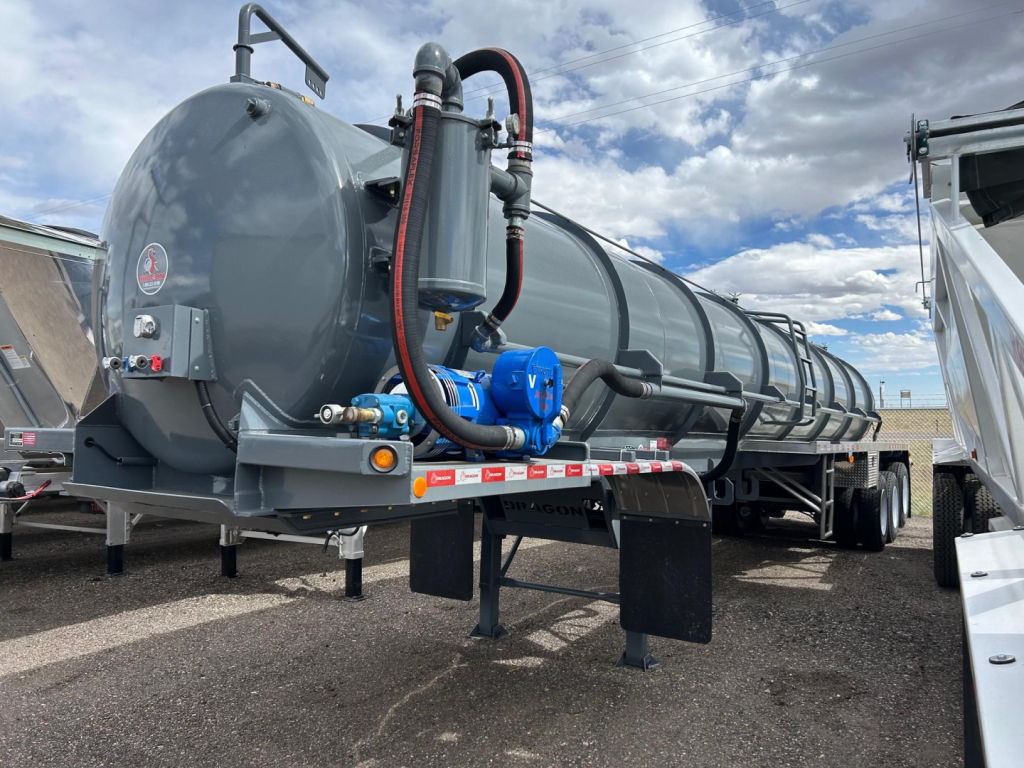
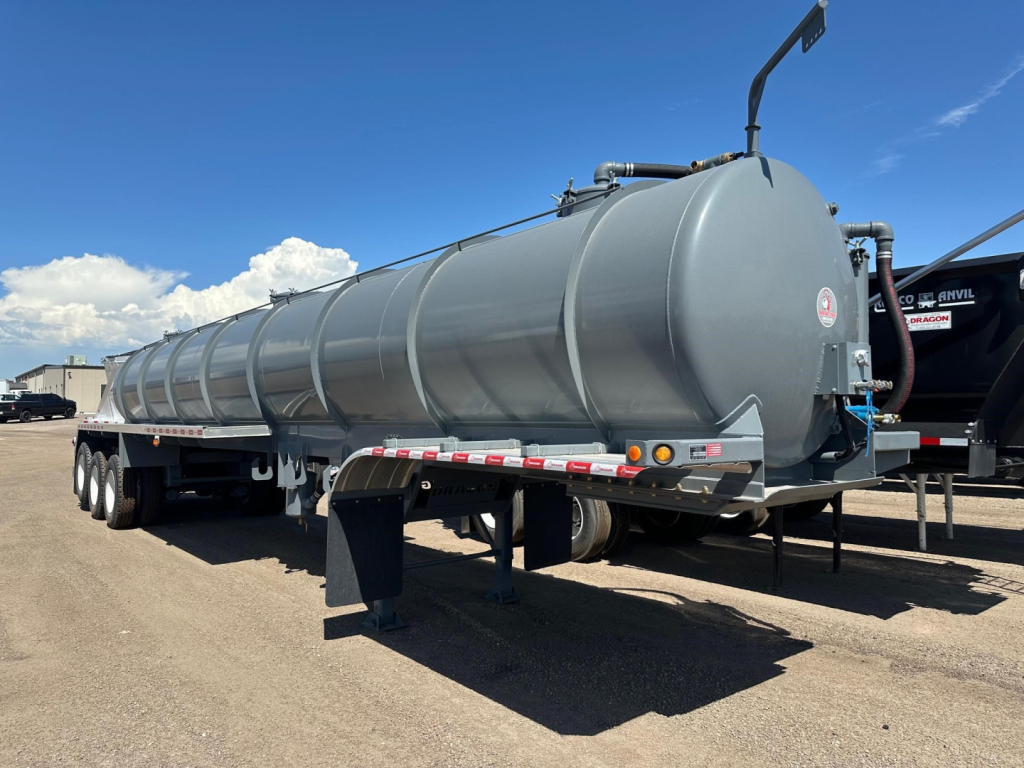
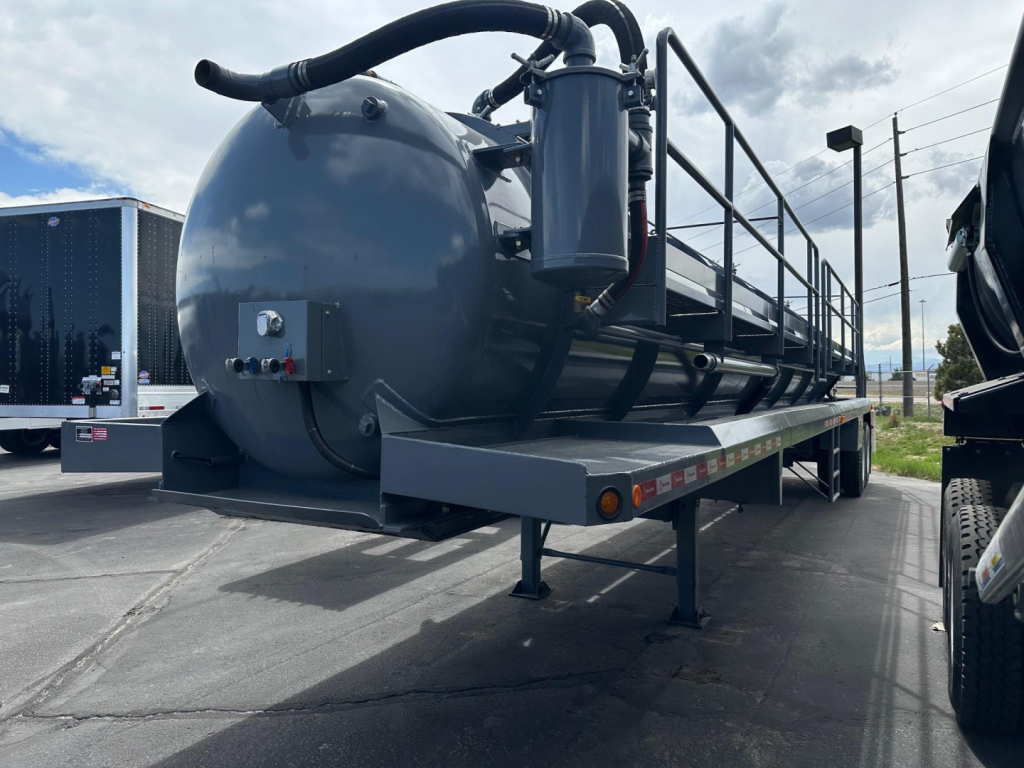
Have new troxell vacuum trailer to sell? List it here to reach thousands of buyers.
New Troxell Vacuum Trailers
The details that separate one vacuum trailer from another are often practical rather than flashy. Full walkways improve top-side access and safety during loading and inspection. Interior lining can matter when you are hauling abrasive or corrosive material, and exterior paint finish is important for long-term corrosion control and easier fleet maintenance. Sight glasses, toolboxes, and straightforward plumbing layouts are all worth attention because they affect day-to-day uptime. Buyers should also look closely at the suspension, wheel spec, and tire size. A spring suspension with 11R24.5 rubber and steel wheels is a proven setup for rough lease roads and mixed highway use, especially in oil patch service where durability and serviceability are priorities.
When comparing new vacuum trailers, tank construction and operating limits should be reviewed first. Confirm whether the trailer is non-code or built to a specific pressure vessel standard, then match that to the work you actually perform. The pump package, hose routing, rear controls, discharge configuration, and any shutoff or relief provisions should fit your loading and unloading process. It also pays to consider how the trailer will be cleaned out, how easily wear components can be accessed, and whether the tank and frame design support the kind of duty cycle your crews run every week.
Troxell vacuum trailers are typically considered by buyers who want a purpose-built unit for fluid transport in demanding field environments. The best choice usually comes down to capacity, legal compliance, and ease of maintenance, not just purchase price. If the trailer will spend most of its time on rural roads, lease roads, and wellsite approaches, focus on rugged suspension, accessible service points, and a tank layout that keeps loading, unloading, and inspection simple for the driver.
Frequently Asked Questions about New Troxell Vacuum Trailers
What is a non-code vacuum trailer used for?
A non-code vacuum trailer is generally used to haul oilfield fluids such as produced water, drilling mud, and other non-pressurized liquid waste where code-stamped pressure vessel construction is not required. The exact use depends on the material being transported, the operating pressure involved, and state or local regulations. Buyers should verify that the trailer’s tank design matches the product, route, and compliance standards for their operation.
Is a 130 BBL vacuum trailer a common size?
Yes, 130 BBL is a very common vacuum trailer capacity in oilfield service. It offers enough volume to keep trucks productive without moving into oversized territory for many applications. That size is often chosen because it balances payload, axle distribution, and practical maneuverability on lease roads, disposal runs, and field service routes.
What features should I look for on a new vacuum trailer?
The most important features are usually tank capacity, tank construction, lining, walkway design, suspension type, tire size, plumbing layout, and visibility aids such as a sight glass. Buyers should also evaluate service access, toolbox space, rear control layout, and how easy the trailer is to clean and maintain. In hard-use fluid service, simple and durable components often deliver better uptime than overly complicated systems.
Why do walkways and sight glasses matter on a vacuum trailer?
A full walkway improves safer access to the top of the tank for inspection, loading observation, and general service checks. A sight glass helps the operator monitor liquid level and loading progress more efficiently. Both features support quicker, more controlled operation in the field, and they can reduce the chances of overfilling or missing a developing issue during a load cycle.
How important are suspension and tire specs on an oilfield vacuum trailer?
They are very important because vacuum trailers often see a mix of highway miles and rough field access roads. A durable suspension such as a spring setup is valued for simplicity and toughness, while common tire sizes like 11R24.5 are widely supported for replacement and service. The right running gear affects ride quality, maintenance cost, parts availability, and overall reliability in daily oilfield use.