
New Vacuum Trailers For Sale in Colorado
Have new vacuum trailer to sell? List it here to reach thousands of buyers.
New Vacuum Trailers in Colorado
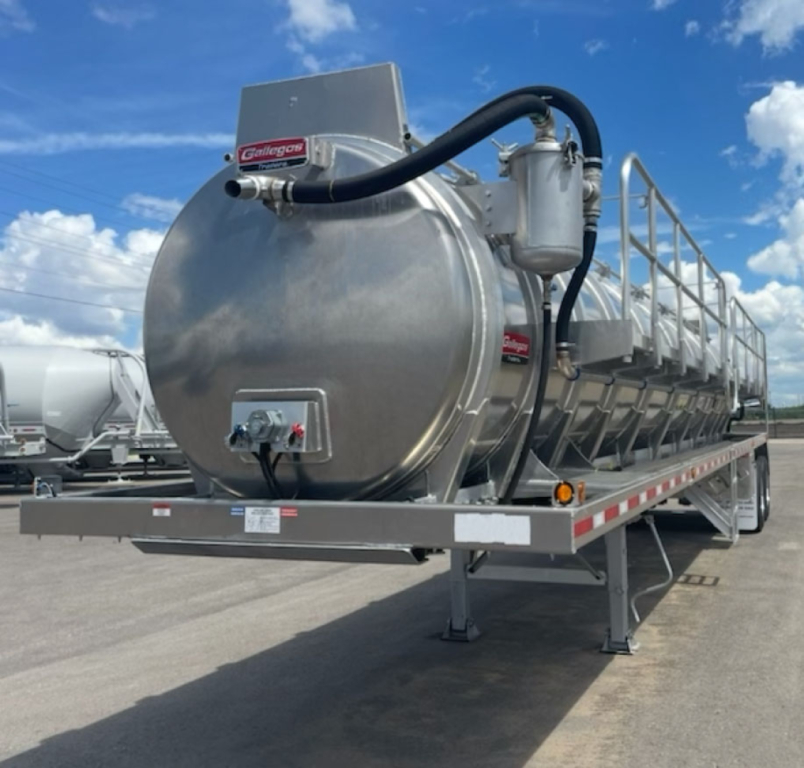
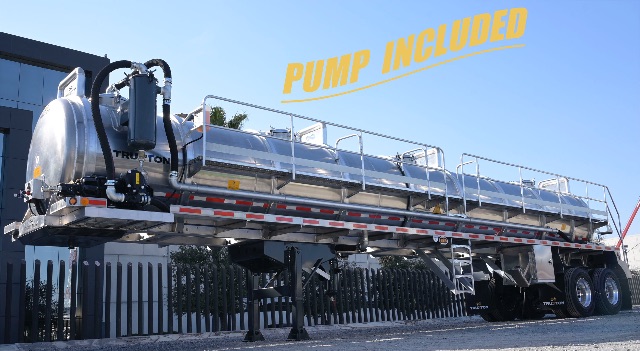
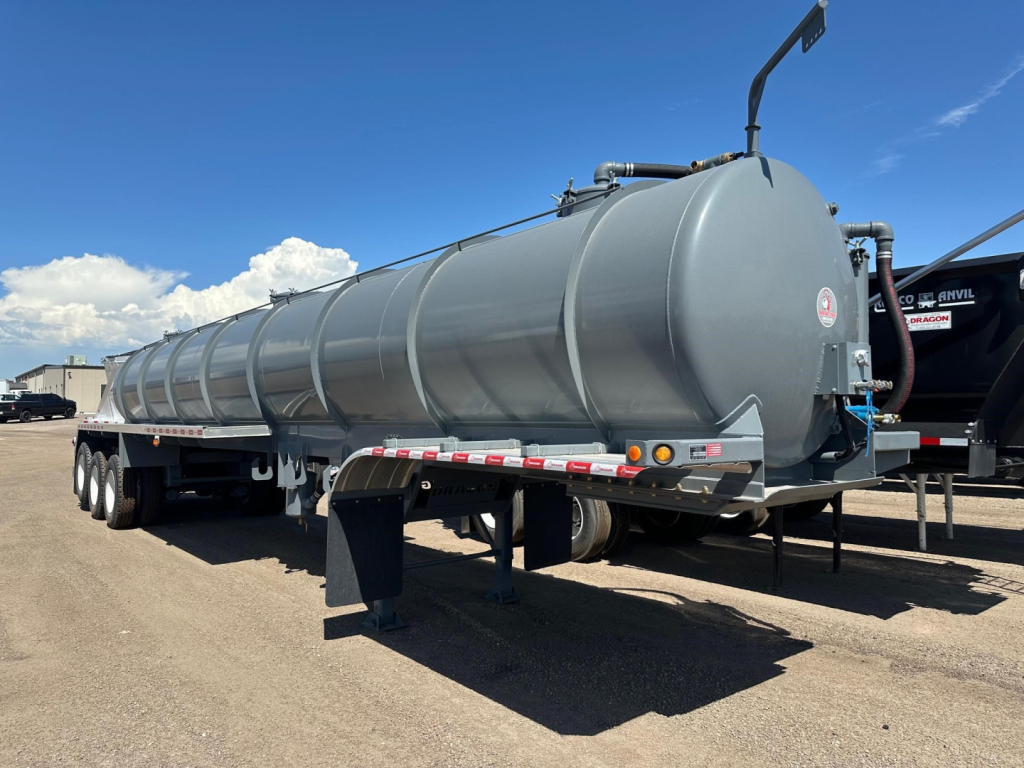
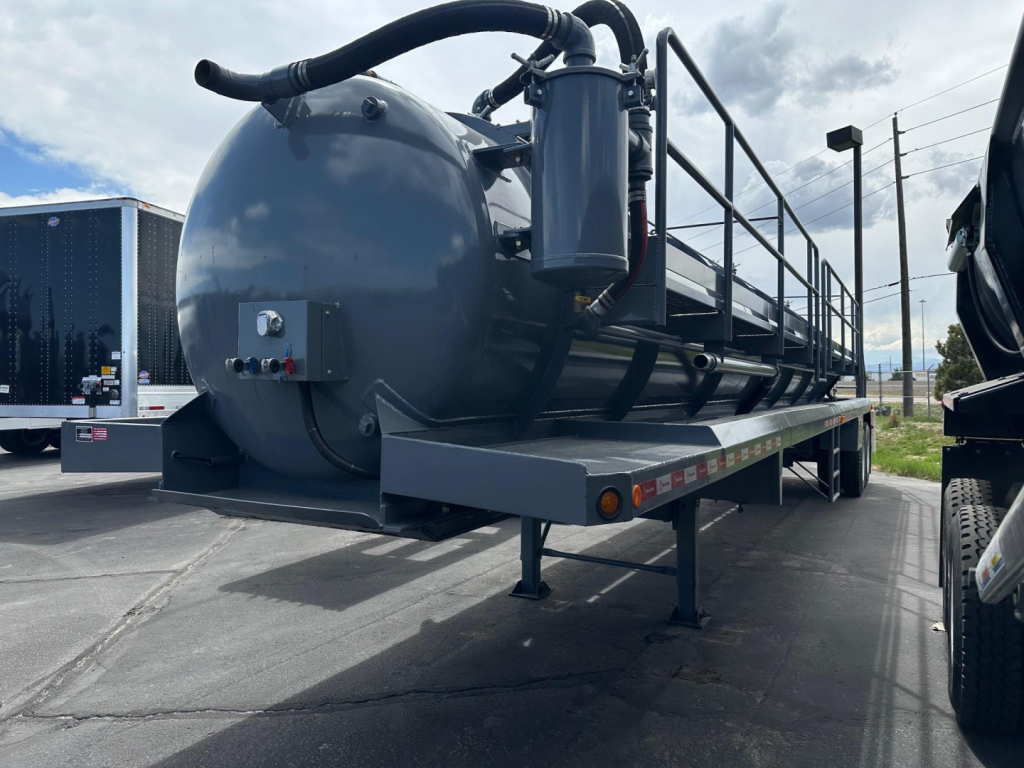
Tank construction is a major decision point. Aluminum vacuum trailers reduce tare weight and improve corrosion resistance, which can be valuable for water service and high-cycle use. Steel designs are still common where ruggedness, repair familiarity, and lower upfront cost are priorities. Buyers should look closely at shell thickness, head thickness, baffle count, and interior coating or lining. A single-compartment cylindrical tank with multiple baffles is typical in this category because it balances capacity with surge control. Useful real-world details include hose trays, catwalks with safety rails, rear work lights, sight glasses or level gauges, and rear discharge arrangements with butterfly or manual dump valves.
Vacuum system specification is where trailers in this class separate quickly. Pump brand and model, hydraulic drive setup, relief protection, primary and secondary shutoff pots, scrubbers, and vacuum rating all affect loading speed, reliability, and protection against carryover. Many new vacuum tank trailers are equipped with Fruitland, Challenger, or similar vacuum pumps, often tied to hydraulic motors and quick-connect couplers. Buyers should confirm vacuum rating, operating pressure, valve sizing, discharge tube diameter, and the layout of charge and discharge plumbing. If the trailer will spend time on lease roads or uneven pads, suspension type, tire size, wheel material, and kingpin construction also deserve attention because they influence stability, service life, and ease of maintenance.
A well-matched vacuum trailer should fit the material being hauled, the tractor supplying hydraulic power, and the regulatory environment for the intended service. For water hauling and non-hazardous fluid recovery, non-code vacuum trailers are common and cost-effective, but they are not interchangeable with DOT-spec tank trailers for regulated commodities. On a new unit, buyers often prioritize air ride suspension, ABS compliance, full-length walkways, anti-slip surfaces, tool storage, and clear access to valves and manways because those features affect safety and daily uptime. When comparing listings, the best value usually comes from matching the barrel size, material, pump package, and axle configuration to the route, payload target, and fluid type rather than simply choosing the largest tank.
Frequently Asked Questions about New Vacuum Trailers in Colorado
What is the typical capacity range for a vacuum trailer?
A common capacity range for vacuum tank trailers is roughly 130 to 165 barrels, with many units in the 150 BBL class. The right size depends on product density, legal gross weight limits, axle configuration, and the type of roads the trailer will run. A larger barrel rating can improve productivity, but only if the tractor, axle group, and local weight rules support the payload.
What is the difference between an aluminum and a steel vacuum trailer?
Aluminum vacuum trailers generally offer lower tare weight and better corrosion resistance, which can help maximize legal payload and reduce long-term rust issues. Steel vacuum trailers are often chosen for durability in rough service, easier field repair, and lower acquisition cost. The better choice depends on the trailer's duty cycle, the fluids being hauled, and how much value the operation places on weight savings versus repair simplicity.
What does non-code mean on a vacuum trailer?
A non-code vacuum trailer is typically built for water and other non-regulated service where a DOT pressure vessel specification is not required. It may still have vacuum and pressure capability within its design limits, but it is not the same as a code trailer intended for regulated hazardous commodities. Buyers should always match the trailer certification and tank specification to the product being hauled and the rules that apply to that service.
What vacuum system components matter most on a new vacuum trailer?
The most important components are the vacuum pump, hydraulic motor or drive arrangement, relief valves, primary and secondary shutoff protection, scrubber system, and the size and placement of suction and discharge valves. These parts determine how quickly the trailer loads, how well it protects the pump from contamination, and how efficiently it unloads. A strong pump package with proper shutoff and relief protection usually matters more in day-to-day use than cosmetic options.
Which axle configuration is better for a vacuum trailer, tandem or tri-axle?
A tandem axle vacuum trailer can be a practical choice for lighter legal payload targets, lower maintenance, and simpler operation. A tri-axle trailer, or a tandem with a lift axle depending on the design, can provide better weight distribution and may help in heavier service or jurisdictions with stricter axle loading concerns. The best setup depends on barrel capacity, fluid weight, road restrictions, and how often the trailer runs fully loaded.