
Used Utility Trailers For Sale in Georgia
Browse used utility refrigerated and dry van trailers in Georgia with common specs, body options, and buying tips for regional or long-haul fleets.
Learn moreBrowse Utility Trailers by Make
Showing 13 to 16 of 16 results
Have used utility trailer to sell? List it here to reach thousands of buyers.
About Used Utility Trailers in Georgia
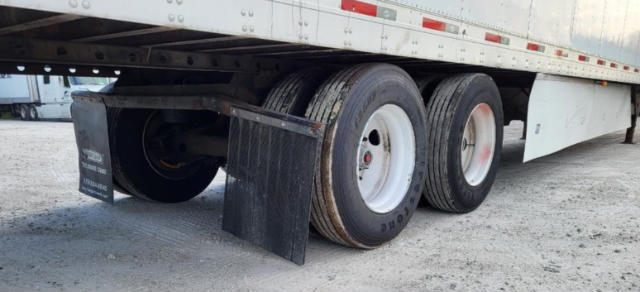
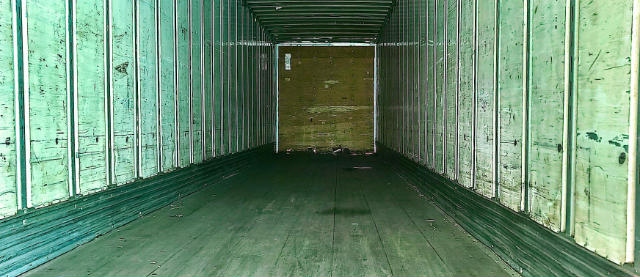
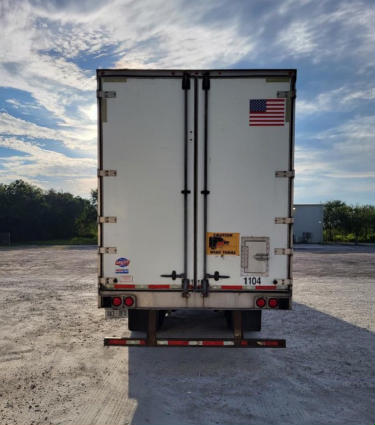
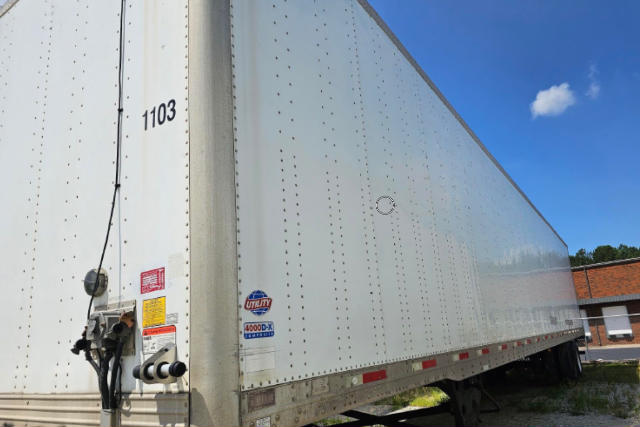
For dry vans, common specs include 53-foot lengths, tandem axles, swing doors, logistic posts, wood or aluminum floors, and composite or aluminum sidewall construction. Utility 4000-series dry vans are known for fleet use because they balance tare weight, durability, and repairability. Buyers should inspect roof bows, front wall seams, scuff liners, crossmembers, and the threshold area for signs of hard dock impact or water intrusion. Suspension type, wheel-end service history, brake setup, and tire condition all affect operating cost immediately after purchase. If the trailer will stay in regional service around Georgia and the Southeast, it is worth checking kingpin setting, axle spread, and overall empty weight to make sure the trailer matches the tractors and freight profile already in the fleet.
For refrigerated utility trailers, often called reefers, buyers need to evaluate both the trailer body and the refrigeration unit as separate assets. Look closely at insulation integrity, floor channel condition, door seal quality, evaporator area cleanliness, and any prior patchwork in the sidewalls or nose. A reefer with a sound body but poor unit history can quickly become expensive, while a well-maintained unit on a compromised box will struggle to hold temperature on long runs. Georgia buyers hauling food-grade freight should also pay attention to interior liner condition, drain functionality, and signs of past cargo contamination. Continuous-run versus start-stop operation, unit hours, and recent major reefer repairs are usually more important than model year alone.
The best used utility trailer is the one that fits the lane, loading environment, and maintenance program. A fleet running dense palletized freight may prioritize floor rating and swing door durability, while a shipper handling high-cube retail freight may focus on cube optimization and logistics track placement. In Georgia, where regional turns, interstate freight, and temperature-controlled loads all play a role, buyers should favor trailers with documented service records, clean titles, and specs that match local legal and operational needs. A careful inspection of frame condition, ICC bumper, lights, ABS function, and air system components can tell you more about long-term value than paint or decals ever will.
Frequently Asked Questions
What should I inspect first on a used Utility trailer?
Start with the structural and high-wear areas: frame rails, crossmembers, floor, rear frame, doors, roof, suspension, brakes, and tires. On dry vans, pay close attention to floor wear from forklifts, wall damage, and water intrusion around the front wall and roof seams. On reefers, inspect the box for insulation and liner condition, then review the refrigeration unit hours and service records separately. Cosmetic condition matters less than structural integrity and maintenance history.
Are Utility dry vans and reefer trailers good for Georgia freight?
Yes. Utility trailers are common in Southeast freight because they are widely supported and used across retail, food, distribution, and general van lanes. In Georgia, that matters because trailers may see a mix of short regional turns, heavy dock use, port-related freight, and long interstate runs. A well-specced dry van works well for general freight, while a properly maintained reefer is a strong fit for produce, poultry, grocery, and other temperature-sensitive loads.
What common specs matter most when buying a used utility trailer?
The most important specs are trailer length, axle configuration, body type, floor rating, sidewall construction, door style, and suspension setup. For refrigerated trailers, refrigeration unit model, operating hours, and temperature performance are critical. Buyers should also confirm kingpin setting, tare weight, tire size, wheel-end type, and brake specification because those details affect payload, tractor compatibility, and ongoing maintenance cost.
How important are maintenance records on a used reefer trailer?
They are extremely important because the reefer unit and the trailer body both need consistent service to perform correctly. Records can show preventive maintenance intervals, major component replacements, software updates, and repeated fault patterns. Without that history, a buyer takes on more risk related to temperature control failures, expensive engine or compressor repairs, and downtime that can disrupt food-grade or pharmaceutical freight.
Is age or condition more important on a used utility trailer?
Condition is usually more important than age. A slightly older trailer with solid maintenance records, a dry interior, strong floor, sound suspension, and no structural corrosion is often the better buy than a newer trailer with deferred repairs. For used trailers in Georgia, exposure to moisture, frequent loading cycles, and regional road use can affect condition faster than model year alone suggests.