
Used Utility Trailers For Sale in Indiana
Shop used Utility trailers for sale in Indiana, including common reefer specs, dimensions, insulation, suspension, and cold-chain buying tips.
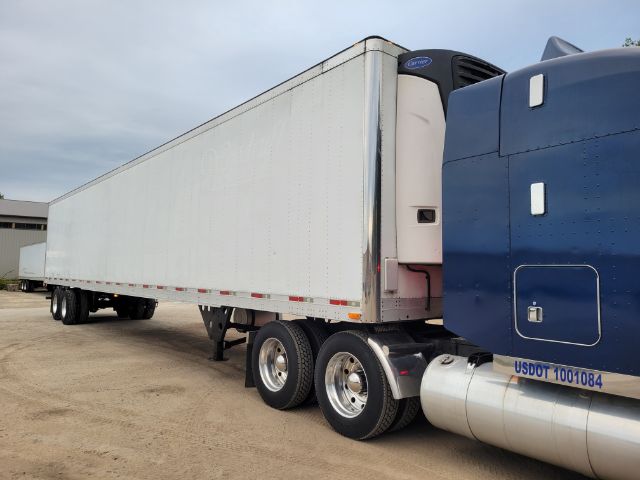
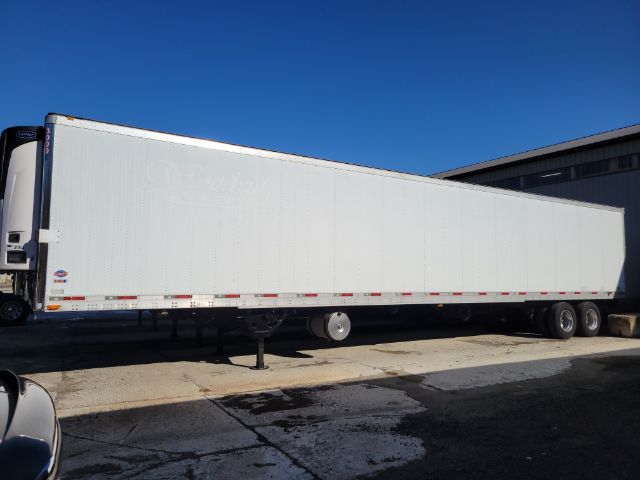
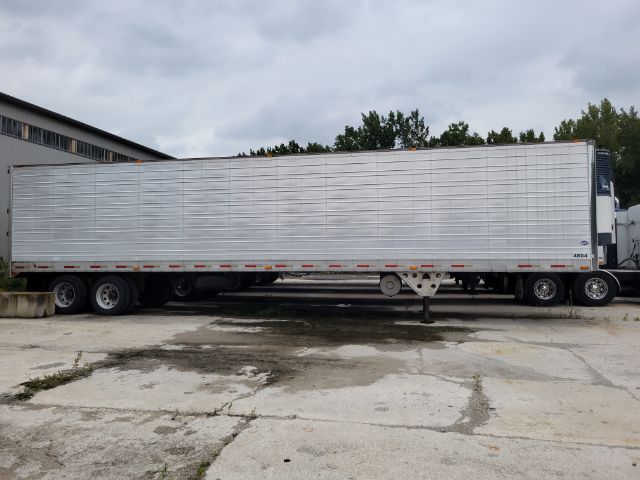
Selling a used utility trailer? List your used utility trailer for sale and reach thousands of commercial buyers.
Used Utility Trailers in Indiana
The first buying decision is usually the trailer body and temperature-control setup. Most used Utility trailers on the market are refrigerated vans, also known as reefer trailers, with insulated walls, lined interiors, and rear swing doors built to hold temperature on frozen or chilled freight. Buyers should confirm interior dimensions, floor type, insulation condition, and door seal integrity before focusing on cosmetic items. A reefer that pulls down below zero and holds temp under load is far more important than polished wheels or trim. It also pays to inspect the front wall, roof seams, scuff liners, drain layout, and the aluminum floor for wear from pallets, jacks, and repeated washouts.
Running gear and compliance details matter just as much as box condition. Check axle spacing, suspension type, wheel-end service history, brake condition, tire age, and whether the trailer is set up with air ride or spring ride. On Indiana routes with heavy dock traffic, mixed highway miles, and seasonal temperature swings, a trailer with sound suspension, straight subrails, and consistent brake wear can save more money than a lower purchase price. Buyers should also verify DOT readiness, VIN and title status, lighting, ABS function, mud flap mounting, and rear frame condition. If the trailer has a refrigeration unit installed, review engine hours, service records, evaporator condition, and any history of major repairs to the unit or fuel system.
Utility trailers are often chosen because they fit a wide range of freight programs and can be easier to place into established lane work. For reefer applications, that means frozen food, produce, dairy, pharmaceuticals, and other temperature-sensitive loads where insulation value and door performance directly affect claim risk. A good used Utility trailer should be evaluated as a working asset, not just a trailer that passed a quick visual check. Frame condition, floor life, crossmember integrity, and the ability to maintain temperature are the areas that separate a dependable revenue trailer from a shop project.
Frequently Asked Questions about Used Utility Trailers in Indiana
What should I inspect first on a used Utility reefer trailer?
Start with the trailer's ability to hold temperature and the structural condition of the box. Check that the reefer unit pulls down to the target temperature, inspect door seals, front wall, roof seams, and interior liner condition, and look closely at the floor for damage from pallet traffic and washouts. After that, move to the running gear, brakes, tires, suspension, and ABS system. Cosmetic items are secondary to temperature performance and structural integrity.
Are older Utility reefer trailers still a practical buy?
Yes, many older Utility reefer trailers remain practical if the body is solid and the refrigeration system has been maintained correctly. Utility trailers have long been common in refrigerated service, so many repair shops are familiar with their structure and replacement parts channels are generally well understood. The key is to judge the actual condition of the trailer, including floor wear, crossmember health, door fitment, and refrigeration service history, rather than buying on age alone.
What sizes are most common for used Utility trailers in Indiana?
The most common used Utility reefer trailers are typically 53-foot by 102-inch models, with some 48-foot units still appearing in regional or legacy fleet applications. A 53-foot trailer usually offers the best freight flexibility for modern dock operations and over-the-road lanes, while a 48-foot trailer can still make sense for certain dedicated accounts or cost-sensitive buyers. Buyers should confirm overall length, interior dimensions, and axle configuration to make sure the trailer matches lane and dock requirements.
How important is reefer unit service history on a used trailer?
Reefer unit service history is critical because refrigeration repairs can quickly change the economics of a used trailer purchase. Engine hours, preventive maintenance records, temperature-control performance, evaporator condition, and evidence of major repairs all help show how the unit was cared for. A trailer body may still have useful life, but if the refrigeration unit has poor maintenance history or inconsistent pull-down performance, the total cost to put it into reliable service can rise fast.
Why do many buyers look for Utility trailers specifically?
Utility trailers have a strong market presence in refrigerated freight, which gives buyers confidence in service familiarity, resale recognition, and application fit. Many fleets know the brand's construction style, and that can simplify inspections, repairs, and lane planning. For a buyer comparing multiple used trailers, a Utility often stands out because the platform is widely accepted in food-grade and cold-chain operations where body condition and temperature retention matter every day.