
Used Utility Reefer Trailers For Sale in Indiana
Shop used Utility reefer trailers for sale in Indiana. Compare 48' and 53' refrigerated trailers, insulation, reefer units, and spec details.
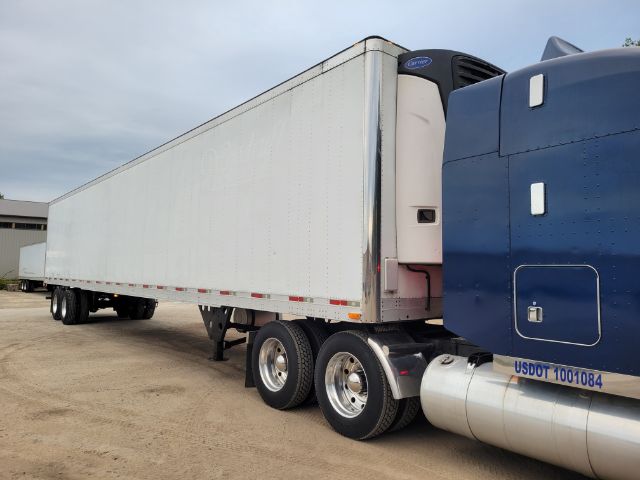
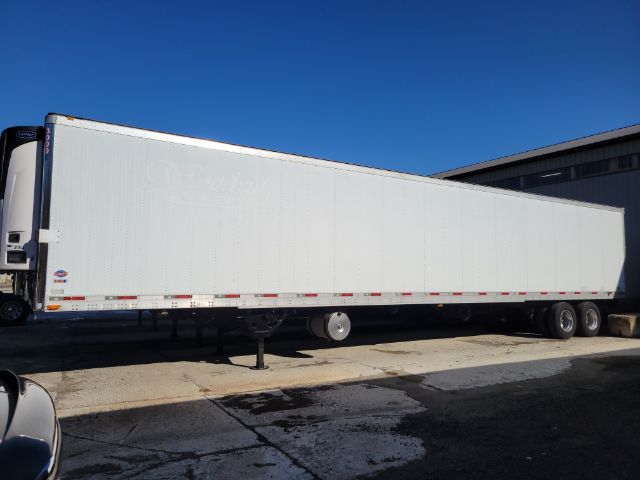
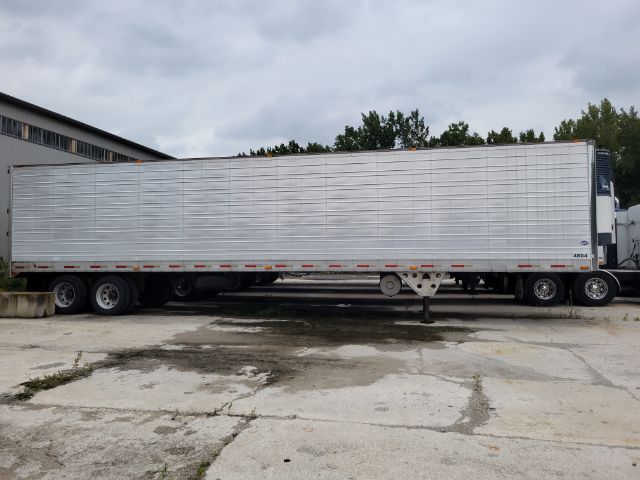
Selling a used utility reefer trailer? List your used utility reefer trailer for sale and reach thousands of commercial buyers.
Used Utility Reefer Trailers in Indiana
The first buying decision is usually trailer age versus reefer unit condition. A sound insulated box with good floor condition, tight doors, and clean seal surfaces can stay productive for years, but the refrigeration unit has to pull down quickly and hold setpoint under load. Buyers should confirm that the unit can maintain both chilled and below-zero temperatures, review hour readings if available, and look closely at service history, evaporator condition, fuel tank integrity, and unit performance during a pre-trip run. On the trailer side, pay attention to the front wall, roof rails, crossmembers, scuff liners, floor wear, and door hardware. Interior damage that breaks insulation value can hurt temperature control and increase run time.
Utility reefer trailers are often spec'd for grocery, foodservice, and distribution work, so details like swing doors, stainless steel rear frames, duct floors, and interior lining matter. Tire condition, suspension type, wheel-end maintenance, brake life, and DOT readiness can change the real cost of ownership more than cosmetic appearance. Indiana buyers should also consider corrosion from winter road treatment, especially around the rear frame, landing gear, slider assembly, and wiring. If the trailer will run multi-stop regional freight, look for a reefer trailer with a healthy air chute, good door seals, and a floor that still supports consistent airflow from nose to rear.
Utility has long been a familiar name in refrigerated transportation, and that helps when it comes to resale, repair familiarity, and replacement parts. For many buyers, a used Utility reefer trailer makes sense when the trailer body is solid, the refrigeration system has documented upkeep, and the spec matches the freight. A clean 53-foot reefer can fit high-cube food lanes, while an older 48-foot trailer may still pencil out well for local or seasonal work. The best value is rarely the cheapest trailer on the page. It is the one with the strongest balance of box integrity, reefer performance, and maintenance history.
Frequently Asked Questions about Used Utility Reefer Trailers in Indiana
What should I inspect first on a used Utility reefer trailer?
Start with the refrigerated box and the reefer unit, because those two areas drive temperature performance and repair cost. Check the floor for wear or soft spots, inspect the walls and ceiling for punctures or delamination, and make sure the rear doors seal tightly. Then verify that the refrigeration unit starts cleanly, pulls down to set temperature, and holds that temperature consistently. Structural rust, suspension wear, brake condition, and tire age also matter, but poor insulation or a weak reefer unit usually creates the biggest expense.
Are 48-foot or 53-foot Utility reefer trailers better for Indiana operations?
A 53-foot Utility reefer trailer is the standard choice for most food and distribution freight because it offers the most cube and broadest market acceptance. A 48-foot trailer can still be a practical fit for regional hauls, older dock layouts, or buyers working in lanes where overall trailer length is less critical. The right choice depends on the freight, customer dock space, and whether the trailer needs to match the rest of an existing fleet.
How important is it that a used reefer trailer can run below zero?
It is very important if the trailer will haul frozen freight such as ice cream, frozen meat, or packaged frozen foods. A reefer unit that can pull below zero and recover temperature after door openings is essential for frozen applications. For produce, dairy, and other chilled freight, the unit still needs to maintain a stable setpoint without excessive run time. A performance test under operation is more valuable than a simple claim that the trailer is cold.
What reefer trailer specs affect operating cost the most?
Reefer unit condition, insulation integrity, tire condition, brakes, suspension, and wheel-end health have the biggest impact on operating cost. A trailer with air leaks, damaged lining, poor door seals, or weak airflow forces the refrigeration unit to work harder and burn more fuel. Deferred maintenance in the running gear can also create downtime quickly. Buyers should evaluate total condition, not just purchase price, because a cheaper trailer can become expensive fast if the unit needs major service or the trailer needs structural repairs.