
Used Utility Trailers For Sale in Illinois
Browse used Utility trailers in Illinois, including dry vans, reefers, and specialty trailers built for freight efficiency and long service life.
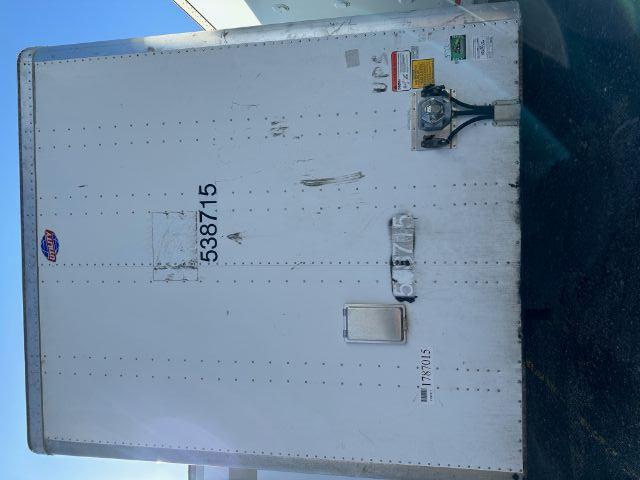

Selling a used utility trailer? List your used utility trailer for sale and reach thousands of commercial buyers.
Used Utility Trailers in Illinois
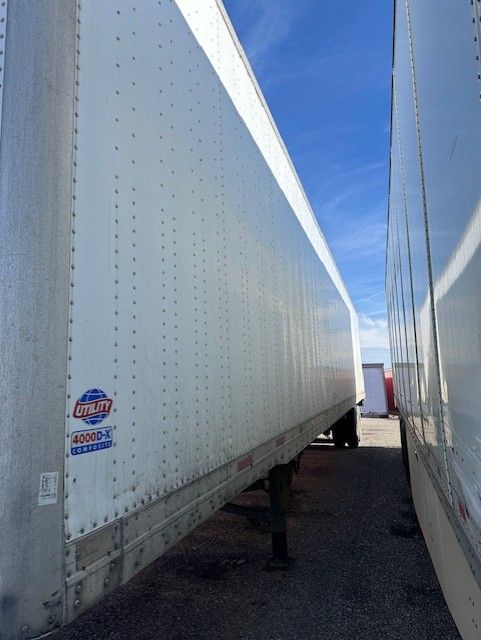
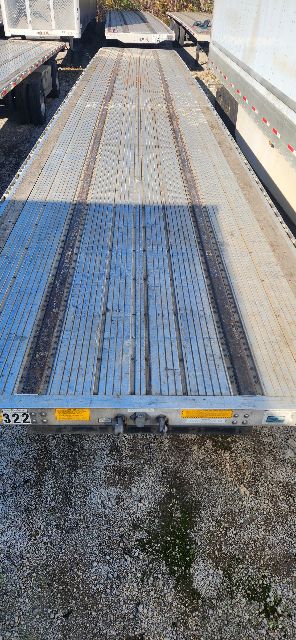
For dry van buyers, the important details usually come down to suspension, door style, roof construction, and interior condition. Many used Utility vans are spec'd with air ride, which helps with cargo protection and dock stability. Swing doors are still popular for general freight, while roll doors can make sense in route delivery or high-frequency dock work where fast access matters. Aluminum roofs, scuff liners, hardwood or laminated flooring, and logistics posts all affect how well the trailer fits palletized freight, retail freight, or mixed LTL service. A close look at crossmembers, rear frame area, threshold plate, side sheets, and floor wear will tell you more than paint or decals ever will.
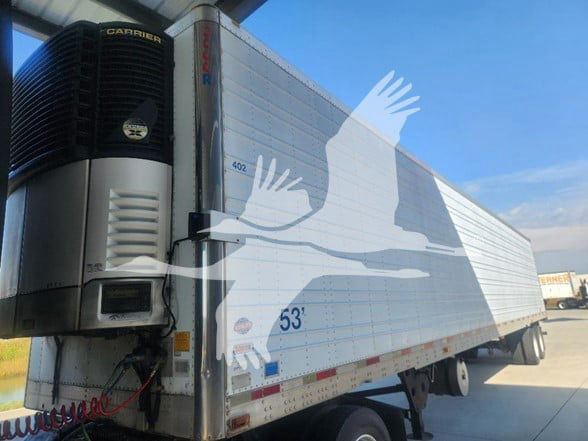
On reefer trailers, a used Utility 3000R is often judged as much by the refrigeration unit and insulation performance as by the trailer itself. Buyers in Illinois should pay attention to reefer unit brand, engine hours, service records, discharge air performance, fuel tank condition, and door seal integrity. Features such as stainless front corners, quilted stainless doors, disc brakes, and tire inflation systems can add real operating value, especially in food-grade and multi-stop work. Suspension type, brake spec, and tire size also matter because they affect maintenance cost and uptime across long interstate runs and urban distribution cycles.
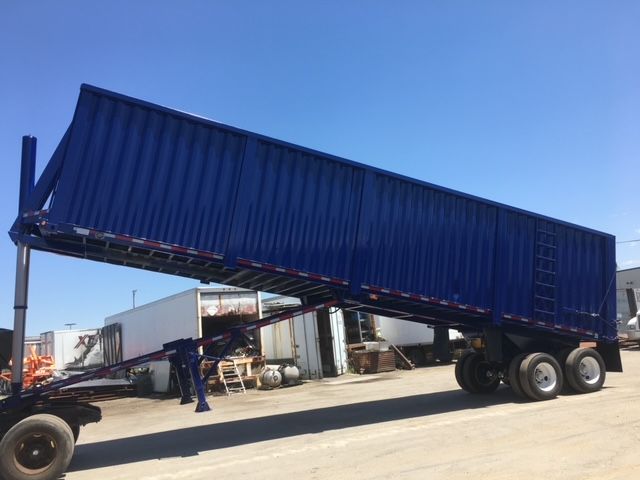
A used Utility trailer should be matched to freight type first, then to operating radius and dock environment. Dry vans suit general freight, packaged goods, and retail distribution. Reefers are built for temperature-controlled freight and often need stronger attention to maintenance history, bulkhead condition, and floor channel cleanliness. Specialty Utility trailers, including dump configurations, require a closer review of body integrity, liner condition, hoist setup, and axle history. In Illinois, where trailers may see heavy seasonal temperature swings, road salt, and dense distribution traffic, corrosion points, suspension wear, brake condition, and lighting reliability deserve extra scrutiny before purchase.
Frequently Asked Questions about Used Utility Trailers in Illinois
What are the most common used Utility trailer models buyers look for?
The most common used Utility trailers are usually the 4000DX dry van and the 3000R reefer. The 4000DX is widely used in general freight and retail service because it is light, durable, and easy to keep in fleet rotation. The 3000R is a popular refrigerated trailer for food and temperature-sensitive freight, often paired with Carrier or Thermo King units. Buyers also see occasional specialty configurations, including dump trailers and shorter regional units.
What should I inspect first on a used Utility dry van trailer?
Start with the floor, rear frame, suspension, brakes, and roof. Floor condition is critical because soft spots, patchwork, and excessive wear can turn into expensive structural repairs. The rear frame and threshold area often show damage from dock impact and forklift traffic. You should also inspect side panels, crossmembers, door hardware, and signs of water intrusion. If the trailer has air ride, check for bag condition, ride height issues, and uneven tire wear that may point to alignment or axle problems.
What matters most when buying a used Utility reefer trailer?
The refrigeration unit condition and documented service history matter most. Engine hours, unit performance, fuel system condition, and recent major repairs all affect the real value of a used reefer. The trailer body also needs close attention, especially insulation integrity, door seals, front wall condition, and the cleanliness of the reefer floor channels. A reefer can look clean outside and still have issues that affect temperature control, fuel efficiency, or compliance in food-grade service.
Are Utility trailers a good fit for Illinois freight operations?
Utility trailers are a strong fit for Illinois because they are common in regional distribution, long-haul freight, and temperature-controlled lanes running through Chicago and the broader Midwest. Parts availability is generally good, and most fleet shops are familiar with Utility trailer construction. Illinois buyers should still pay close attention to corrosion, especially on older trailers exposed to winter road salt, along with brake wear, lighting systems, and suspension condition from heavy stop-and-go freight cycles.
Do options like disc brakes and tire inflation systems matter on a used Utility trailer?
Yes, those options can matter a lot depending on the application. Disc brakes can improve stopping consistency and reduce service downtime in hard-use operations. Tire inflation systems can help extend tire life and reduce roadside failures, which is valuable in high-mile fleets. These features do not replace a good inspection, but they can improve operating efficiency and lower long-term maintenance costs when the systems are in proper working order.