
Used 2019 Utility Trailers For Sale in Illinois

Have used 2019 utility trailer to sell? List it here to reach thousands of buyers.
Used 2019 Utility Trailers in Illinois
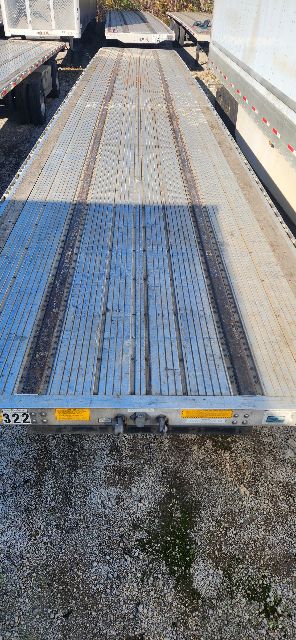
For dry van applications, buyers usually focus on the 4000D and 4000D-X platform. Key details include aluminum construction, wood floors, logistics posts, scuff liners or scuff plate protection, threshold plates, stainless rear door frames, and swing doors. Air ride suspension is common and remains the preferred setup for freight protection and driver acceptance. Disc brakes are especially desirable on newer van trailers because they improve stopping performance, reduce brake fade, and can simplify service intervals compared with drum brake setups. Wheel and tire package matters too, with 22.5 low-profile rubber and aluminum wheels often showing up on fleet-spec trailers.
For refrigerated service, Utility 3000R reefer trailers are a common benchmark in this year range. Buyers should look closely at the refrigeration unit hours, service records, evaporator condition, chute setup, floor type, and door seal integrity. Features such as aluminum duct floors, cold chutes, stainless quilted doors, side skirts, and tire inflation systems can add real operating value depending on lane profile and fuel strategy. In Illinois, reefer buyers also need to think about winter performance, corrosion exposure, and how the trailer has been washed and maintained through salt season, especially around crossmembers, rear frame area, and slider components.
The best 2019 Utility trailer for sale depends on cargo, dwell time, dock environment, and maintenance tolerance. A shipper-heavy dry van operation may prioritize logistics-ready interiors, clean floors, and straight sidewalls. A food-grade or temperature-controlled operation will care more about insulation integrity, reefer unit history, and floor wear from pallet jack traffic. Across both categories, buyers should inspect the roof, rails, kingpin area, tandem slide, door hardware, brake system, tire wear pattern, and any evidence of prior impact or floor repair. Utility trailers hold value well when core fleet specs are intact, which makes a used 2019 model a practical middle ground between older high-cycle trailers and higher-cost new equipment.
Frequently Asked Questions about Used 2019 Utility Trailers in Illinois
What are the most common specifications on a used 2019 Utility trailer?
Most used 2019 Utility trailers in fleet service are 53 feet long, 102 inches wide, and 13 feet 6 inches high. Common specifications include aluminum construction, air ride suspension, sliding tandems, 22.5 low-profile tires, and swing doors. Dry vans often have wood floors, logistics posts, and scuff protection, while reefers commonly include aluminum duct floors, insulated doors, and a Thermo King or Carrier refrigeration unit.
Is a 2019 Utility dry van or reefer better for Midwest freight operations?
That depends on freight mix and customer base. A 2019 Utility dry van is the simpler trailer to maintain and works well for general freight, retail, and warehouse distribution. A 2019 Utility reefer is the better choice for food, frozen, or temperature-sensitive freight, but it adds refrigeration maintenance, fuel use, and more detailed inspection requirements. In Illinois and the broader Midwest, both trailer types are common, but reefer buyers should pay extra attention to unit service history and winter-condition wear.
What should I inspect first on a used 2019 Utility trailer?
Start with the structural and wear items that affect safety and operating cost. Check the kingpin area, crossmembers, roof, sidewalls, rear frame, tandem slide rails, suspension, brakes, tire condition, and wheel ends. On dry vans, inspect the floor for rot, patches, or forklift damage and confirm the logistics track is intact. On reefers, inspect the floor channels, door seals, chute, insulation condition, and the refrigeration unit's hours and maintenance records.
Do 2019 Utility trailers commonly have disc brakes?
Many late-model Utility dry van trailers were spec'd with disc brakes, especially in larger fleet service, though not every trailer will have them. Disc brakes are valued for stronger stopping performance, better heat management, and easier visual inspection of wear items. Buyers should verify the axle and brake setup on the specific trailer, because brake type affects parts cost, service procedures, and overall maintenance planning.
Why do used Utility trailers tend to stay in demand?
Utility trailers stay in demand because they are widely used across major fleets, repair shops are familiar with them, and replacement parts are generally easy to source. They also have strong market recognition, which helps with resale and trade value. For a buyer comparing multiple late-model used trailers, that combination of known specs, service familiarity, and broad freight compatibility makes Utility a dependable choice.